Based on recorded story, mood and style. Your preferences can change the order.
Expect romantic and melancholic, with measured pacing.
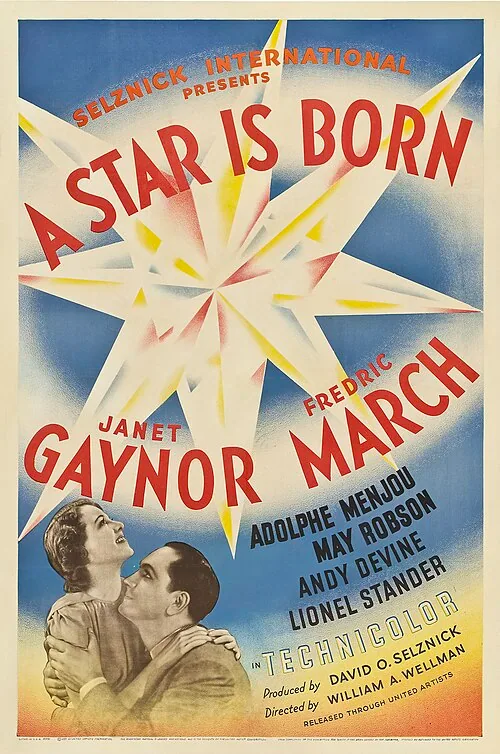
An aspiring actress arrives in Hollywood and receives help from an established actor whose career is beginning to collapse. Their professional collaboration becomes marriage, but her growing recognition intensifies the imbalance between public success and his dependence on alcohol. Attempts to protect one another become tangled with pride and sacrifice, exposing the cost of a relationship whose partners are moving in opposite directions within the same industry.
Based on recorded story, mood and style. Your preferences can change the order.
What changes The Last Tycoon is tagged wistful and polished; The Majestic is tagged nostalgic and reflective.
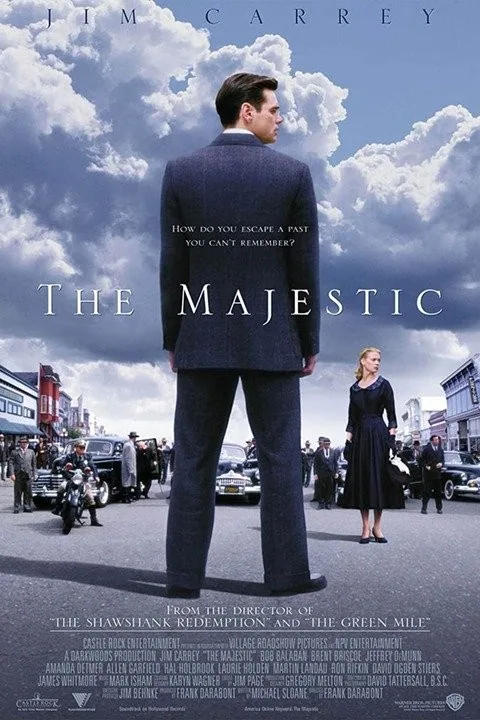
A Hollywood screenwriter loses his memory after a car accident and is mistaken for a local man who never returned from war. Welcomed into a small town, he helps revive a struggling cinema and forms relationships before his past resurfaces. The drama blends romance and civic memory with a period story about identity, loyalty and political suspicion during blacklisting.
Based on recorded story, mood and style. Your preferences can change the order.
What changes The Last Tycoon is tagged wistful and polished; The Quiet Man is tagged affectionate and comic.
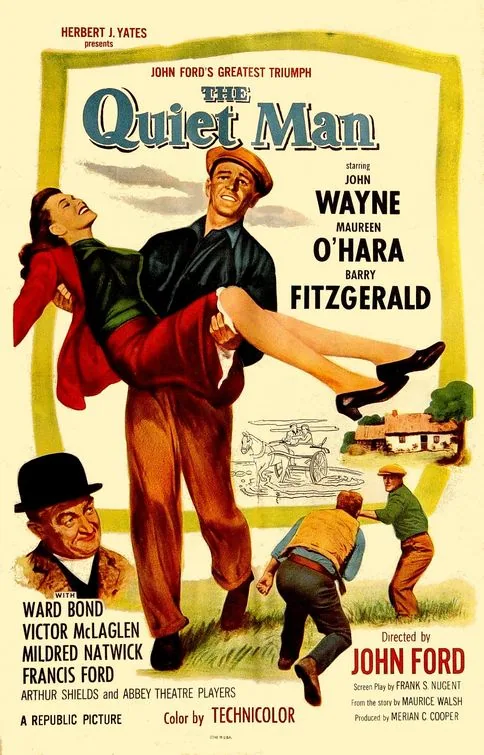
Sean Thornton returns from America to the Irish village where he was born, hoping to leave behind a career as a boxer and live quietly. He falls for Mary Kate Danaher, but her brother Will opposes the match and retains her dowry, treating it as a matter of family honor. Sean's reluctance to fight frustrates Mary Kate and clashes with local expectations that a husband should assert himself physically. Friends and neighbors become involved in the courtship and dispute, mixing genuine affection with public pressure and comic spectacle. John Ford's romantic comedy is built around the landscape, community rituals and a long climactic fistfight, while its courtship plot reflects mid-century ideas about gender and marriage that deserve scrutiny.
Based on recorded story, mood and style. Your preferences can change the order.
Expect wistful and playful, with measured pacing.
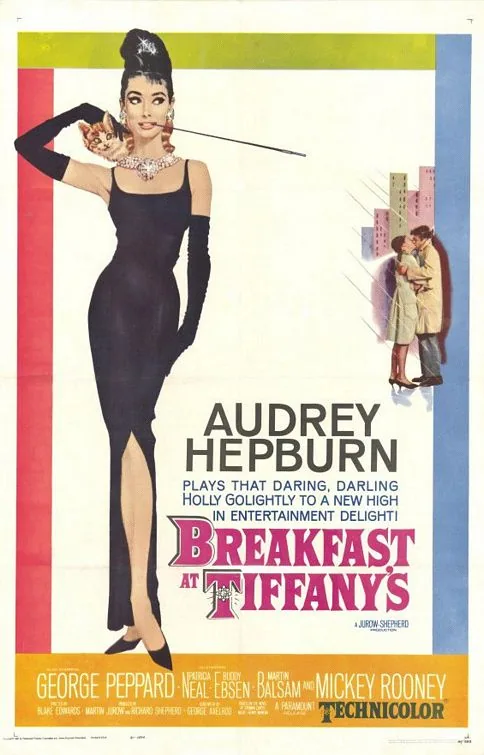
Paul, a writer with his own wealthy patron, becomes fascinated by Holly Golightly, whose polished independence depends partly on attention and material support from men. Their closeness exposes her efforts to escape a past and social position she refuses to name, while the film gives romance a power to settle tensions it has not fully examined. Audrey Hepburn's glamour and the Manhattan fantasy coexist with paid dependence and the racist caricature of Mr. Yunioshi. Acknowledging that image does not require erasing the film's influence or presenting it without context. Holly's cat and the 'mean reds' reveal how much of her freedom is still unsettled.
Both share literary adaptation, plus themes of power.
Why this matches +
Genres: Drama / Erotic drama
Shared film traits
Based on recorded story, mood and style. Your preferences can change the order.
Romance and intimacy · Power and authority
What changes The Last Tycoon is tagged wistful and polished; Story of O is tagged provocative and restrained.
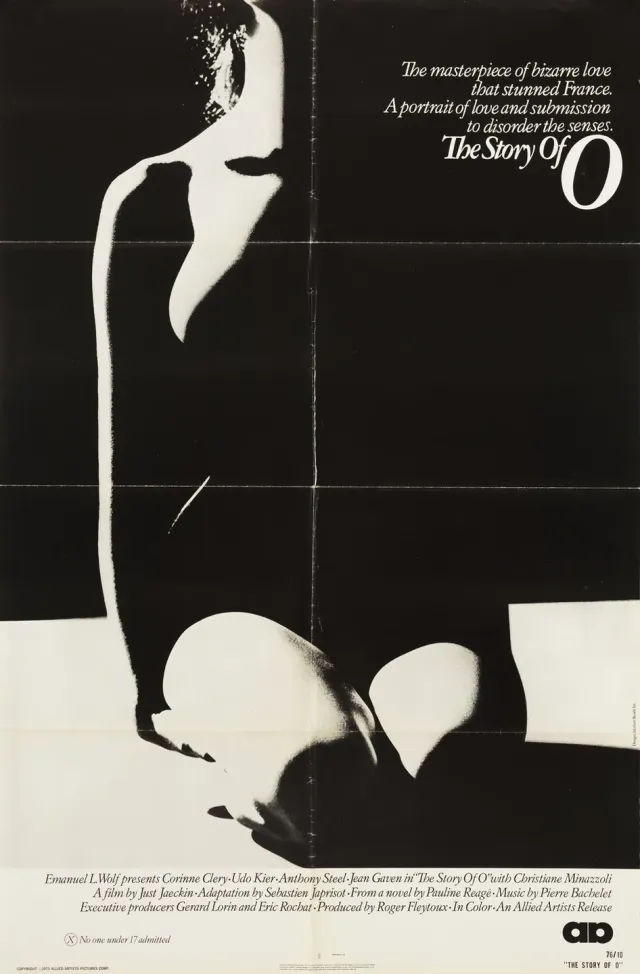
Fashion photographer O is taken by her lover René to Château Roissy, where an organized circle subjects her to rituals of sexual control. As René's older half-brother Sir Stephen assumes authority, O is pushed to distinguish obedience from affection while trying to retain a sense of self. Her encounters with Jacqueline and the women at Anne-Marie's country house broaden the film's closed study of desire, hierarchy and agency.
Based on recorded story, mood and style. Your preferences can change the order.
Work and ambition · Romance and intimacy
What changes The Last Tycoon: measured, dialogue-driven and reflective. Empire of Light: measured, character-led, lyrical and episodic.
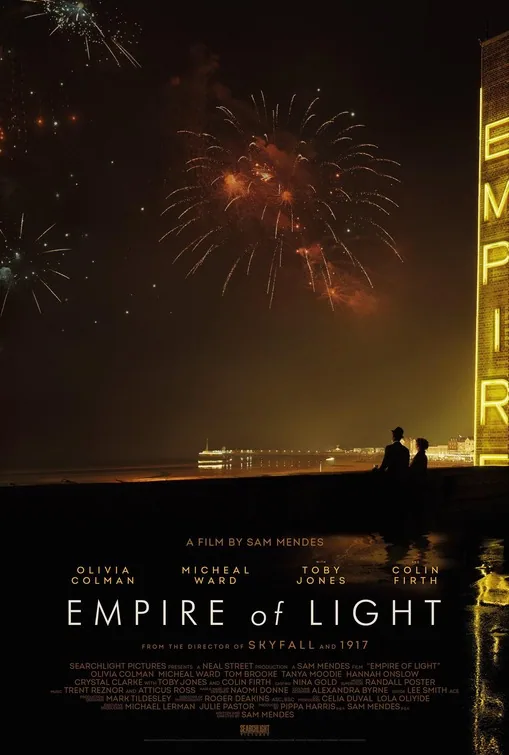
Hilary manages a fading seaside cinema in 1980s Margate, where the daily routine is shaped by a domineering manager and by her own mental health struggles. New employee Stephen joins the staff, and the two develop a relationship amid racism, loneliness and a changing political climate. The old picture house becomes both a workplace and a refuge, giving Sam Mendes’s drama a setting where private lives, collective entertainment and the decline of a local institution meet.
Based on recorded story, mood and style. Your preferences can change the order.
Work and ambition · Social hierarchy
What changes The Last Tycoon is tagged wistful and polished; The Day of the Locust is tagged unsettling and bleak.
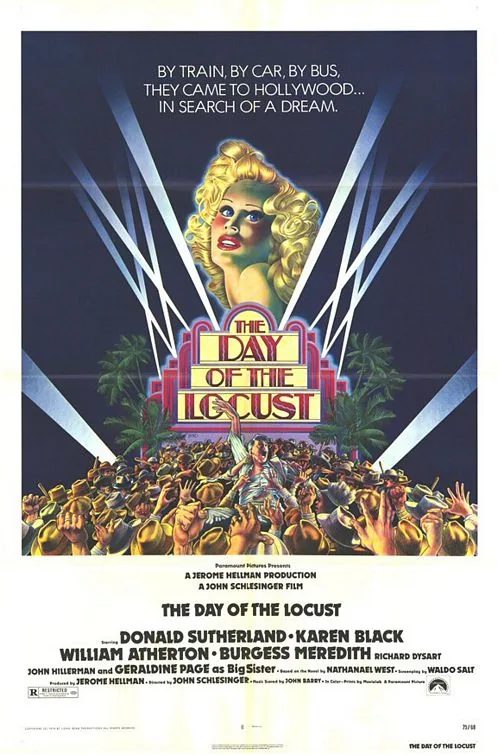
Tod Hackett arrives in 1930s Hollywood to work as a studio artist and becomes entangled with a group of people living at the margins of the film business. His attention turns toward aspiring actress Faye Greener, her former vaudeville father and neighbors whose hopes of recognition have curdled into dependence and resentment. As Tod’s interest deepens, the surrounding community’s private disappointments gather into a volatile public mood.
Based on recorded story, mood and style. Your preferences can change the order.
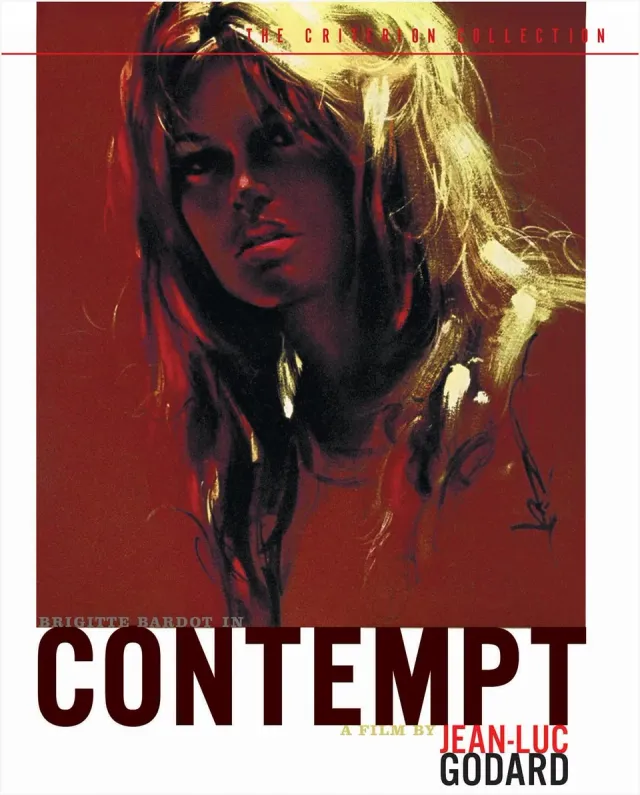
What changes The Last Tycoon: measured, dialogue-driven and reflective. Contempt: slow burn.
Screenwriter Paul Javal is hired to revise a film of The Odyssey by an American producer working with director Fritz Lang. During the production, Paul's wife Camille becomes convinced that he has offered her to the producer for professional gain, while Paul insists his conduct means something else. Godard keeps the decisive exchange open enough that motive remains contested. The film-within-a-film makes that marital rupture part of a broader struggle over commercial compromise, cinema and the difficulty of reading another person's actions with certainty. Long scenes in Paul's apartment let the marital rupture unfold before the movie set takes over.
Based on recorded story, mood and style. Your preferences can change the order.
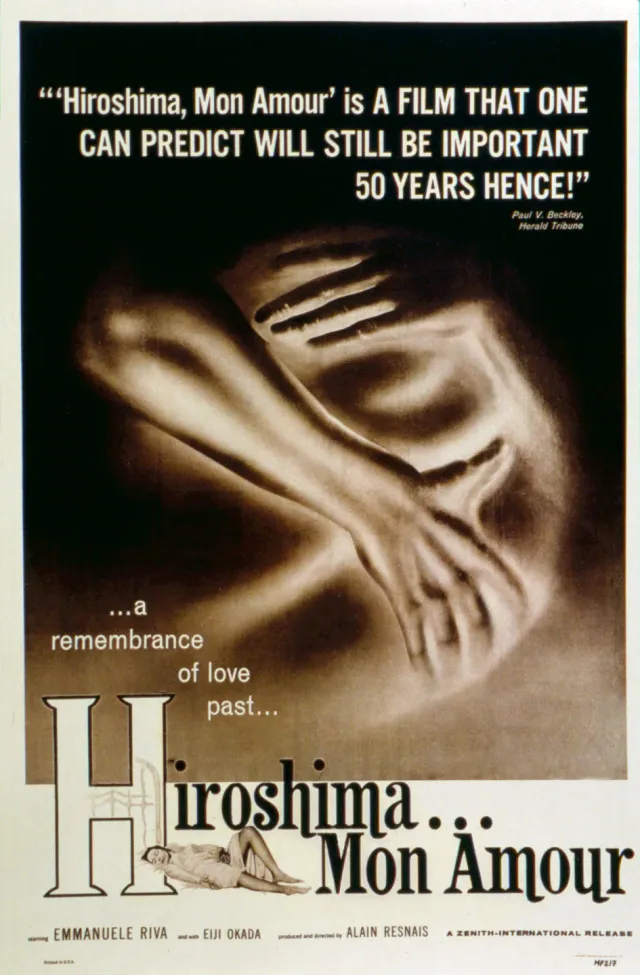
What changes The Last Tycoon is tagged wistful and polished; Hiroshima mon amour is tagged intimate and melancholy.
A French actress and a Japanese architect begin an affair in postwar Hiroshima, where her film work about peace does not grant her full access to the city’s history. Their conversations open onto her earlier love affair in occupied Nevers and the punishment that followed its loss. Repetition, fragmented images and documentary traces let one memory interrupt another without making the woman’s private suffering equivalent to the atomic bombing. The architect can ask her to remember, but cannot turn memory into shared ownership. The film’s formal argument lies in that unfinished encounter between personal recollection, public catastrophe and the limits of witnessing.
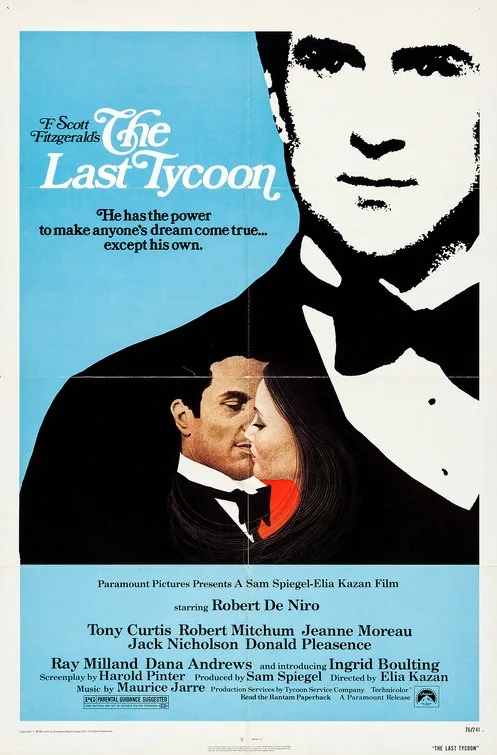
In 1930s Hollywood, studio production chief Monroe Stahr balances scripts, stars, labor trouble and the expectations of studio head Pat Brady. After a flood damages a soundstage, he glimpses Kathleen Moore, a young woman who unsettles his disciplined professional life. Their attraction grows as Stahr tries to preserve his influence and make films on his own terms, while studio politics, a threatened writers' strike and his own frailty complicate the relationship.
What drives the story
Stahr navigates studio demands and a fragile romance while trying to shape the films and workplace he controls.
The people at its centre
Stahr's professional authority contrasts with his private vulnerability; Kathleen, Pat Brady and studio colleagues reveal competing forms of influence.
What it feels like
The film offers a reflective view of studio life, with romance and creative decisions unfolding against large production machinery.
Worth knowing
Rather than a complete history of Hollywood, it is a fragmented portrait of an executive facing creative compromise and personal loss.
AmbitionCreative controlRomance
Mood
Wistful · Polished · Melancholic
Pacing
Measured · Dialogue-driven · Reflective
Visual style
Opulent · Behind-the-scenes · Period detail · Studio spectacle
Storytelling
Literary adaptation · Workplace drama · Romantic drama · Hollywood portrait