Explore films connected to The Day of the Locust through Ambition, Disillusionment, Social exclusion. Choose the qualities you want to carry into your next watch.
What should feel similar?
Find your next favourite
9 films · Closest overall matches
Hide films you’ve seen or don’t want. Saved on this device.
No matches for this combination yet.
Try another option or reset your choices to see more films.
Both share a character study, plus themes of ambition and fame.
Why this matches +
Genres: Drama / Comedy
Shared film traits
Based on recorded story, mood and style. Your preferences can change the order.
Expect unsettling and humorous, with measured pacing.
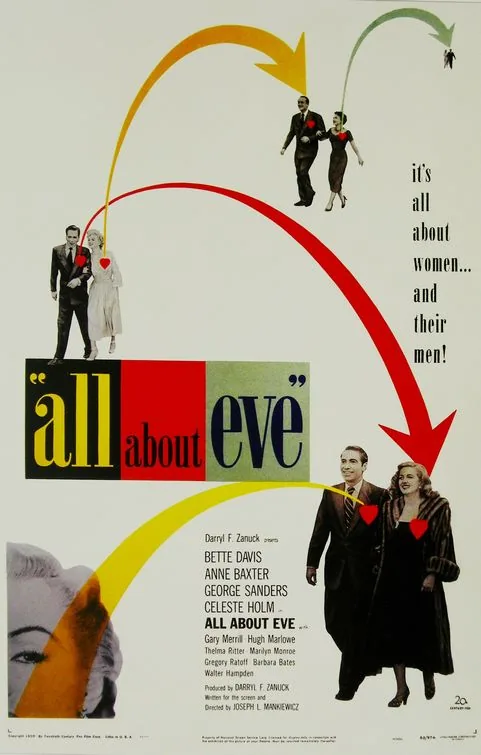
A theatre star takes an apparently devoted admirer into her professional and private circle, interpreting the newcomer's vulnerability as evidence of sincerity. Access to the household and backstage world gives the younger woman opportunities to make herself indispensable. As colleagues and friends begin responding to different versions of her story, generosity becomes difficult to distinguish from the granting of power to someone skilled at presenting ambition as service.
Based on recorded story, mood and style. Your preferences can change the order.
Work and ambition · Memory and identity
What changes The Day of the Locust: measured, uneasy and escalating. The Last Showgirl: measured, character-led and reflective.
Shelly has performed for decades in a Las Vegas revue that is about to close, leaving her to face a sudden end to the work that has organized her life. She tries to find another place in a changing entertainment city while reconnecting with her estranged daughter and relying on younger performers. The drama follows a woman negotiating aging, labor and self-worth when a familiar stage no longer guarantees a future.
Based on recorded story, mood and style. Your preferences can change the order.
Work and ambition · Social hierarchy
What changes The Day of the Locust is tagged unsettling and bleak; The Last Tycoon is tagged wistful and polished.
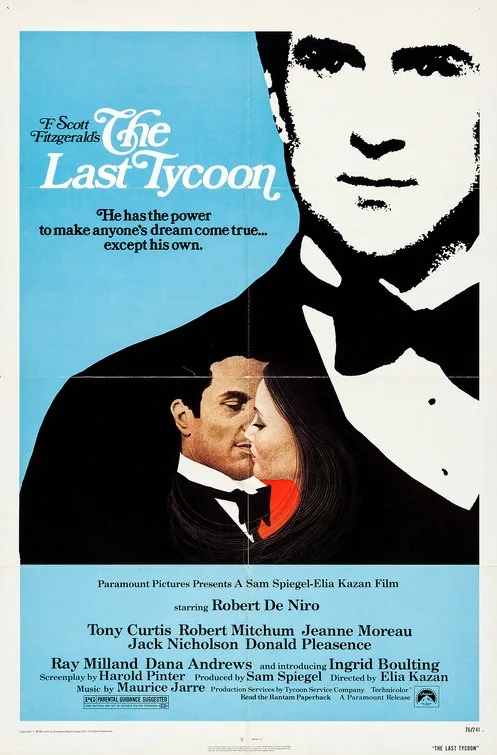
In 1930s Hollywood, studio production chief Monroe Stahr balances scripts, stars, labor trouble and the expectations of studio head Pat Brady. After a flood damages a soundstage, he glimpses Kathleen Moore, a young woman who unsettles his disciplined professional life. Their attraction grows as Stahr tries to preserve his influence and make films on his own terms, while studio politics, a threatened writers' strike and his own frailty complicate the relationship.
Based on recorded story, mood and style. Your preferences can change the order.
Memory and identity
What changes The Day of the Locust: measured, uneasy and escalating. Blonde: fragmented and intense.
The film follows a fictionalized version of Marilyn Monroe's life, moving through childhood trauma, Hollywood work, relationships and the pressures of celebrity. Rather than presenting a conventional chronological biography, Andrew Dominik's adaptation centers on the instability between public image and private experience. Ana de Armas leads a formally stylized drama that depicts the costs of a persona shaped and consumed by others.
Based on recorded story, mood and style. Your preferences can change the order.
Memory and identity
What changes The Day of the Locust is tagged unsettling and bleak; A Single Man is tagged elegant and melancholic.
In 1960s Los Angeles, a British professor is grieving the sudden death of his partner and tries to move through one day while deciding whether he can continue living alone. Encounters with a friend, a student and strangers alter the emotional texture of that day without undoing his loss. The film turns clothing, color and routine into close expressions of grief, loneliness and the fragile possibility of renewed attention.
Both share a character study, plus themes of disillusionment and fame.
Why this matches +
Genres: Drama / Flashback
Shared film traits
Based on recorded story, mood and style. Your preferences can change the order.
Expect bleak and mysterious, with measured pacing.
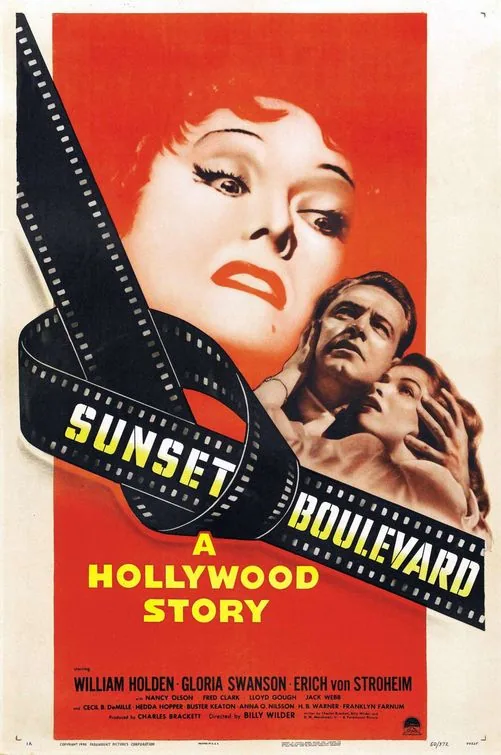
A struggling Hollywood screenwriter takes refuge in the mansion of a former silent-film star who believes her return to prominence is imminent. Agreeing to revise her screenplay gives him financial security at the cost of increasing dependence on her emotional demands and carefully maintained illusions. As another professional relationship offers creative and romantic possibility, the arrangement turns into a contest over control, humiliation and the refusal to accept time's passage.
Based on recorded story, mood and style. Your preferences can change the order.
Memory and identity
What changes The Day of the Locust is tagged unsettling and bleak; Julia is tagged reflective and somber.
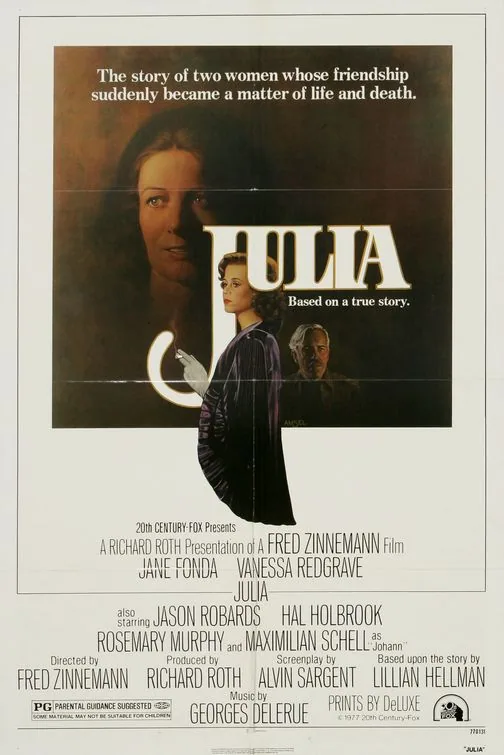
Playwright Lillian Hellman recalls her close friend Julia, whose anti-fascist work takes her into danger in Europe. In the film, Julia asks Hellman to carry money through Nazi Germany, a mission performed with limited information and little control over its outcome. Hellman’s earlier dependence on the older friend gives the journey emotional weight, but the brief reunion cannot restore their former intimacy or verify what became of Julia. The story is adapted from Hellman’s memoir Pentimento, whose account was challenged after publication; Muriel Gardiner said she recognized her own life in Julia, while Hellman denied that identification. The film’s elegant suspense therefore sits inside an unresolved question of memory and source identity, not a fully verified biography of a resistance courier.
Based on recorded story, mood and style. Your preferences can change the order.
Work and ambition · Memory and identity
What changes The Day of the Locust: measured, uneasy and escalating. Gods and Monsters: sittings and conversations deepen the connection and while whale’s memories and worsening health place new strain on it.
Retired filmmaker James Whale lives with his devoted housekeeper, Hanna, while coping with the effects of several strokes and memories of earlier losses. He befriends Clayton Boone, a young gardener who agrees to pose for his drawings, and the two build a wary connection across differences in age, class and experience. Whale’s stories about his past and his frankness about desire unsettle Boone, while declining health and depression make the friendship harder to navigate. Their conversations bring together Hollywood memory, loneliness and the need to be seen by another person.
Based on recorded story, mood and style. Your preferences can change the order.
Work and ambition · Memory and identity
What changes The Day of the Locust: measured, uneasy and escalating. Yi Yi: interwoven stories follow each family member as separate events reveal overlapping questions about life and perspective.
Over the course of a year in Taipei, the middle-class Jian family faces a wedding, a grandmother’s stroke, business troubles and the strains of ordinary family life. Father NJ reconnects with a former love while negotiating a new business deal; his wife Min-Min leaves for a Buddhist retreat; daughter Ting-Ting navigates adolescent relationships; and young Yang-Yang observes the adults with unusual curiosity. Each family member sees only part of the whole, and the film follows how private choices ripple through the household and its wider community.
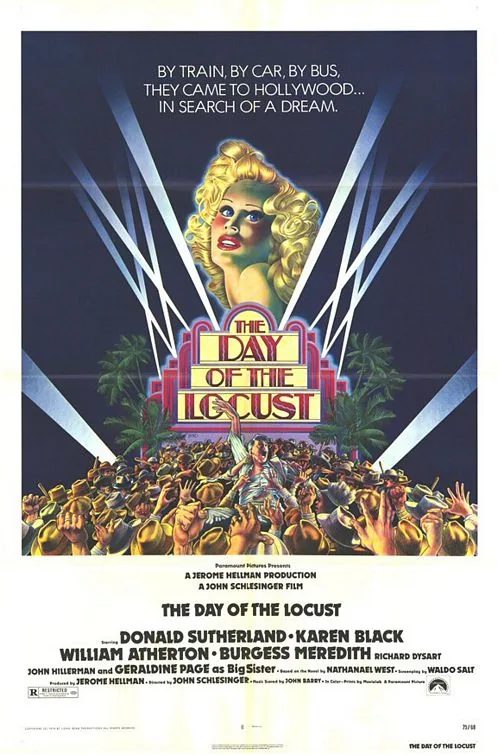
Tod Hackett arrives in 1930s Hollywood to work as a studio artist and becomes entangled with a group of people living at the margins of the film business. His attention turns toward aspiring actress Faye Greener, her former vaudeville father and neighbors whose hopes of recognition have curdled into dependence and resentment. As Tod’s interest deepens, the surrounding community’s private disappointments gather into a volatile public mood.
What drives the story
A studio artist’s arrival in Hollywood draws him into the lives of aspiring performers and neighbors who have been pushed to the edges of the entertainment economy.
The people at its centre
Tod’s attraction to Faye and his fascination with the people around her blur observation and participation, while each character pursues a different version of recognition.
What it feels like
The film moves from shabby domestic spaces to Hollywood spectacle with a mounting sense of unease, making disappointment feel like a social condition.
Worth knowing
It is an anti-glamour portrait of the dream factory, closer to a study of exclusion and frustrated desire than a story about making it in show business.
AmbitionDisillusionmentSocial exclusion
Mood
Unsettling · Bleak · Satirical
Pacing
Measured · Uneasy · Escalating
Visual style
Surreal · Grounded · Period detail · Expressionistic
Storytelling
Character study · Social commentary · Hollywood outsiders · Psychological unraveling