Both share themes of grief, plus a suspenseful atmosphere.
Why this matches +
Genres: Drama / Thriller
Shared film traits
Based on recorded story, mood and style. Your preferences can change the order.
Survival · Mental health
What changes The Night Eats the World: slow character focus, survival routines and bursts of danger. The Good Son: domestic unease grows through incidents until a final confrontation tests the adults’ judgment.
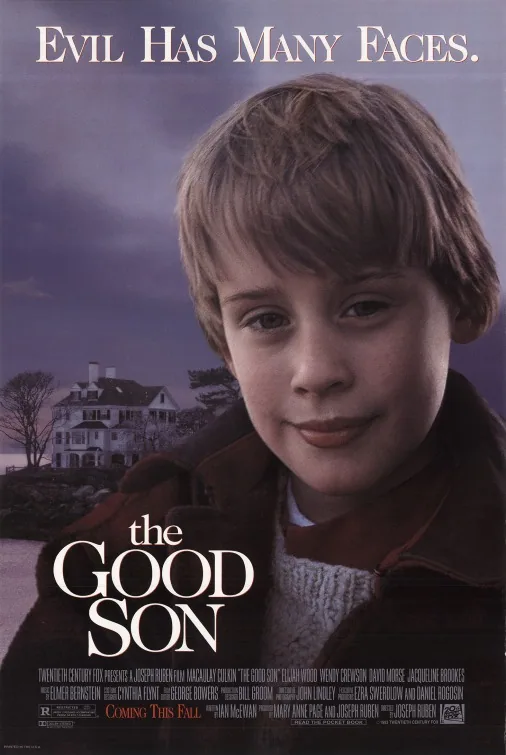
After his mother’s death, ten-year-old Mark Evans is sent to stay with relatives in Maine while his father travels for work. Mark initially bonds with his cousin Henry, but becomes alarmed by the boy’s fascination with violence and a series of dangerous incidents. Henry threatens him when Mark tries to warn the adults, who are grieving another child and struggle to accept what is happening. When Henry’s actions endanger his younger sister Connie, Mark must decide whom to trust and act quickly to protect her. The thriller turns a family visit into a test of belief and courage.
Based on recorded story, mood and style. Your preferences can change the order.
Survival
What changes The Night Eats the World: slow character focus, survival routines and bursts of danger. The Lost Boys: brisk and escalating.
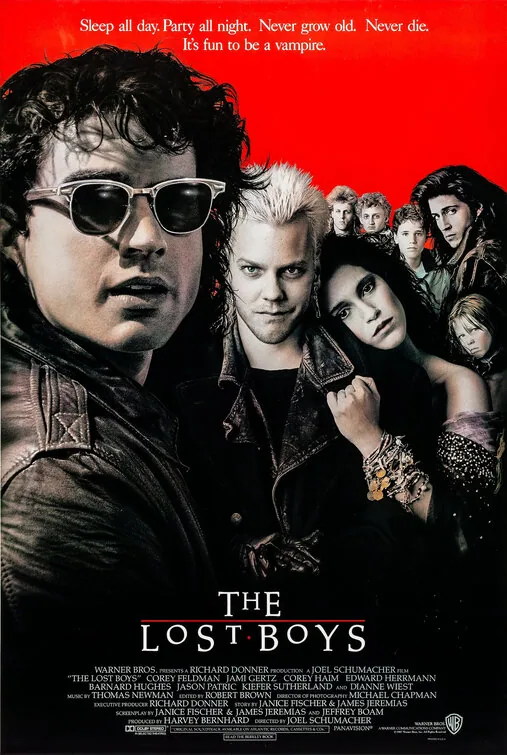
After moving with their mother to the California coast, brothers Michael and Sam encounter very different sides of Santa Carla. Michael is drawn toward a charismatic biker gang led by David, while Sam finds allies in comic-shop workers Edgar and Alan, who believe the town's disappearances point to vampires. Their separate discoveries converge into a fight to protect the family, mixing teen alienation, horror and rock-club style in a setting that treats the boardwalk as both playground and danger zone.
Based on recorded story, mood and style. Your preferences can change the order.
Survival · Escape and pursuit
What changes The Night Eats the World: slow character focus, survival routines and bursts of danger. #Alive: solitary survival opening, parallel apartment tension and rooftop rescue climax.
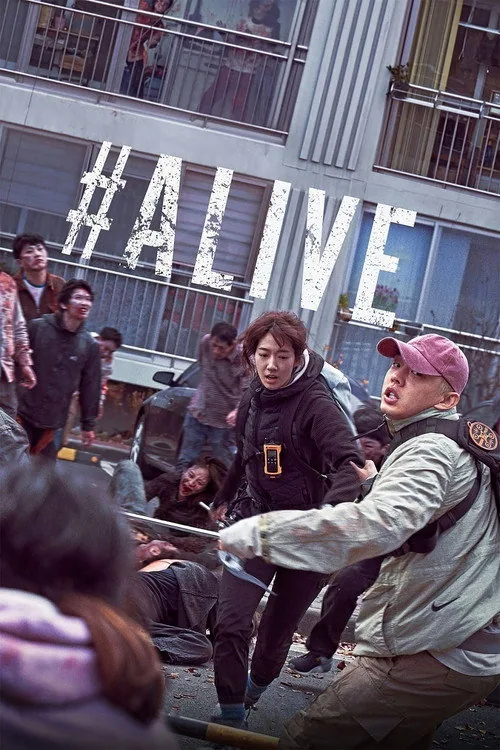
When a zombie outbreak overwhelms Seoul, video-game player Oh Joon-woo is trapped alone in his family's apartment as phones and utilities begin to fail. He uses a drone and social media to assess the streets, then discovers another survivor, Kim Yoo-bin, in a nearby building. The pair coordinate across balconies and hallways while rationing food, avoiding the infected, and resisting despair. This Korean survival thriller turns a familiar apartment block into a vertical maze and treats digital connection as both a practical tool and an emotional lifeline.
Based on recorded story, mood and style. Your preferences can change the order.
Survival · Escape and pursuit
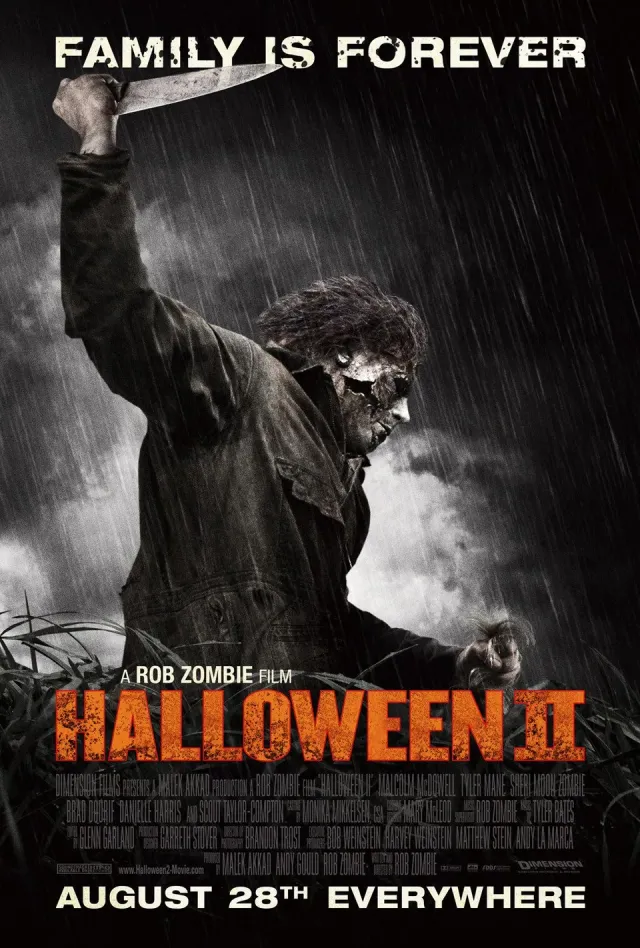
What changes The Night Eats the World: slow character focus, survival routines and bursts of danger. Halloween II: relentless and fragmented.
After the events of the previous film, Laurie struggles with trauma while Michael Myers continues to pursue her and those around her. The story moves through a bleak Midwestern town and revisits the franchise’s family connection, placing psychological aftermath beside slasher pursuit. Rob Zombie’s sequel emphasizes abrasive imagery and raw distress, making the experience less about a puzzle of identity than about survivors living under the continuation of violence.
Based on recorded story, mood and style. Your preferences can change the order.
Survival · Mental health
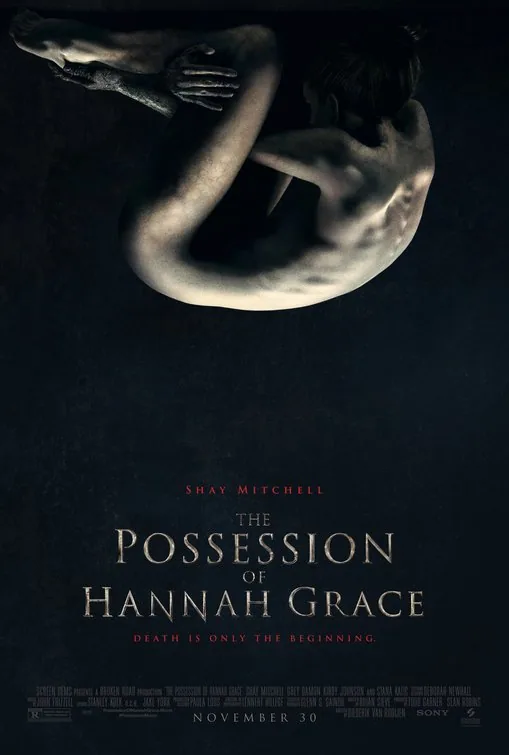
What changes The Night Eats the World: slow character focus, survival routines and bursts of danger. The Possession of Hannah Grace: slow-burn setup, after-hours escalation and survival climax.
After an exorcism leaves Hannah Grace dead, her body is brought to a Boston hospital morgue where former police officer Megan Reed works the overnight shift while trying to maintain recovery from painkiller addiction. Equipment failures, unexplained marks, and attacks in the building make Megan suspect that the demon associated with Hannah has not left. Trapped among locked rooms and refrigerated drawers, she must identify the threat before the shift ends.
Based on recorded story, mood and style. Your preferences can change the order.
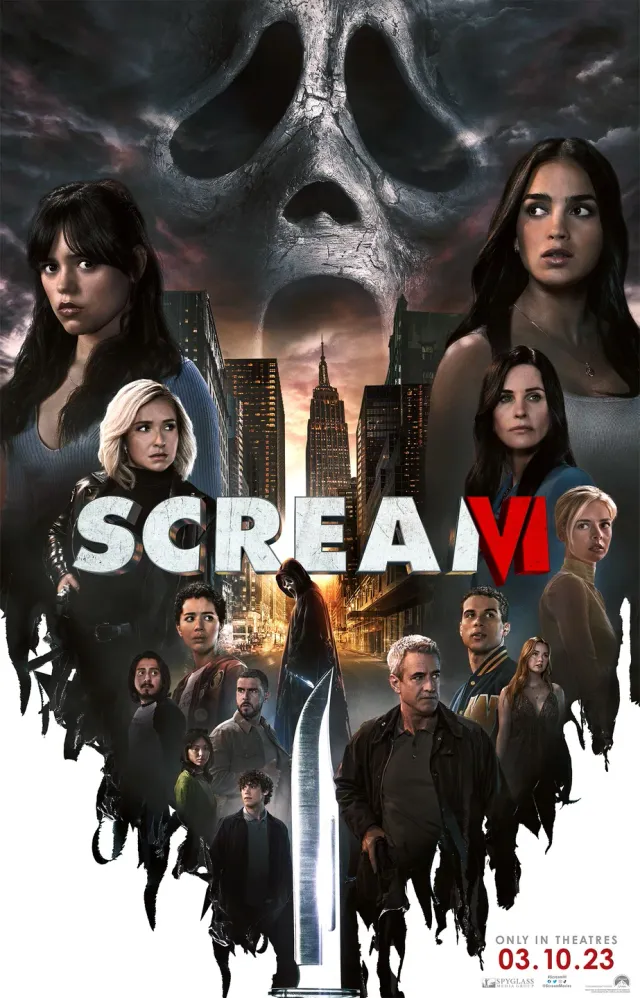
What changes The Night Eats the World: slow character focus, survival routines and bursts of danger. Scream VI: rapid, ensemble-driven and reversal-heavy.
After surviving the Woodsboro killings, sisters Sam and Tara Carpenter try to build new lives in New York, where Sam faces online accusations that she was behind the previous murders. Ghostface attacks the survivors and leaves masks tied to earlier cases, while the friends debate horror-franchise rules and who can still be trusted. An abandoned theater filled with evidence turns the series’ history into a shrine; Detective Wayne Bailey and his children reveal their connection to Richie and a revenge motive. Sam and Tara’s fight to survive also becomes a negotiation over how much protection should cost Tara her independence.
Based on recorded story, mood and style. Your preferences can change the order.
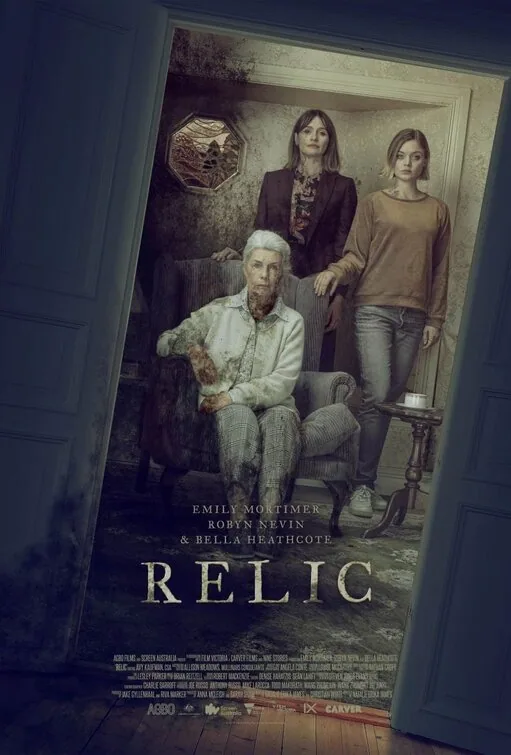
What changes The Night Eats the World: slow character focus, survival routines and bursts of danger. Relic: slow-building, disorienting and claustrophobic.
When elderly Edna disappears from her remote home, her daughter Kay and granddaughter Sam return to search for her. The house is locked from the inside, and dark mold begins to spread while Edna leaves increasingly confused notes around the rooms. After Edna returns, Kay considers moving her into care, but the family’s efforts to understand her condition become entangled with strange sounds, shifting corridors and an apparent physical decay in the house. Sam’s experience of the place grows more disorienting, while Kay must decide whether to leave or stay with the mother whose illness frightens and exhausts her.
Based on recorded story, mood and style. Your preferences can change the order.
Mental health · Family and care
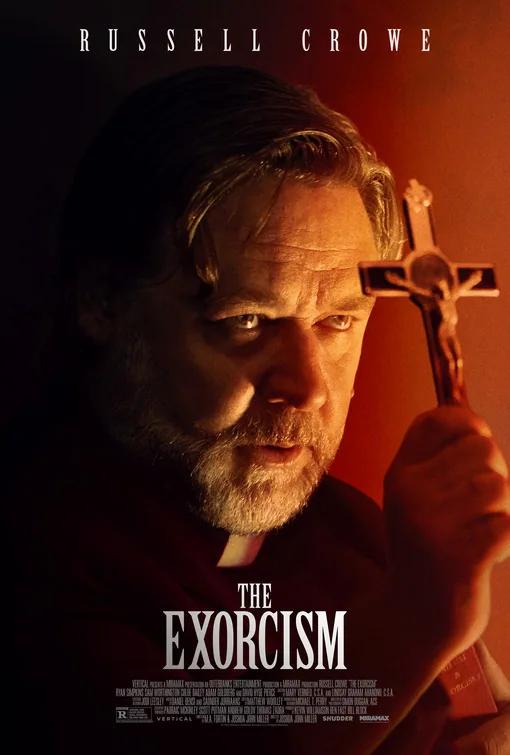
What changes The Night Eats the World: slow character focus, survival routines and bursts of danger. The Exorcism: gradual, escalating and interior-focused.
Actor Anthony Miller returns to work on a supernatural film while trying to maintain recovery from addiction and repair his strained family life. His daughter Lee notices that the production seems to worsen his behavior and suspects something more than the pressures of a difficult role. She tries to determine whether the danger is psychological, supernatural or bound to Anthony's unresolved past, as the film-within-the-film blurs with the family's fears.
Based on recorded story, mood and style. Your preferences can change the order.
What changes The Night Eats the World: slow character focus, survival routines and bursts of danger. Under the Silver Lake: episodic investigation, dreamlike detours and open-ended mystery progression.
Sam, an aimless Los Angeles resident, becomes fascinated by his neighbor Sarah shortly before she disappears from her apartment without explanation. He follows symbols and rumors across the city, convinced they connect to a hidden system behind celebrity culture, music, and local power. Each clue opens another layer of possible meaning while making Sam's own reliability less certain. David Robert Mitchell's neo-noir mystery turns urban wandering into a surreal search for patterns, mixing conspiracy, dark comedy, and pop-cultural puzzles without promising that every mystery has a stable solution.
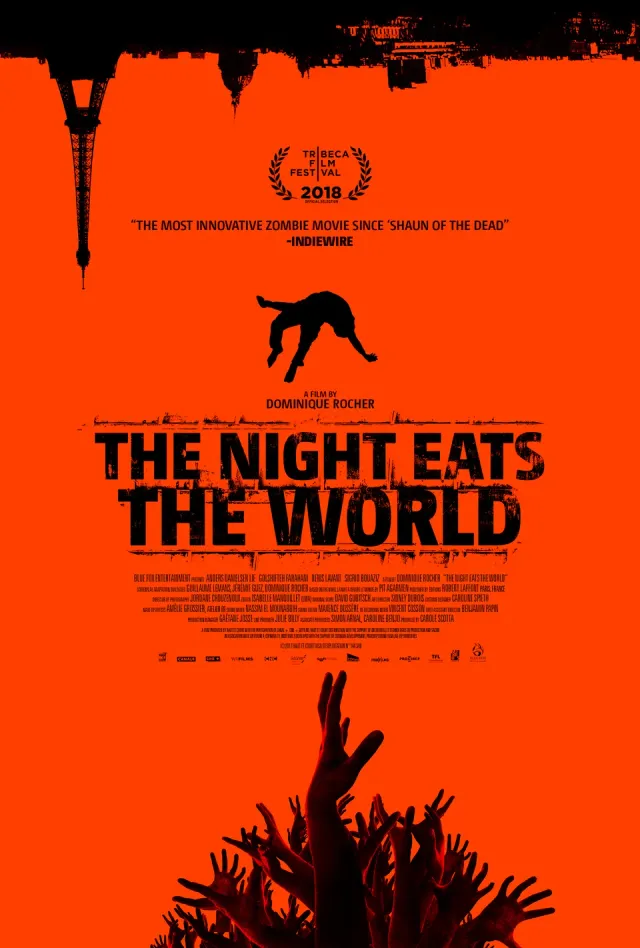
Sam, a musician living in Paris, attends a party at his former girlfriend Fanny’s apartment and falls asleep in a back room. He wakes to find the building wrecked and the city overrun by fast-moving, sound-sensitive zombies. Sam fortifies the apartment and turns it into a shelter, developing routines for food, defense, and keeping the outside world at a distance. Isolation starts to reshape his judgment, until unexpected contact forces him to reconsider how long he can survive alone.
What drives the story
Sam attempts to make an apartment into a long-term shelter after a silent zombie outbreak empties Paris.
The people at its centre
His isolation gives way to fragile connections that challenge his belief that remaining alone is safest.
What it feels like
A restrained outbreak film uses domestic routines and empty city views to explore the psychological cost of isolation.
Worth knowing
It concentrates on one survivor’s solitude and adaptation in a city, rather than a travelling group’s outbreak campaign.
isolationadaptationgrief
Mood
quietly bleak · suspenseful · lonely · reflective
Pacing
slow character focus · survival routines · bursts of danger
Visual style
empty Paris streets · confined apartment interiors · muted urban palette · silent zombie movement
Storytelling
zombie outbreak · apartment siege · solo survival · Paris in collapse