1925 · Edward Sedgwick & Lon Chaney & Rupert Julian
Runtime: 1h 47mMPA rating: Unknown
Explore films connected to The Phantom of the Opera through Obsession, Artistic ambition, Captivity. Choose the qualities you want to carry into your next watch.
What should feel similar?
Find your next favourite
9 films · Closest overall matches
Hide films you’ve seen or don’t want. Saved on this device.
No matches for this combination yet.
Try another option or reset your choices to see more films.
Based on recorded story, mood and style. Your preferences can change the order.
What changes The Phantom of the Opera: serial escalation and theatrical. The Curse of La Llorona: escalating and haunting-driven.
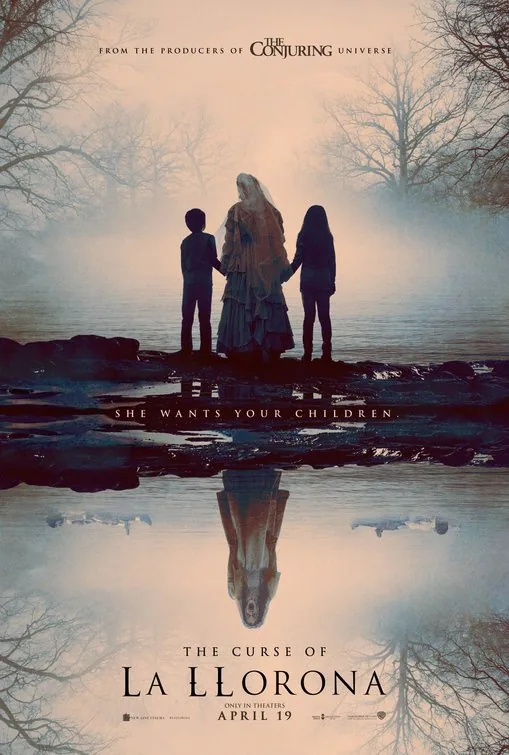
In 1970s Los Angeles, social worker Anna Tate-Garcia investigates a family whose children fear a figure associated with the weeping woman of Mexican folklore. After a supernatural attack reaches Anna's own children, she seeks help from a former priest who understands the legend. The film links a specific family crisis to an older haunting, turning domestic spaces and nighttime streets into places of escalating danger.
Based on recorded story, mood and style. Your preferences can change the order.
Escape and pursuit
What changes The Phantom of the Opera: serial escalation and theatrical. Halloween: Resurrection: relentless and set-piece driven.
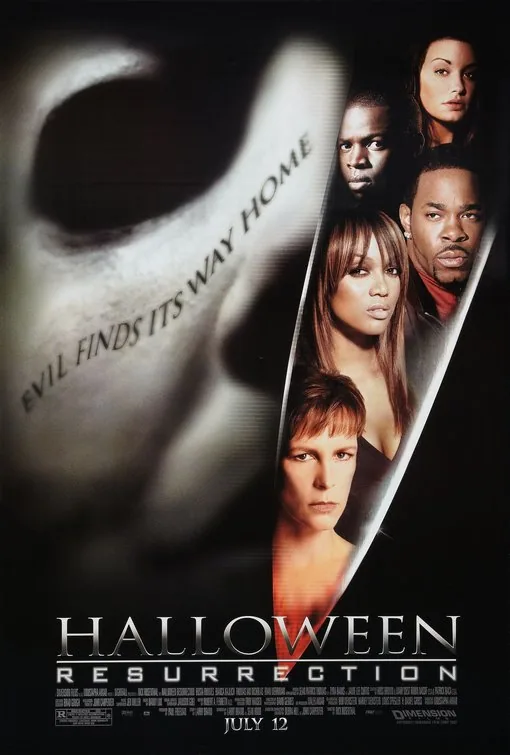
Young contestants enter the house associated with Michael Myers for a live internet horror program. When the killer returns, staged spectacle becomes a genuine fight to escape, and cameras offer no protection. This slasher sequel turns surveillance and entertainment into part of the threat, mixing franchise mythology with reality-show culture and a confined-house chase.
Based on recorded story, mood and style. Your preferences can change the order.
What changes The Phantom of the Opera: serial escalation and theatrical. The Awakening: investigation-led, gradual supernatural escalation and contained period mystery.
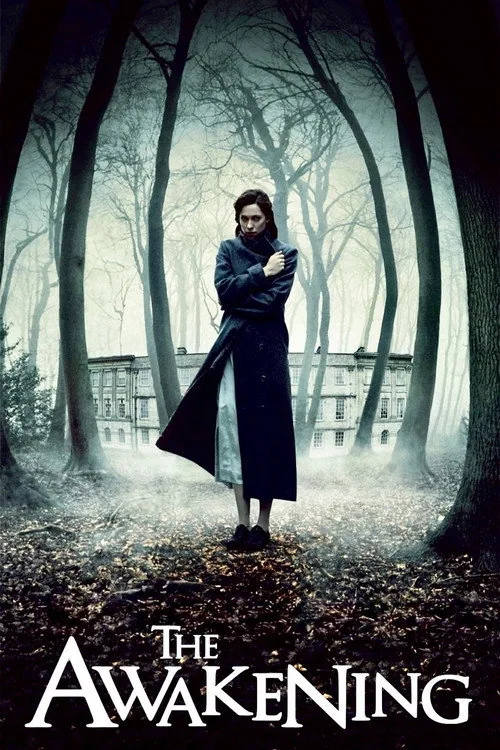
In post-First World War England, skeptical writer Florence Cathcart investigates reports of a ghost at a rural boarding school for boys. A teacher asks her to examine an alleged haunting after a student’s death, and Florence uses observation and practical tests to challenge the stories. Strange events at the school complicate her confidence as memories of the war and personal grief surface. Nick Murphy’s period ghost drama combines a contained mystery with the question of whether every haunting can be explained.
Based on recorded story, mood and style. Your preferences can change the order.
Escape and pursuit
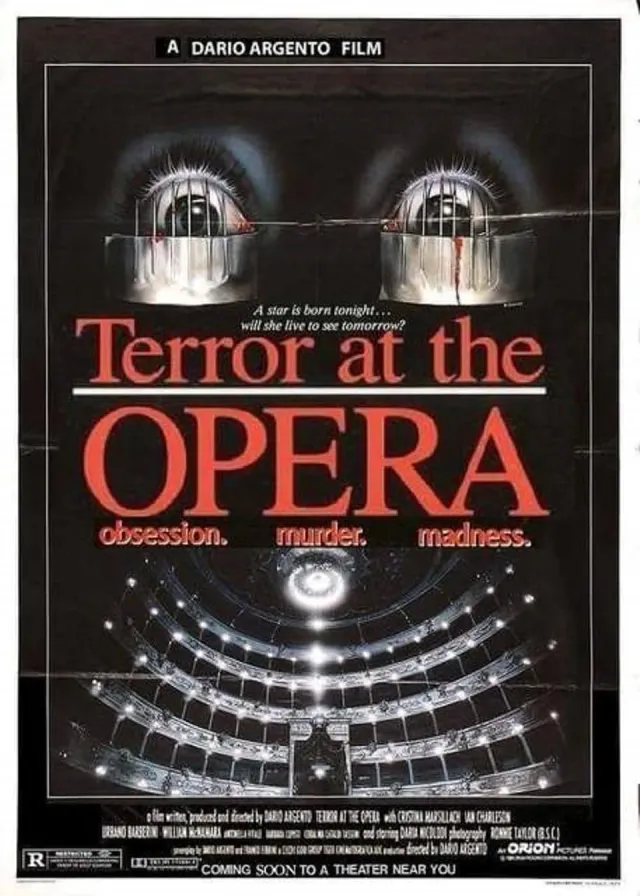
What changes The Phantom of the Opera: serial escalation and theatrical. Opera: theatrical rehearsals, murder set pieces, shifting suspicion and escalating final act.
When celebrated soprano Mara Cecova storms out of a production of Verdi’s Macbeth, understudy Betty is pushed into the role of Lady Macbeth. Betty’s successful debut is overshadowed by a series of murders inside the opera house, where a masked figure appears to target her and the people around her. The killer forces Betty to witness violence while keeping her eyes open with needles, turning the theater’s machinery and performance spaces into a trap. As police and stage workers pursue competing explanations, Betty tries to survive rehearsals, backstage encounters and the opera’s increasingly unnerving atmosphere. Dario Argento builds a giallo around the collision of spectacle, voyeurism and fear, with Verdi’s music and the ravens used as active parts of the suspense.
Based on recorded story, mood and style. Your preferences can change the order.
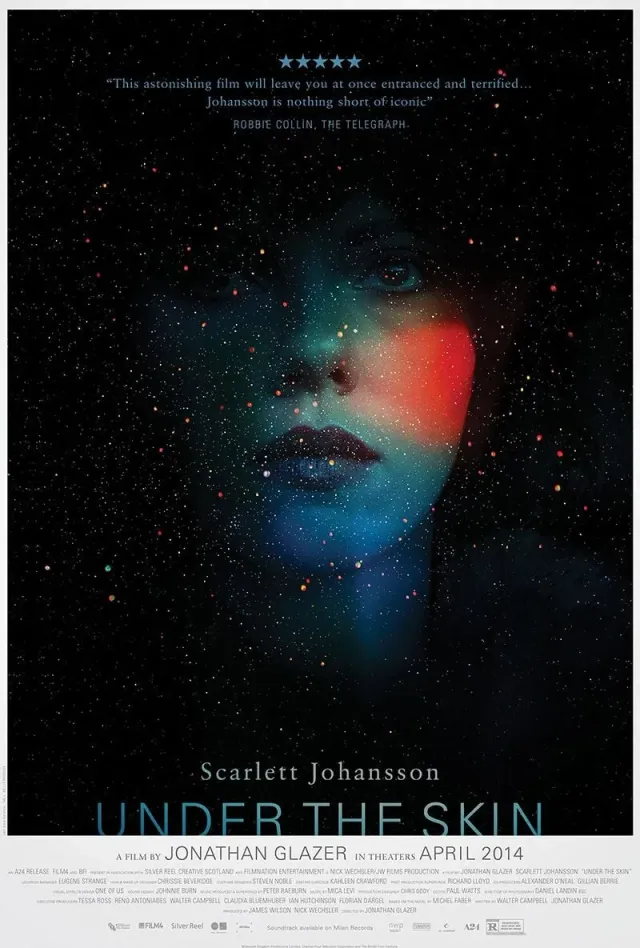
What changes The Phantom of the Opera: serial escalation and theatrical. Under the Skin: slow and observational.
An enigmatic woman drives through Scotland and approaches men who are isolated or receptive to her attention. Her encounters point toward an inhuman purpose, but the woman’s routine begins to change as she experiences vulnerability and human contact. Jonathan Glazer tells the science-fiction story through sparse dialogue, observational images and an unsettling soundscape, making perception and bodily identity more central than explanation. The result is an atmospheric, adult film that leaves many motives deliberately unresolved.
Based on recorded story, mood and style. Your preferences can change the order.
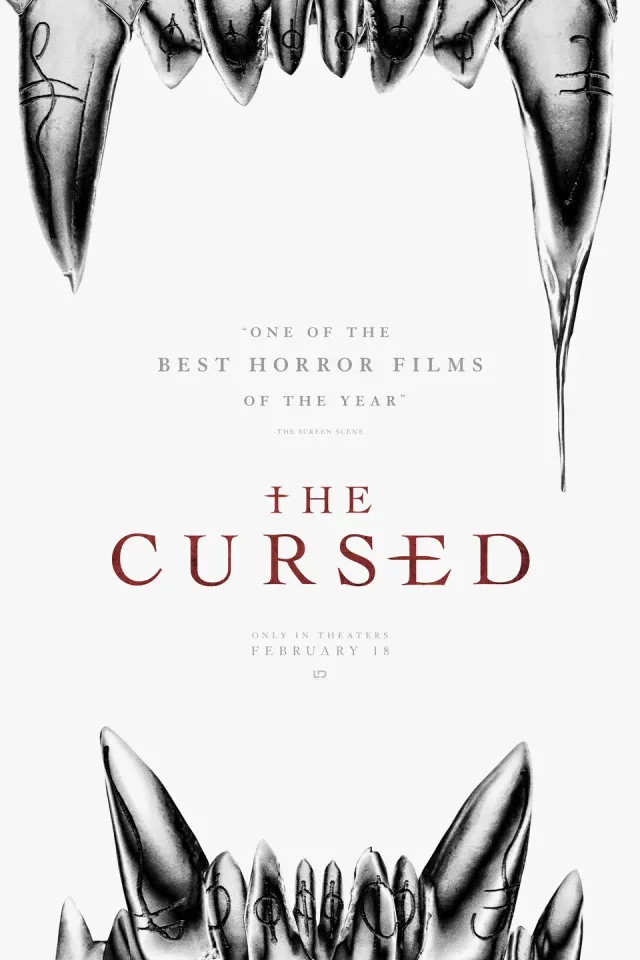
What changes The Phantom of the Opera: serial escalation and theatrical. The Cursed: slow-building, ominous, violent bursts and interwoven timelines.
In late nineteenth-century rural France, landowner Seamus Laurent orders a violent attack on a Romani community, setting off a curse that reaches into his family and the surrounding village. Decades later, a surgeon returning from the First World War encounters evidence of a supernatural threat tied to those events. The film combines gothic period drama, folklore and werewolf horror, connecting a community’s violence against outsiders to the fear that follows.
Based on recorded story, mood and style. Your preferences can change the order.
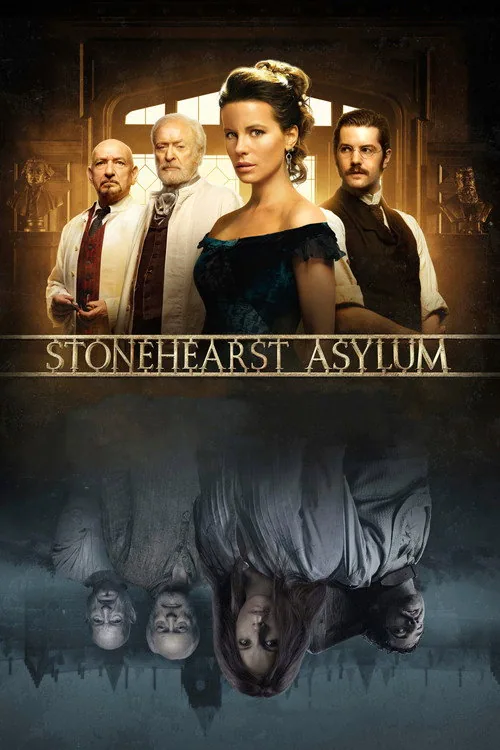
What changes The Phantom of the Opera: serial escalation and theatrical. Stonehearst Asylum: period mystery progression, gradual revelation and gothic suspense.
Young doctor Edward Newgate arrives at Stonehearst Asylum in 1899 hoping to learn from its superintendent, Dr. Lamb. The institution's unconventional methods and a patient named Eliza Graves draw him into a mystery about who holds authority inside the walls. As he becomes attached to Eliza and observes the asylum's uneasy order, his assumptions about doctors, patients, and treatment begin to shift. Inspired by Edgar Allan Poe's story, the period thriller uses Gothic interiors and reversals of power to create a tale about institutional control and the instability of sanity.
Based on recorded story, mood and style. Your preferences can change the order.
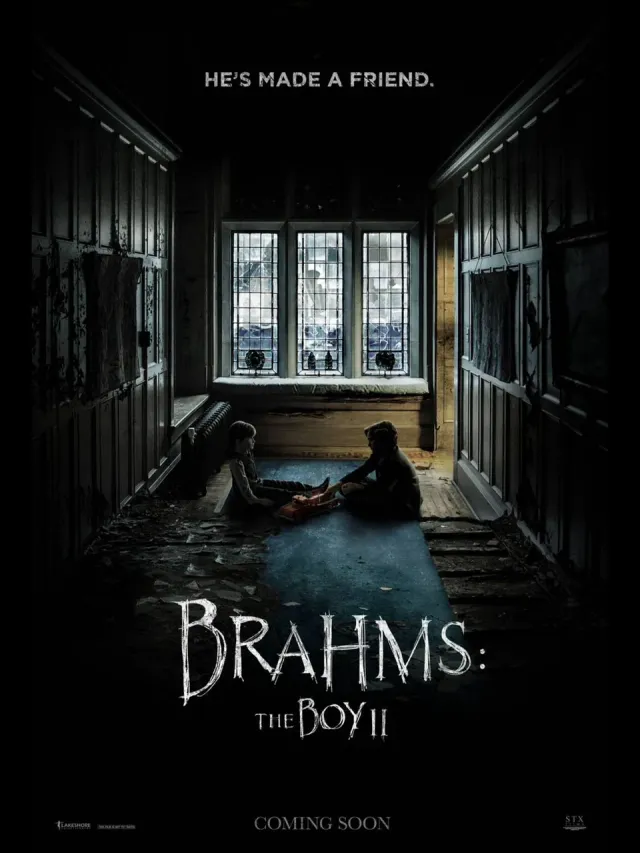
What changes The Phantom of the Opera: serial escalation and theatrical. Brahms: The Boy II: a family adjustment story becomes a slow supernatural threat.
After moving to an isolated English estate, a family begins to settle into a new life when their young son finds a lifelike doll buried nearby. The boy names it Brahms and forms an intense attachment, while his mother becomes concerned by the doll’s influence and the child’s changing behavior. The horror sequel returns to a haunted-object premise, linking parental protection with the uncertainty of what the doll represents.
Based on recorded story, mood and style. Your preferences can change the order.
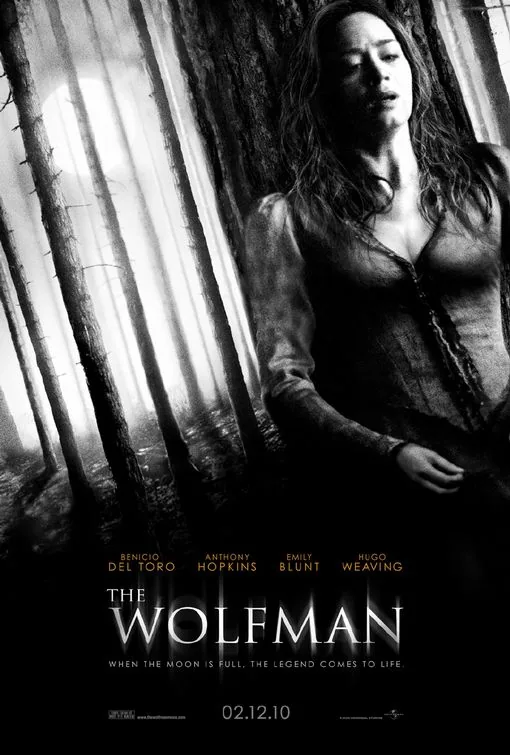
What changes The Phantom of the Opera: serial escalation and theatrical. The Wolfman: brooding and violent eruptions.
An actor returns to his family's English estate after his brother is killed and becomes involved in the search for the attacker. A wound inflicted during another assault links the investigation to frightening changes in his own body. Old family memories and official suspicion compound the threat, turning the attempted explanation of a local monster into a gothic struggle with inheritance, violence and loss of control.
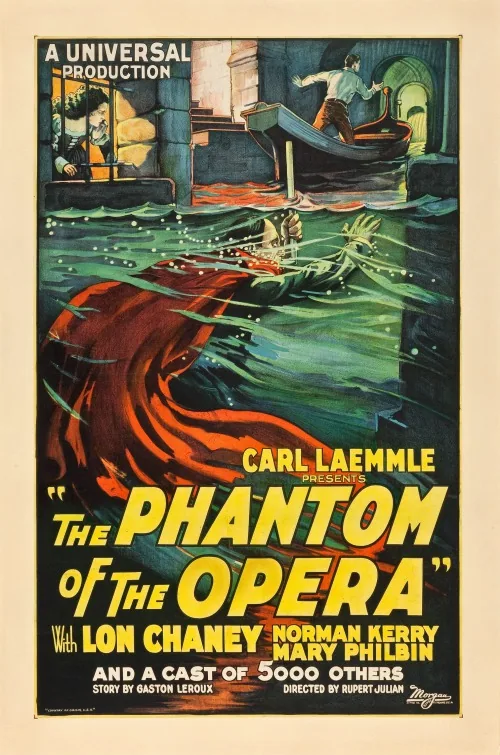
At the Paris Opera House, a masked figure known as the Phantom demands that singer Christine Daaé receive a leading role. He secretly mentors her and claims to be the Spirit of Music, while Christine's suitor Raoul dismisses her account of the mysterious voice. The Phantom, Erik, lives in hidden rooms beneath the theater and becomes enraged when Christine sees his face. His attempts to control her career and affection escalate into abduction, danger for Raoul and a pursuit through the opera's catacombs. This silent adaptation emphasizes spectacle, melodrama and the rivalry around Christine rather than the novel's full backstory. Surviving and reissued versions differ in length and sequence, so the article's 1925 general-release narrative is the reference point here.
What drives the story
A theater ghost uses threats and secret instruction to control a singer's career, then abducts her when his demand for intimacy is refused.
The people at its centre
Christine is pulled between a frightening benefactor and Raoul's protective certainty, while Erik's isolation turns artistic mentorship into possessive control.
What it feels like
Gothic sets, intertitles and Lon Chaney's make-up anchor a silent horror melodrama, with grand opera-house spectacle and abrupt shifts into underground menace.
Worth knowing
For viewers interested in silent-era horror and theatrical spectacle. It is a version-specific adaptation, distinct from later sound films and the stage musical.