Explore films connected to Opera through Performance and spectatorship, artistic ambition, surveillance. Choose the qualities you want to carry into your next watch.
What should feel similar?
Find your next favourite
9 films · Closest overall matches
Hide films you’ve seen or don’t want. Saved on this device.
No matches for this combination yet.
Try another option or reset your choices to see more films.
Based on recorded story, mood and style. Your preferences can change the order.
Music and performance
What changes Opera: theatrical rehearsals, murder set pieces, shifting suspicion and escalating final act. The Phantom of the Opera: operatic and building.
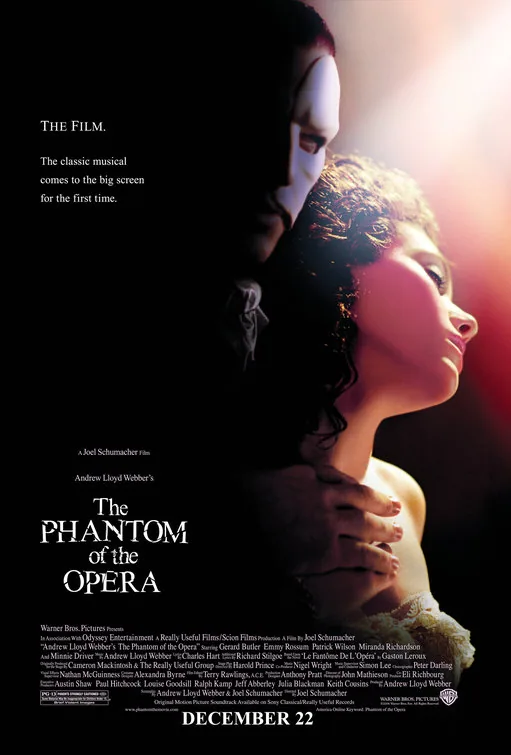
A masked composer living beneath the Paris Opera House becomes fixated on a young singer and tries to shape her career and affections. His influence pulls her into a triangle involving a childhood friend and the institution where she performs. The musical adaptation turns backstage spectacle into a story about artistic control, desire and the boundary between devotion and coercion.
Based on recorded story, mood and style. Your preferences can change the order.
Investigation
What changes Opera: theatrical rehearsals, murder set pieces, shifting suspicion and escalating final act. Watcher: slow-burn suspense, repeated visual observation and sharp climactic escalation.
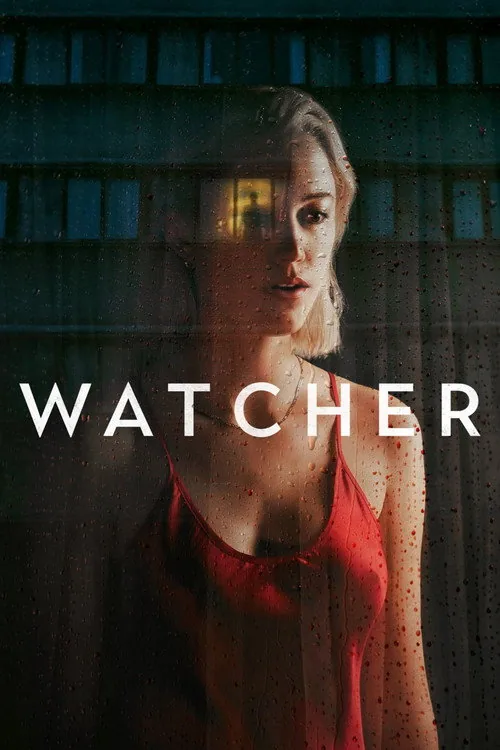
Julia moves with her husband Francis to Bucharest and struggles with isolation in a city where she does not speak the language. From her apartment window she becomes convinced that a neighboring man is watching her, just as a serial killer targets women across the city. When people around her dismiss her fear, Julia begins tracking the figure herself, and the film turns an ordinary field of view into a tense study of doubt, surveillance, and a woman's insistence on being believed.
Based on recorded story, mood and style. Your preferences can change the order.
What changes Opera: theatrical rehearsals, murder set pieces, shifting suspicion and escalating final act. Ju-On: The Grudge: short character episodes, repeated haunting escalations and nonlinear accumulation of dread.
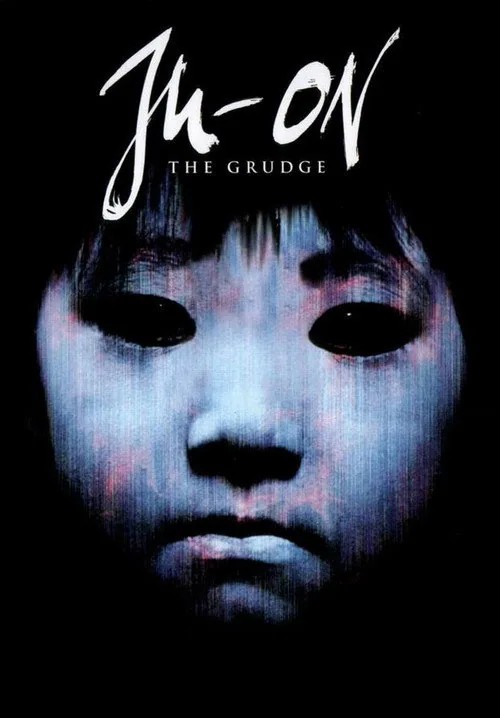
A violent family murder in Tokyo creates a curse that attaches itself to the house where the deaths occurred and follows anyone who enters. The film moves nonlinearly through connected stories of caregivers, residents, students, and investigators who encounter the ghosts Kayako and Toshio. As each victim's death expands the haunting's reach, police try to reconstruct the house's history but find that understanding the curse does not provide a way out. Its fractured sequence turns ordinary domestic spaces into a chain of recurring dread.
Based on recorded story, mood and style. Your preferences can change the order.
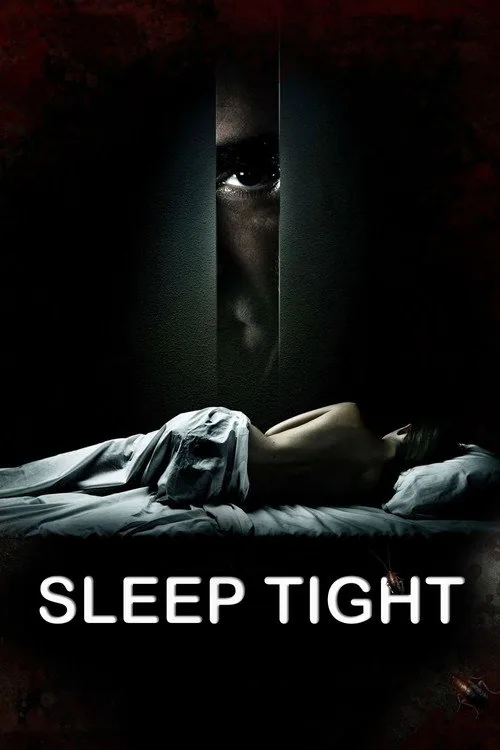
What changes Opera: theatrical rehearsals, murder set pieces, shifting suspicion and escalating final act. Sleep Tight: daily routine introduces césar's access, secret actions increase risk and obsession and discovery threatens his control.
César works as a concierge in a Barcelona apartment building and believes he cannot be happy. He secretly uses his access to manipulate tenants and focuses his attention on Clara, whose cheerfulness resists his attempts to unsettle her. César's hidden routine becomes more dangerous when Clara's boyfriend visits and a young resident begins to notice clues. The psychological thriller turns familiar apartment rituals into a private contest of control, observation, and violation.
Based on recorded story, mood and style. Your preferences can change the order.
Investigation
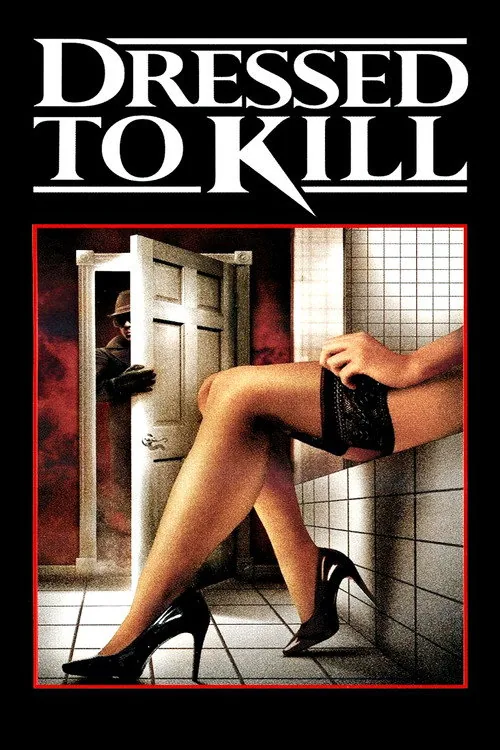
What changes Opera: theatrical rehearsals, murder set pieces, shifting suspicion and escalating final act. Dressed to Kill: slow suspense build, set-piece murder sequence and revelation-driven finale.
New York housewife Kate Miller leaves a therapy appointment and is murdered in an elevator by a blonde woman. Her son Peter and a sex worker named Liz become entangled in the search for the killer, while police psychiatrist Dr. Robert Elliott is drawn into questions about the crime. Brian De Palma uses shifting viewpoints, elaborate camera movement, and Hitchcockian suspense to turn identity and observation into part of the mystery. The thriller's stylized violence and sexual politics reflect its period and remain central to its reception.
Based on recorded story, mood and style. Your preferences can change the order.
Investigation
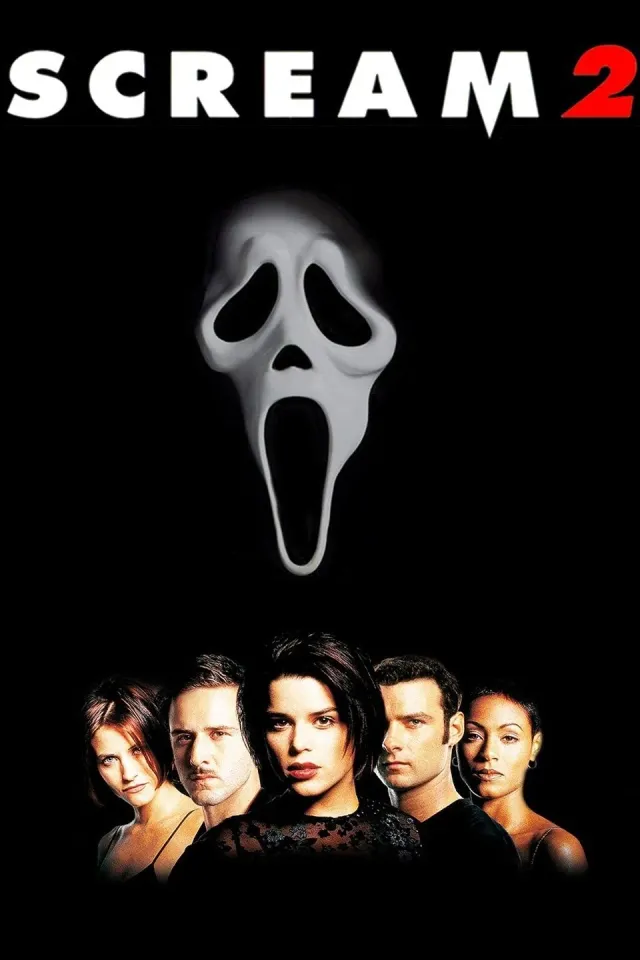
What changes Opera: theatrical rehearsals, murder set pieces, shifting suspicion and escalating final act. Scream 2: crosscut, escalating and reversal-driven.
A killer in a Ghostface costume murders two college students during a screening of Stab, the movie made from the Woodsboro killings. Sidney Prescott has moved to Windsor College, but the murders bring back Dewey and Gale and put her under renewed media attention alongside new classmates and former survivors. The campus investigation becomes a sequel-aware slasher story in which the characters debate the rules of sequels while being trapped inside one. Its killer reveal ties the new violence to the first film’s aftermath and to Sidney’s public testimony.
Based on recorded story, mood and style. Your preferences can change the order.
Escape and pursuit
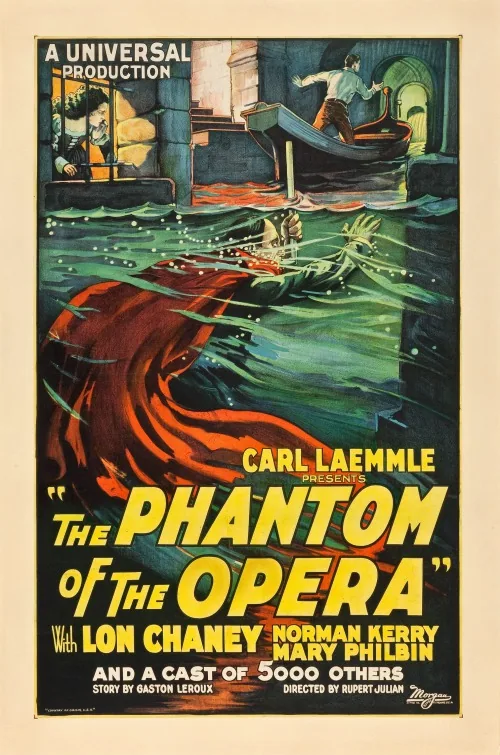
What changes Opera: theatrical rehearsals, murder set pieces, shifting suspicion and escalating final act. The Phantom of the Opera: serial escalation and theatrical.
At the Paris Opera House, a masked figure known as the Phantom demands that singer Christine Daaé receive a leading role. He secretly mentors her and claims to be the Spirit of Music, while Christine's suitor Raoul dismisses her account of the mysterious voice. The Phantom, Erik, lives in hidden rooms beneath the theater and becomes enraged when Christine sees his face. His attempts to control her career and affection escalate into abduction, danger for Raoul and a pursuit through the opera's catacombs. This silent adaptation emphasizes spectacle, melodrama and the rivalry around Christine rather than the novel's full backstory. Surviving and reissued versions differ in length and sequence, so the article's 1925 general-release narrative is the reference point here.
Based on recorded story, mood and style. Your preferences can change the order.
Investigation
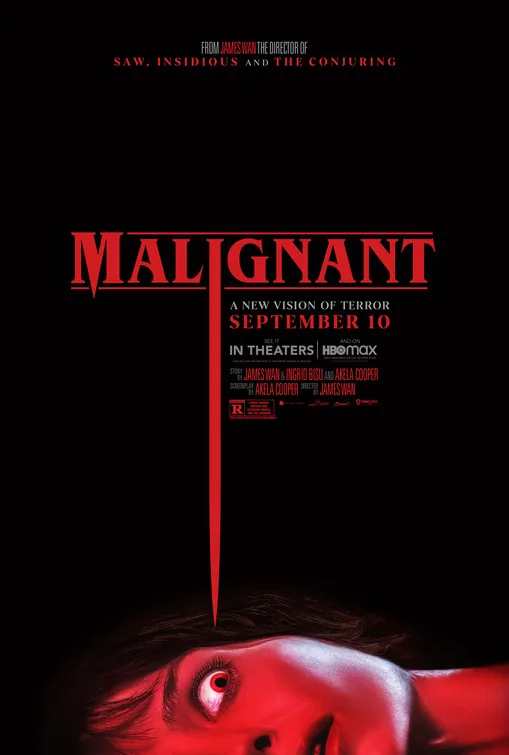
What changes Opera: theatrical rehearsals, murder set pieces, shifting suspicion and escalating final act. Malignant: a procedural investigation breaks into escalating supernatural spectacle.
Madison is tormented by visions of murders she appears to witness as they happen, while investigators connect the killings to an unknown figure from her past. As the violence escalates, her memories and sense of self become increasingly uncertain. James Wan’s horror film begins as a police mystery and shifts into a highly stylized confrontation with a hidden history, using body horror and identity questions to unsettle genre expectations.
Based on recorded story, mood and style. Your preferences can change the order.
Power and authority
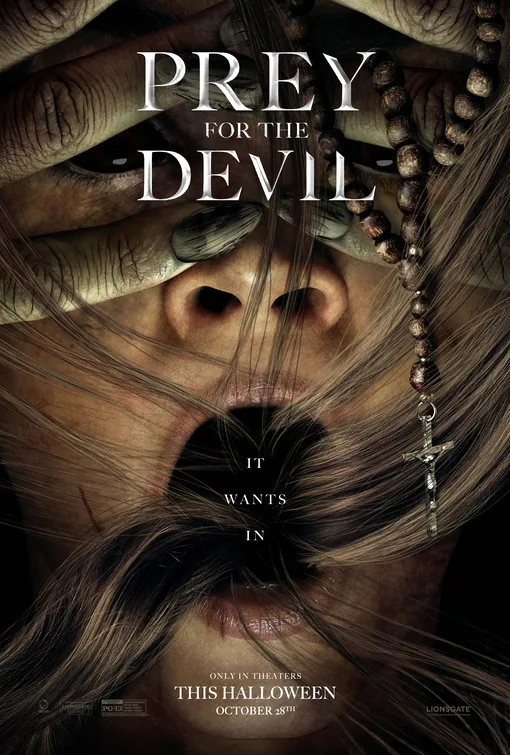
What changes Opera: theatrical rehearsals, murder set pieces, shifting suspicion and escalating final act. Prey for the Devil: classroom-to-crisis, escalating, conventional horror and climactic.
Sister Ann wants to train as an exorcist after a professor recognizes her ability to empathize with possessed people. At the Church’s reopened training school, she faces resistance to a nun learning a rite reserved for priests and is drawn into the case of a young girl whose possession echoes Ann’s memories of her mother. The horror drama links a supernatural confrontation with questions of authority, vocation and care for people in crisis.
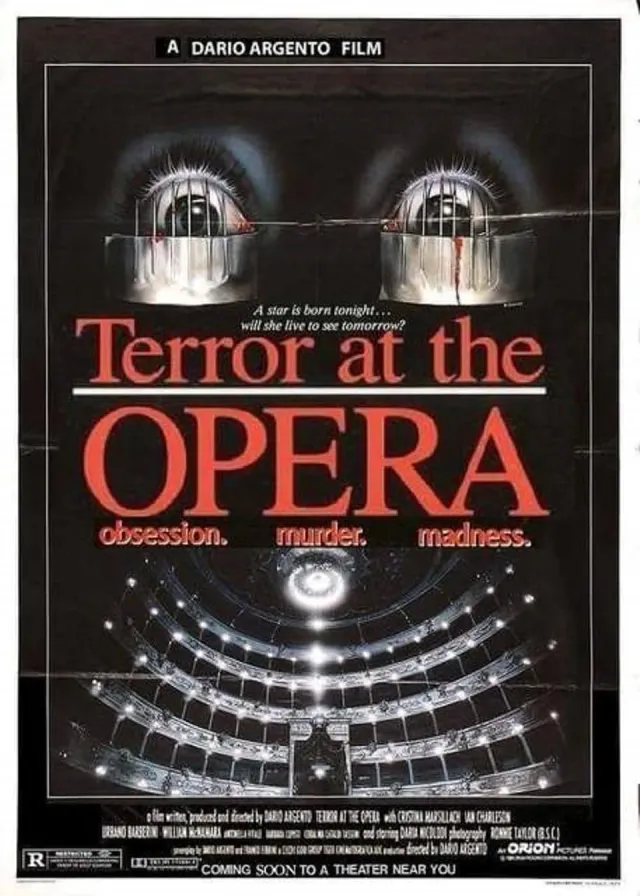
When celebrated soprano Mara Cecova storms out of a production of Verdi’s Macbeth, understudy Betty is pushed into the role of Lady Macbeth. Betty’s successful debut is overshadowed by a series of murders inside the opera house, where a masked figure appears to target her and the people around her. The killer forces Betty to witness violence while keeping her eyes open with needles, turning the theater’s machinery and performance spaces into a trap. As police and stage workers pursue competing explanations, Betty tries to survive rehearsals, backstage encounters and the opera’s increasingly unnerving atmosphere. Dario Argento builds a giallo around the collision of spectacle, voyeurism and fear, with Verdi’s music and the ravens used as active parts of the suspense.
What drives the story
Betty’s professional opportunity becomes inseparable from her exposure to the killer and her family history.
The people at its centre
Stefano tries to protect Betty but his reassurance cannot control the threat; the opera company’s hierarchies leave her vulnerable.
What it feels like
Argento makes watching itself a source of terror, using forced spectatorship and stage performance to unsettle the viewer.
Worth knowing
A stylized giallo in which opera-house spectacle becomes a framework for graphic murder and voyeuristic suspense.
Performance and spectatorshipartistic ambitionsurveillance
Mood
Operatic · lurid · claustrophobic · relentless
Pacing
Theatrical rehearsals · murder set pieces · shifting suspicion · escalating final act
Visual style
Opera-house architecture · saturated color · ravens · elaborate camera movement
Storytelling
Understudy gets the lead · killer stalks production · performer becomes captive witness