Based on recorded story, mood and style. Your preferences can change the order.
Expect bitter and comic, with conversational and episodic pacing.
After a painful breakup, a Chicago couple continues living in the same apartment because neither wants to leave it. Their attempts to make the other move become a series of escalating gestures that obscure the hurt beneath their arguments. The film observes how a relationship can end before shared routines and emotional expectations have caught up. A recognizable city setting and alternating comic and uncomfortable scenes keep the conflict grounded in ordinary domestic life.
Both share themes of anxiety, plus an uneasy atmosphere.
Why this matches +
Genres: Comedy / Science Fiction
Shared film traits
Based on recorded story, mood and style. Your preferences can change the order.
Expect surreal and uneasy, with measured pacing.
An anxious man discovers an enormous version of himself emerging from the lawn outside his home. The impossible presence prevents him from leaving, giving his habitual worries a physical obstacle he cannot ignore. This strange domestic predicament turns the familiar desire to stay safely inside into a surreal problem of selfhood, confinement and confrontation with an overwhelming double.
Both share a character study, plus an intimate atmosphere.
Why this matches +
Genres: Drama / Romance
Shared film traits
Based on recorded story, mood and style. Your preferences can change the order.
Expect intimate and melancholic, with meditative and measured pacing.
An American actor working on an advertisement in Tokyo meets a young woman accompanying a husband whose work leaves her largely alone. Dislocation, insomnia and uncertainty about their marriages create a companionship neither expected to find. Their shared movement through the city offers temporary relief from the roles awaiting them elsewhere, while the knowledge that the encounter is brief keeps affection poised between possibility and restraint.
Based on recorded story, mood and style. Your preferences can change the order.
Expect warm and comic, with measured and heist-driven pacing.
Longtime friends Joe, Willie and Al face the loss of their pensions after their employer shifts its financial obligations. With age, health and family needs on their minds, they decide to rob the bank they believe has taken their money. Their tentative planning and contrasting temperaments make the heist a comedy, while the story gives each man a chance to reclaim agency during a period when institutions seem to have decided their future for them.
Both share themes of work and marriage, plus a comic atmosphere.
Why this matches +
Genres: Comedy / Romance
Shared film traits
Based on recorded story, mood and style. Your preferences can change the order.
What changes The Prisoner of Second Avenue: measured, conversational and character-led. Wanderlust: a road trip turns into a test of communal living and marital compatibility.
After losing their jobs and New York apartment, George and Linda move in with relatives and then stop at a communal farm while traveling south. The alternative community offers a different rhythm of work, relationships, and shared resources, but its open values create new comic complications. The comedy contrasts urban ambition with communal idealism, asking what freedom looks like when people still need boundaries and responsibility.
Based on recorded story, mood and style. Your preferences can change the order.
What changes The Prisoner of Second Avenue is tagged comic and intimate; Driving Miss Daisy is tagged warm and reflective.
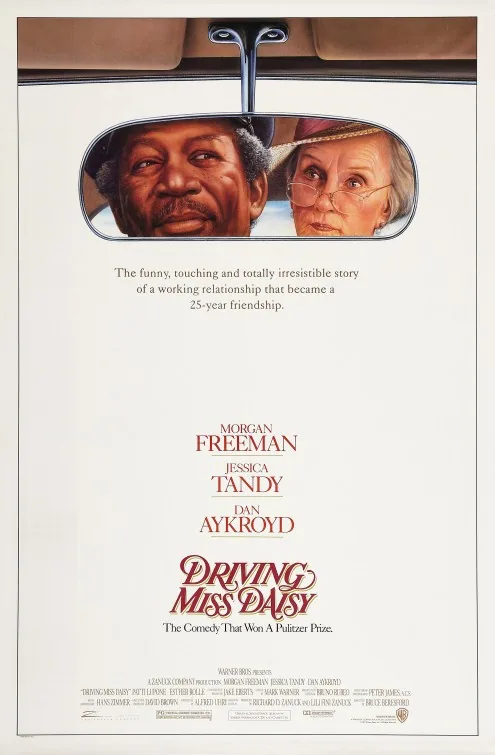
After a driving accident, an older Jewish woman in Atlanta reluctantly accepts the Black chauffeur her son employs. Repeated journeys turn suspicion and resistance into familiarity across decades, but the habits of an employment relationship remain embedded in segregation and unequal freedom. As age increases her dependence, small acts of care acquire weight without making affection sufficient to erase the structures that have shaped what each person can say or expect. Its domestic viewpoint leaves Hoke's working conditions less central than the relationship's emotional arc.
Based on recorded story, mood and style. Your preferences can change the order.
What changes The Prisoner of Second Avenue: measured, conversational and character-led. Duplex: escalating and set-piece comedy.
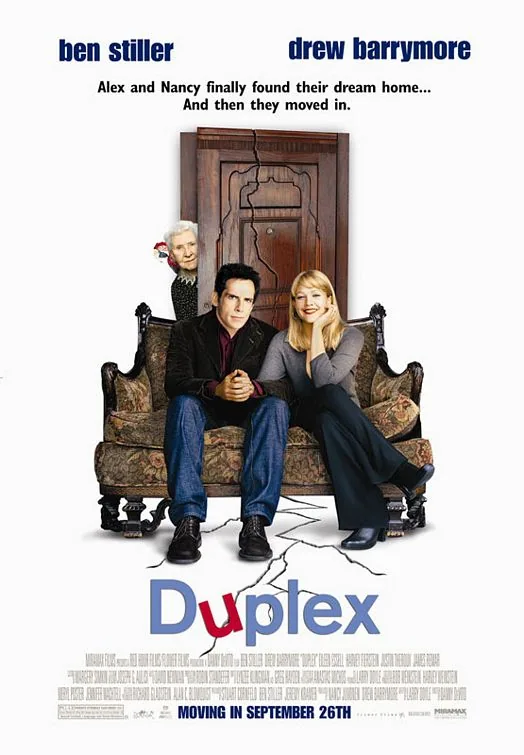
A couple buy the home they think will support their next stage of life, only to find that the elderly tenant upstairs makes ordinary routines increasingly difficult. As frustration grows, their plans turn toward increasingly desperate ways of reclaiming the property. The dark comedy pushes domestic irritation into absurdity, using the couple’s shared ambition and ethical collapse to drive a compact story about compromise gone wrong.
Both share themes of marriage, plus a comic and uneasy atmosphere.
Why this matches +
Genres: Comedy / Drama
Shared film traits
Based on recorded story, mood and style. Your preferences can change the order.
What changes The Prisoner of Second Avenue: measured, conversational and character-led. The Dilemma: situational comedy escalates.
Best friends and business partners Ronny and Nick are preparing a pitch for an environmentally friendly car when Ronny sees Nick’s wife kissing another man. His decision to investigate and delay telling Nick transforms a professional opportunity into a test of friendship and honesty. The comedy follows the widening consequences of a secret, mixing relationship anxiety with workplace ambitions and the awkward question of what loyalty requires.
Both share a character study, plus an uneasy atmosphere.
Why this matches +
Genres: Comedy / Drama
Shared film traits
Based on recorded story, mood and style. Your preferences can change the order.
Expect wry and romantic, with measured pacing.
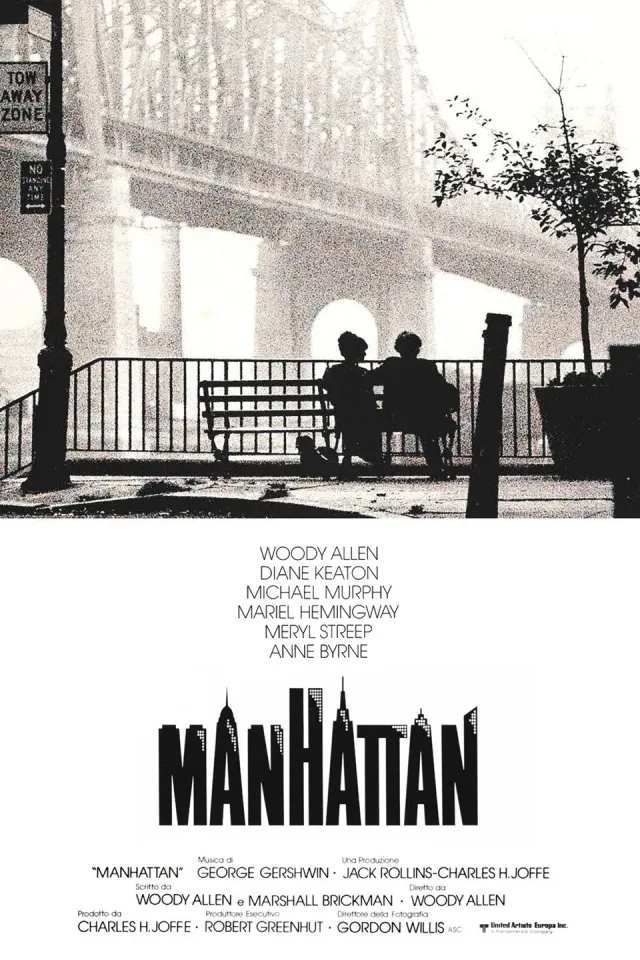
Forty-two-year-old television writer Isaac Davis dates seventeen-year-old Tracy while criticizing his friend Yale for having an affair with Mary. Isaac then becomes involved with Mary himself, repeating the self-serving behavior he had judged in Yale. His ex-wife’s memoir makes his private conduct a public story, and Tracy’s plan to study in London reveals how casually he assumes her feelings will wait for him. The comedy’s idealized New York surface—black-and-white cinematography, Gershwin and a lyrical opening voice—sits uneasily beside its age and power imbalance. Isaac’s self-description is not a neutral guide to what Tracy experiences. The film can be admired as a formal portrait of a city and a cohort while still asking viewers to notice whom its romantic framing protects.
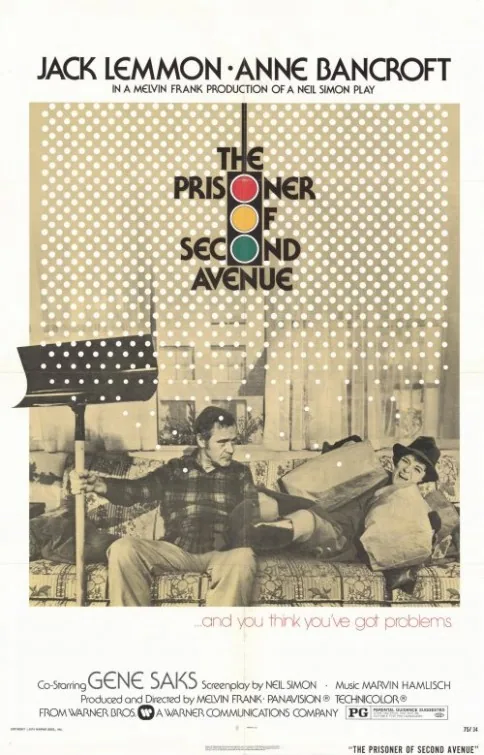
Mel Edison loses his job after decades of steady employment and tries to cope with unemployment in a Manhattan apartment during a heat wave and garbage strike. Noise, theft and financial strain erode his sense of control, while his wife Edna returns to work to keep the household going. The pressures spill into Mel’s relationships with family and neighbors, turning an ordinary domestic crisis into a comic portrait of urban anxiety.
What drives the story
A middle-aged man’s sudden unemployment unsettles the routine he and his wife have built, while city noise and household setbacks make it harder to regain balance.
The people at its centre
Mel’s anxiety strains his marriage, but Edna’s practical response and the family’s efforts show care through patience rather than easy reassurance.
What it feels like
The comedy is close to the apartment and built from conversation, interruptions and small humiliations that grow into a wider emotional crisis.
Worth knowing
It is a domestic city comedy about work and mental strain, not a plot-heavy farce; its scale stays intimate even as Mel’s distress escalates.
WorkMarriageAnxiety
Mood
Comic · Intimate · Uneasy
Pacing
Measured · Conversational · Character-led
Visual style
Grounded · Urban · Stage-like · Dialogue-led
Storytelling
Unemployment · Domestic pressure · Character study · Family reconciliation