Explore films connected to The Words through Authorship and ownership, Ambition and compromise, Truth and storytelling. Choose the qualities you want to carry into your next watch.
What should feel similar?
Find your next favourite
9 films · Closest overall matches
Hide films you’ve seen or don’t want. Saved on this device.
No matches for this combination yet.
Try another option or reset your choices to see more films.
Based on recorded story, mood and style. Your preferences can change the order.
Memory and identity
Expect nostalgic and reflective, with measured and gradual pacing.
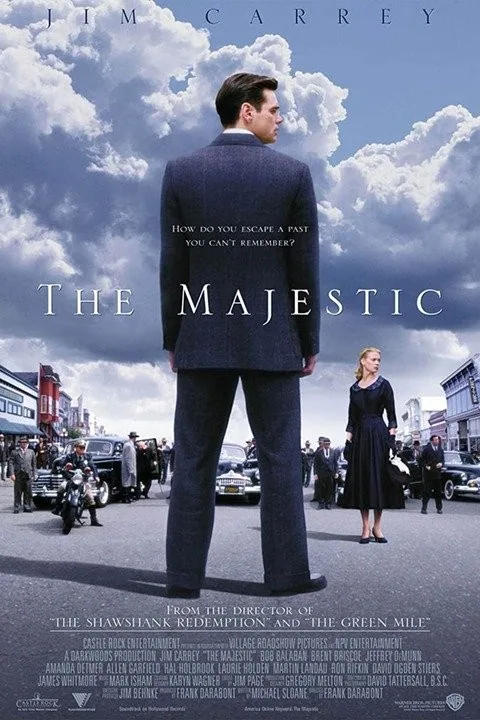
A Hollywood screenwriter loses his memory after a car accident and is mistaken for a local man who never returned from war. Welcomed into a small town, he helps revive a struggling cinema and forms relationships before his past resurfaces. The drama blends romance and civic memory with a period story about identity, loyalty and political suspicion during blacklisting.
Based on recorded story, mood and style. Your preferences can change the order.
Memory and identity
What changes The Words: measured, revelation-driven and character-focused. Ruby Sparks: a novelist’s fictional girlfriend becomes real and but his manuscript still shapes her behavior..
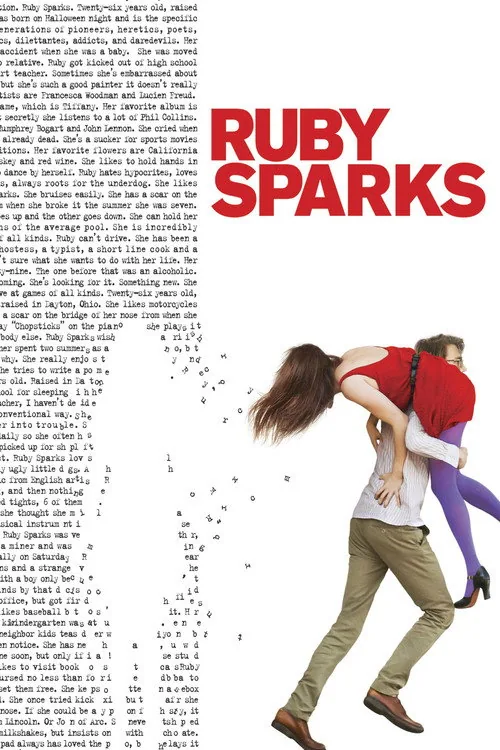
Novelist Calvin Weir-Fields has struggled to write a second book and form close relationships after the success of his early novel. A writing exercise inspires him to invent Ruby Sparks, and he is astonished when she appears as a real person who believes they are already dating. Calvin discovers that changes he types on the page alter Ruby’s personality, and he must decide whether he can treat her as a person rather than an ideal he controls. Jonathan Dayton and Valerie Faris’s romantic comedy-drama examines authorship, projection, and emotional power.
Based on recorded story, mood and style. Your preferences can change the order.
Expect dreamlike and suspenseful, with measured and escalating pacing.
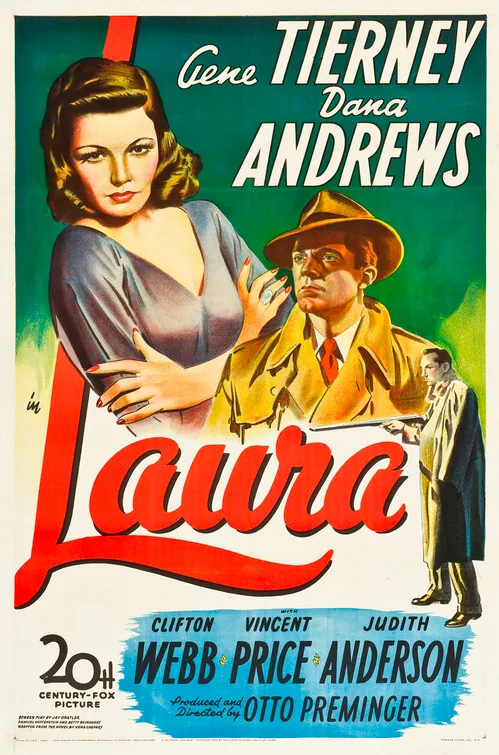
New York detective Mark McPherson investigates the murder of advertising executive Laura Hunt through the people who knew her and the portrait that dominates her apartment. Journalist Waldo Lydecker’s polished narration turns his relationship with Laura into a claim of authorship, while fiancé Shelby Carpenter and aunt Ann offer self-interested versions of her life. When Laura returns, the investigation changes from reconstructing an absent woman to confronting the living person whose image everyone has tried to possess. The noir’s famous portrait and shifting point of view make idealization part of the suspense. Laura’s agency after her return matters as much as the men’s fascination; she cannot be reduced to the beautiful picture that first organizes the story.
Based on recorded story, mood and style. Your preferences can change the order.
Expect wry and melancholy, with measured and character-led pacing.
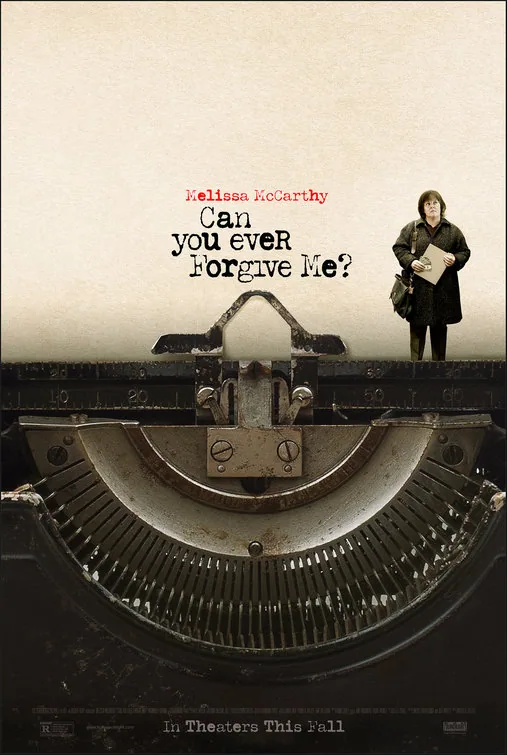
In early-1990s New York, struggling biographer Lee Israel faces money problems, a stalled career and few remaining professional options. She discovers that forged letters attributed to famous writers can earn money and begins selling them through book dealers, with her friend Jack Hock joining the scheme. Marielle Heller shapes the crime story as a character-led portrait of loneliness, literary ambition and compromised survival, anchored by dry humor rather than glamour.
Based on recorded story, mood and style. Your preferences can change the order.
Expect wry and romantic, with measured pacing.
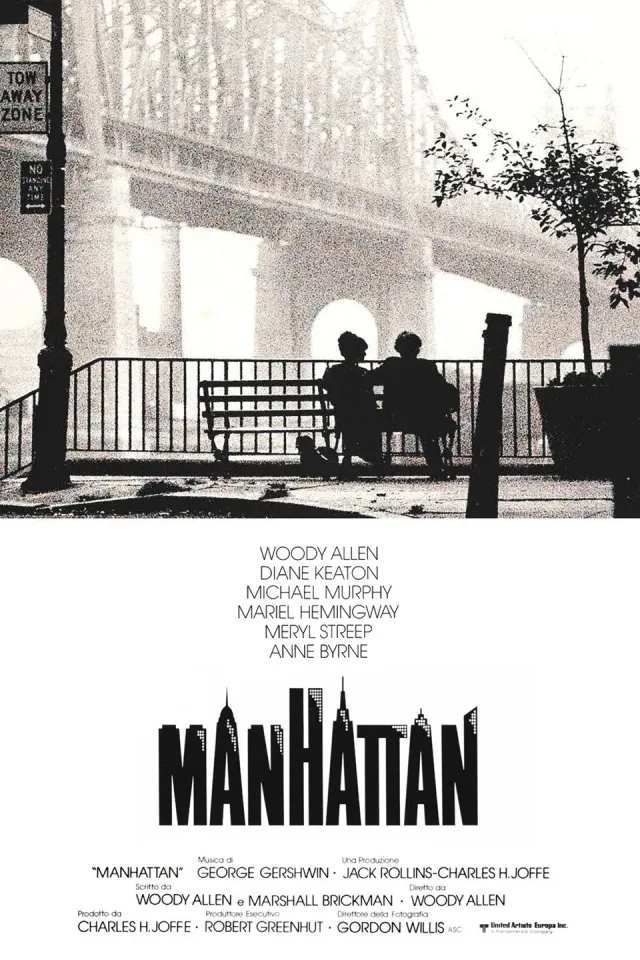
Forty-two-year-old television writer Isaac Davis dates seventeen-year-old Tracy while criticizing his friend Yale for having an affair with Mary. Isaac then becomes involved with Mary himself, repeating the self-serving behavior he had judged in Yale. His ex-wife’s memoir makes his private conduct a public story, and Tracy’s plan to study in London reveals how casually he assumes her feelings will wait for him. The comedy’s idealized New York surface—black-and-white cinematography, Gershwin and a lyrical opening voice—sits uneasily beside its age and power imbalance. Isaac’s self-description is not a neutral guide to what Tracy experiences. The film can be admired as a formal portrait of a city and a cohort while still asking viewers to notice whom its romantic framing protects.
Based on recorded story, mood and style. Your preferences can change the order.
Memory and identity
What changes The Words: measured, revelation-driven and character-focused. Little Women: nonlinear and episodic.
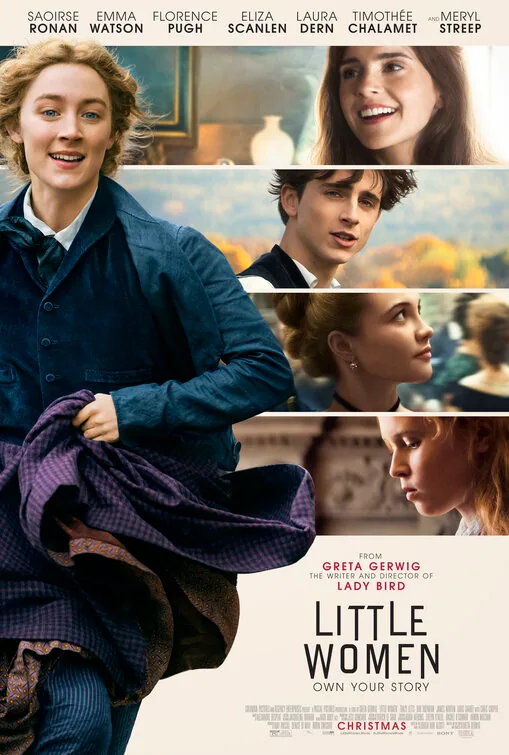
Greta Gerwig’s adaptation moves between the March sisters’ youthful household and their adult lives, using a non-linear structure to make memory, loss and ambition speak across time. Jo pursues writing and financial independence, Meg chooses a less publicly celebrated domestic life, Amy weighs artistic aspiration against material limits, and Beth’s illness shapes the family’s sense of what can be preserved. The publisher’s demand that Jo’s novel end in marriage creates a final ambiguity between character and author: the film gives her a romantic conclusion while also showing her negotiate ownership and payment for her book. This is neither a simple rejection of Alcott’s ending nor an unambiguous confirmation of romance. The two timelines let Jo’s authorship and lived future remain productively entangled.
Based on recorded story, mood and style. Your preferences can change the order.
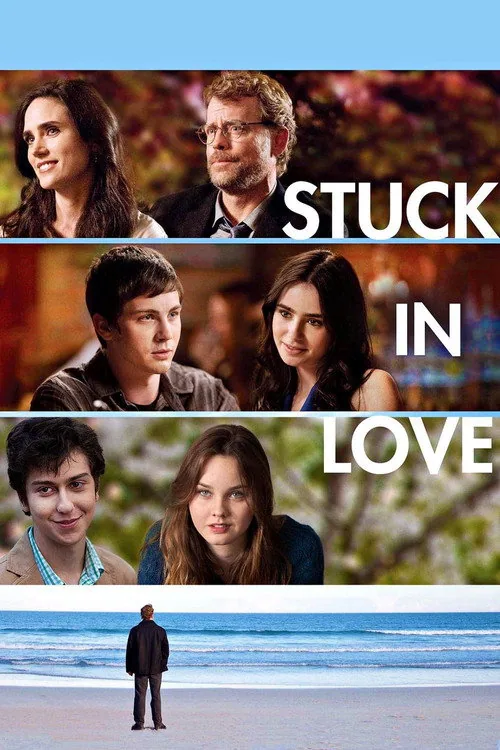
What changes The Words: measured, revelation-driven and character-focused. Stuck in Love: multi-strand, seasonal and character-led.
Novelist Bill Borgens remains fixated on his former wife Erica while their adult daughter Sam publishes a novel and teenage son Rusty tries to write. Sam avoids commitment after her parents’ separation; Rusty develops feelings for a classmate and writes poetry about her. Relationships unfold over a year of family dinners, creative ambitions, romance, and setbacks. Josh Boone’s ensemble drama follows how family loyalty and old resentments shape each member’s approach to love and art.
Based on recorded story, mood and style. Your preferences can change the order.
Expect quiet and melancholy, with measured and reflective pacing.
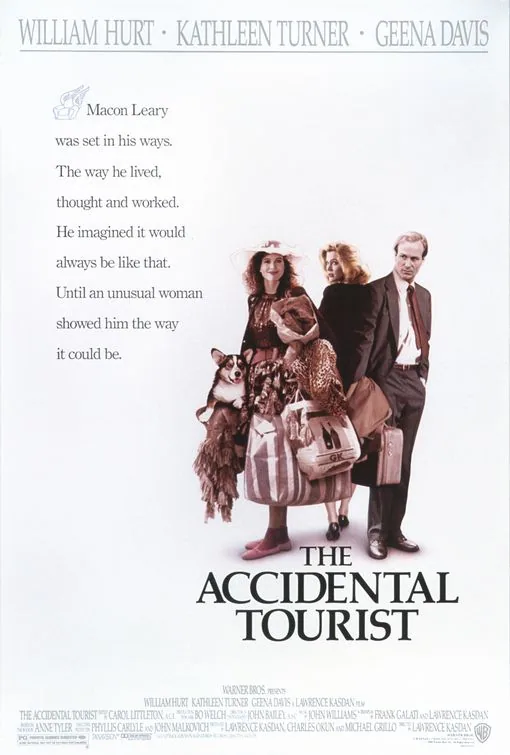
Travel writer Macon Leary returns to ordinary life after a family tragedy, finding that grief has unsettled his marriage and made daily routines feel remote. When his wife leaves and an energetic dog trainer named Muriel enters his life, Macon faces competing forms of comfort and disruption, while visits with his siblings reveal different ways a family can preserve old wounds or begin to live around them.
Based on recorded story, mood and style. Your preferences can change the order.
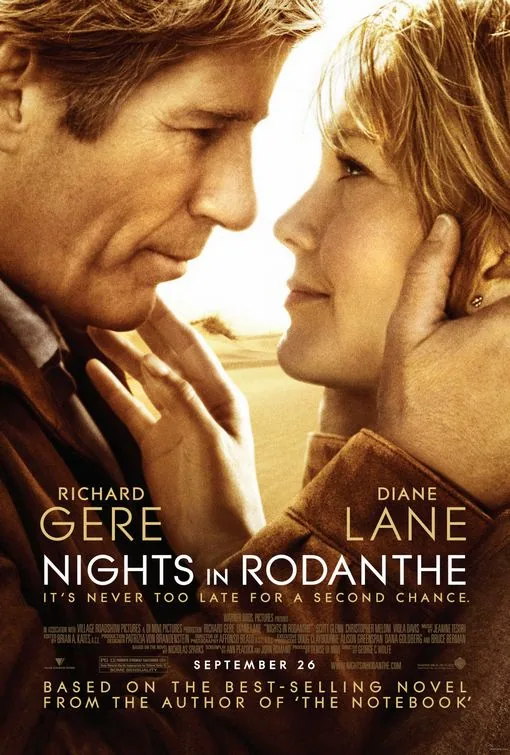
What changes The Words: measured, revelation-driven and character-focused. Nights in Rodanthe: gradual and romance-led.
A woman under strain from family responsibilities agrees to care for an inn on the North Carolina coast during a stormy weekend. A guest arriving with his own regrets becomes the focus of an unexpected romance, and their conversations lead each to reconsider choices and obligations. The adult love story is shaped by a brief meeting and a coastal setting, emphasizing emotional disclosure over a complicated external plot.
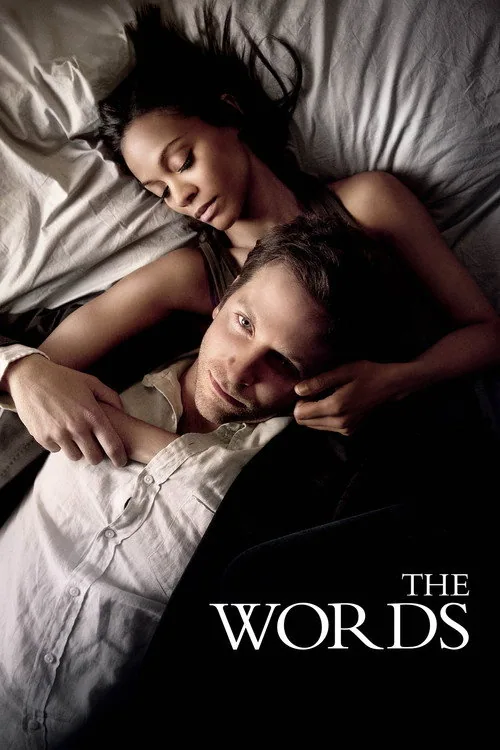
At a public reading, novelist Clayton Hammond presents a story about Rory Jansen, an aspiring writer whose work repeatedly fails to find a publisher. After discovering an old manuscript in a briefcase, Rory types it out and publishes it as his own, gaining the acclaim he has long wanted. His success is interrupted when an elderly man claims authorship of the story and explains its origins. The film layers a tale of literary theft inside a reading by Hammond, asking how stories, ambition, and responsibility blur between a writer’s life and fiction.
What drives the story
Rory’s career-making act of plagiarism draws him into a confrontation with the manuscript’s original author and with his own choices.
The people at its centre
Rory and Dora’s marriage changes under the pressure of success and secrecy, while Hammond’s conversation with Daniella adds another uncertain frame.
What it feels like
The film moves between nested narratives and uses romantic drama to examine whether regret can repair a stolen life’s work.
Worth knowing
Its layered framing makes the act of telling a story part of the mystery, unlike a straightforward drama about a writer’s career.
Authorship and ownershipAmbition and compromiseTruth and storytelling
Mood
Reflective · Romantic · Melancholy
Pacing
Measured · Revelation-driven · Character-focused
Visual style
Literary New York settings · Paris flashbacks · Polished romantic drama
Storytelling
Story within a story · Literary fraud · Parallel relationships