Explore films connected to The Year of Living Dangerously through journalism, political upheaval, friendship. Choose the qualities you want to carry into your next watch.
What should feel similar?
Find your next favourite
9 films · Closest overall matches
Hide films you’ve seen or don’t want. Saved on this device.
No matches for this combination yet.
Try another option or reset your choices to see more films.
Based on recorded story, mood and style. Your preferences can change the order.
Political resistance · War and civilian life
What changes The Year of Living Dangerously: episodic and escalating. Underground: multi-decade and episodic shifts.
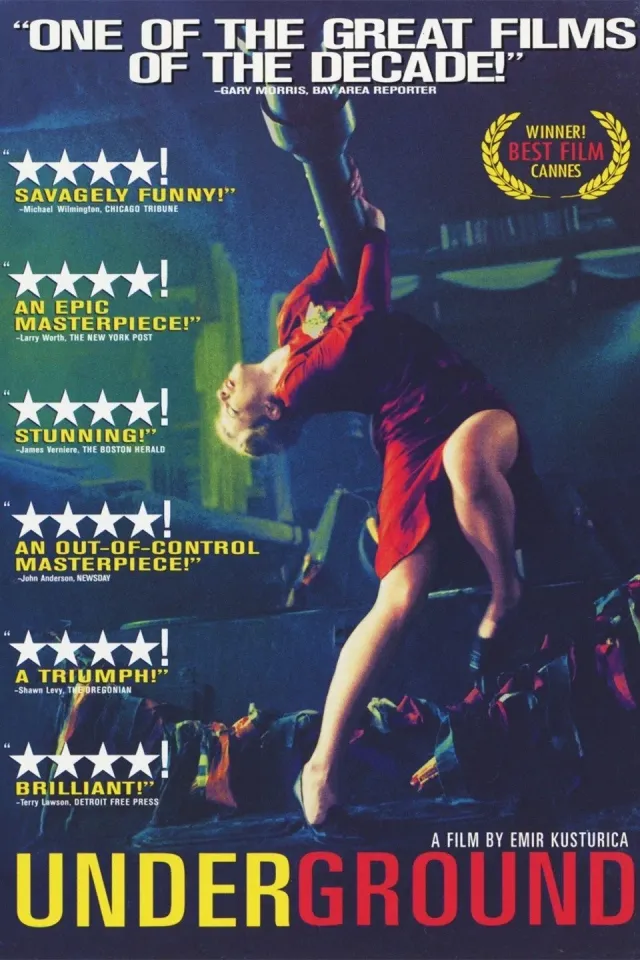
In occupied Belgrade during World War II, Marko hides his friend Blacky and others in an underground cellar where they make weapons for the resistance. Marko continues profiting from the arrangement long after the war has ended, telling those below that the conflict is still ongoing and keeping Blacky away from the actress Natalija they both love. The deception stretches across decades as political reality changes above ground and the cellar’s inhabitants build a distorted version of the world from scraps of information. When they finally emerge, they find a country whose history has not resolved into peace. Emir Kusturica’s film mixes slapstick, music, melodrama and historical allegory, presenting individual betrayal as one thread in a much wider, unstable account of Yugoslavia.
Both share themes of journalism, plus a romantic atmosphere.
Why this matches +
Genres: Drama / Romance
Shared film traits
Based on recorded story, mood and style. Your preferences can change the order.
Political resistance
What changes The Year of Living Dangerously: episodic and escalating. The Quiet American: personal rivalry unfolds beside an investigation into pyle’s political activities and the consequences of foreign intervention.
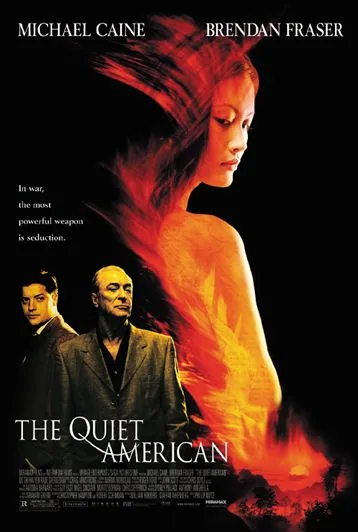
In 1952 Saigon, British journalist Thomas Fowler reports on the final years of French colonial rule and shares his life with Vietnamese woman Phuong. The arrival of American aid worker Alden Pyle disrupts that arrangement and introduces a rival interpretation of what Vietnam needs. Fowler grows suspicious of Pyle’s political role as the young American’s idealism is tested against the violence unfolding around them. A love triangle develops alongside a political mystery about intervention, responsibility and the cost of remaining a detached observer.
Based on recorded story, mood and style. Your preferences can change the order.
Political resistance · War and civilian life
What changes The Year of Living Dangerously: episodic and escalating. Shining Through: gradual escalation.
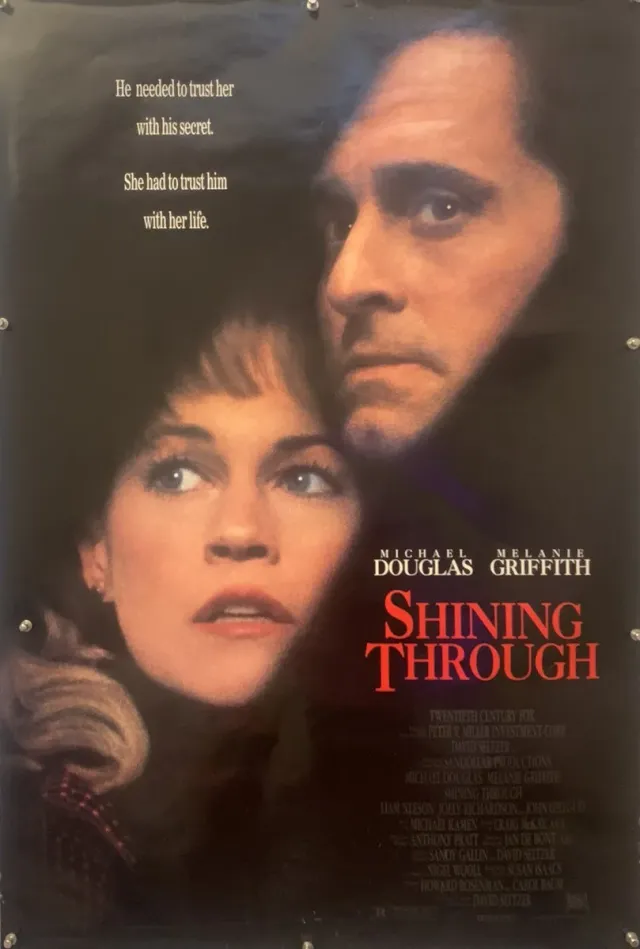
Linda Voss, a German-speaking secretary in New York, is recruited to assist an American official during World War II and later enters Nazi Germany under a covert identity. Her knowledge of language and daily customs becomes crucial as she tries to gather intelligence and survive the danger around her. The romantic war drama follows a civilian's transformation from office worker to spy while emphasizing the strain of balancing affection, duty and secrecy.
Based on recorded story, mood and style. Your preferences can change the order.
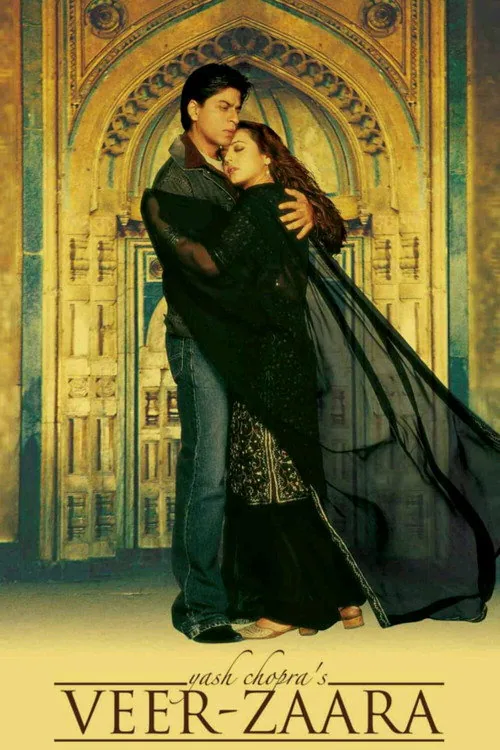
What changes The Year of Living Dangerously: episodic and escalating. Veer-Zaara: framed flashback structure, long-form romantic arc and musical interludes.
Pakistani lawyer Samia Siddiqui takes on the case of an Indian prisoner who has spent decades in silence under another name. As he finally tells his story, the film recalls how Indian Air Force pilot Veer Pratap Singh met Zaara Hayat Khan, the daughter of a prominent Pakistani family, and how their love was interrupted by borders and family duty. Their relationship unfolds across years, languages, and national histories. Yash Chopra's musical romance treats enduring devotion as a personal bond tested by political separation and the possibility of reunion.
Based on recorded story, mood and style. Your preferences can change the order.
Political resistance · War and civilian life
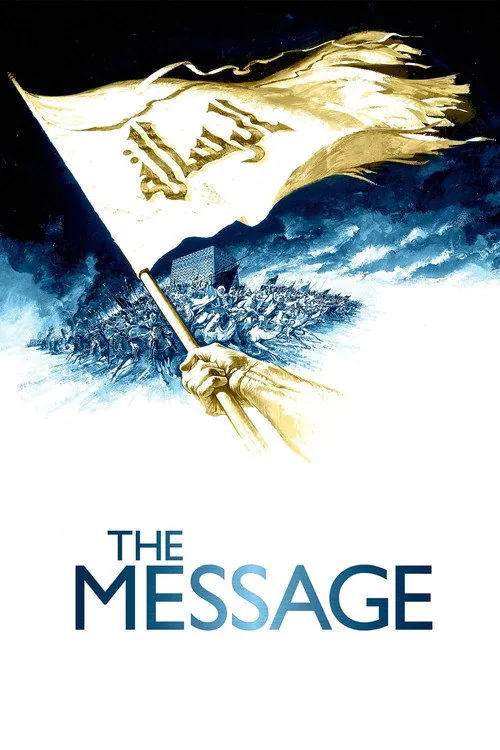
What changes The Year of Living Dangerously: episodic and escalating. The Message: origins and conversion, exile and community building and return and battle.
The film follows the early spread of Islam through the experiences of Muhammad's companions, whose persecution in Mecca leads them to seek refuge and later return with a growing community. As the new faith challenges established power, its followers face social pressure, exile, and armed conflict. The story depicts the Prophet without showing his face or using an actor, respecting a central religious convention. Moustapha Akkad's historical epic presents the foundation of Islam through surrounding figures and major events rather than a single biographical lead performance.
Both share themes of friendship, plus a romantic atmosphere.
Why this matches +
Genres: Drama / Action
Shared film traits
Based on recorded story, mood and style. Your preferences can change the order.
War and civilian life
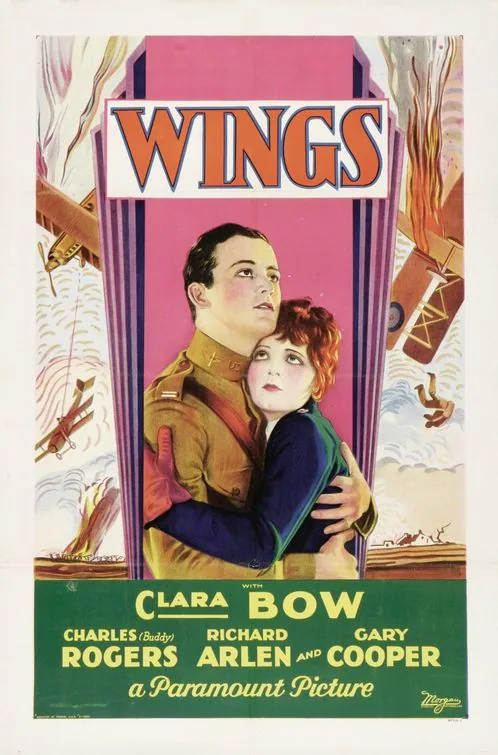
What changes The Year of Living Dangerously: episodic and escalating. Wings: domestic to combat escalation.
Two young men, Jack Powell and David Armstrong, leave their small town for the First World War and become fighter pilots, while Mary Preston follows them into wartime service. Their friendship and romantic rivalry are reshaped by combat, whose danger makes private jealousy seem increasingly small. William Wellman’s silent epic builds from a domestic love triangle into large aerial sequences, using action and gesture to tell a story of loyalty and loss. The film is historically significant as the first Best Picture Oscar winner, but its drama remains centered on the people caught in the war. The climax turns a devastating mistake in recognition into wartime loss. Combat gradually replaces the young men's competition with a bond forged under pressure.
Based on recorded story, mood and style. Your preferences can change the order.
War and civilian life
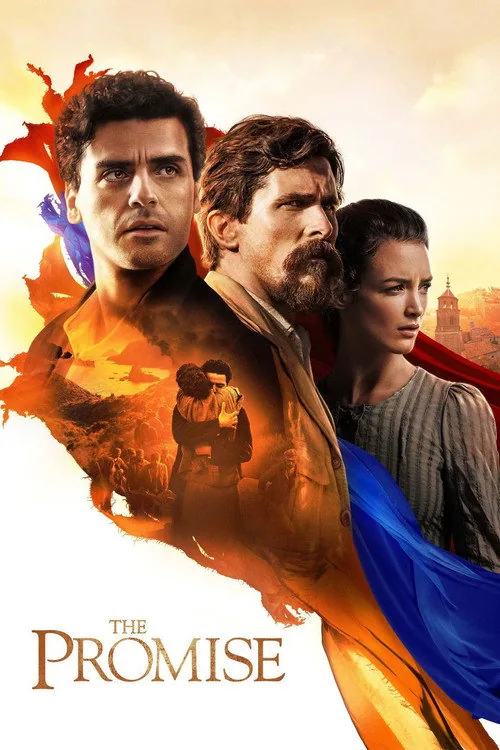
What changes The Year of Living Dangerously: episodic and escalating. The Promise: personal relationships under escalating pressure.
As the Ottoman Empire enters World War I, Armenian medical student Mikael Boghosian, Armenian-born artist Ana, and American journalist Chris Myers become caught in a love triangle shaped by escalating political violence. Mikael’s medical ambitions and personal loyalties are tested as the characters confront displacement and the Armenian genocide. The historical drama filters a broad catastrophe through relationships and individual choices, combining a romantic story with the danger faced by civilians and journalists.
Based on recorded story, mood and style. Your preferences can change the order.
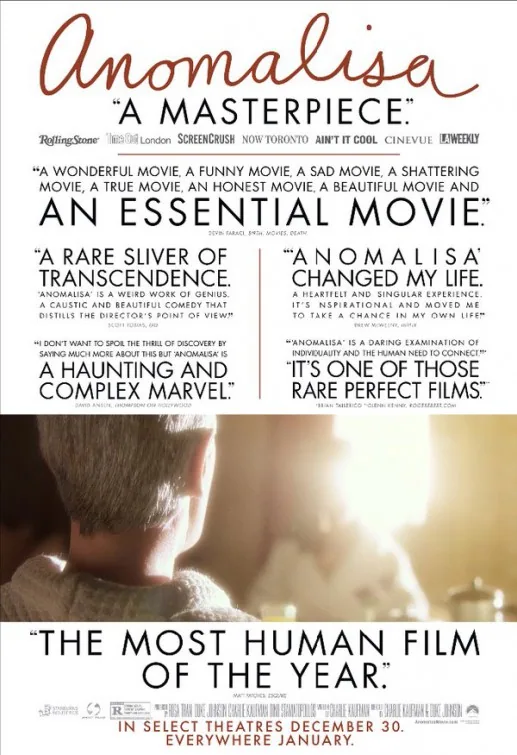
What changes The Year of Living Dangerously: episodic and escalating. Anomalisa: measured and interior.
Michael Stone travels to Cincinnati for a speaking engagement while feeling that everyone he meets has the same face and voice. A chance encounter with Lisa, who seems distinct to him, briefly offers the possibility of intimacy and renewal, but his experience of other people remains unstable. Charlie Kaufman and Duke Johnson use stop-motion puppets and a deliberately ordinary hotel setting to explore alienation, idealization and the gap between how people appear and how they are experienced.
Based on recorded story, mood and style. Your preferences can change the order.
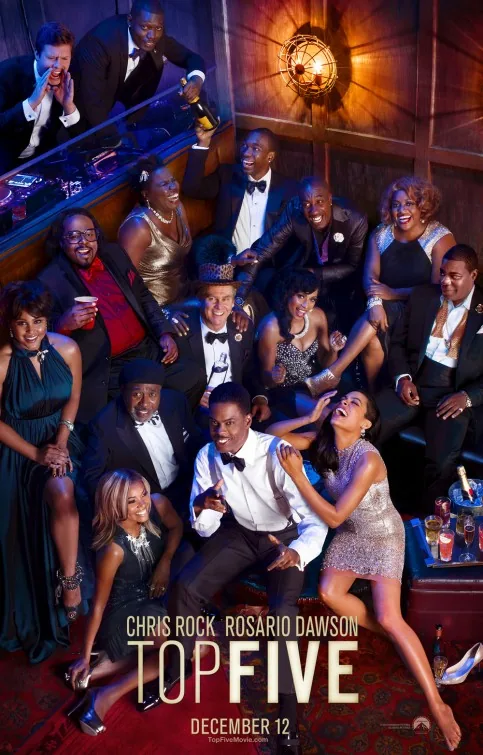
Expect witty and urban, with fast-talking and episodic pacing.
Andre Allen is a comedian and film star promoting a serious movie about a Haitian revolutionary while preparing for a heavily publicized wedding. A New York Times reporter, Chelsea Brown, spends a day interviewing him and follows him through the city as they discuss his career, his past comedy and his changing ambitions. The conversation grows more personal, forcing Andre to consider whether his new direction reflects real change or another carefully managed public image.
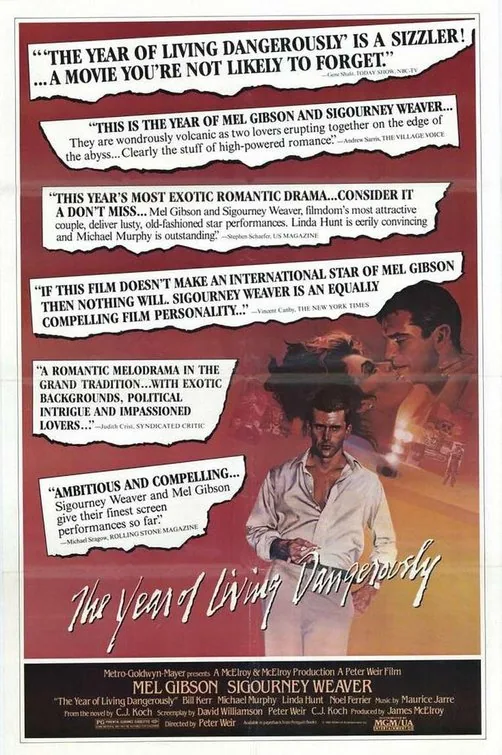
Australian journalist Guy Hamilton arrives in Jakarta in 1965 to report on political unrest and scarcity. He gains access through Billy Kwan, a Chinese-Australian male photographer played by Linda Hunt, whose work and personal ties connect him with sources in the city. British embassy employee Jill Bryant becomes important to both men, while Guy’s ambition to break a major story draws him toward events local people will bear the consequences of. As the failed coup and its aftermath transform Jakarta, the film follows the limits of a foreign correspondent’s access. Its perspective remains largely expatriate and Western, not a comprehensive account of Indonesian lives or history.
What drives the story
A foreign reporter’s pursuit of access and a breakthrough story becomes entangled with the lives and risks of local contacts during political upheaval.
The people at its centre
Billy Kwan, a Chinese-Australian man, gives Guy access and a human connection to the city, while Jill’s warnings test Guy’s ambition; Billy is played by Linda Hunt, whose casting across gender is part of the film’s history.
What it feels like
Heat, crowded streets, shortages and news-gathering routines shape a romantic political drama. Its 1965 Jakarta is rendered through a story centered on expatriate correspondents.
Worth knowing
For viewers interested in a period political romance about journalism and privilege. Billy is a Chinese-Australian, not an Indonesian local, and the film’s foreign-correspondent viewpoint is not a substitute for Indonesian history or lived perspectives.
journalismpolitical upheavalfriendship
Mood
romantic · tense · humid
Pacing
episodic · escalating
Visual style
crowded streets · period newsroom
Storytelling
foreign correspondent · political crisis · unequal observation