Explore films connected to To the Bone through illness and recovery, family support and limits, agency and self-worth. Choose the qualities you want to carry into your next watch.
What should feel similar?
Find your next favourite
9 films · Closest overall matches
Hide films you’ve seen or don’t want. Saved on this device.
No matches for this combination yet.
Try another option or reset your choices to see more films.
Based on recorded story, mood and style. Your preferences can change the order.
Coming of age
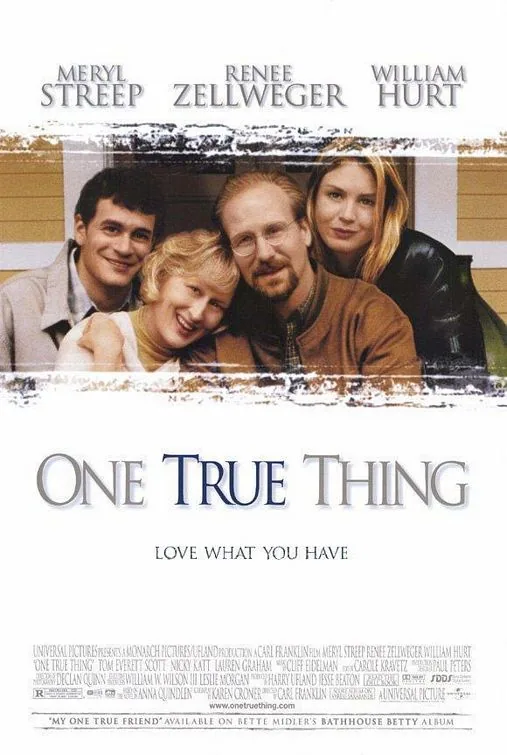
What changes To the Bone: treatment-house ensemble, incremental emotional shifts and open-ended recovery arc. One True Thing: patient domestic drama with emotional turns.
Magazine writer Ellen Gulden returns to her New Jersey family home when her mother Kate becomes seriously ill and her father asks Ellen to provide care. The forced change interrupts Ellen's ambitions and exposes the unequal expectations within the household. As she spends ordinary days with Kate, she reevaluates the parent she once dismissed and the father she had idealized.
Based on recorded story, mood and style. Your preferences can change the order.
What changes To the Bone: treatment-house ensemble, incremental emotional shifts and open-ended recovery arc. Pieces of a Woman: long immersive opening, quiet aftermath and emotionally gradual resolution.
Martha and Sean prepare for their first child, but a home birth ends in a devastating loss that alters their relationship and draws Martha's wealthy mother Elizabeth into an already fragile household. While Sean seeks ways to move forward and Elizabeth presses for accountability, Martha struggles to process grief in her own time. The film follows several months of private rupture and public judgment, using a long childbirth sequence and restrained domestic scenes to examine mourning that cannot be neatly resolved.
Based on recorded story, mood and style. Your preferences can change the order.
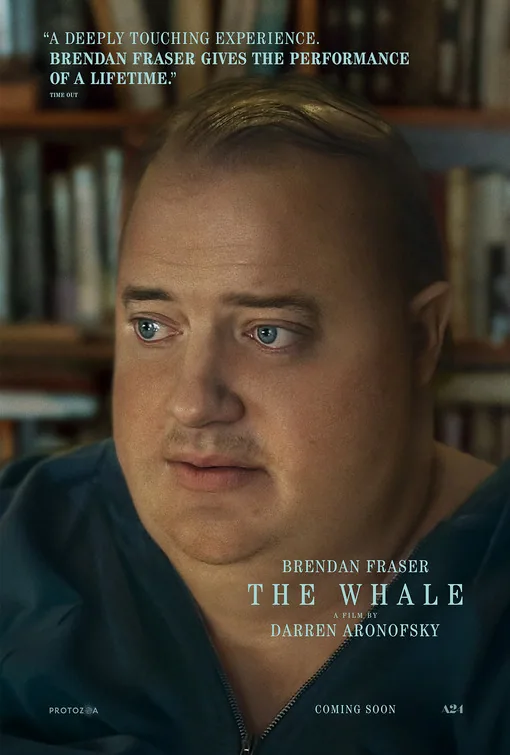
What changes To the Bone: treatment-house ensemble, incremental emotional shifts and open-ended recovery arc. The Whale: contained and dialogue-driven.
Charlie, an English teacher living with severe illness and rarely leaving his home, teaches online with his camera switched off. When he learns that his estranged teenage daughter Ellie is nearby, he tries to rebuild contact through writing lessons and an offer to help her with schoolwork. His friend and nurse Liz questions whether his attempt will repair their relationship, while missionary Thomas brings another set of beliefs into the apartment. Ellie’s anger, Charlie’s guilt and the visitors’ competing needs make each conversation difficult. The film confines its action to a few days and one home, centering a fraught effort at connection. A requested essay becomes Charlie’s way to maintain contact, but he cannot control what Ellie chooses to reveal.
Based on recorded story, mood and style. Your preferences can change the order.
What changes To the Bone: treatment-house ensemble, incremental emotional shifts and open-ended recovery arc. Secrets & Lies: reunion unsettles everyday family routines, private conversations expose old wounds and gathering brings several relationships into view.
After the death of her adoptive mother, London optometrist Hortense Cumberbatch searches for her birth family and meets Cynthia Purley, a working-class woman who gave her up as a baby. Cynthia must absorb the unexpected reunion while managing a strained relationship with her daughter Roxanne and the needs of her brother Maurice. As family members prepare for a celebration, long-held stories surface in intimate conversations that test their assumptions about race, class, motherhood, and belonging.
Based on recorded story, mood and style. Your preferences can change the order.
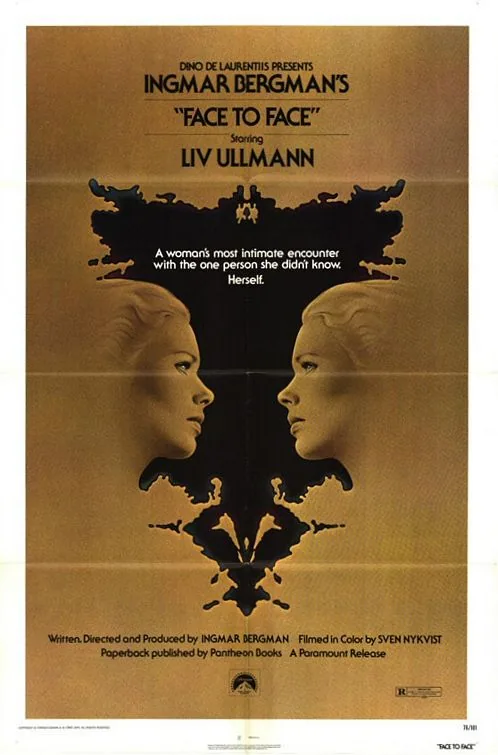
What changes To the Bone: treatment-house ensemble, incremental emotional shifts and open-ended recovery arc. Face to Face: slow, fragmented and intensifying.
Dr. Jenny Isaksson, a psychiatrist, takes a temporary post in a mental hospital while her husband and daughter are away. Staying in her grandparents' old home awakens painful childhood memories, and visions intrude on her daily life. As Jenny's professional duties and strained relationships press closer, the story moves between waking reality, dreams and crisis, examining the instability beneath a life built around understanding other people's minds.
Based on recorded story, mood and style. Your preferences can change the order.
What changes To the Bone: treatment-house ensemble, incremental emotional shifts and open-ended recovery arc. Jeanne Dielman, 23 quai du Commerce, 1080 Bruxelles: slow, repetitive and deliberate.
For several days in Brussels, widowed Jeanne Dielman moves through a carefully repeated schedule of cooking, cleaning, shopping and caring for her teenage son. She also receives a client at home each afternoon, fitting that work into the same disciplined routine. Small disruptions accumulate—a meal overcooks, an errand goes wrong, a task slips—until the rituals that structure her life no longer hold. The drama stays close to ordinary time and domestic labor.
Based on recorded story, mood and style. Your preferences can change the order.
What changes To the Bone: treatment-house ensemble, incremental emotional shifts and open-ended recovery arc. The Normal Heart: intense, argument-driven and emotionally cumulative.
In New York City in 1981, writer Ned Weeks sees friends fall ill as a new and poorly understood disease spreads through the gay community. He pushes for public attention and a coordinated response, often clashing with activists and health officials who favor different strategies. Ned’s relationship with journalist Felix Turner develops alongside the organizing effort, while fear, grief and institutional delay shape the lives of the people around them.
Based on recorded story, mood and style. Your preferences can change the order.
Coming of age
What changes To the Bone: treatment-house ensemble, incremental emotional shifts and open-ended recovery arc. Fish Tank: patient observation and gradual emotional disturbance.
Fifteen-year-old Mia lives with her mother and younger sister in an Essex housing estate, feeling restless and isolated from the people around her. Dance is one of the few things that gives her a sense of direction. When her mother’s new boyfriend enters the household, Mia becomes drawn into a complicated relationship that changes her understanding of trust and adulthood. Andrea Arnold’s British drama follows her through a compressed period of family tension and self-discovery, using close observation and a young protagonist’s perspective to depict a life with few easy choices.
Based on recorded story, mood and style. Your preferences can change the order.
Coming of age · Survival
What changes To the Bone: treatment-house ensemble, incremental emotional shifts and open-ended recovery arc. Short Term 12: naturalistic, interwoven and restrained.
Grace Howard supervises teenagers at Short Term 12, a group home where she works alongside her partner Mason. She supports residents but struggles to discuss her own past and a recent pregnancy. Grace grows close to Jayden, a newcomer whose distance from staff echoes parts of Grace’s experience, while Marcus faces the transition to adulthood outside the facility. Destin Daniel Cretton’s drama centers the daily work of care and the emotional boundaries that caregivers and young residents negotiate.
Twenty-year-old Ellen returns home after several attempts at treatment for anorexia and agrees, reluctantly, to enter a group program run by Dr. William Beckham. At the house she meets other patients facing different forms of eating disorders, while her stepmother, father, and younger sister try to support her from outside. Ellen's progress is uneven, and the film places recovery in relationships and daily decisions rather than a single turning point. It treats a difficult illness through the experiences of a young woman who must decide to participate in her own care.
What drives the story
After other treatments fail, Ellen enters a residential program and must confront how little control she feels over her illness.
The people at its centre
Her stepmother and sister try to help while Ellen tests the limits of a treatment group whose members reflect different stages of recovery.
What it feels like
A character drama follows recovery as uncertain and relational, with careful attention to family strain and peer support.
Worth knowing
It focuses on one young woman's treatment experience and changing willingness to recover, rather than a medical procedural.
illness and recoveryfamily support and limitsagency and self-worth
restrained contemporary drama · close domestic framing · muted treatment-house spaces
Storytelling
young woman enters residential eating-disorder program · patients form an uneasy peer community · family care cannot substitute for self-directed recovery