Based on recorded story, mood and style. Your preferences can change the order.
Criminal underworld
What changes Tombstone: ensemble western and escalating conflict. Wyatt Earp: long chronological arc, character-driven transitions and extended western set pieces.
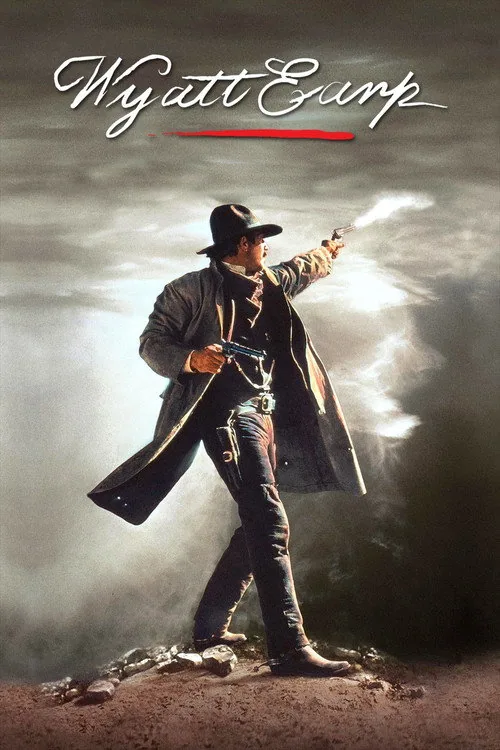
Wyatt Earp's life is traced from his youth in Iowa through a series of losses, frontier work, and the rise of the lawman who becomes associated with Tombstone and the gunfight at the O.K. Corral. The Western gives space to his brothers and their family ties as well as to the public legend of the marshal. Kevin Costner's long biographical film presents a slower, expansive account of how personal grief and repeated moves shaped Earp's identity before the famous confrontation.
Based on recorded story, mood and style. Your preferences can change the order.
Criminal underworld
What changes Tombstone: ensemble western and escalating conflict. The Harder They Fall: ensemble western, confrontation-driven and action set pieces.
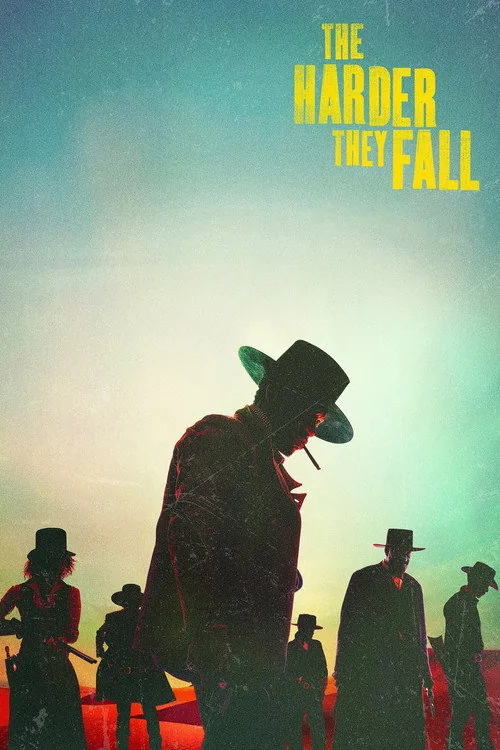
When outlaw Rufus Buck is released from prison, Nat Love gathers a group of allies to confront the man who murdered his parents. Their hunt draws in two rival gangs and the people connected to them, including saloon owner Stagecoach Mary and Buck’s lieutenant Trudy Smith. Jeymes Samuel’s stylized Western gives Black frontier figures the center of a revenge saga, mixing historical names with fictional events, sharp humor, gunfights, and an anachronistic soundtrack.
Based on recorded story, mood and style. Your preferences can change the order.
Criminal underworld
What changes Tombstone: ensemble western and escalating conflict. Young Guns II: pursuit-led and reflective breaks.
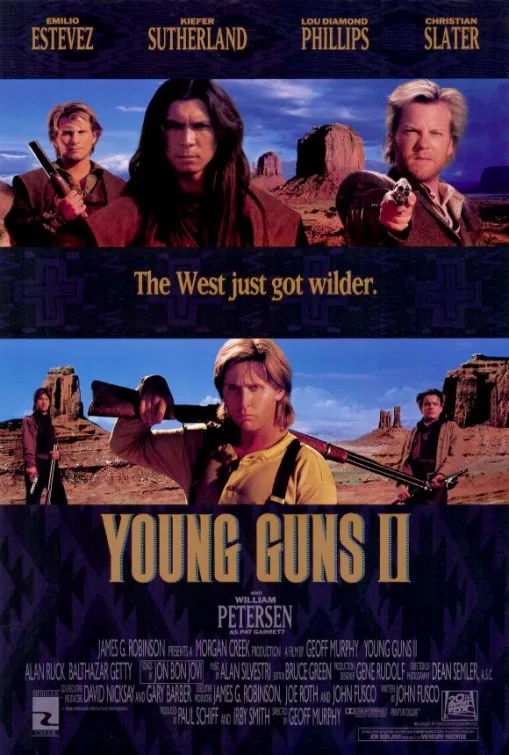
Billy the Kid and his companions remain fugitives as Pat Garrett closes in, while an older narrator claims to be the outlaw recounting his past. The film mixes western action with a story about how a notorious life becomes legend, giving the chase a second layer of uncertainty about memory and identity. The group faces changing loyalties as the open range offers less freedom than it once did.
Based on recorded story, mood and style. Your preferences can change the order.
Criminal underworld
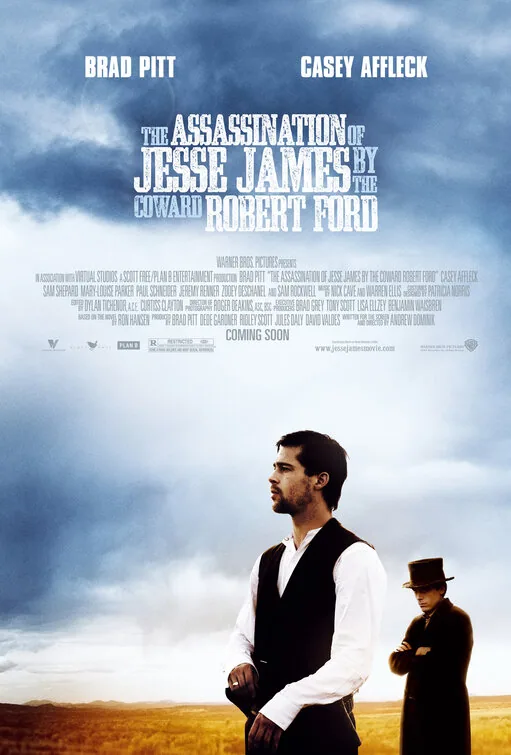
What changes Tombstone: ensemble western and escalating conflict. The Assassination of Jesse James by the Coward Robert Ford: slow-burn character study and sudden violence.
Young Robert Ford idolizes outlaw Jesse James and works his way into the James gang, expecting proximity to bring him the heroic life he has imagined. Jesse's wary attention first flatters Bob, then makes him fear how unpredictable the outlaw can be. As the gang frays and Bob's admiration turns into resentment and calculation, he accepts a bounty to betray Jesse. The killing makes Bob famous, but public attention cannot grant him the stature he wanted. The film follows the long aftermath of an act that becomes a story both men cannot control.
Both centre on criminal power and compromised loyalty.
Why this matches +
Genres: Western / Heist
Shared film traits
Based on recorded story, mood and style. Your preferences can change the order.
Criminal underworld
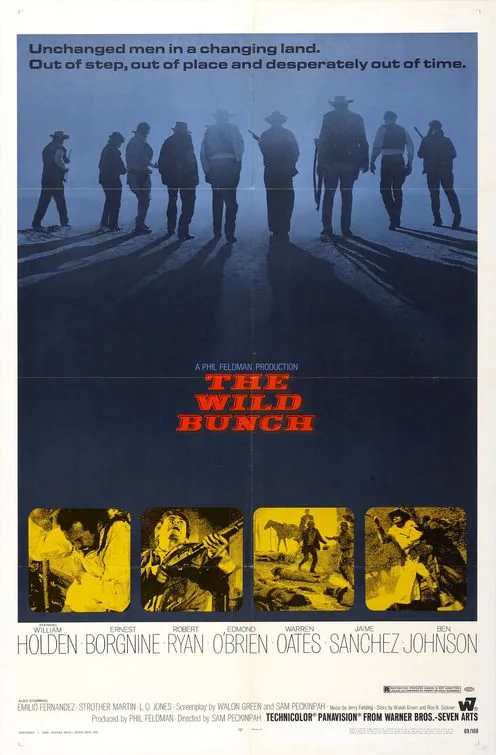
What changes Tombstone: ensemble western and escalating conflict. The Wild Bunch: slow build and explosive violence.
Aging outlaw Pike Bishop leads his gang into a botched railroad-office robbery in Texas, where they are unexpectedly met by former associate Deke Thornton and bounty hunters. With their old methods increasingly ineffective, Pike and the survivors flee into Mexico and accept work from General Mapache during the revolution. Their attempts to profit from arms dealings collide with the growing costs of serving a military strongman and with the gang’s own understanding of loyalty. The men’s final decision is less a return to heroic freedom than a recognition of what their trade has made of them. The gang’s final choices expose the difference between loyalty to one another and service to a violent ruler.
Based on recorded story, mood and style. Your preferences can change the order.
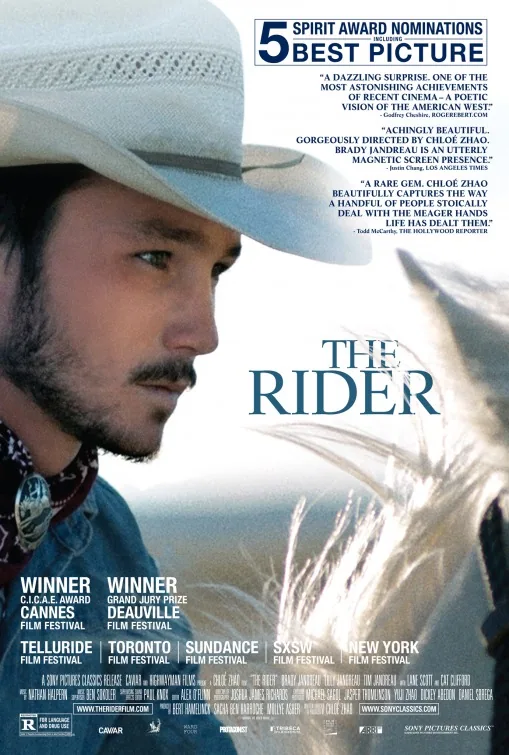
What changes Tombstone: ensemble western and escalating conflict. The Rider: patient, observational and episodic.
After a serious head injury ends his competitive rodeo career, young Lakota horseman Brady Blackburn returns to life on the Pine Ridge Reservation. He trains horses and spends time with friends, but his identity is closely tied to riding and to the possibility of competing again. His sister Lilly and father Wayne share his home, while Brady’s visits to fellow riders facing disability make the cost of his decision harder to ignore. Chloé Zhao filmed with nonprofessional performers whose lives closely inform the story.
Based on recorded story, mood and style. Your preferences can change the order.
Criminal underworld
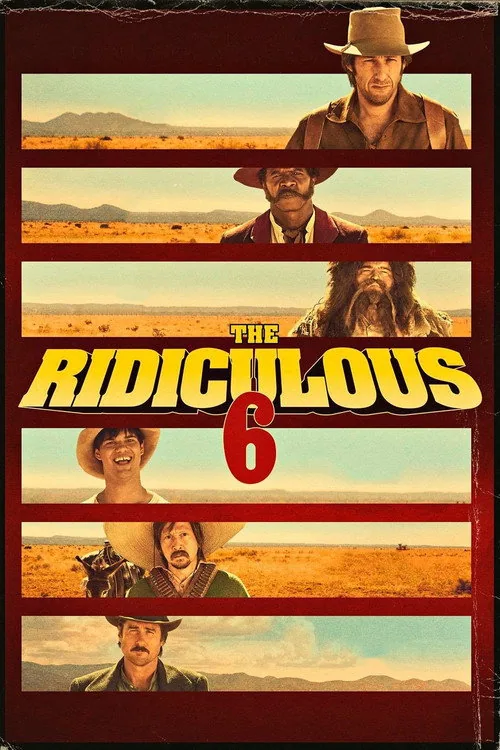
What changes Tombstone: ensemble western and escalating conflict. The Ridiculous 6: episodic western comedy, ensemble introductions and bandit action finale.
Tommy Stockburn, raised by an Indigenous community and known as White Knife, learns that a dying bank robber is his biological father. His search for the man's buried fortune brings together five half-brothers from different backgrounds, each with an unusual skill and his own grievance. The men travel through a comic version of the Old West while rival outlaws pursue the same money. The ensemble Western uses parody and broad caricature to turn an inherited family connection into a road quest.
Based on recorded story, mood and style. Your preferences can change the order.
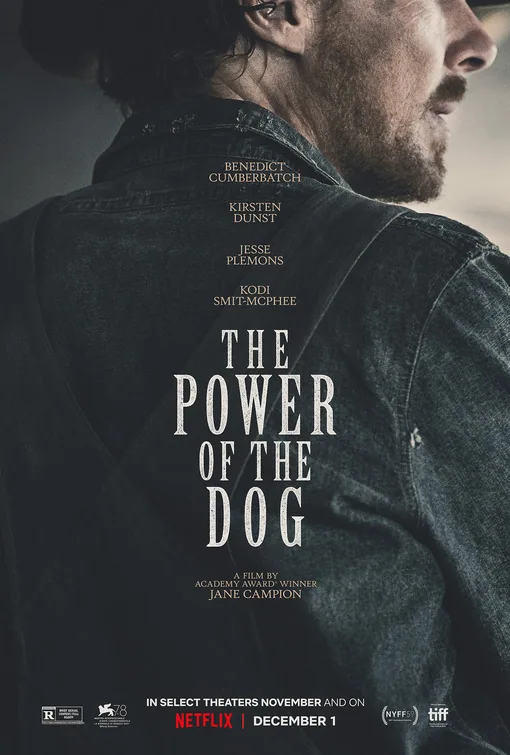
What changes Tombstone: ensemble western and escalating conflict. The Power of the Dog: slow-burn and measured.
In 1925 Montana, brothers Phil and George Burbank meet widow Rose Gordon while driving cattle. George marries Rose, and she moves to the ranch with her son Peter, whose quiet manner Phil mocks. Phil's contempt and displays of masculine authority unsettle Rose, who retreats into alcohol while Peter is away studying medicine. When Peter returns, Phil's treatment of him changes: an uneasy mentorship grows around rope-making and the memory of Bronco Henry, the cowboy Phil revered. Small acts and withheld information gradually alter the power inside the household. Jane Campion's adaptation of Thomas Savage's novel builds a psychological Western from what characters refuse to say, making the ranch's wide landscape feel less open than the social rules that govern it.
Based on recorded story, mood and style. Your preferences can change the order.
Criminal underworld
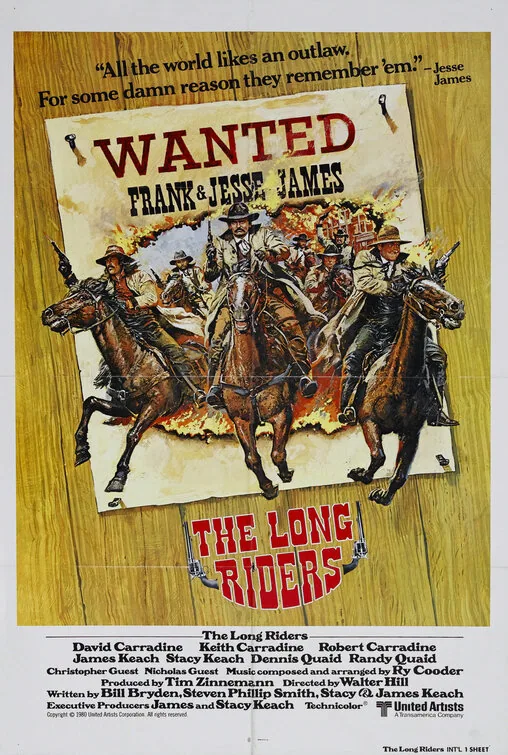
What changes Tombstone: ensemble western and escalating conflict. The Long Riders: measured and confrontation-driven.
The James-Younger gang's robberies and escapes are retold through a cast that includes real-life actor brothers playing historical outlaw brothers. The film emphasizes the group's family bonds, the violence of the frontier and the law's growing pressure, rather than treating the gang as uncomplicated folk heroes. Its deliberate western style makes the consequences of criminal life as visible as the attraction of rebellion.
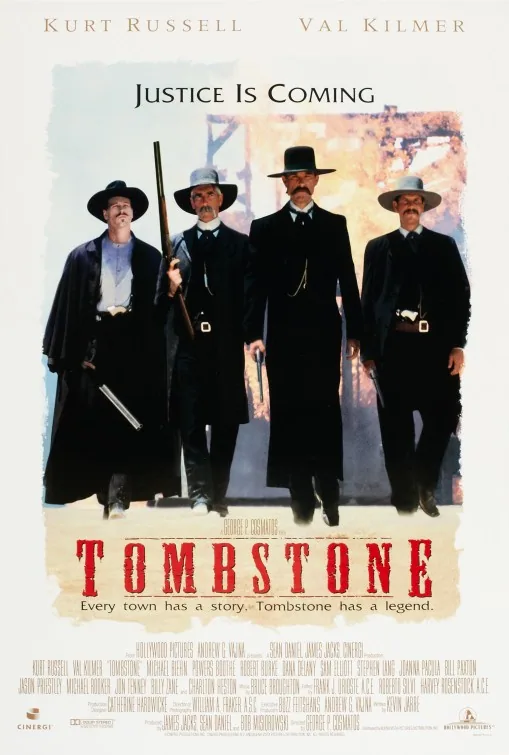
After leaving law enforcement, Wyatt Earp hopes to settle into a quieter life in Tombstone with his brothers and their families. The town’s rapid growth and the presence of the outlaw Cowboys draw the Earps into escalating disputes, while Wyatt’s friend Doc Holliday arrives with a failing body and a quick temper. The confrontation at the O.K. Corral and its aftermath make retreat increasingly difficult, especially after the Cowboys target Wyatt’s family. The film dramatizes historical figures and events through a strong friendship-and-vendetta structure rather than presenting itself as a neutral record of the Arizona frontier. Doc Holliday’s illness gives his loyalty to Wyatt a mortality that the film’s gunfights cannot conceal.
What drives the story
A retired lawman’s attempt at domestic peace is overtaken by factional violence that turns a public gunfight into a personal vendetta.
The people at its centre
Wyatt’s restraint and Doc’s reckless loyalty pull in opposite directions; their friendship gives the revenge story an emotional center beyond law enforcement.
What it feels like
The film favors ensemble banter, iconic western staging and bursts of gunfire, balancing historical legend with melodramatic character conflict.
Worth knowing
For viewers drawn to a character-led western about friendship, reputation and retaliation. It is a dramatized frontier legend, not a comprehensive account of Tombstone’s history.