Explore films connected to Wyatt Earp through family loyalty, law and legend, grief and reinvention. Choose the qualities you want to carry into your next watch.
What should feel similar?
Find your next favourite
9 films · Closest overall matches
Hide films you’ve seen or don’t want. Saved on this device.
No matches for this combination yet.
Try another option or reset your choices to see more films.
Based on recorded story, mood and style. Your preferences can change the order.
Criminal underworld
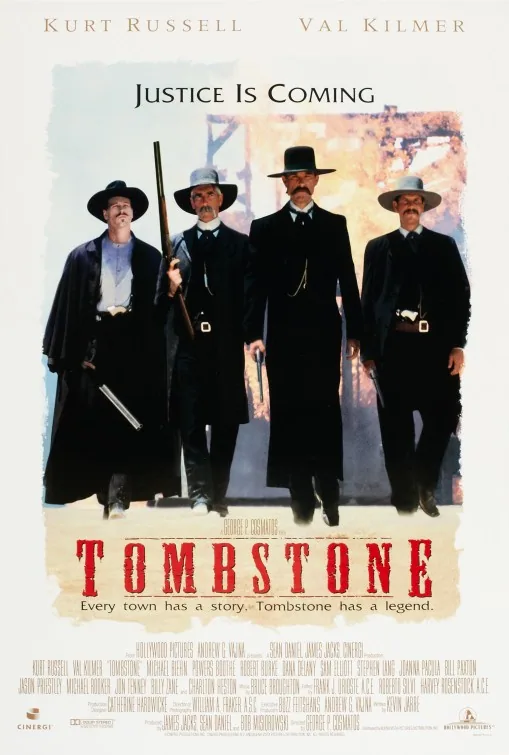
What changes Wyatt Earp: long chronological arc, character-driven transitions and extended western set pieces. Tombstone: ensemble western and escalating conflict.
After leaving law enforcement, Wyatt Earp hopes to settle into a quieter life in Tombstone with his brothers and their families. The town’s rapid growth and the presence of the outlaw Cowboys draw the Earps into escalating disputes, while Wyatt’s friend Doc Holliday arrives with a failing body and a quick temper. The confrontation at the O.K. Corral and its aftermath make retreat increasingly difficult, especially after the Cowboys target Wyatt’s family. The film dramatizes historical figures and events through a strong friendship-and-vendetta structure rather than presenting itself as a neutral record of the Arizona frontier. Doc Holliday’s illness gives his loyalty to Wyatt a mortality that the film’s gunfights cannot conceal.
Based on recorded story, mood and style. Your preferences can change the order.
Criminal underworld
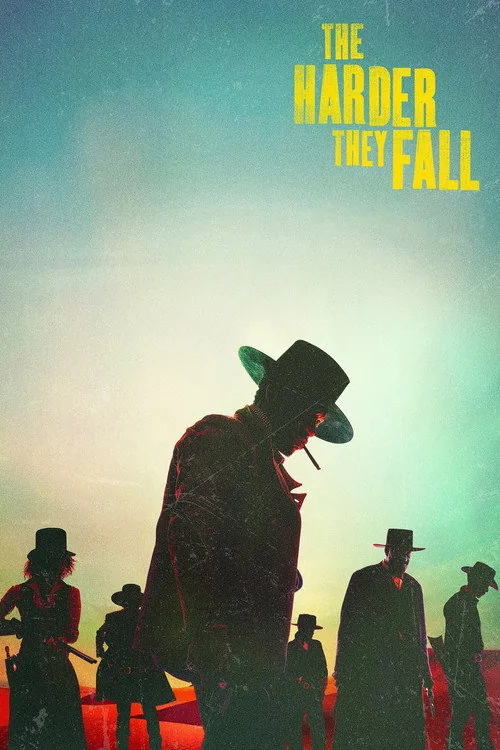
What changes Wyatt Earp: long chronological arc, character-driven transitions and extended western set pieces. The Harder They Fall: ensemble western, confrontation-driven and action set pieces.
When outlaw Rufus Buck is released from prison, Nat Love gathers a group of allies to confront the man who murdered his parents. Their hunt draws in two rival gangs and the people connected to them, including saloon owner Stagecoach Mary and Buck’s lieutenant Trudy Smith. Jeymes Samuel’s stylized Western gives Black frontier figures the center of a revenge saga, mixing historical names with fictional events, sharp humor, gunfights, and an anachronistic soundtrack.
Based on recorded story, mood and style. Your preferences can change the order.
Criminal underworld
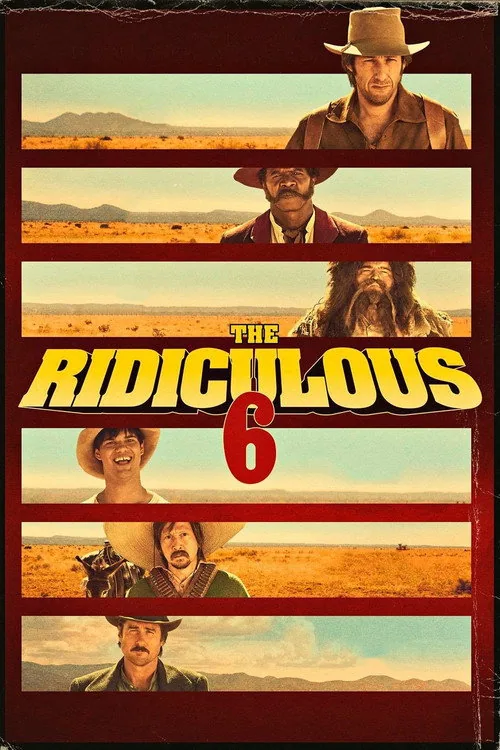
What changes Wyatt Earp: long chronological arc, character-driven transitions and extended western set pieces. The Ridiculous 6: episodic western comedy, ensemble introductions and bandit action finale.
Tommy Stockburn, raised by an Indigenous community and known as White Knife, learns that a dying bank robber is his biological father. His search for the man's buried fortune brings together five half-brothers from different backgrounds, each with an unusual skill and his own grievance. The men travel through a comic version of the Old West while rival outlaws pursue the same money. The ensemble Western uses parody and broad caricature to turn an inherited family connection into a road quest.
Based on recorded story, mood and style. Your preferences can change the order.
Criminal underworld
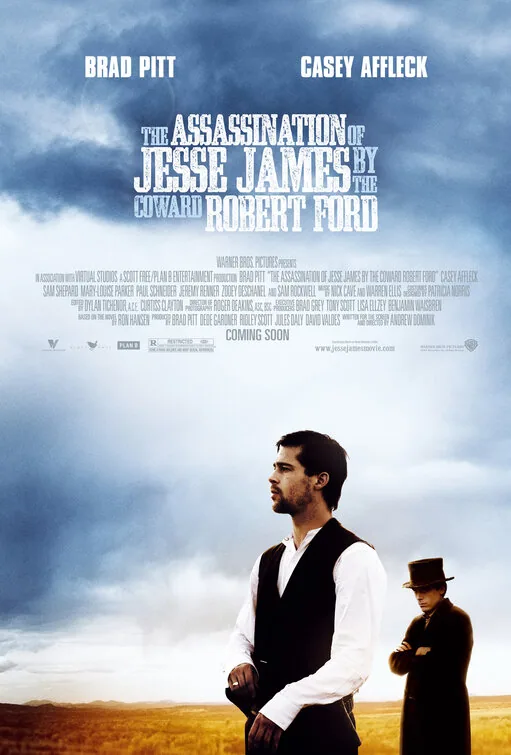
What changes Wyatt Earp: long chronological arc, character-driven transitions and extended western set pieces. The Assassination of Jesse James by the Coward Robert Ford: slow-burn character study and sudden violence.
Young Robert Ford idolizes outlaw Jesse James and works his way into the James gang, expecting proximity to bring him the heroic life he has imagined. Jesse's wary attention first flatters Bob, then makes him fear how unpredictable the outlaw can be. As the gang frays and Bob's admiration turns into resentment and calculation, he accepts a bounty to betray Jesse. The killing makes Bob famous, but public attention cannot grant him the stature he wanted. The film follows the long aftermath of an act that becomes a story both men cannot control.
Based on recorded story, mood and style. Your preferences can change the order.
Criminal underworld
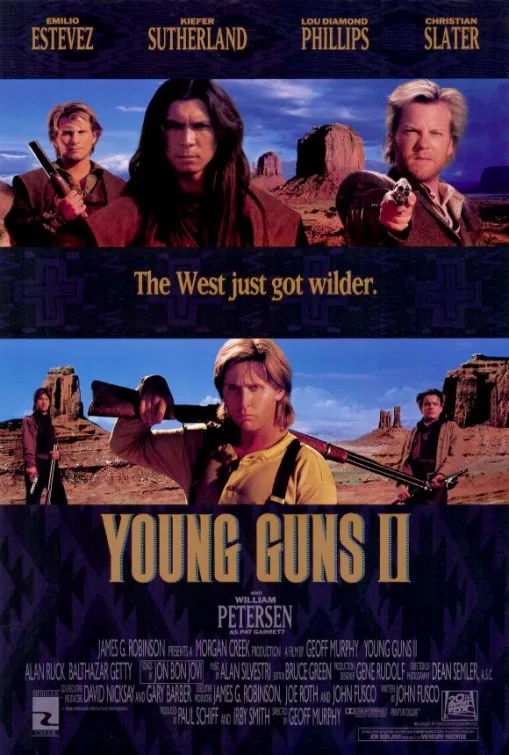
What changes Wyatt Earp: long chronological arc, character-driven transitions and extended western set pieces. Young Guns II: pursuit-led and reflective breaks.
Billy the Kid and his companions remain fugitives as Pat Garrett closes in, while an older narrator claims to be the outlaw recounting his past. The film mixes western action with a story about how a notorious life becomes legend, giving the chase a second layer of uncertainty about memory and identity. The group faces changing loyalties as the open range offers less freedom than it once did.
Based on recorded story, mood and style. Your preferences can change the order.
Criminal underworld
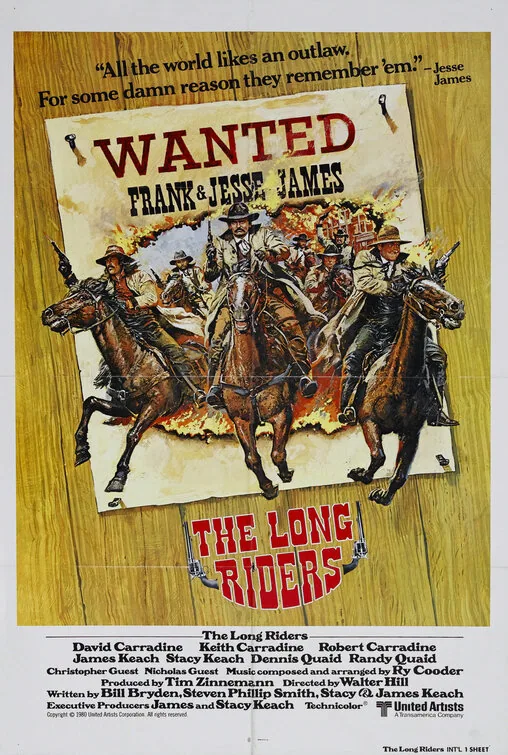
What changes Wyatt Earp: long chronological arc, character-driven transitions and extended western set pieces. The Long Riders: measured and confrontation-driven.
The James-Younger gang's robberies and escapes are retold through a cast that includes real-life actor brothers playing historical outlaw brothers. The film emphasizes the group's family bonds, the violence of the frontier and the law's growing pressure, rather than treating the gang as uncomplicated folk heroes. Its deliberate western style makes the consequences of criminal life as visible as the attraction of rebellion.
Based on recorded story, mood and style. Your preferences can change the order.
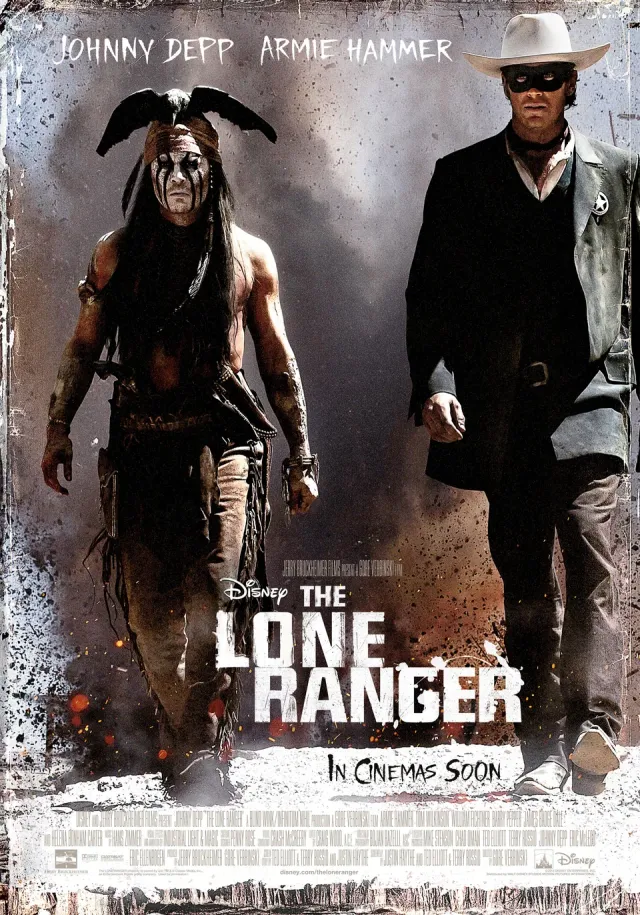
What changes Wyatt Earp: long chronological arc, character-driven transitions and extended western set pieces. The Lone Ranger: flashback adventure and train-set-piece climax.
Lawman John Reid returns to Texas and joins a posse led by his brother Dan to pursue escaped outlaw Butch Cavendish. The pursuit goes wrong, leaving John to ally with Tonto, a Comanche man whose history with Cavendish reaches back to a traumatic betrayal. As they follow the railroad’s expansion and a scheme involving land and silver, John’s faith in formal justice is repeatedly tested. Tonto narrates the adventure years later, shaping the film as a story about memory, revenge and the legends people choose to tell.
Based on recorded story, mood and style. Your preferences can change the order.
Criminal underworld
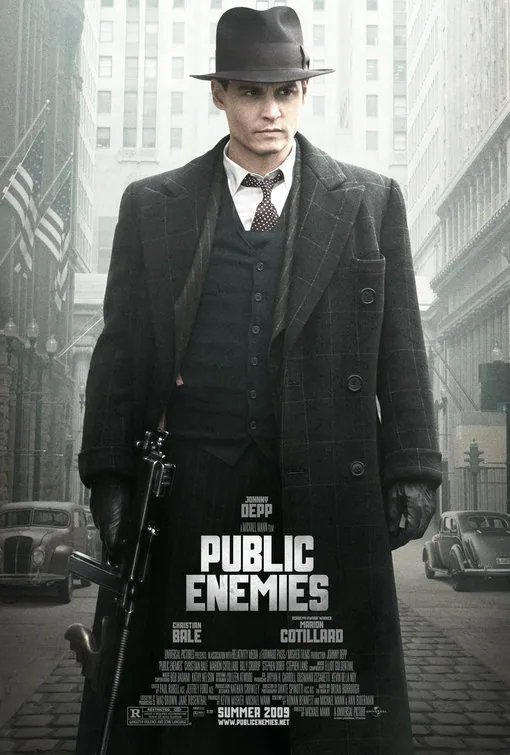
What changes Wyatt Earp: long chronological arc, character-driven transitions and extended western set pieces. Public Enemies: fast, pursuit-driven and episodic.
In 1933, bank robber John Dillinger breaks his crew out of Indiana State Prison and begins a run of high-profile robberies. FBI agent Melvin Purvis receives the assignment to capture him as J. Edgar Hoover pushes the bureau toward modern crime-fighting methods. Dillinger’s relationship with Billie Frechette develops amid the robberies, escapes and growing law-enforcement pressure, while Purvis’s pursuit becomes increasingly personal. The film follows the final stretch of Dillinger’s freedom through shifting safe houses, prison breaks and the government’s attempt to turn one outlaw into a public example. His career ends outside Chicago’s Biograph Theater.
Based on recorded story, mood and style. Your preferences can change the order.
Memory and identity
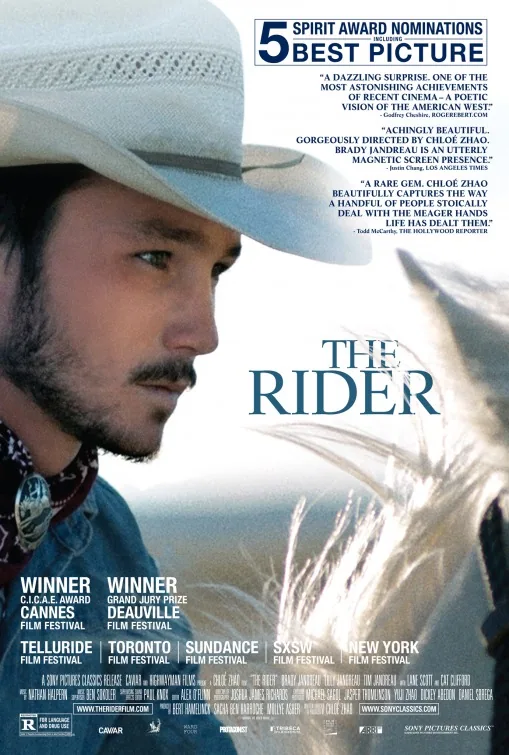
What changes Wyatt Earp: long chronological arc, character-driven transitions and extended western set pieces. The Rider: patient, observational and episodic.
After a serious head injury ends his competitive rodeo career, young Lakota horseman Brady Blackburn returns to life on the Pine Ridge Reservation. He trains horses and spends time with friends, but his identity is closely tied to riding and to the possibility of competing again. His sister Lilly and father Wayne share his home, while Brady’s visits to fellow riders facing disability make the cost of his decision harder to ignore. Chloé Zhao filmed with nonprofessional performers whose lives closely inform the story.
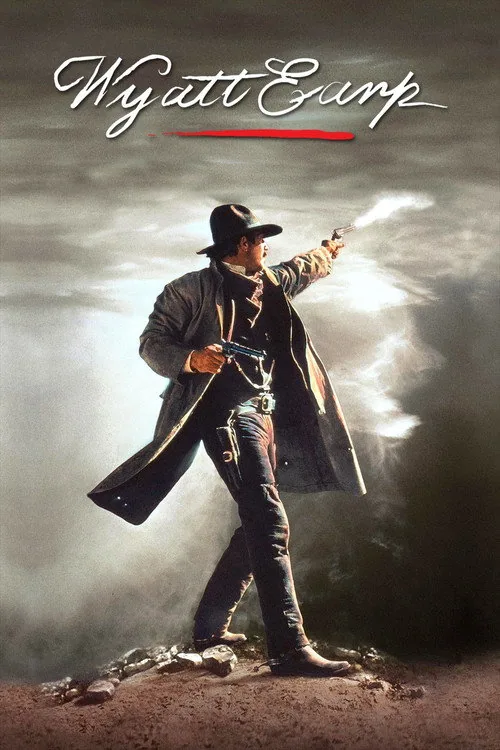
Wyatt Earp's life is traced from his youth in Iowa through a series of losses, frontier work, and the rise of the lawman who becomes associated with Tombstone and the gunfight at the O.K. Corral. The Western gives space to his brothers and their family ties as well as to the public legend of the marshal. Kevin Costner's long biographical film presents a slower, expansive account of how personal grief and repeated moves shaped Earp's identity before the famous confrontation.
What drives the story
A family tragedy and a series of frontier jobs carry Wyatt Earp from farm life into the law and the Tombstone legend.
The people at its centre
Wyatt's brothers remain central to his loyalties even as marriage, grief, and law work pull the family in different directions.
What it feels like
A lengthy biographical Western emphasizes the events and relationships leading up to the famous gunfight.
Worth knowing
Its scope follows Earp's life over decades and gives family history more room than a narrow O.K. Corral retelling.
family loyaltylaw and legendgrief and reinvention
Mood
epic · measured · somber
Pacing
long chronological arc · character-driven transitions · extended western set pieces
Visual style
wide frontier landscapes · period town detail · classic Western framing
Storytelling
lawman's life spans multiple frontier towns · brothers share a family saga · O.K. Corral emerges late in the biography