Explore films connected to Tusk through Storytelling and obsession, Humanity and animalization, Friendship under threat. Choose the qualities you want to carry into your next watch.
What should feel similar?
Find your next favourite
9 films · Closest overall matches
Hide films you’ve seen or don’t want. Saved on this device.
No matches for this combination yet.
Try another option or reset your choices to see more films.
Based on recorded story, mood and style. Your preferences can change the order.
Escape and pursuit
What changes Tusk: comic opening, sudden tonal shift and body-horror escalation. Creep: slow-burn, social tension and sudden escalation.
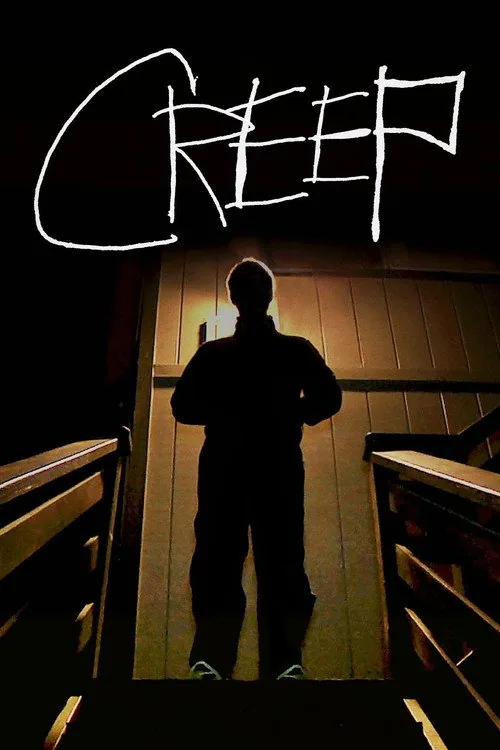
Videographer Aaron accepts a one-day job recording Josef, a man who says an inoperable brain tumor will prevent him from meeting his unborn child. The assignment begins as an intimate video diary in a remote California cabin, but Josef’s changing behavior makes Aaron question the sincerity and safety of the job. As the camera continues recording, personal disclosures become pressure and threat. Patrick Brice’s found-footage horror film turns an apparently ordinary client relationship into an unnerving two-person encounter.
Based on recorded story, mood and style. Your preferences can change the order.
Survival · Escape and pursuit
What changes Tusk: comic opening, sudden tonal shift and body-horror escalation. Cabin Fever: escalating, ensemble panic and graphic set pieces.
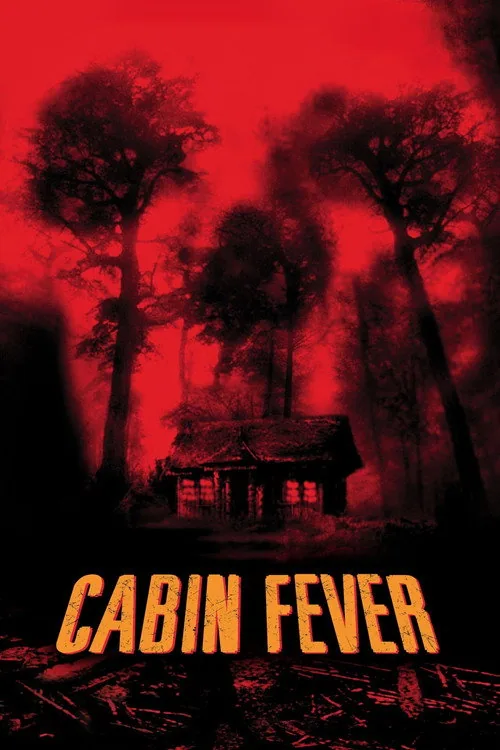
Five college friends rent a remote cabin for a vacation, hoping to spend time away from school and work. Their trip changes when a severely ill hermit arrives, and the group learns that a flesh-eating infection is spreading through the area. Fear of contagion reshapes their relationships and their responses to strangers, while a lack of reliable help leaves them increasingly isolated. Eli Roth’s horror comedy combines body horror, rural isolation, and distrust among friends in a deliberately abrasive genre exercise.
Based on recorded story, mood and style. Your preferences can change the order.
What changes Tusk: comic opening, sudden tonal shift and body-horror escalation. Together: a couple’s relocation becomes a gradual body-horror transformation.
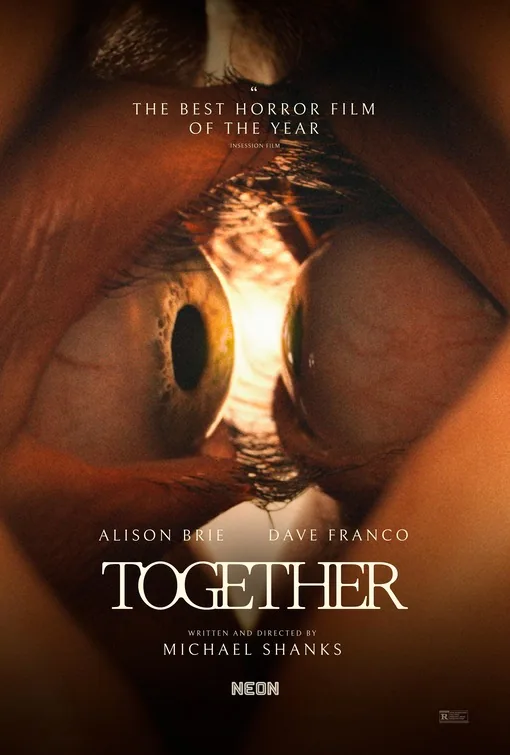
Longtime couple Millie and Tim move to the countryside, where a strange encounter with a cave and water source begins to alter their bodies and relationship. The physical changes make their codependence literal, forcing them to confront fears about commitment, autonomy, and separation. The horror comedy turns a relationship crisis into grotesque transformation, using body horror to explore how love can support two people and also swallow their identities.
Based on recorded story, mood and style. Your preferences can change the order.
Survival
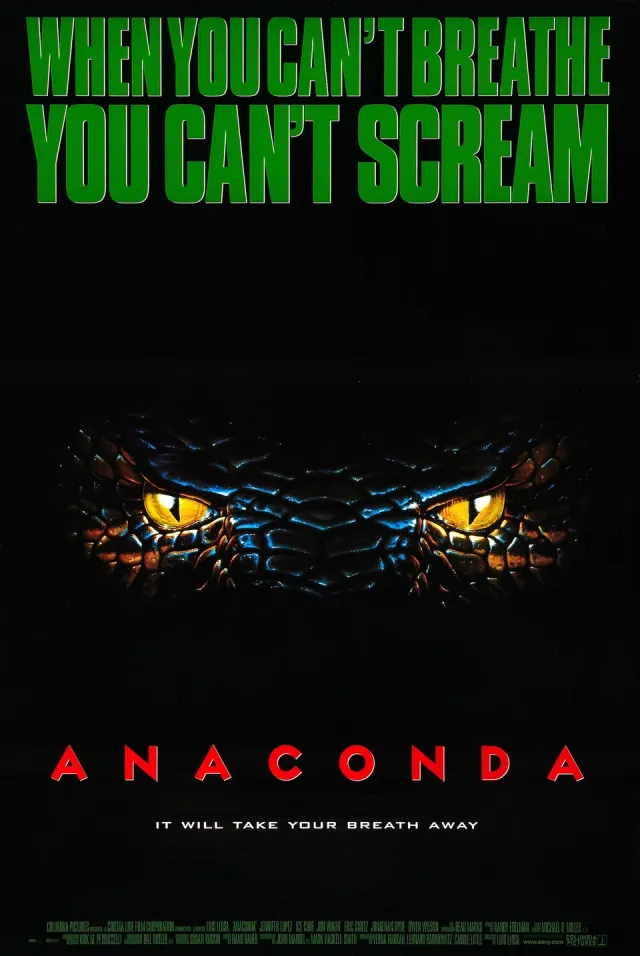
What changes Tusk: comic opening, sudden tonal shift and body-horror escalation. Anaconda: fast.
A documentary crew travels into the Amazon and takes aboard a stranded man who claims to know the river. His guidance increasingly serves a private hunt for a giant snake, forcing the filmmakers into danger they did not choose. The creature threat and the human commandeering of the expedition reinforce one another, turning limited transport and uncertain local knowledge into means of confinement.
Based on recorded story, mood and style. Your preferences can change the order.
Survival · Escape and pursuit
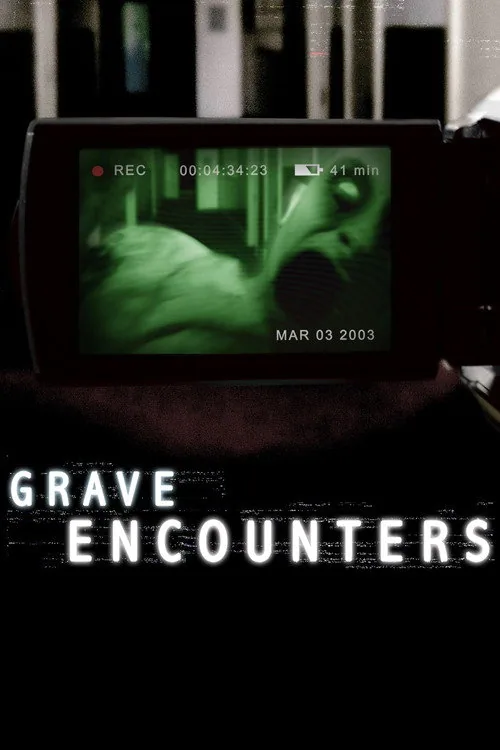
What changes Tusk: comic opening, sudden tonal shift and body-horror escalation. Grave Encounters: mockumentary setup, escalating supernatural confinement and found-footage collapse.
A reality television crew enters an abandoned psychiatric hospital to film an overnight episode of its paranormal-investigation show. The host initially treats the location’s stories as material for a performance, but the locked building begins to shift in impossible ways and the crew cannot find an exit. Their cameras record the escalating experience as skepticism gives way to fear. The Vicious Brothers’ found-footage horror film uses the mockumentary setup to trap its cast inside a supposedly haunted institution.
Based on recorded story, mood and style. Your preferences can change the order.
Survival
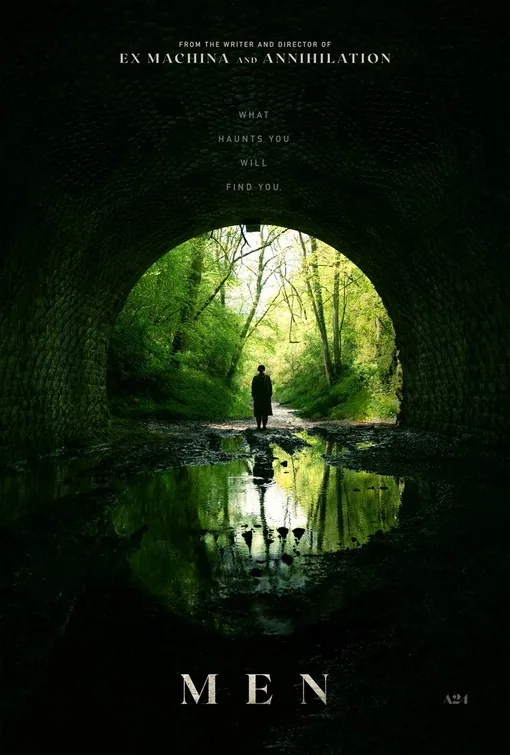
What changes Tusk: comic opening, sudden tonal shift and body-horror escalation. Men: a sparse retreat story intensifies through repeated encounters and images.
Harper rents a country house after her husband dies and spends time alone in an English village. Walks through the surrounding woods and encounters with local men blur the boundary between ordinary discomfort and the uncanny. The folk horror externalizes grief and abuse through repetition and bodily imagery, leaving viewers to interpret how memory, guilt, and gendered threat shape Harper’s experience.
Based on recorded story, mood and style. Your preferences can change the order.
Survival
What changes Tusk: comic opening, sudden tonal shift and body-horror escalation. Cocaine Bear: fast and montage-like.
A lost shipment of cocaine brings an unusually dangerous bear into a Georgia forest, where a group of strangers arrive for very different reasons. A pair of children, a grieving mother, local law enforcement and criminals all cross paths as the animal’s rampage turns a search into chaotic survival. The comedy leans into the absurd collision between wildlife, human greed and bad timing.
Based on recorded story, mood and style. Your preferences can change the order.
Survival · Escape and pursuit
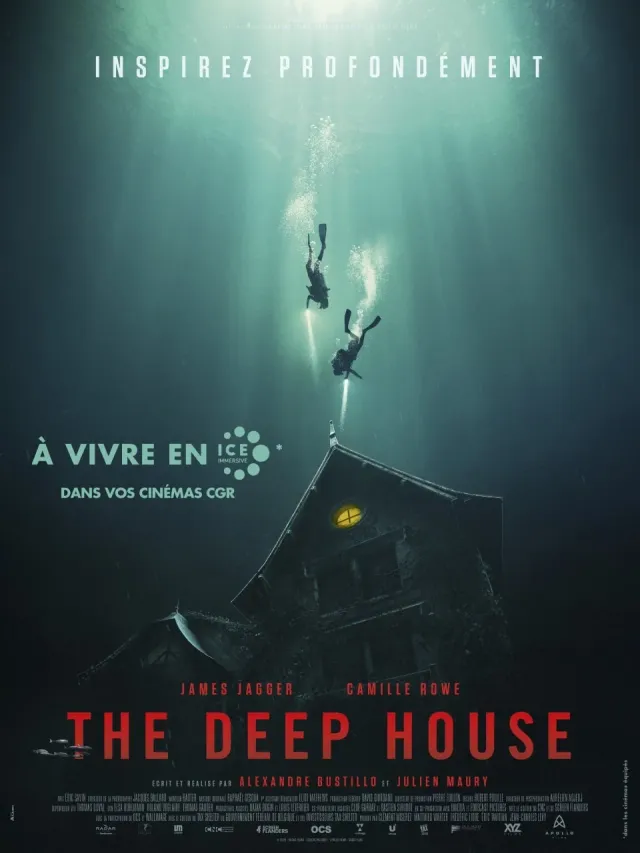
What changes Tusk: comic opening, sudden tonal shift and body-horror escalation. The Deep House: the couple pursue a promising location, descend to the submerged house, discover evidence of its history and and struggle to escape as the environment turns hostile.
Young travel video creators Ben and Tina head to a remote French lake after learning that a deserted village and its buildings lie beneath the water. They find a preserved house at the bottom and take their cameras inside, hoping for a striking exploration video. Once the couple becomes trapped underwater with signs of the house’s past around them, their planned excursion turns into a claustrophobic supernatural ordeal.
Based on recorded story, mood and style. Your preferences can change the order.
Survival
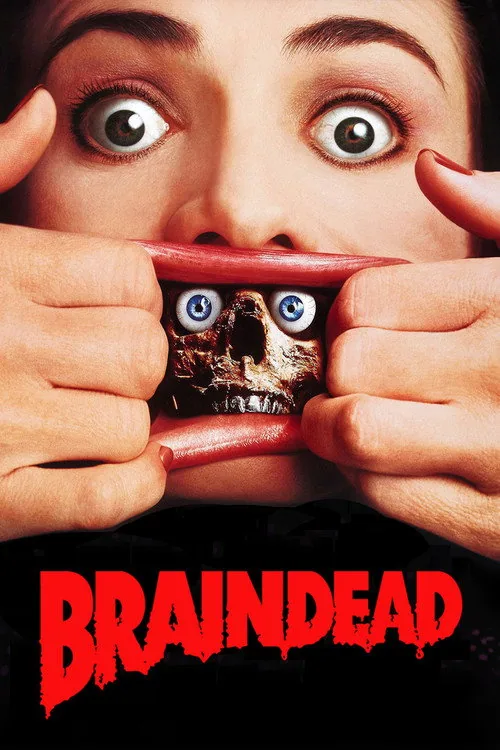
What changes Tusk: comic opening, sudden tonal shift and body-horror escalation. Braindead: lionel’s attempt to keep his mother’s condition secret allows the outbreak to spread through a party..
Meek Wellington resident Lionel Cosgrove lives under the control of his domineering mother Vera and begins dating Paquita, whose family encourages the match. During a trip to the zoo, Vera is bitten by a strange rat-monkey and becomes a zombie; Lionel tries to hide her condition and contain the growing group of infected people in the basement. When his uncle’s demands and an ill-fated party expose the secret, the undead outbreak becomes impossible to manage. Peter Jackson’s splatter comedy escalates from domestic farce to famously excessive practical gore.
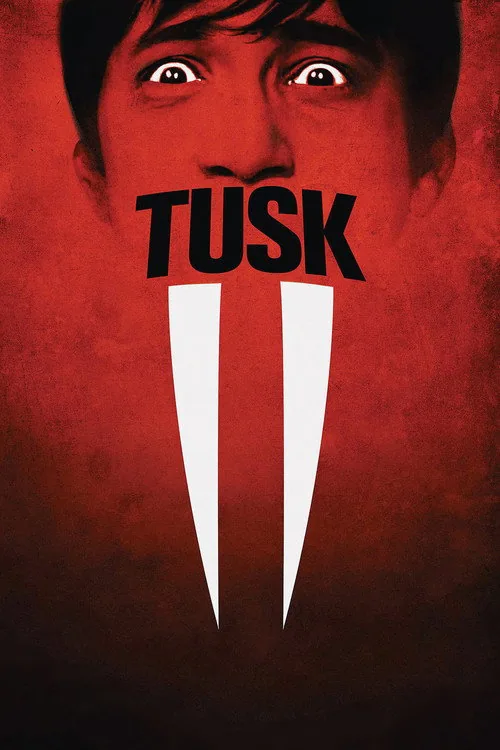
Podcast host Wallace Bryton travels to Manitoba to interview a reclusive older man who has promised an unusual story, while his friend and co-host Teddy begins to worry when Wallace stops responding. The interview turns into a grotesque captivity ordeal as the man’s obsession with a walrus shapes a series of body-horror transformations. Kevin Smith’s film shifts from broad podcast comedy to disturbing horror and contains graphic surgery, confinement, and body transformation.
What drives the story
Wallace’s search for a sensational interview leads to captivity, while Teddy tries to locate the friend who has vanished.
The people at its centre
Wallace’s brash public persona meets Howe’s controlling obsession, and the friendship outside the house motivates the search.
What it feels like
The film moves sharply from talky comedy into grotesque body horror, with graphic transformation and captivity material.
Worth knowing
Its creature premise grows from a podcast conversation into a deliberately strange horror-comedy, not a conventional monster attack film.
Storytelling and obsessionHumanity and animalizationFriendship under threat