Progressive illness makes an intimate promise of care increasingly difficult to sustain.
Why this matches +
Caregiving changes through sustained conversations, friendship and practical arguments about a person's dignity.
Genres: Drama / Romance
Shared film traits
Based on recorded story, mood and style. Your preferences can change the order.
What changes A husband cares for his wife in their apartment in a more enclosed and severe portrait, with no effort to reform an institution.
An elderly married couple's settled Parisian life changes after the wife suffers a stroke and becomes increasingly dependent on care. Her husband's promise to look after her at home brings routines of intimacy into contact with exhaustion, humiliation and fear. Visits from their daughter expose differences between observing decline from outside and living within its demands each day.
The production process makes rehearsing another person’s words a form of emotional inquiry.
Why this matches +
Caregiving changes through sustained conversations, friendship and practical arguments about a person's dignity.
Genres: Drama
Shared film traits
Based on recorded story, mood and style. Your preferences can change the order.
What changes A theatre director and his driver confront grief through movement and rehearsal. A care home and a friend's advancing illness give All of a Sudden its purpose.
Theater director Yūsuke Kafuku travels to Hiroshima to stage Uncle Vanya and is assigned a quiet driver, Misaki. Rehearsals, long drives and the use of recorded lines gradually create room for both to confront grief and difficult memories. Ryusuke Hamaguchi gives the adaptation a patient, conversational structure, using Chekhov’s play and the red Saab as recurring spaces where private pain can be approached indirectly.
A staged family celebration turns knowledge of approaching loss into a practical dispute over who should carry emotional responsibility.
Why this matches +
The adjacent picks examine the logistics of care or the change a close relationship undergoes near death.
An adjacent discovery: a related idea with a different viewing experience.
Genres: Drama / Comedy
Shared film traits
Based on recorded story, mood and style. Your preferences can change the order.
What changes An extended family negotiates a diagnosis and stages a wedding. The ties precede the illness and aren't forged through work around care.
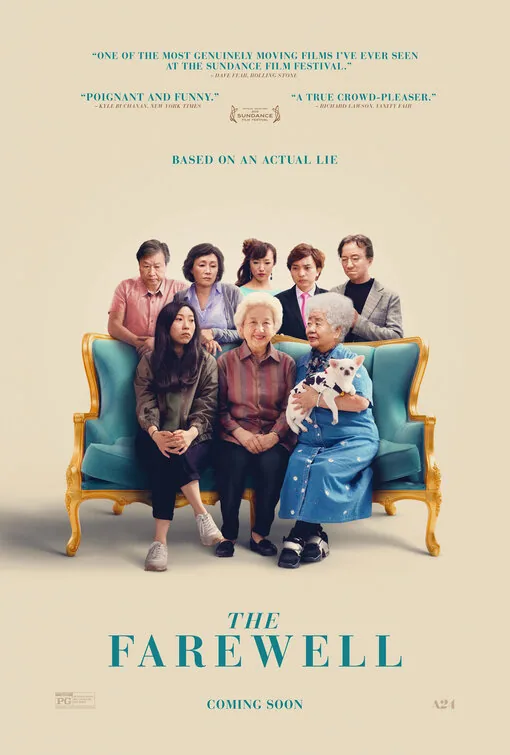
A Chinese American woman learns that her grandmother in China has received a terminal diagnosis that the family intends to conceal from her. A hastily arranged wedding creates a reason for relatives living abroad to gather without revealing why they have come. Returning against her parents' advice, the granddaughter struggles with a form of care that depends on collective concealment, while recognising that migration has already complicated what belonging and responsibility mean.
A worsening medical emergency becomes a prolonged journey as a patient is transferred among overburdened hospitals.
Why this matches +
The adjacent picks examine the logistics of care or the change a close relationship undergoes near death.
An adjacent discovery: a related idea with a different viewing experience.
Genres: Drama / Comedy
Shared film traits
Based on recorded story, mood and style. Your preferences can change the order.
What changes An elderly man's emergency journey through hospitals is a compressed black comedy, with little of the growing friendship or planned reform.
Dante Lazarescu, an older man living alone in Bucharest, feels increasingly ill and calls for help. A paramedic accompanies him through the night as hospital after hospital struggles or refuses to admit him. Their journey exposes strained medical resources, professional disagreements and the vulnerability of a patient who must rely on a system that keeps passing him along.
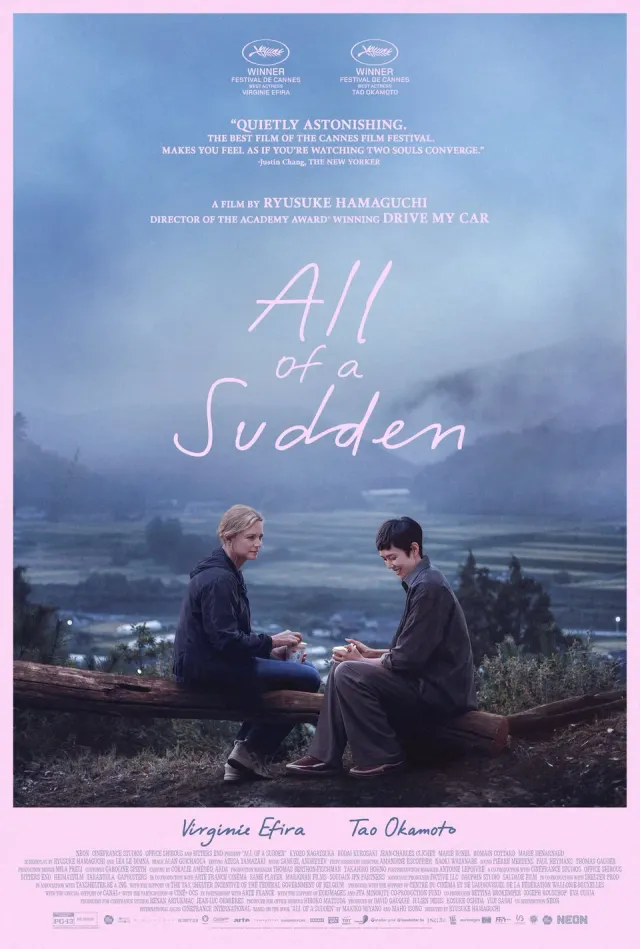
Marie-Lou runs a French care home where she tries to give residents more voice in their own daily lives. Her changes meet resistance from staff, even as a friendship with Mari, a Japanese theatre director living with cancer, expands her understanding of what care can be. The two women make time for each other and try to hold on to the possibility of change as Mari's illness advances.
What drives the story
A care-home manager's campaign for dignity changes through her friendship with a seriously ill theatre director.
The people at its centre
Marie-Lou and Mari give each other company and intellectual support while dealing with very different institutions.
What it feels like
Extended conversations allow practical arguments about care to develop alongside a gradually deepening friendship.
Worth knowing
Comparisons should attend to the labor of care and the sustained exchange between the women, beyond a shared terminal-illness premise.