A contradictory eligibility decision traps a sick worker between systems, making survival depend on navigating tasks whose completion does not produce timely support.
Why this matches +
These films share important themes, atmosphere or storytelling interests with this selection.
Genres: Drama
Shared film traits
Based on recorded story, mood and style. Your preferences can change the order.
What changes Its own story: A contradictory eligibility decision traps a sick worker between systems, making survival depend on navigating tasks whose completion does not produce timely support.
A widowed carpenter unable to resume work after a heart attack is declared fit by a benefits assessment and pushed into requirements that contradict his doctor's advice. Seeking an appeal demands computer skills, repeated explanations and performances of job-seeking that do little to meet his immediate needs. Friendship with a single mother creates a small network of practical care within the same system's failures. The social drama makes administrative delay materially consequential, contrasting ordinary competence and solidarity with procedures that refuse to recognize either.
A terminal diagnosis redirects a passive official toward one neglected civic project, then a posthumous inquiry asks whether colleagues can maintain the change he began. Building the playground is a modest civic achievement whose meaning changes after Watanabe can no longer explain it.
Why this matches +
These films share important themes, atmosphere or storytelling interests with this selection.
Genres: Drama
Shared film traits
Based on recorded story, mood and style. Your preferences can change the order.
What changes Its own story: A terminal diagnosis redirects a passive official toward one neglected civic project, then a posthumous inquiry asks whether colleagues can maintain the change he began. Building the playground is a modest civic achievement whose meaning changes after Watanabe can no longer explain it.
Municipal clerk Kanji Watanabe learns that he is dying after decades of routine work and first tries to use nightlife to fill the time he has left. A younger colleague’s vitality shows him what he has been missing, but purpose takes practical form when he presses the city to build a playground requested by neighborhood residents. After his death, the film shifts to coworkers reconstructing his actions and gradually losing resolve to change their own habits. This two-part structure makes the project meaningful without promising institutional reform: what Watanabe achieved can be acknowledged, misunderstood and absorbed by the bureaucracy he briefly moved.
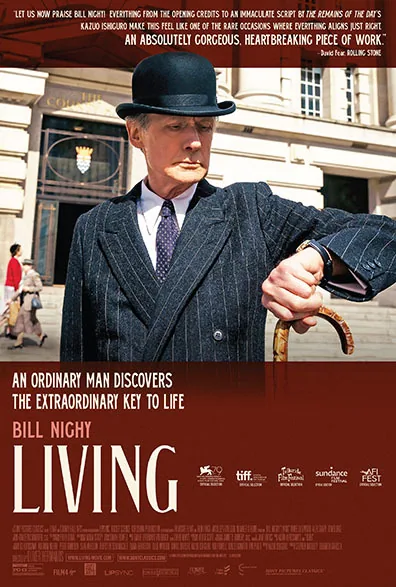
A terminal diagnosis forces Williams to reconsider a playground petition that his department has repeatedly passed along.
Why this matches +
These films share important themes, atmosphere or storytelling interests with this selection.
Genres: Drama
Shared film traits
Based on recorded story, mood and style. Your preferences can change the order.
What changes Its own story: A terminal diagnosis forces Williams to reconsider a playground petition that his department has repeatedly passed along.
In 1950s London, senior council clerk Rodney Williams has spent years moving paperwork through a bureaucracy that leaves little room for initiative. A group of women’s petition for a playground returns to his desk, and a terminal diagnosis changes how he thinks about his remaining time. New employee Mr. Wakeling and other encounters help Williams redirect his attention toward a modest public project, in this English adaptation of Akira Kurosawa’s Ikiru.
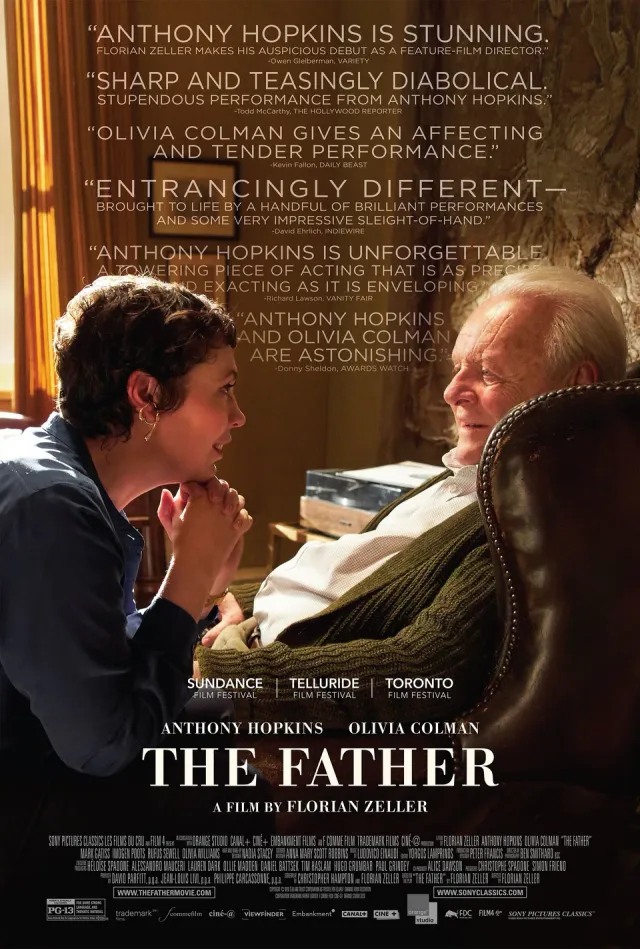
Shifting actors, rooms and timelines are not a puzzle for Anthony to solve; they place viewers inside the disorientation that shapes his choices.
Why this matches +
These films share important themes, atmosphere or storytelling interests with this selection.
Genres: Drama / Psychological
Shared film traits
Based on recorded story, mood and style. Your preferences can change the order.
What changes Its own story: Shifting actors, rooms and timelines are not a puzzle for Anthony to solve; they place viewers inside the disorientation that shapes his choices.
Anthony, an older man living alone in London, insists he does not need help even as his daughter Anne struggles to find a caregiver he will accept. He is certain his watch has been stolen and that Anne is still married, but the people and rooms around him begin to change without warning. A man who claims to be Anne’s husband appears in Anthony’s flat; Anne herself seems to have a different face, and dates and memories refuse to line up. The film stays close to Anthony’s perception, making the audience share his uncertainty rather than explain it from outside. As Anne weighs her responsibilities and her own life, Anthony searches for the familiar home and mother he can no longer locate.
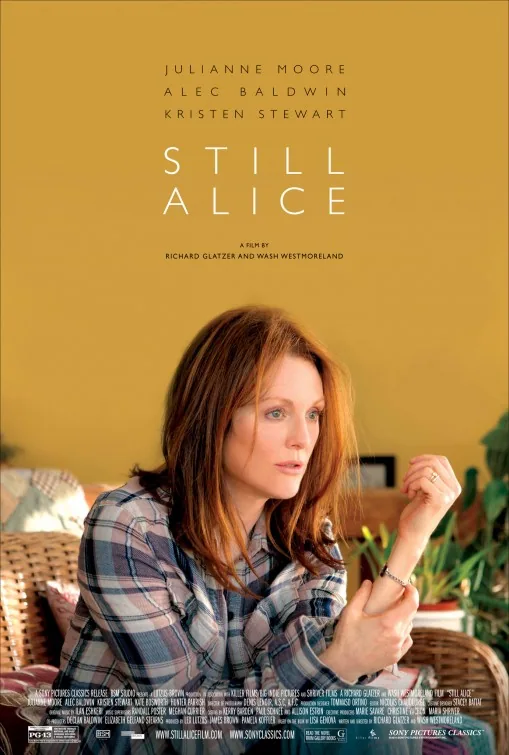
The loss of language makes everyday work and family conversation newly difficult, so Alice's tools for holding onto agency become central to the story.
Why this matches +
These films share important themes, atmosphere or storytelling interests with this selection.
Genres: Drama
Shared film traits
Based on recorded story, mood and style. Your preferences can change the order.
What changes Its own story: The loss of language makes everyday work and family conversation newly difficult, so Alice's tools for holding onto agency become central to the story.
Alice Howland is a successful linguistics professor whose occasional word loss and disorientation lead to a diagnosis of early-onset familial Alzheimer's disease. As she builds reminders and routines to preserve independence, her husband John and their adult children respond in different ways. Her daughter Anna learns she carries the inherited risk, while aspiring actress Lydia declines testing and remains closely involved with her mother. Alice's career, memory and ability to communicate change over time, shifting the family's idea of care and of who Alice is.
A bereaved retiree’s repeated attempts to withdraw are interrupted by neighbors who draw him back into communal life.
Why this matches +
These films explore a related idea in a different setting, genre or style.
An adjacent discovery: a related idea with a different viewing experience.
Genres: Drama / Comedy
Shared film traits
Based on recorded story, mood and style. Your preferences can change the order.
What changes Its own story: A bereaved retiree’s repeated attempts to withdraw are interrupted by neighbors who draw him back into communal life.
After losing his wife and retiring from work, Otto tries to impose order on a neighborhood that keeps interrupting his routines. A lively family moves in nearby and repeatedly needs his help, drawing him into relationships he had decided were no longer worth the effort. The drama lets grief and irritation coexist, finding warmth in the way practical acts of care can reopen a life.
Progressive illness makes an intimate promise of care increasingly difficult to sustain.
Why this matches +
These films explore a related idea in a different setting, genre or style.
An adjacent discovery: a related idea with a different viewing experience.
Genres: Drama / Romance
Shared film traits
Based on recorded story, mood and style. Your preferences can change the order.
What changes Its own story: Progressive illness makes an intimate promise of care increasingly difficult to sustain.
An elderly married couple's settled Parisian life changes after the wife suffers a stroke and becomes increasingly dependent on care. Her husband's promise to look after her at home brings routines of intimacy into contact with exhaustion, humiliation and fear. Visits from their daughter expose differences between observing decline from outside and living within its demands each day.
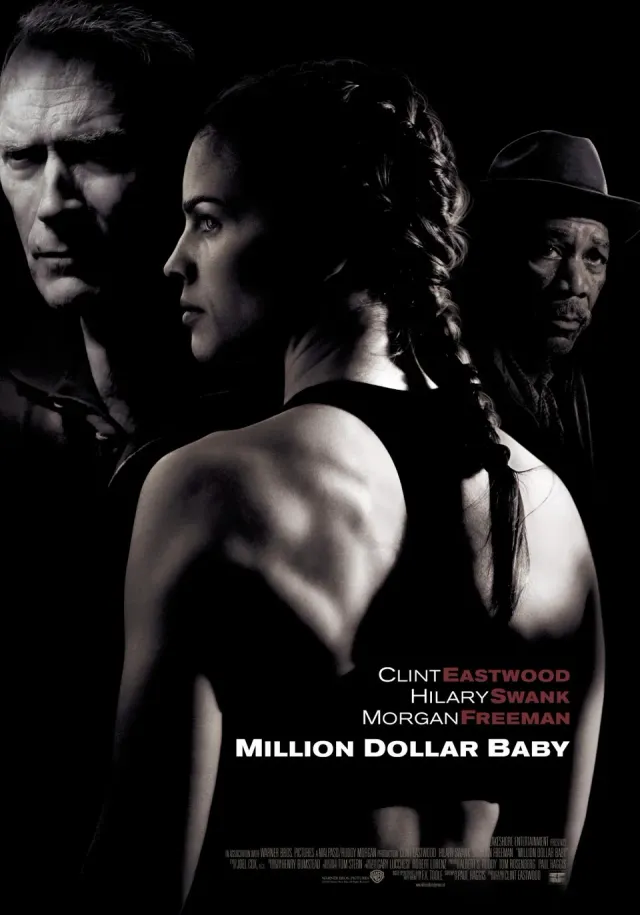
An apprenticeship built around sporting ambition turns into a crisis of care that tests the obligations created by surrogate parenthood.
Why this matches +
These films explore a related idea in a different setting, genre or style.
An adjacent discovery: a related idea with a different viewing experience.
Genres: Drama / Sport
Shared film traits
Based on recorded story, mood and style. Your preferences can change the order.
What changes Its own story: An apprenticeship built around sporting ambition turns into a crisis of care that tests the obligations created by surrogate parenthood.
A waitress determined to become a boxer persuades a guarded trainer to give her the time and instruction he initially refuses. Their work creates a substitute family as progress in the ring offers the recognition her relatives withhold. When a devastating injury transforms the meaning of success, the relationship must confront dependence, responsibility and choices that neither sporting discipline nor affection can make emotionally simple.
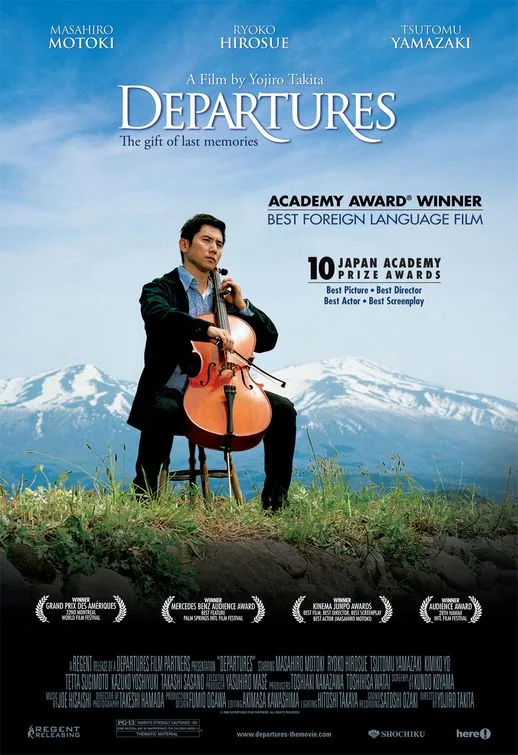
An unexpected profession teaches a displaced musician how deliberate bodily care can mediate grief, while concealing the work threatens his marriage and public belonging.
Why this matches +
These films explore a related idea in a different setting, genre or style.
An adjacent discovery: a related idea with a different viewing experience.
Genres: Drama
Shared film traits
Based on recorded story, mood and style. Your preferences can change the order.
What changes Its own story: An unexpected profession teaches a displaced musician how deliberate bodily care can mediate grief, while concealing the work threatens his marriage and public belonging.
After his orchestra dissolves, a cellist returns with his wife to his hometown and answers an advertisement he mistakes for work in travel. The job instead involves preparing bodies for cremation, bringing financial relief alongside secrecy and social stigma. Learning the ceremony's careful physical language changes his understanding of dignity and family grief, while unresolved anger toward his absent father tests whether professional attentiveness can reach the loss he has kept apart from everyone else's. Daigo’s work is not embalming as spectacle but a repeated ceremony that restores dignity to grieving families.
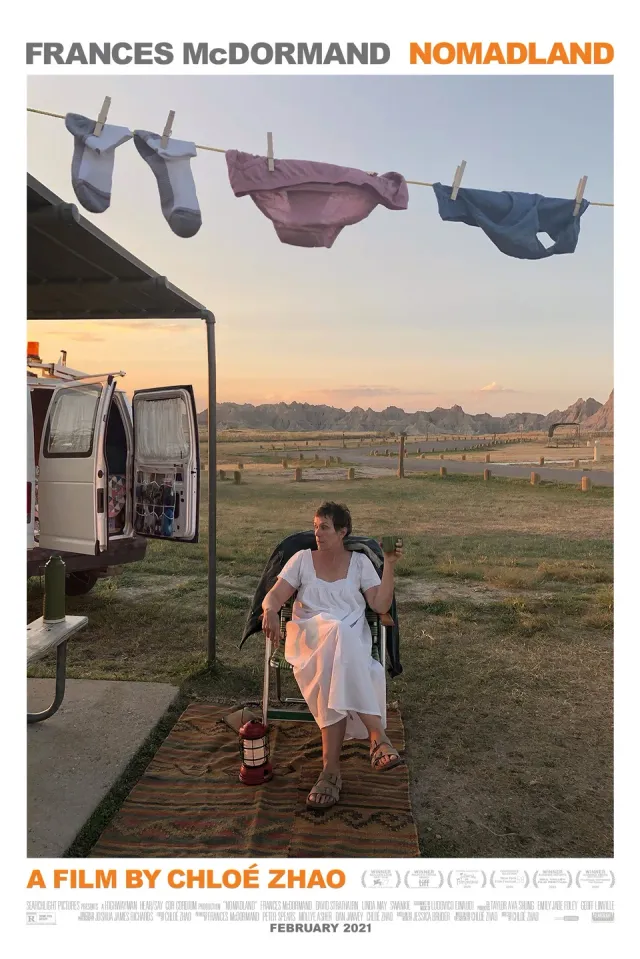
Seasonal labour and travel create recurring choices between stability, movement and attachment.
Why this matches +
These films explore a related idea in a different setting, genre or style.
An adjacent discovery: a related idea with a different viewing experience.
Genres: Drama
Shared film traits
Based on recorded story, mood and style. Your preferences can change the order.
What changes Its own story: Seasonal labour and travel create recurring choices between stability, movement and attachment.
After the loss of her husband and the collapse of a company town, a woman travels through the American West in a van, taking seasonal jobs. Encounters with other mobile workers reveal practical solidarity alongside economic insecurity, illness and different reasons for avoiding permanent settlement. Her movement remains both a response to material loss and a personal way of living with memory.
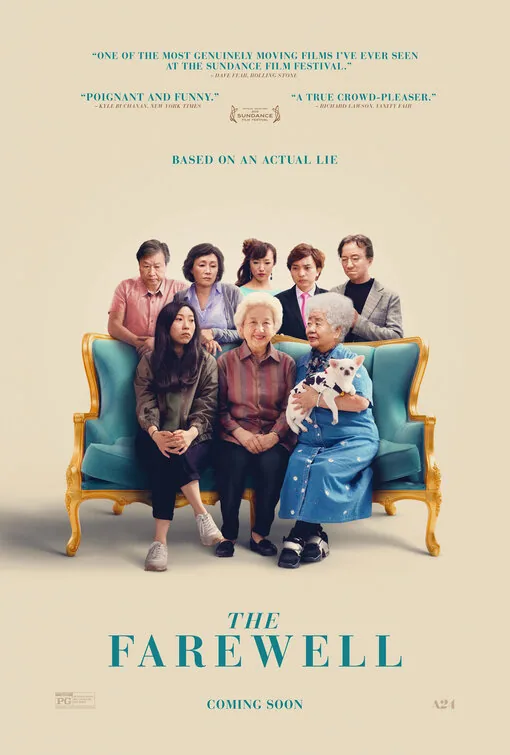
A staged family celebration turns knowledge of approaching loss into a practical dispute over who should carry emotional responsibility.
Why this matches +
These films explore a related idea in a different setting, genre or style.
An adjacent discovery: a related idea with a different viewing experience.
Genres: Drama / Comedy
Shared film traits
Based on recorded story, mood and style. Your preferences can change the order.
What changes Its own story: A staged family celebration turns knowledge of approaching loss into a practical dispute over who should carry emotional responsibility.
A Chinese American woman learns that her grandmother in China has received a terminal diagnosis that the family intends to conceal from her. A hastily arranged wedding creates a reason for relatives living abroad to gather without revealing why they have come. Returning against her parents' advice, the granddaughter struggles with a form of care that depends on collective concealment, while recognising that migration has already complicated what belonging and responsibility mean.
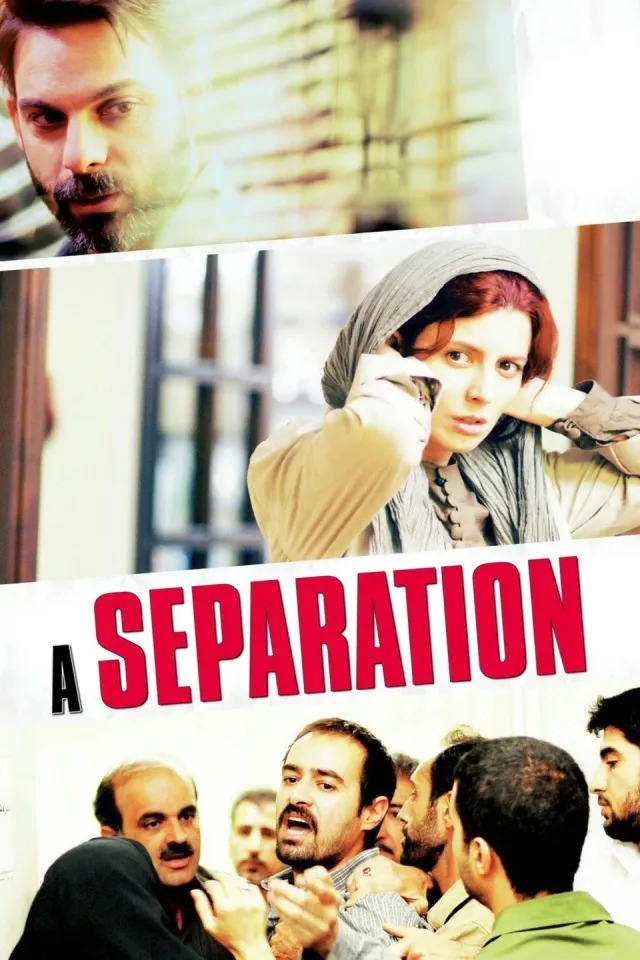
A domestic arrangement produces a disputed incident whose interpretation threatens two families' futures.
Why this matches +
These films explore a related idea in a different setting, genre or style.
An adjacent discovery: a related idea with a different viewing experience.
Genres: Drama
Shared film traits
Based on recorded story, mood and style. Your preferences can change the order.
What changes Its own story: A domestic arrangement produces a disputed incident whose interpretation threatens two families' futures.
A couple's disagreement about leaving Iran leads to a household separation and the hiring of a caregiver for an elderly father. An incident between the caregiver and the husband produces accusations whose consequences reach both families. Class, religious obligation and partial knowledge complicate every account, while a daughter is pressed to navigate loyalties that the adults cannot reconcile.
Dante Lazarescu, an older man living alone in Bucharest, feels increasingly ill and calls for help. A paramedic accompanies him through the night as hospital after hospital struggles or refuses to admit him. Their journey exposes strained medical resources, professional disagreements and the vulnerability of a patient who must rely on a system that keeps passing him along.
What drives the story
A worsening medical emergency becomes a prolonged journey as a patient is transferred among overburdened hospitals.
The people at its centre
Lazarescu depends on a persistent paramedic while doctors, nurses and neighbors respond with varying degrees of patience and care.
What it feels like
An observational medical drama uses prolonged encounters and dark humor to show distress within an overloaded care system.
Worth knowing
The film depicts illness, indignity and institutional delay in detail; its realism is more demanding than a conventional medical rescue story.
MortalityInstitutional failureCompassion
Mood
Bleak · Humane · Darkly comic
Pacing
Prolonged · Real-time progression
Visual style
Naturalistic handheld style · Hospital interiors
Storytelling
Medical emergency · Hospital transfer · Bureaucratic delay