Based on recorded story, mood and style. Your preferences can change the order.
What changes First Cow: quiet episodic progression, repeated nighttime milk runs, gradual economic risk and reflective framing story. Appaloosa: deliberate and alternates dialogue and action.
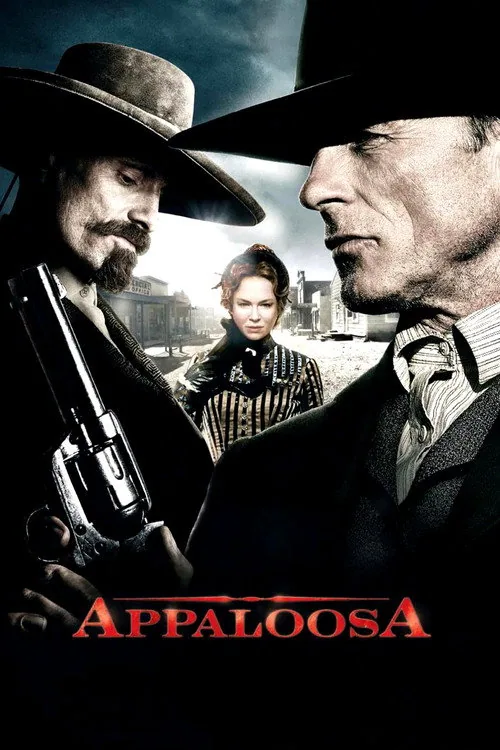
In the late nineteenth-century West, lawmen Virgil Cole and Everett Hitch are hired to restore order to the town of Appaloosa, where rancher Randall Bragg controls the local population through violence. Their work becomes more complicated when the charming Allison French arrives and draws Cole into an uncertain romance. Ed Harris directs this restrained Western about friendship, authority, and the cost of law in a town where private power competes with public order, balancing gunfights with dry dialogue and measured character drama.
Based on recorded story, mood and style. Your preferences can change the order.
What changes First Cow: quiet episodic progression, repeated nighttime milk runs, gradual economic risk and reflective framing story. Open Range: slow-building and violent climax.
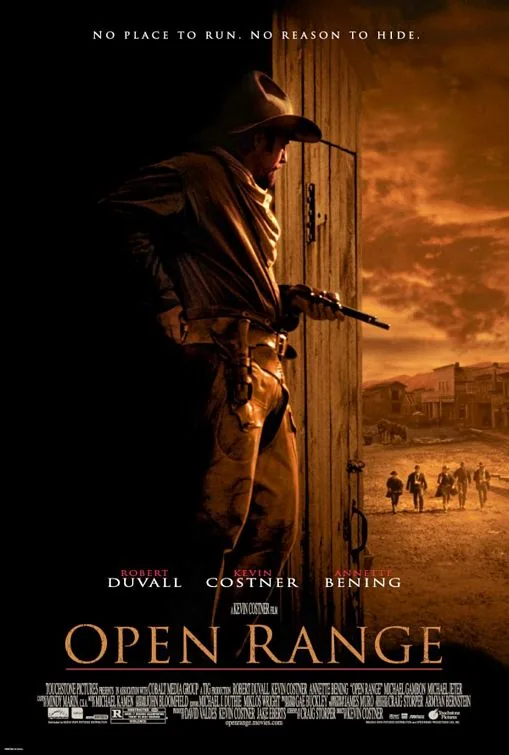
Two free-grazing cattlemen enter a Montana town controlled by a wealthy rancher who expects them to follow his rules. When violence against their crew reveals that negotiation alone will not protect the community, the men consider how to respond without abandoning the code that has guided their lives. The Western builds from quiet work and local observation toward a confrontation about land, power and the meaning of self-determination.
Based on recorded story, mood and style. Your preferences can change the order.
What changes First Cow: quiet episodic progression, repeated nighttime milk runs, gradual economic risk and reflective framing story. The Power of the Dog: slow-burn and measured.
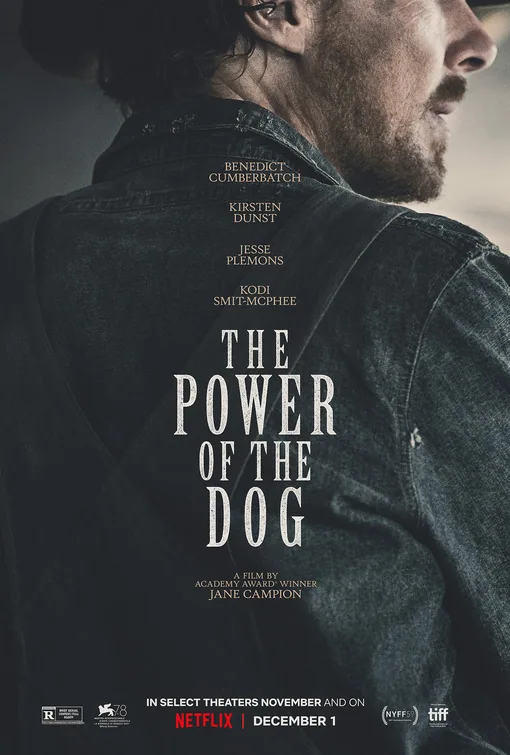
In 1925 Montana, brothers Phil and George Burbank meet widow Rose Gordon while driving cattle. George marries Rose, and she moves to the ranch with her son Peter, whose quiet manner Phil mocks. Phil's contempt and displays of masculine authority unsettle Rose, who retreats into alcohol while Peter is away studying medicine. When Peter returns, Phil's treatment of him changes: an uneasy mentorship grows around rope-making and the memory of Bronco Henry, the cowboy Phil revered. Small acts and withheld information gradually alter the power inside the household. Jane Campion's adaptation of Thomas Savage's novel builds a psychological Western from what characters refuse to say, making the ranch's wide landscape feel less open than the social rules that govern it.
Based on recorded story, mood and style. Your preferences can change the order.
Survival
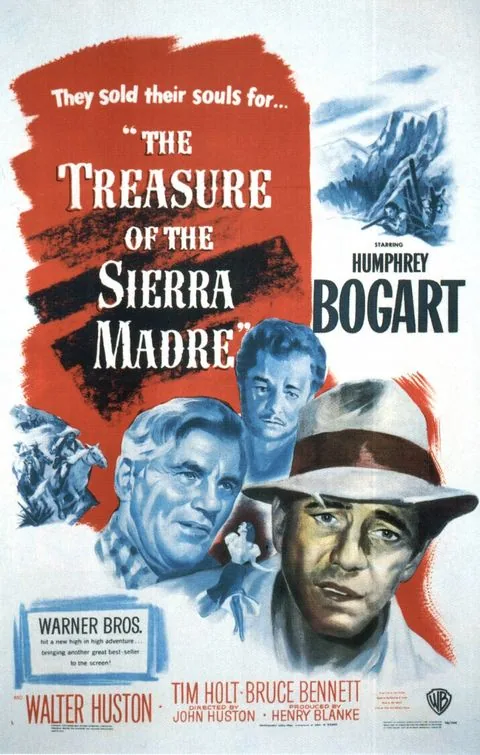
What changes First Cow: quiet episodic progression, repeated nighttime milk runs, gradual economic risk and reflective framing story. The Treasure of the Sierra Madre: slow-burn and character-led.
In 1920s Tampico, unemployed Americans Fred Dobbs and Bob Curtin meet an old prospector, Howard, and use their wages and a lottery win to finance a search for gold in the Sierra Madre mountains. Howard's experience helps them find a rich deposit, but the discovery changes their partnership. Dobbs becomes suspicious that the others may take more than their share, and even routine decisions about guarding, dividing and carrying the gold begin to seem like threats. The miners' isolation makes trust difficult, while the rugged journey and danger from bandits offer real reasons for caution. The film turns a frontier adventure into a study of how imagined wealth can make a man interpret every friend as a rival.
Based on recorded story, mood and style. Your preferences can change the order.
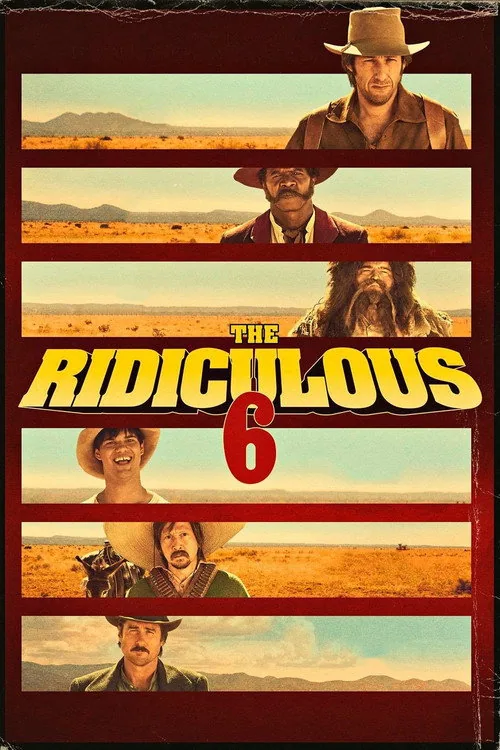
What changes First Cow: quiet episodic progression, repeated nighttime milk runs, gradual economic risk and reflective framing story. The Ridiculous 6: episodic western comedy, ensemble introductions and bandit action finale.
Tommy Stockburn, raised by an Indigenous community and known as White Knife, learns that a dying bank robber is his biological father. His search for the man's buried fortune brings together five half-brothers from different backgrounds, each with an unusual skill and his own grievance. The men travel through a comic version of the Old West while rival outlaws pursue the same money. The ensemble Western uses parody and broad caricature to turn an inherited family connection into a road quest.
Based on recorded story, mood and style. Your preferences can change the order.
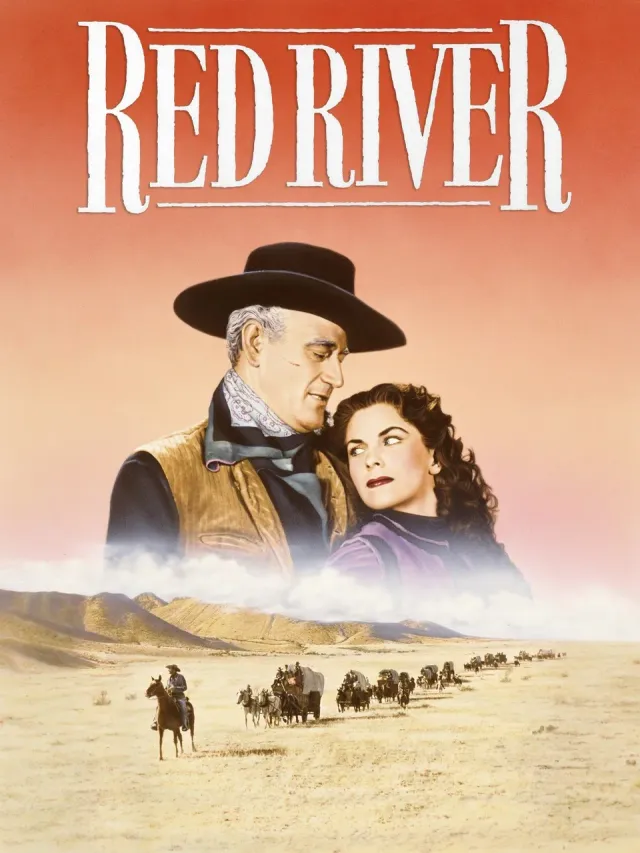
What changes First Cow: quiet episodic progression, repeated nighttime milk runs, gradual economic risk and reflective framing story. Red River: measured, journey-based and building.
After taking a teenage orphan, Matt Garth, under his care, rancher Thomas Dunson builds a Texas cattle empire with him. Years later, financial pressure leads Dunson to drive a huge herd toward a distant railhead, but his stubborn route and harsh control increasingly endanger the drovers. Matt challenges his authority and takes the herd toward a closer market, leaving Dunson behind. The two men then move toward a reckoning as Dunson follows the drive and tries to reclaim both the cattle and the son he helped raise. Their conflict turns a cattle journey into a struggle over inheritance, loyalty and command.
Based on recorded story, mood and style. Your preferences can change the order.
Work and ambition · Family and care
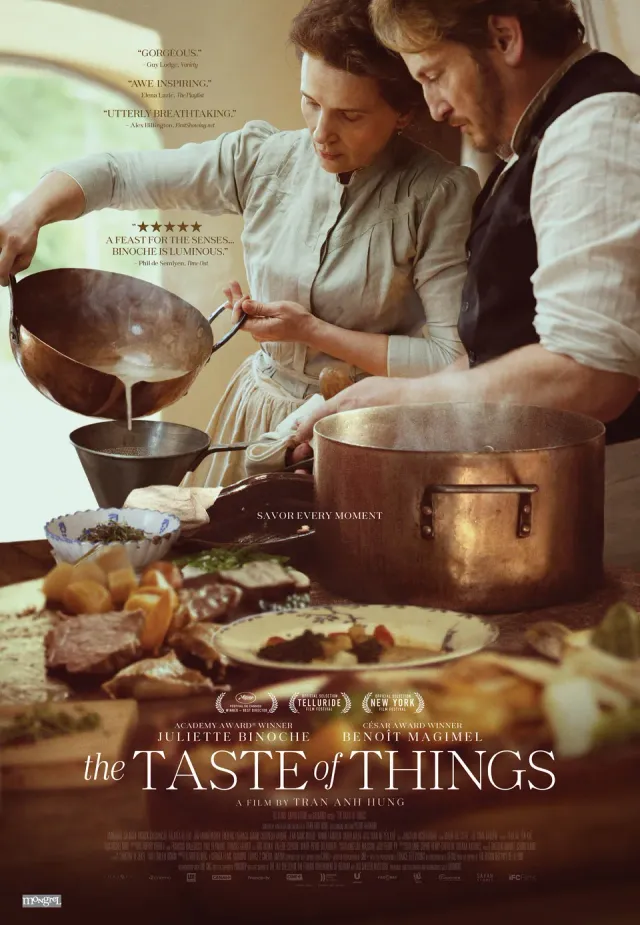
What changes First Cow: quiet episodic progression, repeated nighttime milk runs, gradual economic risk and reflective framing story. The Taste of Things: unhurried, observational, ritualistic and intimate.
In 1889 France, cook Eugénie and gourmet Dodin have spent years preparing meals together on a country estate, sharing an intimacy that has not been formalized as marriage. Their work unfolds through elaborate menus, seasonal ingredients and the friends who gather at Dodin’s table. Trần Anh Hùng’s romantic drama treats cooking as a language of attention and care, observing a relationship through repeated acts of preparation, taste and conversation.
Based on recorded story, mood and style. Your preferences can change the order.
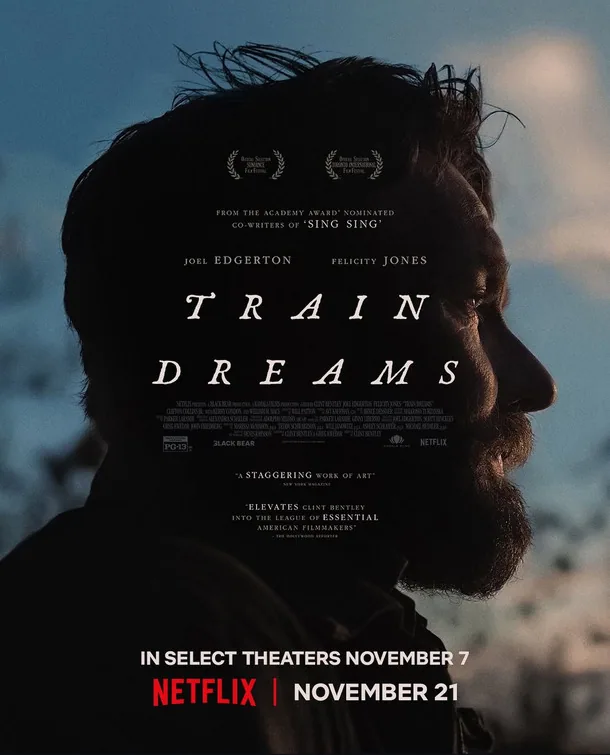
What changes First Cow: quiet episodic progression, repeated nighttime milk runs, gradual economic risk and reflective framing story. Train Dreams: episodic and decades-long accumulation.
In the early twentieth-century American West, Robert Grainier works as a logger and railroad laborer, moving between remote jobs and the home he is building with Gladys. Industrial expansion brings wages and connection while isolating workers from families and exposing them to dangerous conditions and racialized violence. The film includes the murder of a Chinese laborer by fellow loggers, an episode that complicates Robert’s quiet, observant presence and appears later here than in Denis Johnson’s novella. Over decades, work, love and loss register against a landscape changing faster than Robert can control. Clint Bentley’s adaptation follows an ordinary life rather than a conventional rise-to-greatness plot.
Based on recorded story, mood and style. Your preferences can change the order.
Work and ambition · Survival
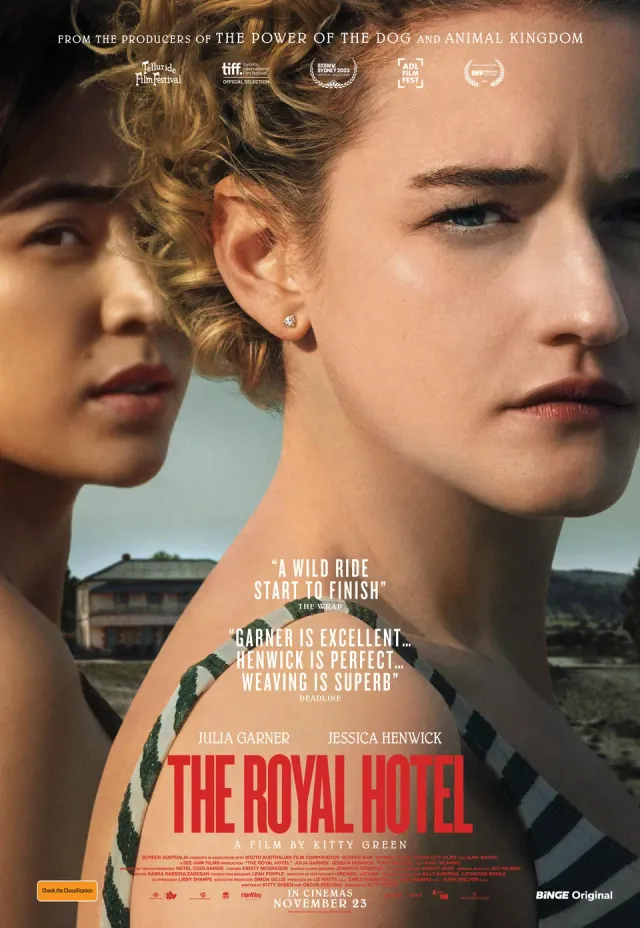
What changes First Cow: quiet episodic progression, repeated nighttime milk runs, gradual economic risk and reflective framing story. The Royal Hotel: slow-burn, atmospheric, cumulative tension and open-ended.
American backpackers Hanna and Liv run out of money while travelling in Australia and take jobs bartending at a remote outback pub. Hanna is troubled by the patrons’ sexist behavior, while Liv initially treats it as part of the town’s rough social style. Kitty Green’s thriller follows their contrasting responses as the women try to work, set boundaries and remain safe in a place where local men shape most of the rules and the next help is far away.
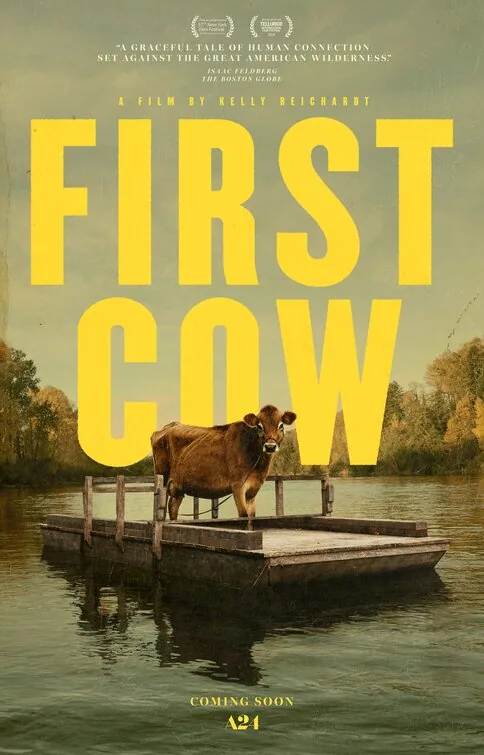
In the 1820s Oregon Country, quiet cook Cookie Figowitz meets King-Lu, a Chinese immigrant trying to survive on the frontier. The two men begin a small business making fritters with milk they secretly take from the region’s first cow, owned by a wealthy English trader. Their fragile plan offers a chance at companionship and a better future, but it depends on remaining unnoticed. Kelly Reichardt’s patient western observes friendship, labor, and inequality through modest acts of cooking, exchange, and risk.
What drives the story
Two outsiders use stolen milk to build a fragile baking business in a frontier settlement where wealth and ownership are unevenly shared.
The people at its centre
Cookie’s gentleness and Lu’s entrepreneurial confidence complement one another as the friends imagine a life beyond precarious work.
What it feels like
Its western setting is viewed through cooking, trade, and ordinary companionship rather than gunfights or conquest.
Worth knowing
The central risk is a small act of economic trespass undertaken by friends seeking a foothold, rather than a heroic frontier showdown.