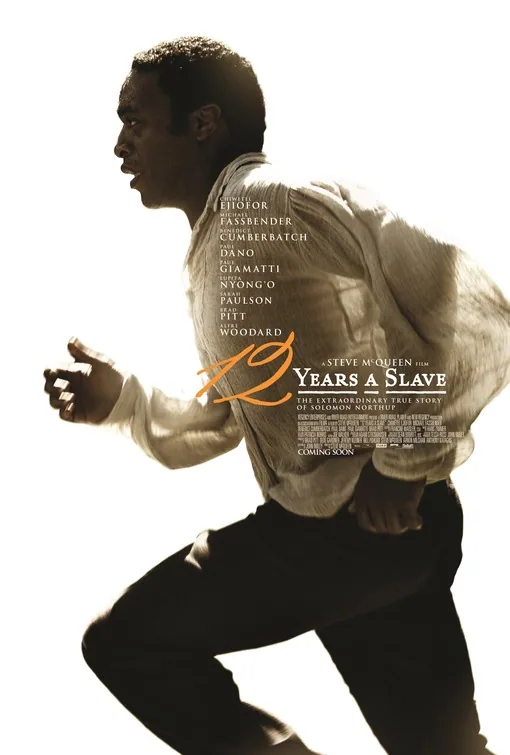
An abducted free man must preserve both life and a recoverable identity within institutions organised to make his account inadmissible.
Why this matches +
These offer a related experience with a meaningful difference in story, tone, or presentation.
An adjacent discovery: a related idea with a different viewing experience.
Genres: Drama / Biography
Shared film traits
Based on recorded story, mood and style. Your preferences can change the order.
What changes A historical drama portrays the violence of enslavement and the danger faced by people seeking freedom and family reunification.
A free Black musician is kidnapped and sold into slavery, leaving him unable to prove the identity that once offered legal protection. Survival among different enslavers requires evaluating when skill, apparent cooperation or speaking the truth might expose him or others to greater harm. His effort to retain a route back to his family unfolds inside a system whose ordinary work depends on denying personhood through law, commerce and violence.
Knight’s effort to resist Confederate authority expands into a struggle over community, slavery, and the postwar meaning of freedom.
Why this matches +
These offer a related experience with a meaningful difference in story, tone, or presentation.
An adjacent discovery: a related idea with a different viewing experience.
Genres: Drama / War
Shared film traits
Based on recorded story, mood and style. Your preferences can change the order.
Political resistance · War and civilian life
What changes A wartime community organizes resistance to an oppressive system, with family separation and the pursuit of freedom shaping the conflict.
During the American Civil War, Mississippi farmer Newt Knight deserts the Confederate Army and organizes other deserters and local enslaved people into an armed resistance in Jones County. Their uprising challenges Confederate authority and the social order that surrounds them, while the film also follows the struggle over civil rights and political memory after the war. Gary Ross’s historical drama blends a wartime rebellion with a later legal story, presenting a dramatized portrait of a little-known Southern Unionist movement.
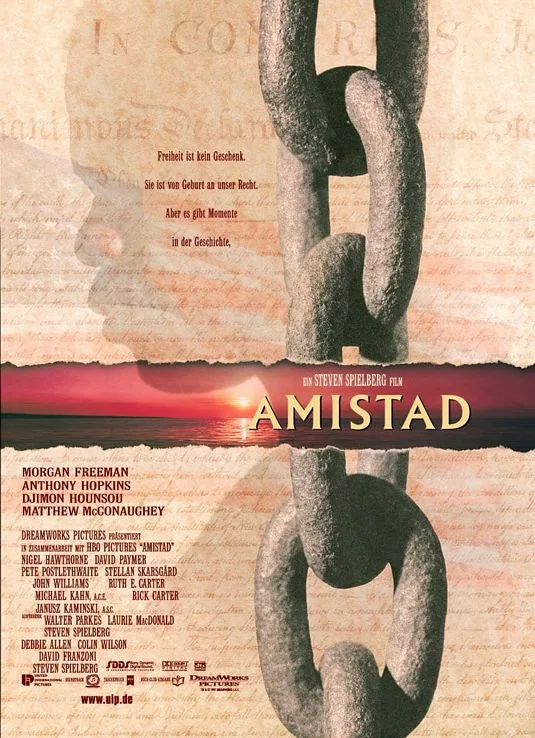
A shipboard revolt becomes a jurisdictional fight over whether the captives are free people or property. Each legal stage changes the venue and argument without making the underlying violence disappear.
Why this matches +
These offer a related experience with a meaningful difference in story, tone, or presentation.
An adjacent discovery: a related idea with a different viewing experience.
Genres: Drama / History
Shared film traits
Based on recorded story, mood and style. Your preferences can change the order.
Political resistance
What changes Enslaved people resist captivity and pursue freedom through collective action and a struggle against the legal system.
In 1839, enslaved Africans aboard the Spanish ship La Amistad revolt and take control, but the vessel is intercepted and the survivors are imprisoned in the United States. The legal struggle turns on whether they were kidnapped and enslaved or could be treated as property under Spanish law. Cinqué and the other captives seek recognition through testimony that must be translated, while abolitionists, lawyers and John Quincy Adams shape access to the courts. Spielberg's film gives the courtroom a polished dramatic climax, but that frame is not a complete account of the captives, the transatlantic slave trade or the case's history.
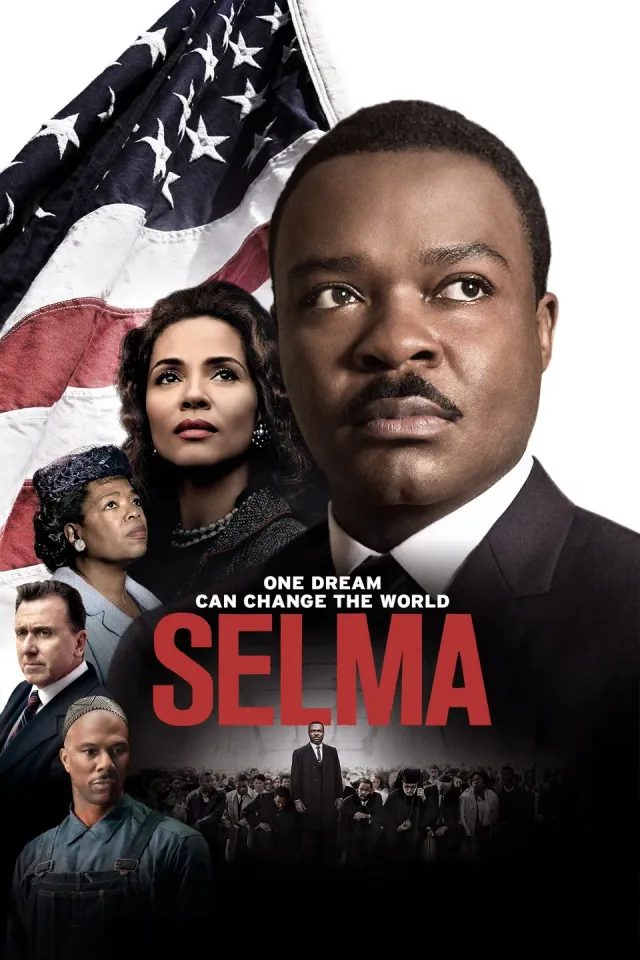
The campaign turns local voter suppression into a national political crisis through organizing, repeated marches and strategic negotiation rather than a single heroic action.
Why this matches +
These offer a related experience with a meaningful difference in story, tone, or presentation.
An adjacent discovery: a related idea with a different viewing experience.
Genres: Drama / Biography
Shared film traits
Based on recorded story, mood and style. Your preferences can change the order.
Political resistance
What changes Organizers challenge entrenched racial injustice through collective action, moral conviction and dangerous journeys toward political change.
In 1965, Martin Luther King Jr. and civil-rights organizers focus their campaign on Selma, Alabama, where Black residents face systematic barriers to voter registration. The film follows strategy meetings, local organizing, confrontations with Sheriff Jim Clark’s officers and the attacks on marchers that draw national attention. King negotiates with President Lyndon Johnson while activists disagree over timing, tactics and the risks borne by people on the ground. The planned march from Selma to Montgomery becomes a public test of federal responsibility, local courage and the meaning of political pressure, ending with a speech before the state capitol.
One man's career in presidential service spans changing approaches to civil rights.
Why this matches +
These offer a related experience with a meaningful difference in story, tone, or presentation.
An adjacent discovery: a related idea with a different viewing experience.
Genres: Drama / History
Shared film traits
Based on recorded story, mood and style. Your preferences can change the order.
Political resistance
What changes A Black family experiences generations of racial oppression and different strategies for pursuing dignity and political change.
Cecil Gaines recounts a life spent working in the White House, moving from a childhood shaped by racial violence in the South to decades serving successive presidents. His private life and the civil-rights movement unfold alongside one another, sometimes placing his gradual approach to change beside the more direct activism of his son. Lee Daniels frames the period drama around family, service and competing ideas of political progress.
Harriet Tubman escapes enslavement in Maryland and repeatedly returns to guide other enslaved people to freedom. The biographical drama follows her work on the Underground Railroad and later service during the Civil War, while emphasizing the risks of family separation and surveillance. Its central story is one of self-directed action, spiritual conviction and organized resistance against a system built to deny escape.
What drives the story
Harriet’s own escape becomes the beginning of a repeated effort to bring others to safety.
The people at its centre
Her spiritual conviction and practical courage work together rather than in opposition.
What it feels like
The film presents freedom as a collective undertaking carried out under constant surveillance.
Worth knowing
It is a dramatized biography of Tubman’s liberation work, not a comprehensive history of abolition.
FreedomFaithFamily
Mood
Resolute · Inspiring · Grave
Pacing
Repeated journeys build toward increasingly consequential acts of resistance
Visual style
Period landscapes · Close portraiture · Historical action scenes