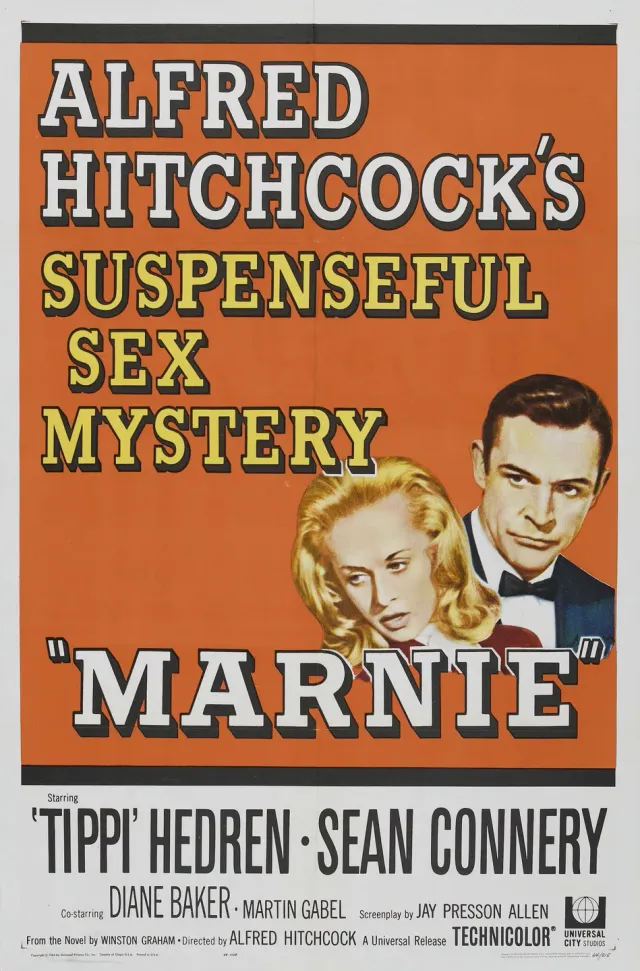
Mark’s discovery turns a workplace theft into leverage; marriage and investigation follow from his power over Marnie rather than from equal consent. The flashback explains a fear but does not turn coercion into treatment.
Why this matches +
These offer a related experience with a meaningful difference in story, tone, or presentation.
An adjacent discovery: a related idea with a different viewing experience.
Genres: Thriller / Drama
Shared film traits
Based on recorded story, mood and style. Your preferences can change the order.
What changes Marnie examines coercion and a controlling relationship through a psychological thriller.
Marnie Edgar steals from employers and changes her identity until Mark Rutland catches her and uses the threat of exposure to force her into marriage. He then tries to interpret her fear of touch and the color red through a recovered childhood memory. The film presents his investigation as a route toward understanding, but it also shows his entitlement, coercion and sexual assault. Marnie’s trauma explains some of her behavior without making Mark an uncomplicated rescuer or giving him authority to decide what she needs. Stylized sets, abrupt color and a storm-bound climax externalize memory as suspense. Production history forms a separate question: Tippi Hedren later alleged that Hitchcock sexually harassed and assaulted her during their work, including on Marnie. That context should not be confused with the film’s fictional events.
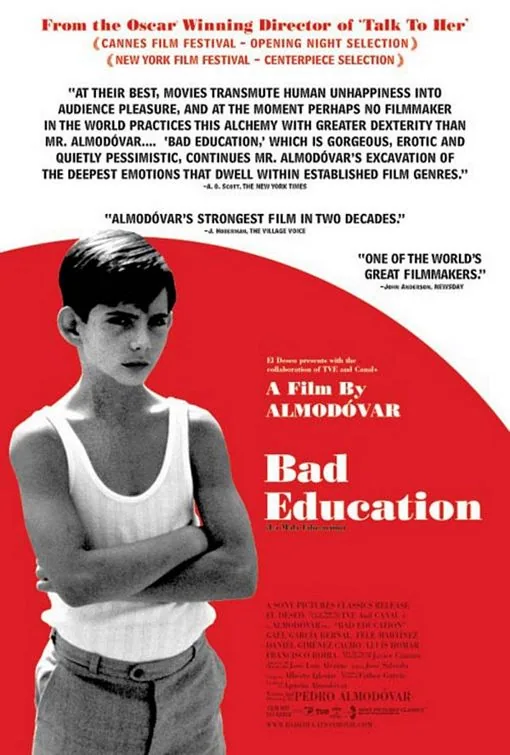
A film proposal becomes an investigation into the visitor's identity and the authorship of the offered story. The nested adaptation means that remembered abuse, present deception and fictionalized scenes must be kept distinct.
Why this matches +
These offer a related experience with a meaningful difference in story, tone, or presentation.
An adjacent discovery: a related idea with a different viewing experience.
Genres: Drama / Crime
Shared film traits
Based on recorded story, mood and style. Your preferences can change the order.
What changes Bad Education explores the lasting consequences of abuse and the manipulation of personal stories.
Filmmaker Enrique receives a visit from someone claiming to be his former schoolmate Ignacio, who offers a story drawn from their time under a predatory priest. Enrique considers turning the account into a film, and the process opens competing layers of childhood memory, adult identity and performance. The visitor's claims change what Enrique thinks he knows, but a revealed deception does not make the abuse described by the story irrelevant. Almodóvar's saturated melodrama becomes a noir-like inquiry into authorship and desire, asking how a filmmaker can use another person's past without owning its truth.
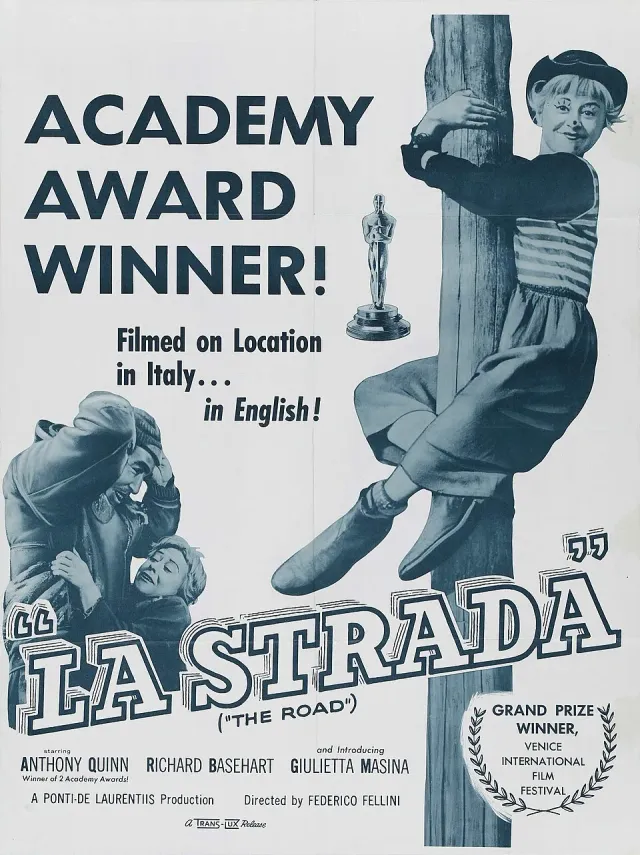
The road performances provide the story’s structure, but Gelsomina’s dependence on Zampanò limits her alternatives. The Fool’s claim that every object has a purpose offers meaning, not a practical escape from abuse.
Why this matches +
These offer a related experience with a meaningful difference in story, tone, or presentation.
An adjacent discovery: a related idea with a different viewing experience.
Genres: Drama
Shared film traits
Based on recorded story, mood and style. Your preferences can change the order.
What changes La Strada depicts an exploitative relationship in which a vulnerable young woman has little power over her situation.
Poor Gelsomina is sold by her mother to Zampanò, a traveling strongman who takes her on the road as his assistant. His cruelty and her isolation become more visible when the Fool offers her a different account of what her companionship might mean. Gelsomina remains attached to the idea that she has a purpose, but the film does not grant her equal power to choose the life she is enduring. Zampanò abandons her after rejecting that bond, and only later recognizes the loss. Fellini’s fable uses circus performance and spiritual language to make tenderness feel possible, while its ending risks framing a woman’s suffering as a service that transforms an abusive man. Grief is not retroactive consent, redemption or proof that she had to stay.
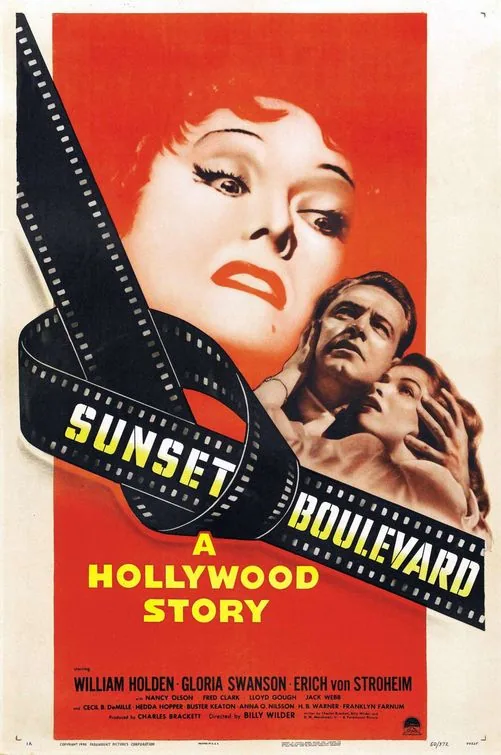
A writer's paid involvement in a star's imagined comeback becomes a dependency from which escape threatens the fantasy sustaining the household.
Why this matches +
These offer a related experience with a meaningful difference in story, tone, or presentation.
An adjacent discovery: a related idea with a different viewing experience.
Genres: Drama / Flashback
Shared film traits
Based on recorded story, mood and style. Your preferences can change the order.
What changes Sunset Boulevard explores a possessive relationship and the gap between a narrator's account and his circumstances.
A struggling Hollywood screenwriter takes refuge in the mansion of a former silent-film star who believes her return to prominence is imminent. Agreeing to revise her screenplay gives him financial security at the cost of increasing dependence on her emotional demands and carefully maintained illusions. As another professional relationship offers creative and romantic possibility, the arrangement turns into a contest over control, humiliation and the refusal to accept time's passage.
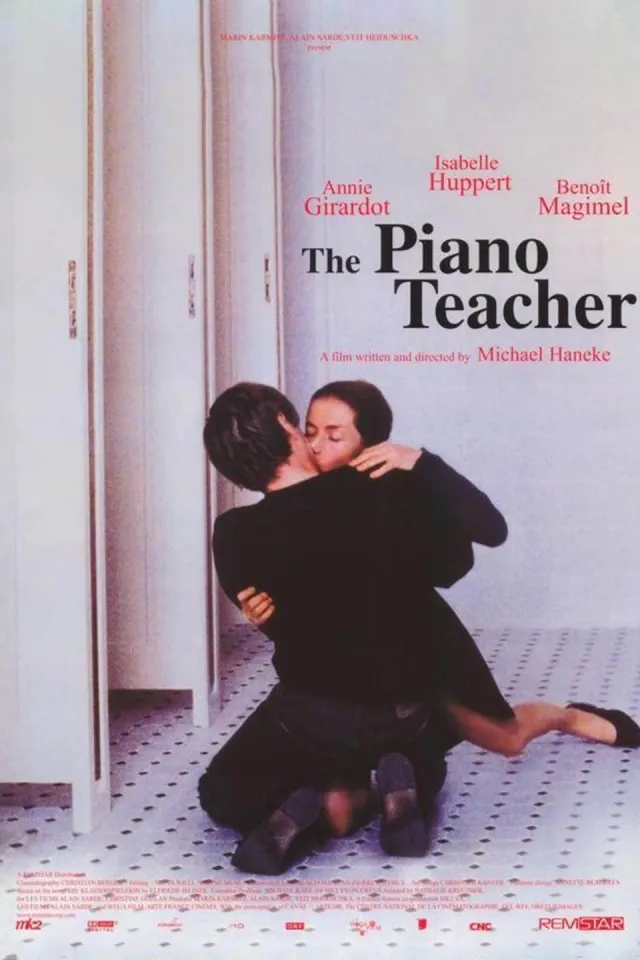
Erika tries to control intimacy by scripting it, but Walter's response exposes how little either understands the other's desire or boundaries.
Why this matches +
These offer a related experience with a meaningful difference in story, tone, or presentation.
An adjacent discovery: a related idea with a different viewing experience.
Genres: Drama / Thriller
Shared film traits
Based on recorded story, mood and style. Your preferences can change the order.
What changes The Piano Teacher examines sexual obsession, repression and unequal intimacy through a disturbing psychological drama.
Erika Kohut is a demanding piano professor in Vienna whose controlled public manner coexists with private compulsions, self-harm and a suffocating life with her mother. Student Walter Klemmer admires her playing and pursues her, but Erika tries to define the relationship through a written list of rules for sexual submission. Walter cannot accept the terms as Erika imagines them, and desire becomes a struggle over who controls the encounter. The film's conservatory world is also marked by performance pressure, jealousy and humiliation, as Erika harms another student's hand to prevent a rival from playing. Michael Haneke adapts Elfriede Jelinek's novel as a severe study of repression and power; its sexual violence is explicit and the ending refuses therapeutic closure.
Professor Humbert Humbert marries Charlotte Haze to remain near her twelve-year-old daughter, Dolores, whom he renames Lolita in his narration. After Charlotte dies, he takes the child on a cross-country journey and describes their relationship through a self-serving mixture of desire, jealousy and claims of mutual affection. The film’s dark comedy and the Production Code-era limits on what could be shown create distance from Vladimir Nabokov’s novel, but they do not make Humbert a reliable witness. Dolores is a child under his control, not an equal romantic partner, and his language works to obscure that power. Kubrick’s adaptation shifts emphasis through casting, performance and censorship; a profile should identify the gap between Humbert’s version and the child’s constrained position rather than inherit his euphemisms.
What drives the story
Humbert’s narration shapes the viewer’s access to events, making his account of seduction inseparable from his efforts to excuse coercion. Charlotte’s death increases Dolores’s dependence on him rather than making the relationship mutual.
The people at its centre
Lolita is a child whose mobility, money and safety are controlled by an adult. Her moments of bargaining or resistance do not create consent to the abuse; the film’s comedy often depends on Humbert’s self-image and must be read critically.
What it feels like
Suggestive framing, dry humor and what censorship prevents the camera from showing distinguish the film from Nabokov’s novel. Those limits create ambiguity about tone, not about the underlying age and power imbalance.
Worth knowing
Avoid romance labels and any implication of equal consent. Compare the adaptation’s form and censorship history with the source novel while keeping Humbert’s first-person rationalizations separate from objective description.
AbusePossessionUnreliable perspective
Mood
Disturbing · Abrasive · Uneasy
Pacing
Nonlinear · Measured
Visual style
Censorship-shaped indirection · Dark social comedy