Based on recorded story, mood and style. Your preferences can change the order.
War and civilian life
What changes Mediterraneo is tagged warm and wistful; Captain Corelli's Mandolin is tagged romantic and somber.
On the Greek island of Cephalonia during the Second World War, a local woman and an Italian officer form a bond while occupying forces and shifting allegiances alter the lives around them. Their romance unfolds against military pressure, resistance and the eventual devastation of wartime events. The film balances intimate choices with a broad historical canvas, asking how affection survives when political loyalties become dangerous.
Both share themes of belonging, plus a wistful and playful atmosphere.
Why this matches +
Genres: Romance / Comedy
Shared film traits
Based on recorded story, mood and style. Your preferences can change the order.
Expect wistful and playful, with measured pacing.
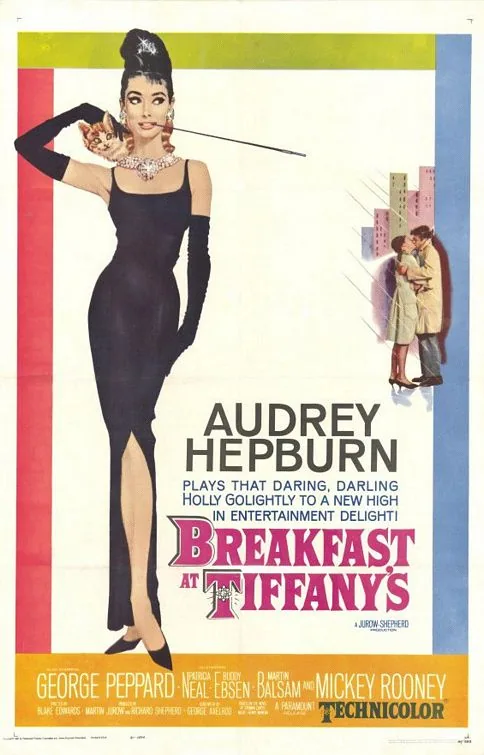
Paul, a writer with his own wealthy patron, becomes fascinated by Holly Golightly, whose polished independence depends partly on attention and material support from men. Their closeness exposes her efforts to escape a past and social position she refuses to name, while the film gives romance a power to settle tensions it has not fully examined. Audrey Hepburn's glamour and the Manhattan fantasy coexist with paid dependence and the racist caricature of Mr. Yunioshi. Acknowledging that image does not require erasing the film's influence or presenting it without context. Holly's cat and the 'mean reds' reveal how much of her freedom is still unsettled.
Both share an ensemble story and episodic, plus themes of war.
Why this matches +
Genres: Drama / War
Shared film traits
Based on recorded story, mood and style. Your preferences can change the order.
War and civilian life
What changes Mediterraneo: measured. Full Metal Jacket: intense.
Young American recruits enter Marine training under an instructor who treats humiliation and the destruction of private identity as tools for producing soldiers. The story later follows a military journalist and other servicemen into urban fighting in Vietnam, where institutional language and actual violence do not remain comfortably aligned. Moving between the training system and its consequences exposes both the habits it creates and the ways individuals adapt, perform or fracture inside them.
Based on recorded story, mood and style. Your preferences can change the order.
Expect deadpan and warm, with measured pacing.
Two men framed in separate schemes share a Louisiana jail cell, where mutual irritation seems to offer no useful basis for companionship. An Italian immigrant's arrival introduces language mistakes, unexpected warmth and eventually a way out. Flight into the bayou replaces institutional confinement with aimless dependence, making the practical question of staying together compete with each man's impulse to recover independence before he knows where it would take him.
Based on recorded story, mood and style. Your preferences can change the order.
War and civilian life
What changes Mediterraneo is tagged warm and wistful; The English Patient is tagged melancholic and intimate.
Near the end of the Second World War, a nurse tends a severely burned man in an abandoned Italian monastery while fragments of his earlier life emerge. His memories return to a desert mapping expedition, an affair with a married woman and decisions whose consequences cross wartime allegiances. Other displaced people briefly form a household around the patient's care, placing his consuming lost romance beside more tentative attempts to remain open to life.
Based on recorded story, mood and style. Your preferences can change the order.
War and civilian life
What changes Mediterraneo: measured. King Arthur: steady and escalating.
Soldiers who have completed years of service to Rome are ordered into one final evacuation beyond a frontier wall. The people they find expose cruelty inside the civilization whose legitimacy their commander has defended. Escorting refugees through an advancing invasion changes the meaning of freedom, because formal discharge no longer settles whom he believes he must protect. The revisionist adventure gives an Arthurian group a military-withdrawal story, turning allegiance toward a vulnerable local future rather than the distant authority promising reward.
Based on recorded story, mood and style. Your preferences can change the order.
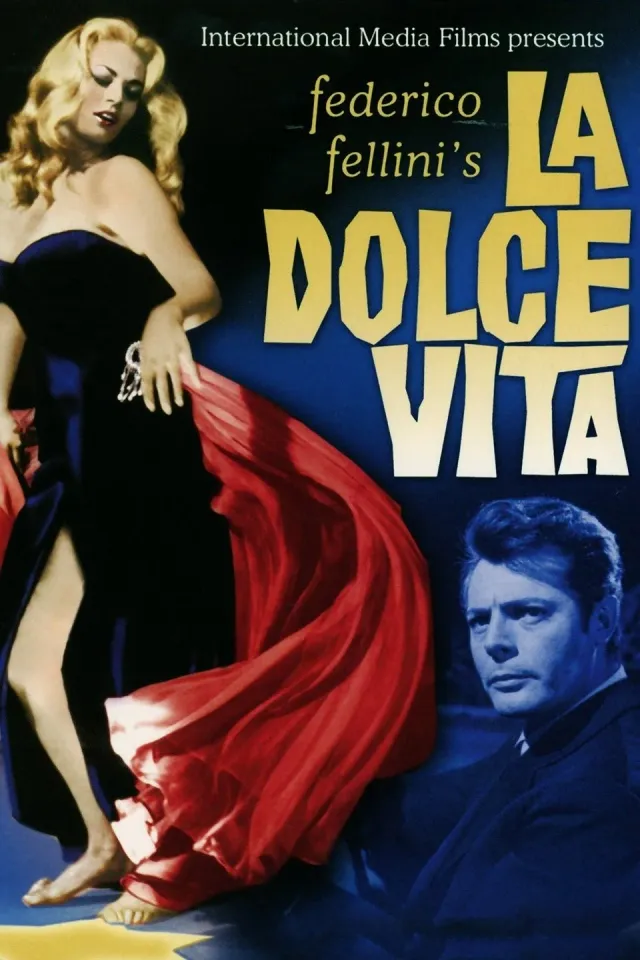
What changes Mediterraneo is tagged warm and wistful; La Dolce Vita is tagged melancholic and contemplative.
A journalist moves through Rome's celebrity circles, private parties and spiritual spectacles, hoping that proximity to extraordinary people will supply the meaningful life his own work keeps postponing. Encounters with lovers, an older intellectual and his visiting father offer different visions of intimacy and success. Their fragmentation exposes a growing inability to turn experience into commitment as entertainment, exhaustion and loneliness become difficult to distinguish.
Based on recorded story, mood and style. Your preferences can change the order.
War and civilian life
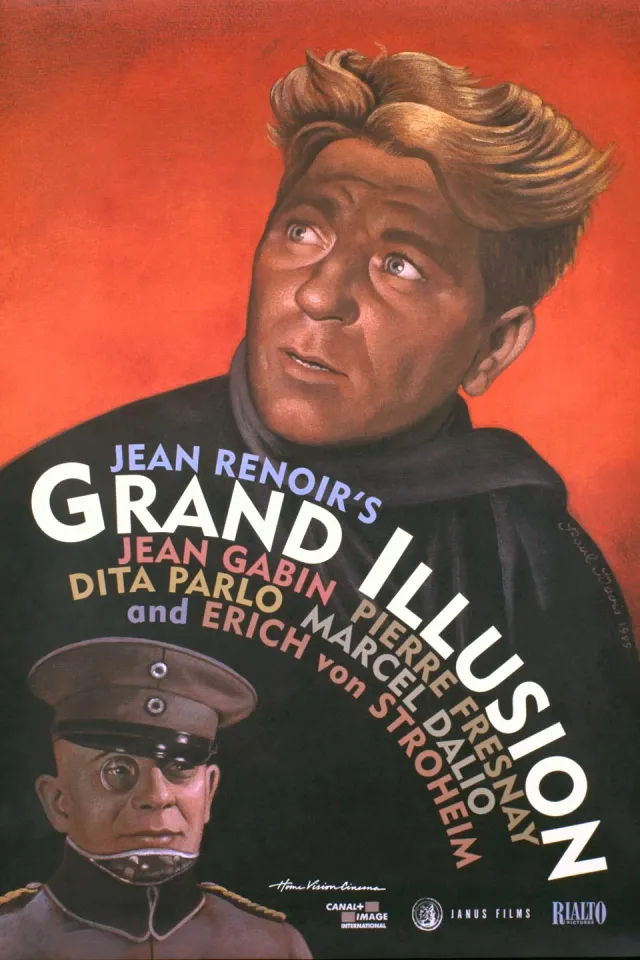
What changes Mediterraneo is tagged warm and wistful; La Grande Illusion is tagged reflective and somber.
French officers held in German prisoner-of-war camps during the First World War form bonds that cross rank, nationality and class, but those bonds do not make their circumstances equal. Aristocratic captain de Boëldieu recognizes a shared code with German officer von Rauffenstein, while mechanic Maréchal and Jewish banker Rosenthal plan a more practical escape. The war’s changing fortunes expose the aristocrats’ fading social world and make the prisoners’ temporary solidarity less stable than it first appears. Renoir’s drama asks what holds people together when inherited class distinctions outlast formal declarations of fraternity. Its refuge story is humanist without presenting every character as interchangeable; Rosenthal’s Jewish identity and the contrasts in social mobility are central to what that humanism can and cannot include.
Based on recorded story, mood and style. Your preferences can change the order.
War and civilian life
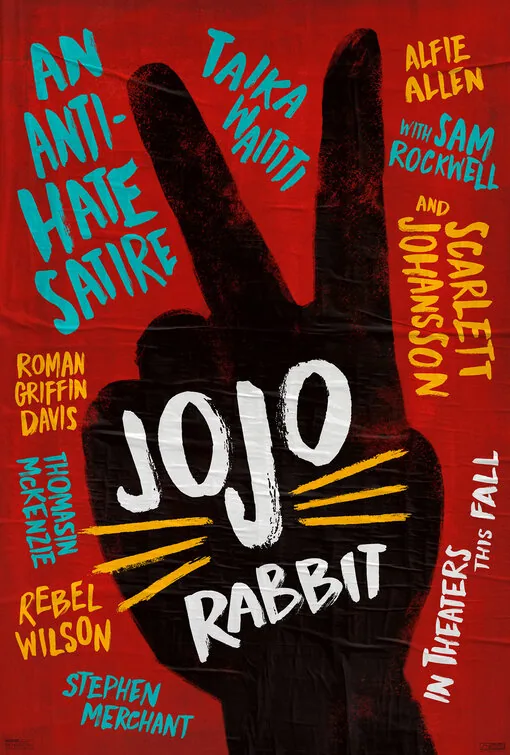
What changes Mediterraneo: measured. Jojo Rabbit: steady.
A boy in wartime Germany measures himself against the Nazi ideals supplied by his youth group and an imaginary version of Hitler. Discovering that his mother is hiding a Jewish teenager makes those beliefs difficult to reconcile with an actual person living nearby. Their uneasy conversations unfold as the war approaches home, turning a childish search for acceptance into a painful confrontation with propaganda, courage and loss.
In 1941, an Italian unit is stranded on the Greek island of Megisti after its transport is destroyed. The villagers, who had fled under earlier German occupation, gradually return; the soldiers settle into local routines and relationships while the wider war recedes from view. When news of Italy’s surrender reaches the island, the men face a choice between leaving and the life they have made there. Salvatores frames the story as a sunlit comic fable told from the soldiers’ point of view. That perspective makes the occupation’s unequal relationship with Greek residents easy to overlook, especially when one character says, ‘one face, one race.’ The line signals a breezy Italian self-image, not a neutral statement about local experience or wartime history.
What drives the story
The shipwreck removes the unit’s immediate military objective, and the island’s isolation stretches a temporary posting into a new way of life. Italy’s surrender brings the deferred war back into their choices.
The people at its centre
The lieutenant and sergeant respond differently to island life, while the Greek residents’ safety and choices remain filtered through the soldiers’ attention. Romance does not erase the occupation power imbalance.
What it feels like
Sunlit landscapes, episodic comedy and relaxed pacing build a nostalgic holiday atmosphere that makes the ending’s return feel melancholy. That idyllic tone is a viewpoint, not a complete depiction of occupied Greece.
Worth knowing
Describe the film as an Italian fable about soldiers rather than a comprehensive Greek wartime account. Its phrase ‘one face, one race’ should be read as part of the movie’s framing, not endorsed as historical or cultural fact.