Each segment tests how far a person will go to remain useful or accepted.
Why this matches +
Selected for the central appeal: Surreal stories about bodily autonomy, self-discovery and unconventional creation.
Genres: Drama / Comedy
Shared film traits
Based on recorded story, mood and style. Your preferences can change the order.
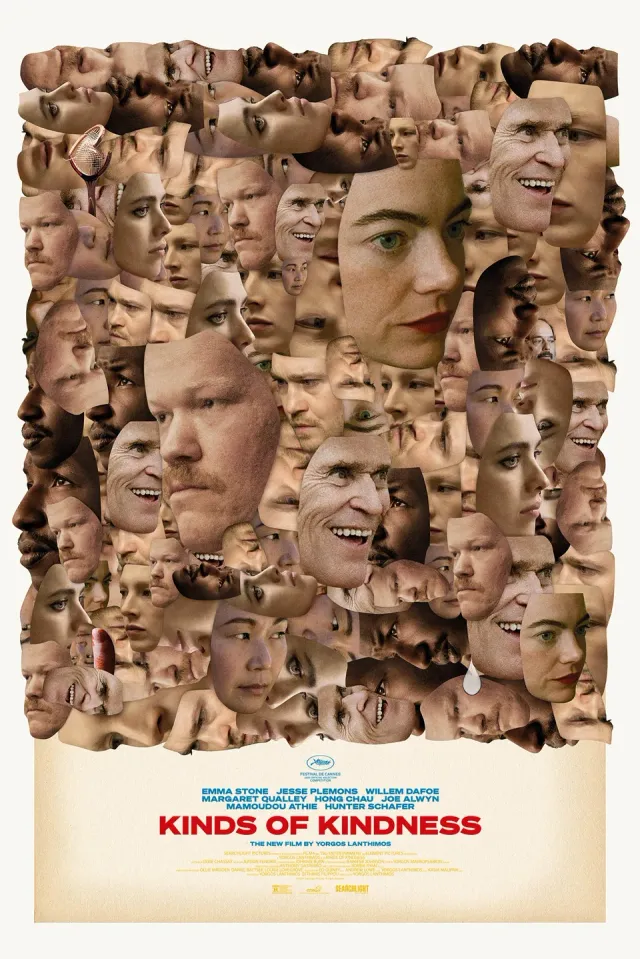
What changes Kinds of Kindness shares Yorgos Lanthimos's strange humor and unsettling examinations of power and control.
Three loosely connected stories follow people whose relationships are shaped by dependency, control and uncertainty. A worker obeys an overbearing boss until he is asked to commit an extreme act; a woman returning from an expedition is treated as if she may not be herself; and a third character seeks membership in a group with rigid demands. Yorgos Lanthimos uses recurring performers, uncanny humor and fable-like chapters to examine how people submit to systems that promise belonging.
Stéphane’s elaborate dreams keep intruding into his attempts to work, communicate, and build a relationship with Stéphanie.
Why this matches +
These offer a related experience with a meaningful difference in story, tone, or presentation.
An adjacent discovery: a related idea with a different viewing experience.
Genres: Fantasy / Comedy
Shared film traits
Based on recorded story, mood and style. Your preferences can change the order.
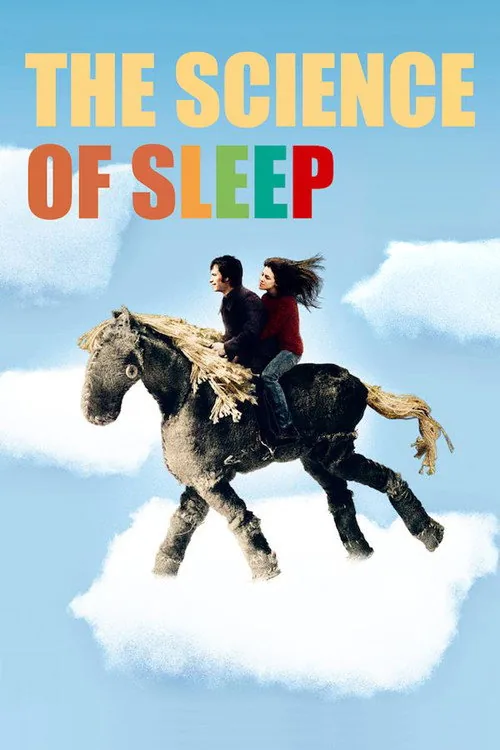
What changes The Science of Sleep blurs surreal imagination and daily life through eccentric visual invention.
After his father’s death, Stéphane returns to Paris and takes an unsatisfying job, where he meets his neighbor Stéphanie. His dreams are vivid, handmade worlds that increasingly spill into his waking life, making it hard to know whether a conversation, invention, or romantic gesture has actually happened. Michel Gondry’s French-language comedy blends fantasy, romance, and surreal craft imagery to follow a shy man whose imagination both connects him with another person and complicates ordinary intimacy.
One and Miette search the city for a kidnapped child whose dreams are being used by Krank to address his own insomnia.
Why this matches +
These offer a related experience with a meaningful difference in story, tone, or presentation.
An adjacent discovery: a related idea with a different viewing experience.
Genres: Fantasy / Science fiction
Shared film traits
Based on recorded story, mood and style. Your preferences can change the order.
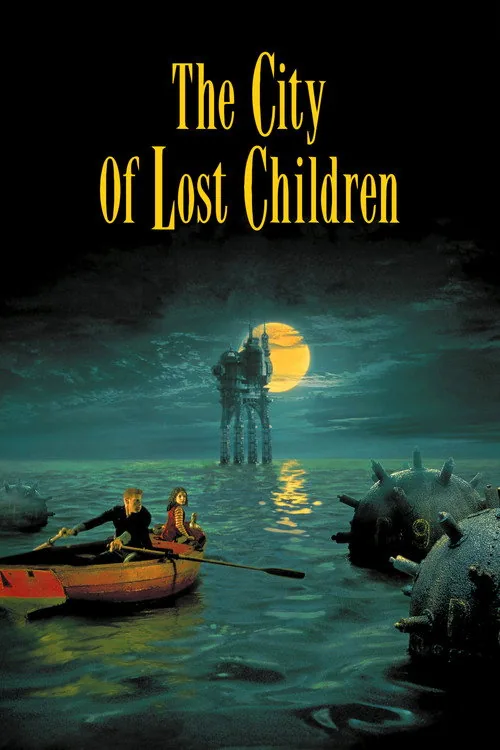
What changes The City of Lost Children combines fantastical design, scientific manipulation and vulnerable people seeking agency.
In a fantastical harbor city, the scientist Krank kidnaps children so he can steal their dreams, hoping to escape his inability to sleep. One captive is the little brother of strongman One, who joins forces with a streetwise girl named Miette to find him. Marc Caro and Jean-Pierre Jeunet’s French-language fantasy builds an eccentric world of mechanical devices, clones, sailors, and elaborate sets, mixing adventure and dark whimsy around the value of imagination and memory.
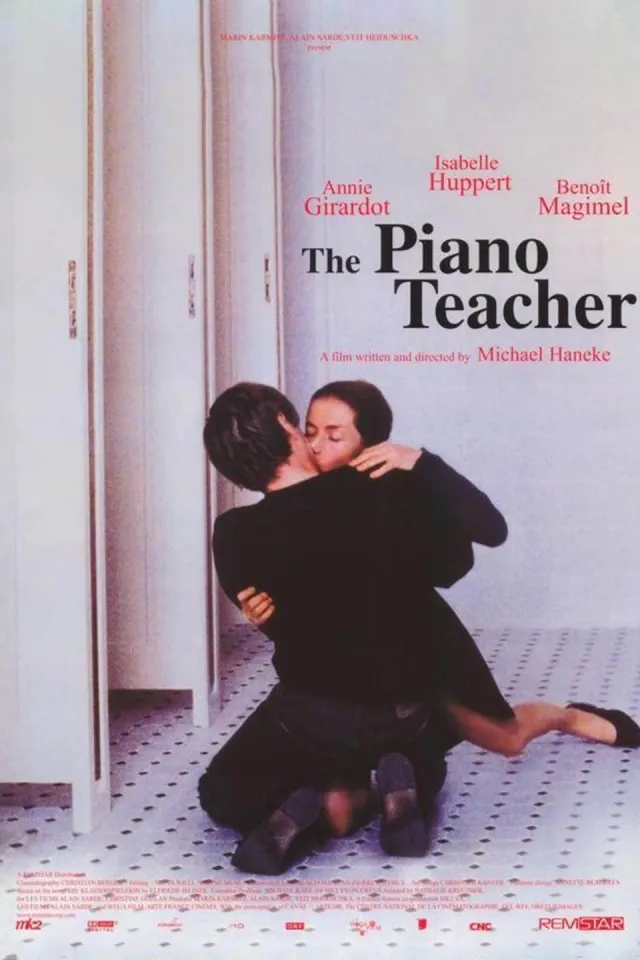
Erika tries to control intimacy by scripting it, but Walter's response exposes how little either understands the other's desire or boundaries.
Why this matches +
These offer a related experience with a meaningful difference in story, tone, or presentation.
An adjacent discovery: a related idea with a different viewing experience.
Genres: Drama / Thriller
Shared film traits
Based on recorded story, mood and style. Your preferences can change the order.
What changes The Piano Teacher examines desire, control and a woman's difficult relationship with expectations imposed on her.
Erika Kohut is a demanding piano professor in Vienna whose controlled public manner coexists with private compulsions, self-harm and a suffocating life with her mother. Student Walter Klemmer admires her playing and pursues her, but Erika tries to define the relationship through a written list of rules for sexual submission. Walter cannot accept the terms as Erika imagines them, and desire becomes a struggle over who controls the encounter. The film's conservatory world is also marked by performance pressure, jealousy and humiliation, as Erika harms another student's hand to prevent a rival from playing. Michael Haneke adapts Elfriede Jelinek's novel as a severe study of repression and power; its sexual violence is explicit and the ending refuses therapeutic closure.
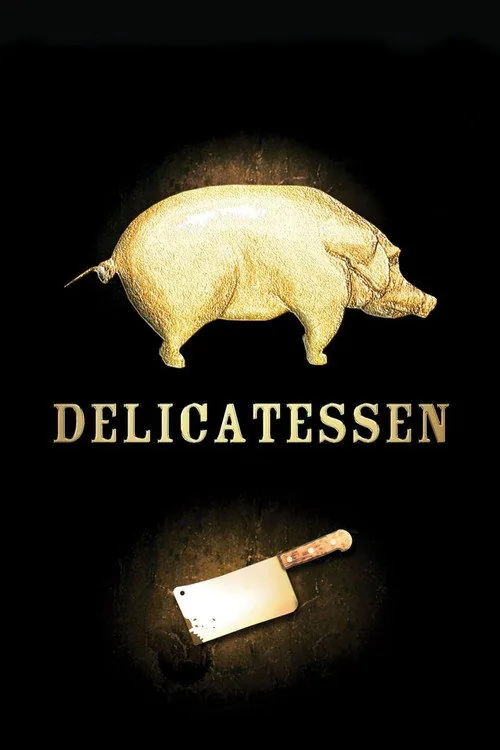
A clown takes a job in a building where its landlord secretly kills workers for food, then joins an unexpected community.
Why this matches +
These offer a related experience with a meaningful difference in story, tone, or presentation.
An adjacent discovery: a related idea with a different viewing experience.
Genres: Comedy / Drama
Shared film traits
Based on recorded story, mood and style. Your preferences can change the order.
What changes Delicatessen uses grotesque, whimsical production design and dark comedy to explore exploitation.
In a post-apocalyptic French apartment building where food is scarce, landlord and butcher Clapet lures workers there and kills them for meat. When former circus clown Louison takes the latest job, he wins over tenants and falls for Clapet’s daughter Julie. She knows her father’s secret and looks for allies among vegetarian rebels. Jean-Pierre Jeunet and Marc Caro’s black comedy turns hunger, romance, and household routines into a stylized fable about survival and collective resistance.
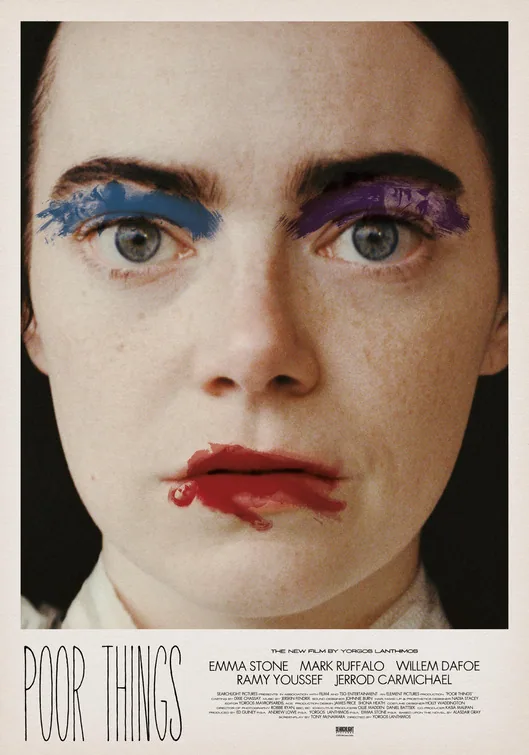
In an alternate Victorian London, surgeon Godwin Baxter revives a woman who died while pregnant by placing the fetus’s brain in her body; he names her Bella. As Bella’s language and understanding develop, she leaves with lawyer Duncan Wedderburn to travel through Lisbon, Alexandria and Paris. Bella encounters pleasure, poverty and exploitation, then takes work in a Paris brothel and pursues learning on her own terms. She returns to Godwin and Max McCandles before her former husband Alfie tries to reclaim control over her. Bella survives his attempt to confine her and chooses an unconventional future with the people who support her.
What drives the story
Bella’s fantastical development unfolds through travel and sexual experience, but an infant brain in an adult body makes consent and self-determination an ethical tension rather than a simple liberation story.
The people at its centre
Bella’s curiosity becomes self-directed judgment; Godwin’s care, Duncan’s possessiveness and Alfie’s coercion differ sharply, while the adult-body/infant-brain premise makes early sexual agency ethically contested.
What it feels like
Yorgos Lanthimos builds an expressionist fantasy from fisheye lenses, elaborate sets, shifting aspect ratios and anachronistic music.
Worth knowing
The film’s provocative feminist fable centers Bella’s emerging choices, yet its infant-brain premise complicates any simple empowerment or consent reading; it is not a realistic account of development.