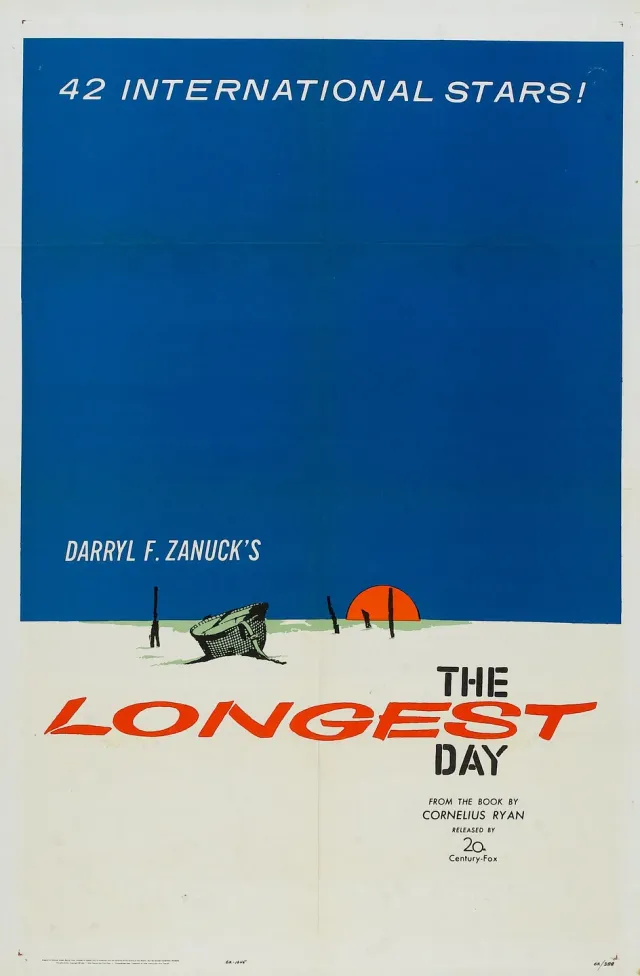
The invasion depends on timing and coordination across airborne and seaborne forces, while weather, confusion and German defenses disrupt the plan.
Why this matches +
These offer a related experience with a meaningful difference in story, tone, or presentation.
An adjacent discovery: a related idea with a different viewing experience.
Genres: Drama / Action
Shared film traits
Based on recorded story, mood and style. Your preferences can change the order.
War and civilian life
What changes A historical war drama depicts the Normandy invasion and the coordination and uncertainty surrounding its execution.
On June 6, 1944, Allied forces launch the D-Day invasion of German-occupied Normandy. The film follows the operation across several locations and perspectives: commanders planning the assault, paratroopers scattered inland, French resistance members aiding the effort and soldiers confronting the beach landings. Rather than following one protagonist, it builds a large-scale account from linked episodes of preparation, confusion and combat. Adapted from Cornelius Ryan’s nonfiction book, it dramatizes a historic military operation through a 1960s international ensemble.
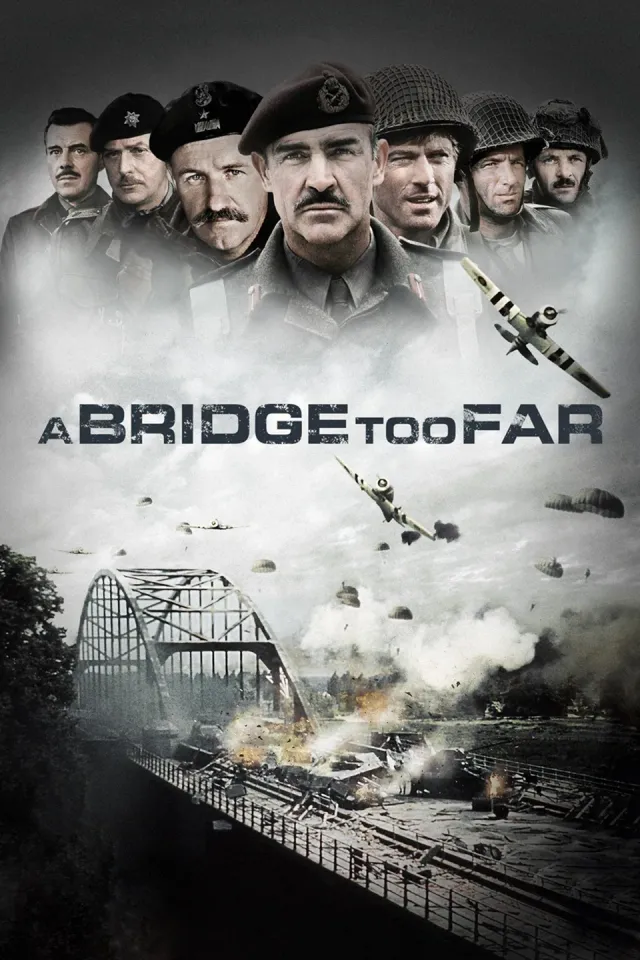
An interdependent military plan breaks down as delays and faulty assumptions compound across separate bridge objectives.
Why this matches +
These offer a related experience with a meaningful difference in story, tone, or presentation.
An adjacent discovery: a related idea with a different viewing experience.
Genres: War / Drama
Shared film traits
Based on recorded story, mood and style. Your preferences can change the order.
War and civilian life
What changes A planned wartime operation depends on contested intelligence and logistical assumptions whose consequences fall on troops.
Allied commanders launch an ambitious operation to seize a chain of bridges in the Netherlands and open a rapid route into Germany. Airborne troops and advancing ground forces depend on tightly connected objectives, but intelligence failures, communication problems, and fierce resistance unravel the plan. The ensemble follows officers and soldiers confronting the growing distance between strategic optimism and what individual units can actually survive.
A new leader's refusal to negotiate faces internal threats to his authority as military deterioration makes maintaining a governing coalition increasingly urgent.
Why this matches +
These offer a related experience with a meaningful difference in story, tone, or presentation.
An adjacent discovery: a related idea with a different viewing experience.
Genres: Drama / Historical
Shared film traits
Based on recorded story, mood and style. Your preferences can change the order.
War and civilian life
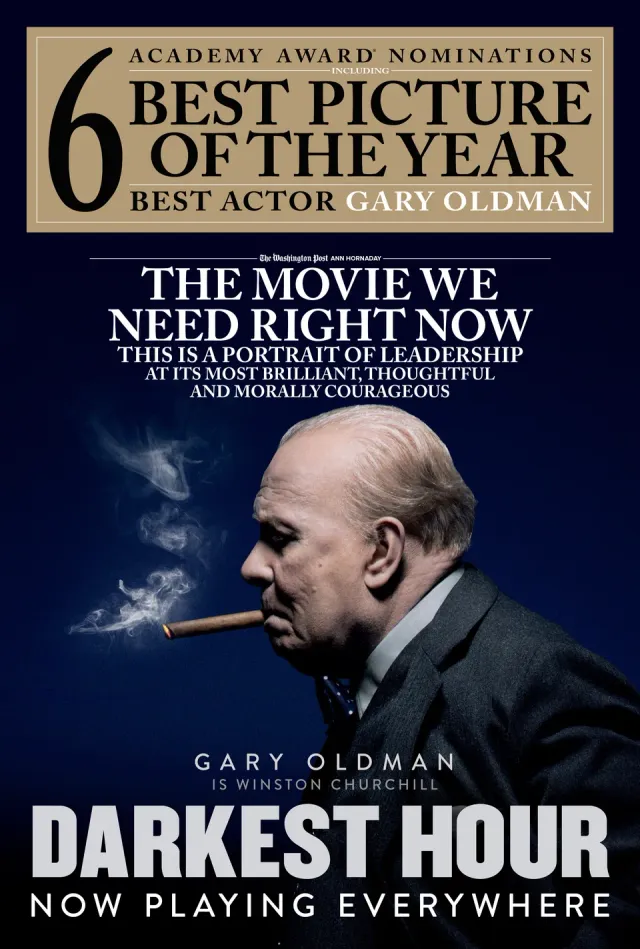
What changes Political and military leaders confront a consequential wartime decision under intense pressure and uncertainty.
Newly appointed British prime minister as German forces advance in 1940, Winston Churchill must persuade colleagues who distrust his judgment to support continued resistance. Reports from France and the peril of trapped troops make each public statement a gamble over more than morale. The film concentrates political history into pressured conversations, private doubts and acts of persuasion, portraying leadership as an effort to secure room for a decision whose consequences others will bear.
incomplete intelligence and a deadline narrowing political choices. This pressure determines what the protagonist must do next and which risks become unavoidable.
Why this matches +
These offer a related experience with a meaningful difference in story, tone, or presentation.
An adjacent discovery: a related idea with a different viewing experience.
Genres: Drama / History
Shared film traits
Based on recorded story, mood and style. Your preferences can change the order.
Political resistance
What changes A small group of leaders weighs incomplete information and conflicting advice before a decision with enormous military consequences.
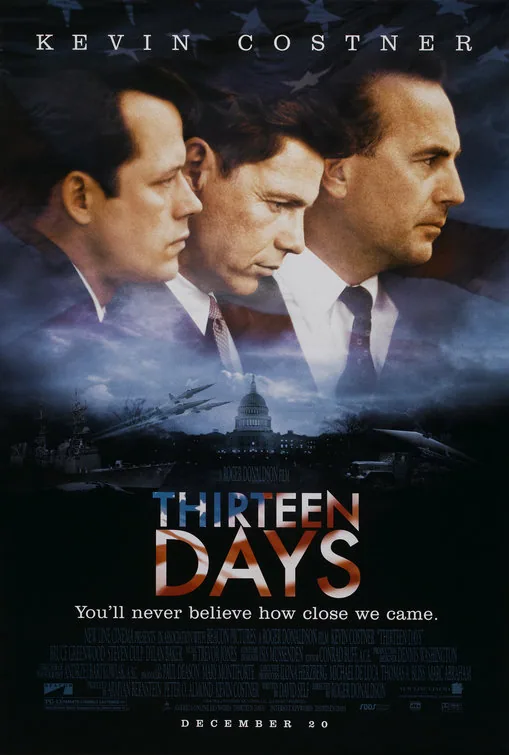
During the Cuban Missile Crisis, President Kennedy and his advisers confront evidence that Soviet missiles are being installed in Cuba. Meetings, intelligence reports and military recommendations make the danger immediate as the White House weighs a response that could trigger wider war. This historical drama concentrates on deliberation and communication, showing how uncertainty shapes decisions under an unforgiving deadline.
American forces respond to Pearl Harbor by preparing for a decisive carrier battle in the Pacific.
Why this matches +
These offer a related experience with a meaningful difference in story, tone, or presentation.
An adjacent discovery: a related idea with a different viewing experience.
Genres: Drama / Action
Shared film traits
Based on recorded story, mood and style. Your preferences can change the order.
War and civilian life
What changes Military leaders interpret uncertain intelligence and weather-related conditions before a decisive wartime operation.
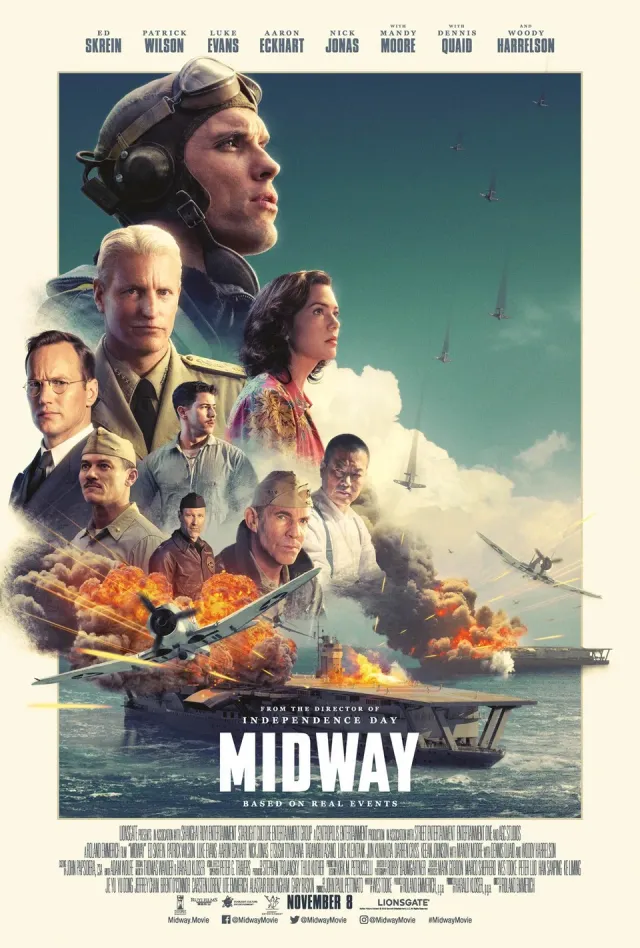
The attack on Pearl Harbor brings Navy aviator Dick Best and other American service members into the Pacific War. The film follows military decisions and air operations from the surprise attack through the Battle of Midway, moving between pilots, intelligence staff and commanders. Large-scale combat scenes frame a story about preparation, coordination and the consequences of decisions made with incomplete information.
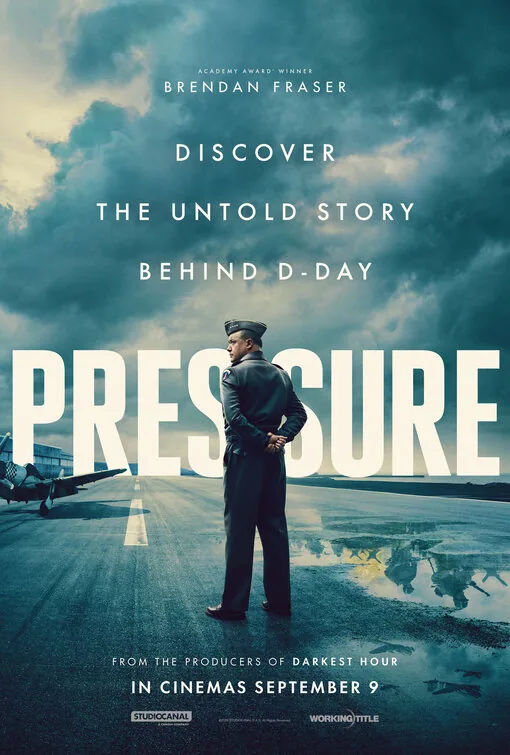
In the days before the Allied invasion of Normandy, meteorologist James Stagg must advise General Eisenhower whether the weather will permit the operation to begin. The decision involves uncertain forecasts, military urgency, and the lives of troops and civilians on both sides of the Channel. This historical drama turns planning and disagreement into suspense, showing how a small group weighs incomplete evidence before an irreversible military commitment.
What drives the story
Weather data becomes a source of human responsibility rather than background detail.
The people at its centre
Eisenhower must balance strategic urgency against the risk of catastrophic loss.
What it feels like
Stagg’s forecast places professional judgment under political pressure. The result gives the film’s conflict a lasting human cost.
Worth knowing
The film makes uncertainty the central obstacle in a familiar historical event.
WarResponsibilityUncertainty
Mood
Tense · Measured · Grave
Pacing
A decision-room drama builds toward a fixed invasion deadline
Visual style
Wartime offices · Maps and forecasts · Restrained period design
Storytelling
Military counterattack · Scientific responsibility · Political resistance