Explore films connected to Shatak through institutional history, political and cultural identity, leadership and legacy. Choose the qualities you want to carry into your next watch.
What should feel similar?
Find your next favourite
9 films · Closest overall matches
Hide films you’ve seen or don’t want. Saved on this device.
No matches for this combination yet.
Try another option or reset your choices to see more films.
Based on recorded story, mood and style. Your preferences can change the order.
Political resistance
What changes Shatak: founding era establishes the narrative, organizational growth is traced through leadership and century milestone frames the legacy. Raja Shivaji: young ambition grows into leadership, resistance expands through alliances and conflict and legacy takes shape through decisive action.
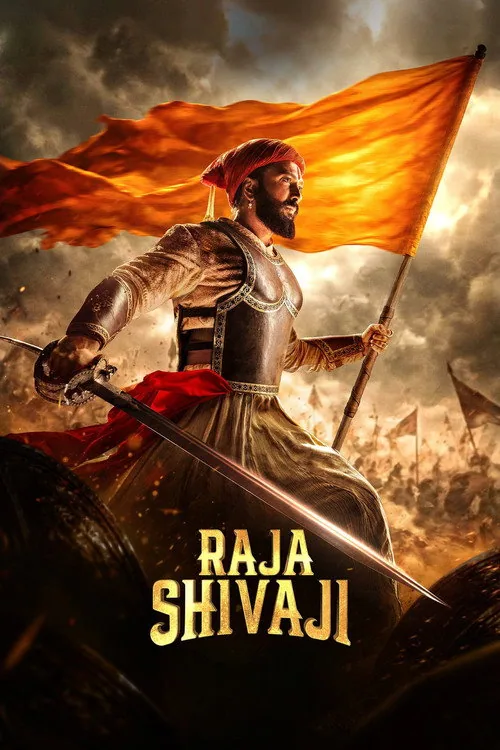
Raja Shivaji follows Chhatrapati Shivaji Maharaj from a young visionary to a leader who challenges the powers dominating his era. His ambition to establish Swarajya is shaped by family values, sacrifices, and the contributions of people around him. The historical epic traces how a political vision takes form through military resistance, leadership, and a growing community of supporters. Presented in Marathi and Hindi, the film combines large-scale action with a biographical account of the founder of the Maratha Empire and the legacy that emerges from a family's vow.
Based on recorded story, mood and style. Your preferences can change the order.
Memory and identity
What changes Shatak: founding era establishes the narrative, organizational growth is traced through leadership and century milestone frames the legacy. Sanju: multi-period structure and episodic rise-and-fall arc.
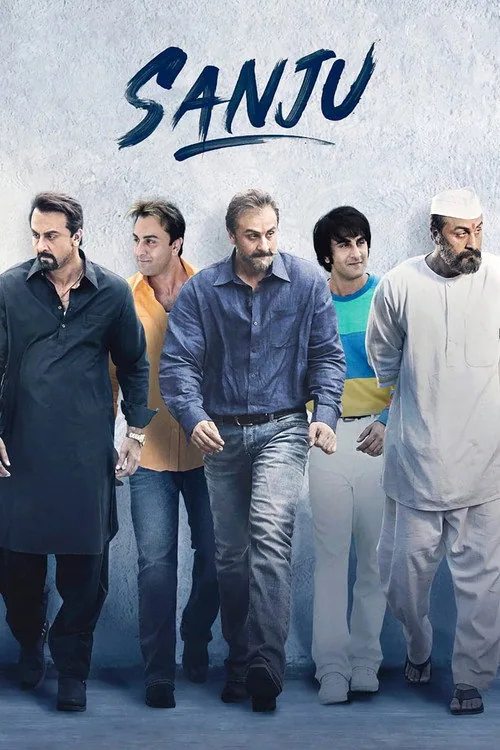
Rajkumar Hirani’s biographical drama follows actor Sanjay Dutt through early stardom, family relationships, drug addiction, public scrutiny, and legal troubles. Rather than presenting his life as a simple rise to fame, the film frames it through personal setbacks and changing accounts of the past, with Dutt’s father and close friends playing important roles. Ranbir Kapoor portrays Dutt in a Hindi-language production that combines humor and melodrama. It is a dramatized interpretation of a public figure’s life, with the conventions and omissions of a commercial biopic.
Based on recorded story, mood and style. Your preferences can change the order.
Political resistance
What changes Shatak: founding era establishes the narrative, organizational growth is traced through leadership and century milestone frames the legacy. Satluj: an activist’s examination of cremation records exposes a pattern of disappearances during punjab’s insurgency..
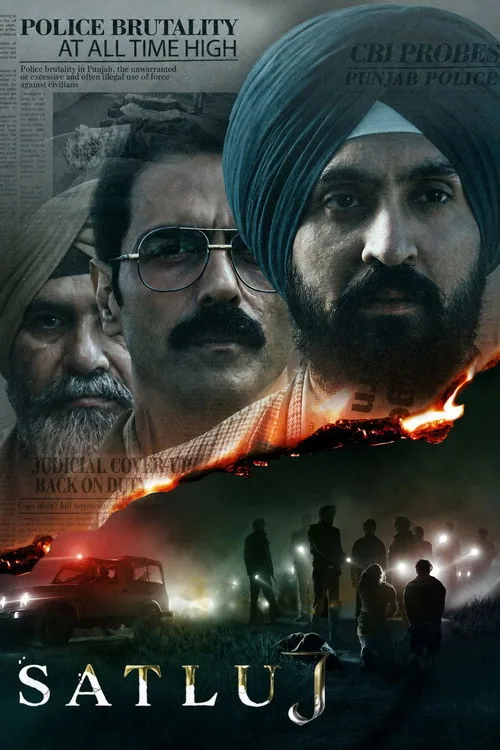
In the early 1990s, Punjab human-rights activist Jaswant Singh Khalra investigates reports of people who disappeared during the insurgency and finds evidence that unidentified victims were secretly cremated. Working from municipal and cremation records, he attempts to document the scale of the deaths and bring the findings to public attention. His investigation places him and his family under increasing pressure from state authorities. Honey Trehan’s drama, originally titled Punjab ’95 and released in 2026 as Satluj, depicts Khalra’s activism and disappearance against a contested period of recent history.
Based on recorded story, mood and style. Your preferences can change the order.
Political resistance
What changes Shatak: founding era establishes the narrative, organizational growth is traced through leadership and century milestone frames the legacy. No Other Land: long-term observational record, recurring demolition and protest cycles and open-ended political urgency.
Filmed over several years, this documentary follows Palestinian activist Basel Adra as Israeli military authorities demolish homes and structures in the West Bank region of Masafer Yatta. Basel records the destruction and organizes with residents, while Israeli journalist Yuval Abraham joins him to report on the community's struggle. Their collaboration creates a personal friendship across unequal political positions without softening the ongoing displacement. The film is built from direct footage of protests, demolitions, and daily life, showing the work of bearing witness as a form of resistance.
Based on recorded story, mood and style. Your preferences can change the order.
Memory and identity
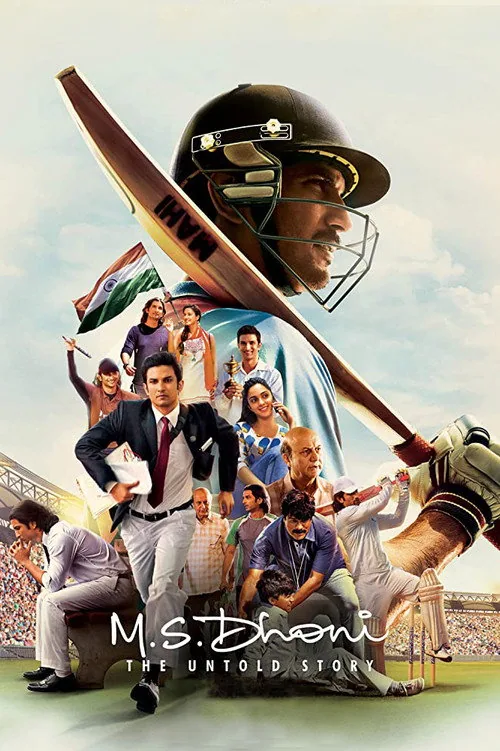
What changes Shatak: founding era establishes the narrative, organizational growth is traced through leadership and century milestone frames the legacy. M.S.Dhoni : The Untold Story: long-form life story, training and match sequences and career milestones.
The biographical drama follows Mahendra Singh Dhoni from his youth in Ranchi, where cricket competes with the practical expectations of his family and school, through early work with Indian Railways and his rise in professional cricket. Coaches and teammates help him develop his distinctive batting and leadership, while personal relationships form alongside the career. Neeraj Pandey’s Hindi film dramatizes major stages of Dhoni’s life and sporting achievements, with cricket matches and training sequences at its center.
Based on recorded story, mood and style. Your preferences can change the order.
Political resistance
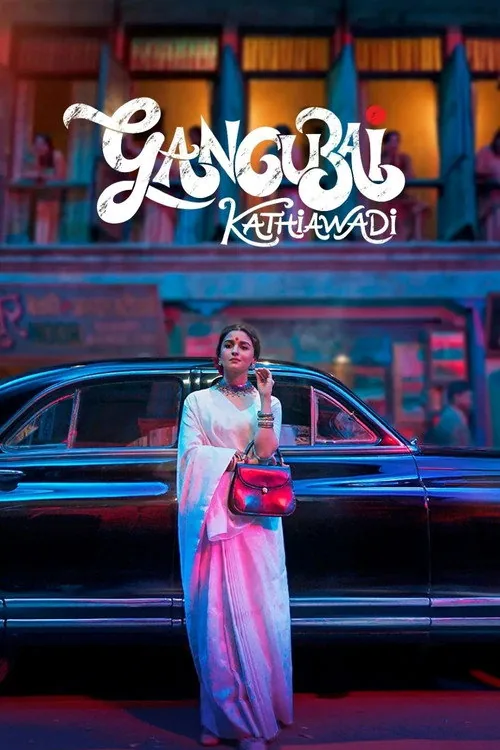
What changes Shatak: founding era establishes the narrative, organizational growth is traced through leadership and century milestone frames the legacy. Gangubai Kathiawadi: rise-to-power arc, episodic turning points and dramatic set pieces.
Ganga, a teenager who dreams of acting, is deceived by her lover and sold into a brothel in Bombay, where she takes the name Gangubai. She learns to survive the city's criminal power structure and gradually becomes an influential leader in Kamathipura. Her personal rise grows into a public campaign for the dignity and rights of the women who live and work there, placing political advocacy beside underworld alliances. Sanjay Leela Bhansali frames the transformation as a sweeping, performance-led period drama with heightened staging and music.
Based on recorded story, mood and style. Your preferences can change the order.
Political resistance
What changes Shatak: founding era establishes the narrative, organizational growth is traced through leadership and century milestone frames the legacy. Sardar Udham: present-day pursuit alternates with earlier memories, travel and surveillance build patient tension and massacre sequence reframes the final act.
Udham Singh, a revolutionary who survived the 1919 Jallianwala Bagh massacre, travels from colonial India to London under aliases while pursuing former Punjab governor Michael O'Dwyer. The film moves between Udham's preparations in 1940 and earlier experiences of imprisonment, organizing, and political struggle. Its long, non-linear account links a planned assassination to the violence that shaped his resolve, while showing the years of surveillance and displacement required to reach his target.
Based on recorded story, mood and style. Your preferences can change the order.
Memory and identity · Political resistance
What changes Shatak: founding era establishes the narrative, organizational growth is traced through leadership and century milestone frames the legacy. Dahomey: essayistic, contemplative and dialogic.
Mati Diop's documentary follows the return of royal artifacts looted from the Kingdom of Dahomey and held for generations in France. The objects arrive in present-day Benin, where students and others debate what repatriation can repair, what remains absent and who has the authority to speak for the past. Alongside the public discussion, the film gives an imagined voice to one returned statue, connecting material history with memory, colonial power and cultural inheritance.
Based on recorded story, mood and style. Your preferences can change the order.
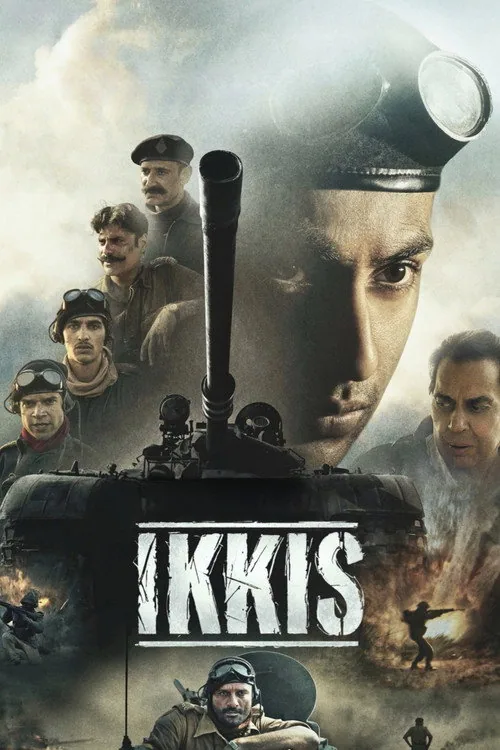
What changes Shatak: founding era establishes the narrative, organizational growth is traced through leadership and century milestone frames the legacy. Ikkis: training forms the young officer, war brings him to the battlefield and memory connects the conflict's opposing sides.
Ikkis portrays Second Lieutenant Arun Khetarpal, a young Indian tank commander whose actions during the 1971 India–Pakistan War made him the youngest recipient of India's Param Vir Chakra. The film follows his military training, friendships, emerging romance, and entry into combat as he wrestles with the fear and purpose of a soldier barely past adolescence. It also frames his story through a later encounter between his father and a former Pakistani officer. The Hindi biographical war drama joins battlefield action with remembrance and a call for human understanding across national lines.
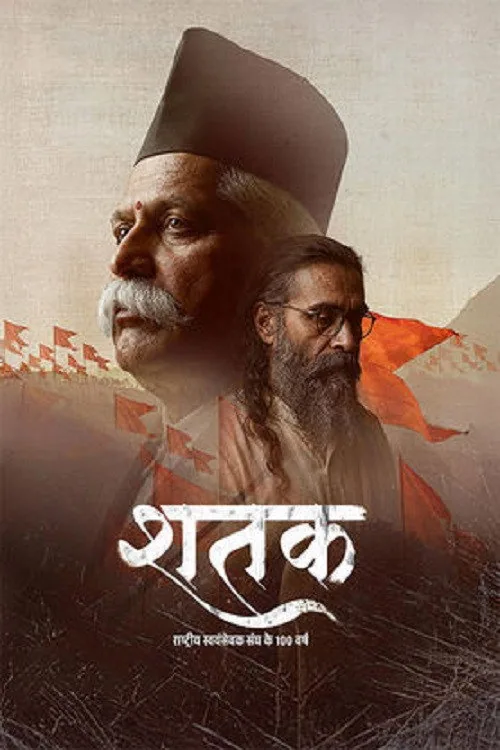
Shatak: Sangh Ke 100 Varsh looks back at the first century of the Rashtriya Swayamsevak Sangh, from its founding by Keshav Baliram Hedgewar to its later expansion under successive leaders. The historical film presents the organization's growth, ideas, and public role through a commemorative narrative spanning decades. Rather than following a fictional protagonist, it organizes its story around a political and cultural institution and the people who shaped it. The Hindi feature is designed as a centennial account, offering viewers a structured overview of the RSS's history and influence in India.
What drives the story
The film recounts the RSS's century-long development from its founding through successive leaders and changing public roles.
The people at its centre
The narrative emphasizes institutional continuity and the individuals presented as shaping the organization's growth and identity.
What it feels like
A Hindi historical feature takes a commemorative, survey-style approach to a major political and cultural organization.
Worth knowing
Its subject is the hundred-year history of the RSS, not a fictional character's journey or a general overview of Indian nationalism.
institutional historypolitical and cultural identityleadership and legacy
Mood
commemorative · historical · formal
Pacing
founding era establishes the narrative · organizational growth is traced through leadership · century milestone frames the legacy
Visual style
historical reenactments · archival and commemorative imagery · period Indian settings
Storytelling
centennial history follows an organization · founder and successive leaders shape the account · public role develops across decades