Both share themes of discovery, plus a reflective atmosphere.
Why this matches +
Genres: Adventure / Drama
Shared film traits
Based on recorded story, mood and style. Your preferences can change the order.
Expect reflective and adventurous, with measured and expeditionary pacing.
British explorer Percy Fawcett becomes convinced that an advanced civilization existed in the Amazon after studying maps and reports from the region. His expeditions take him away from family life and into difficult terrain, where scientific ambition, colonial assumptions and personal endurance intersect. James Gray's period adventure follows his repeated attempts to return to the forest and the uncertain legacy of exploration.
Based on recorded story, mood and style. Your preferences can change the order.
Expect restrained and elegiac, with flashback-driven and measured pacing.
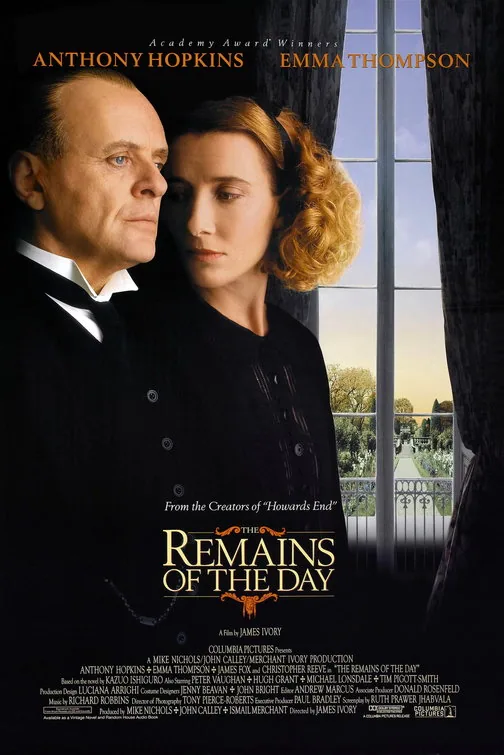
In postwar Britain, butler James Stevens drives across the West Country to visit Miss Kenton, the former housekeeper at Darlington Hall. Their journey is intercut with memories of the years they served Lord Darlington, a gentleman whose prewar political associations later stain his reputation. Stevens prides himself on emotional restraint and professional dignity, while Kenton challenges his loyalty to the household and invites him to acknowledge their personal attachment. He repeatedly subordinates private feeling to service, even as the political choices made at the estate reveal how professionalism can become complicity. The return trip gives Stevens time to reconsider what he has preserved and what he has lost. James Ivory's adaptation builds its drama from manners, omissions and the distance between public conduct and private regret.
Based on recorded story, mood and style. Your preferences can change the order.
Investigation
Expect austere and somber, with measured pacing.
Before taking religious vows, novice Anna visits her only surviving relative, Wanda, and learns that she was born Jewish and given a different name. Their journey to locate the remains of family members killed during the occupation leads to difficult questions about local violence, survival and what can be recovered from silence. Wanda’s political past and grief shape one response; Ida’s quiet discipline and uncertainty shape another. Their discoveries do not produce a simple replacement identity or a single verdict on Poland. The film’s black-and-white, nearly square compositions make its sparse spaces and withheld information part of the historical tension, not merely an elegant style.
Based on recorded story, mood and style. Your preferences can change the order.
Expect somber and resilient, with character-led and across decades pacing.
After former Brazilian congressman Rubens Paiva is taken by the military regime, his wife Eunice tries to learn what happened while caring for their children. The family home and the uncertainty surrounding his disappearance become part of a longer struggle over truth and memory. Walter Salles follows Eunice's perspective through a changing political landscape, making domestic endurance and later remembrance central to the historical drama.
Both share a restrained and reflective atmosphere.
Why this matches +
Genres: Drama / Biography
Shared film traits
Based on recorded story, mood and style. Your preferences can change the order.
What changes The Dig: measured, character-led and gradual revelation. The Iron Lady: nonlinear memory and career retrospect.
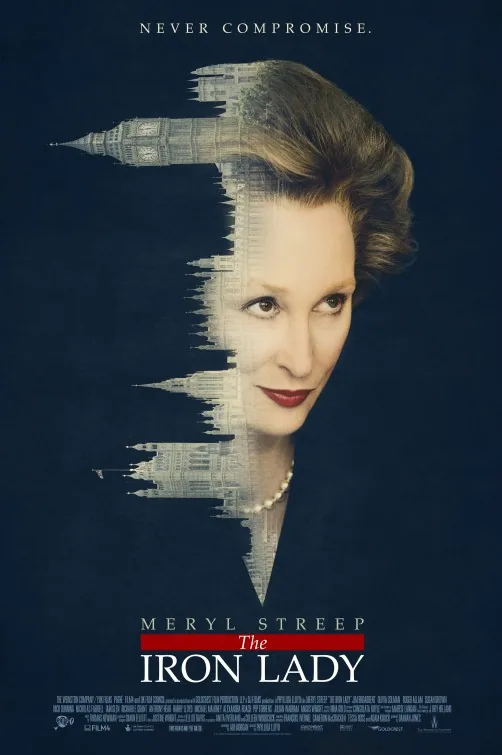
In her later years, Margaret Thatcher is shown in an imagined memory-loss frame as recollections of her late husband Denis and political career return in fragments. The film moves between that private present and her rise from grocer’s daughter and Oxford student to Conservative leader and prime minister, selecting episodes such as the Falklands War, cabinet struggles and opposition within her party. Denis’s imagined presence and the shifting memories turn a political biography toward a personal reckoning with age, power and the life she chose. This is a dramatic device, not a medically verified portrait of Thatcher’s health; its narrow focus on memory also gives policy and the consequences of her government less space than character.
Based on recorded story, mood and style. Your preferences can change the order.
War and civilian life
What changes The Dig is tagged reflective and restrained; Gone with the Wind is tagged epic and emotional.
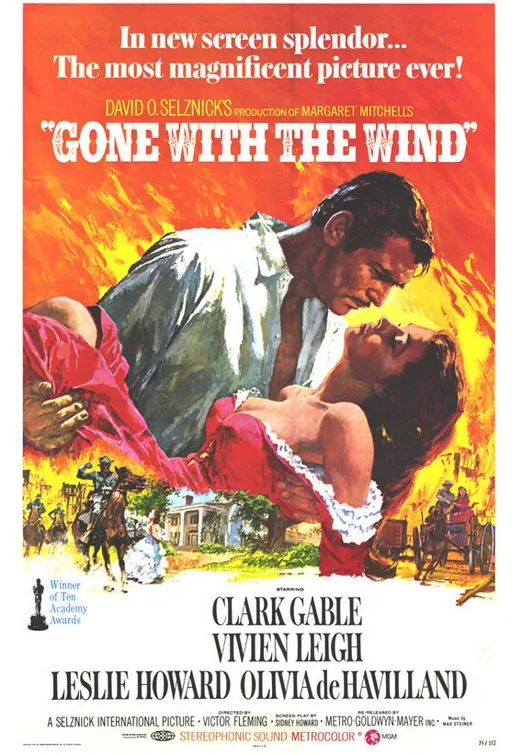
A privileged young woman on a Georgia plantation pursues an attachment to a man whose commitments lie elsewhere as the American Civil War destroys the material security of her household. Surviving loss makes property and economic control increasingly urgent, while a second man's attraction offers possibilities she struggles to value beyond immediate need. Her effort to recover a familiar world is presented through a romanticised white Southern viewpoint that leaves the people sustaining that world without equal narrative authority.
Based on recorded story, mood and style. Your preferences can change the order.
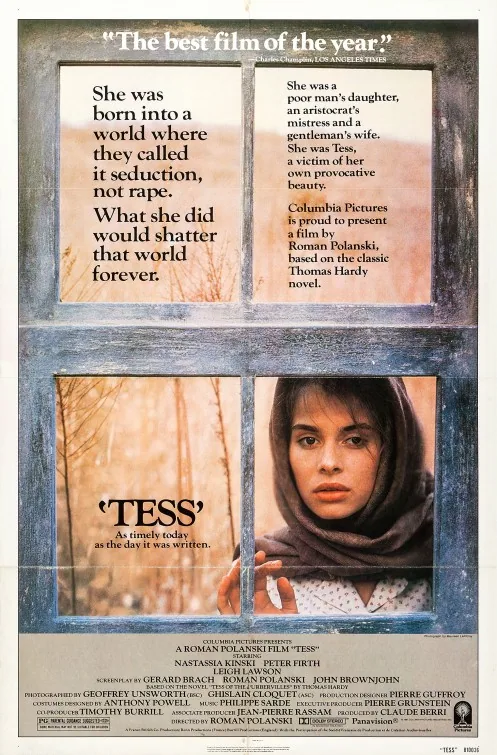
What changes The Dig is tagged reflective and restrained; Tess is tagged lyrical and somber.
In rural Wessex in the 1880s, Tess Durbeyfield is sent by her poor family to seek help from wealthy people who share their supposed ancestral name. Her encounter with Alec d’Urberville brings unwanted attention and a lasting rupture in her prospects. Tess later finds work as a dairymaid, falls in love with Angel Clare, and hopes that honesty can give them a future together. Class prejudice, family need, and the double standards governing women continue to shape her choices, turning the pastoral landscape into the setting for an increasingly tragic struggle over dignity and self-determination.
Based on recorded story, mood and style. Your preferences can change the order.
What changes The Dig is tagged reflective and restrained; Downton Abbey is tagged elegant and affectionate.
In 1927, the Crawley family learns that King George V and Queen Mary will visit Downton during their Yorkshire tour. The estate's family and staff prepare for the occasion, but the royal household brings its own servants and customs, unsettling the people responsible for maintaining Downton's routines. Lady Mary asks retired butler Carson to return temporarily, while Barrow and the other staff navigate status, loyalty and the possibility that their work will be overlooked.
Based on recorded story, mood and style. Your preferences can change the order.
War and civilian life
What changes The Dig: measured, character-led and gradual revelation. Monuments Men: steady and escalating.
During the Second World War, museum directors, curators and historians form an Allied unit to locate art stolen by the Nazis and return it to its owners. Frank Stokes must persuade military leaders that protecting cultural objects is worth diverting resources, while James Granger gradually earns the help of French curator Claire Simone, who fears the Americans may seize the collection for themselves. The team finds caches in mines and castles as the war nears its end, competing with Soviet forces and German orders to destroy art. Their mission becomes a race to preserve objects and trace rightful ownership.
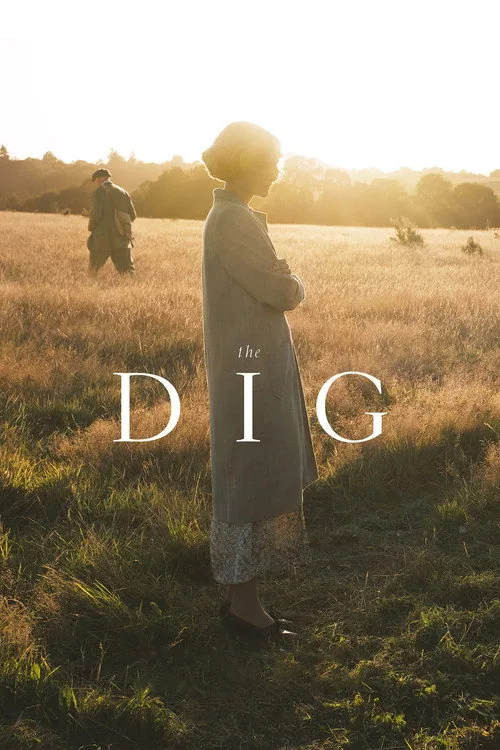
As Europe approaches war in 1939, landowner Edith Pretty hires self-taught archaeologist Basil Brown to excavate burial mounds at her Sutton Hoo estate. Their work reveals a ship burial of major historical importance, attracting professional archaeologists who take control of the project. Brown’s contribution and Edith’s ownership are challenged even as the discovery changes public understanding of Anglo-Saxon history. Simon Stone’s period drama adapts John Preston’s novel and centers the collaboration, class divisions, and legacy surrounding a real archaeological excavation.
What drives the story
The excavation reveals a major ship burial while institutional experts contest who should direct the work.
The people at its centre
Edith and Basil respect one another’s knowledge as class and professional status shape their recognition.
What it feels like
Includes illness, wartime anxiety, burial imagery, grief, and understated romantic conflict.
Worth knowing
The historical drama focuses on the human relationships and recognition around an archaeological discovery more than spectacle.
DiscoveryRecognitionClass
Mood
Reflective · Restrained · Poignant
Pacing
Measured · Character-led · Gradual revelation
Visual style
English coastal landscapes · Earthy period palette · Quiet observational framing
Storytelling
Archaeological excavation · Historical discovery · Recognition of overlooked work