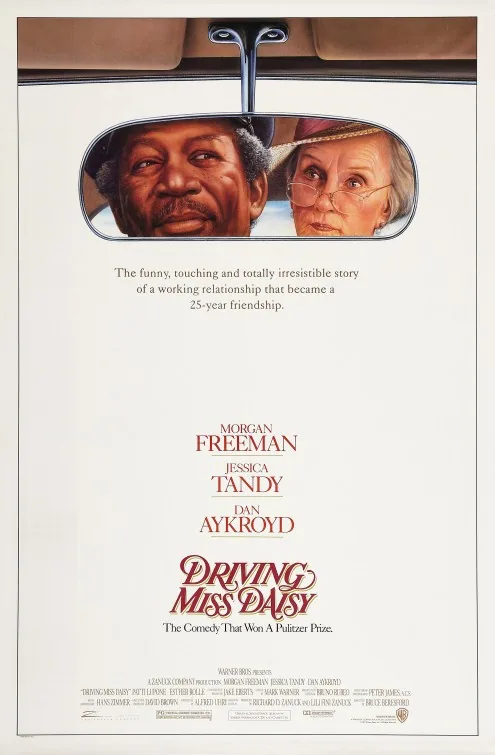
An imposed service arrangement develops through repeated ordinary encounters, gradually exposing how dependence and dignity change without removing the racial hierarchy around them. Boolie hires Hoke after Daisy’s crash, establishing an employment arrangement before affection changes its daily texture.
Why this matches +
These offer a related experience with a meaningful difference in story, tone, or presentation.
An adjacent discovery: a related idea with a different viewing experience.
Genres: Drama / Comedy
Shared film traits
Based on recorded story, mood and style. Your preferences can change the order.
What changes A long relationship between a Black employee and a white employer exposes the personal and structural inequalities of the segregated South.
After a driving accident, an older Jewish woman in Atlanta reluctantly accepts the Black chauffeur her son employs. Repeated journeys turn suspicion and resistance into familiarity across decades, but the habits of an employment relationship remain embedded in segregation and unequal freedom. As age increases her dependence, small acts of care acquire weight without making affection sufficient to erase the structures that have shaped what each person can say or expect. Its domestic viewpoint leaves Hoke's working conditions less central than the relationship's emotional arc.
The shared farm brings two families into daily contact while the returning veterans' wartime experiences expose unequal lives at home.
Why this matches +
These offer a related experience with a meaningful difference in story, tone, or presentation.
An adjacent discovery: a related idea with a different viewing experience.
Genres: Drama / War
Shared film traits
Based on recorded story, mood and style. Your preferences can change the order.
What changes Black families in the rural South confront racial hierarchy, dangerous prejudice and unequal power within everyday work and family life.
After World War II, the white McAllan family struggles to run a farm in the Mississippi Delta alongside the Black Jackson family, who work the same land under unequal conditions. Veterans Jamie McAllan and Ronsel Jackson return from war with experiences that do not fit the racial hierarchy at home. Their friendship grows in secret, drawing hostility from family and community. Told through several points of view, the drama follows an intergenerational story of land, racism, trauma, and fragile solidarity.
A carefully ordered household reveals how social respectability can conceal pain and constrain honest connection.
Why this matches +
These offer a related experience with a meaningful difference in story, tone, or presentation.
An adjacent discovery: a related idea with a different viewing experience.
Genres: Drama / Romance
Shared film traits
Based on recorded story, mood and style. Your preferences can change the order.
What changes A woman in a carefully maintained suburban community confronts the racial boundaries and social pressure underlying its respectability.
In 1950s Connecticut, a suburban wife discovers that her polished marriage conceals a truth her community is unwilling to accept, while she forms a connection that crosses the era’s racial boundaries. Her husband and their children also face the consequences of a rigid social order. The film uses period melodrama and carefully controlled style to examine desire, respectability and the limits imposed on private life.
The need to save a farm brings an unlikely household together through seasonal work and mutual reliance.
Why this matches +
These offer a related experience with a meaningful difference in story, tone, or presentation.
An adjacent discovery: a related idea with a different viewing experience.
Genres: Drama
Shared film traits
Based on recorded story, mood and style. Your preferences can change the order.
What changes Women in a Southern community work to preserve their families and livelihoods despite economic hardship and entrenched social divisions.
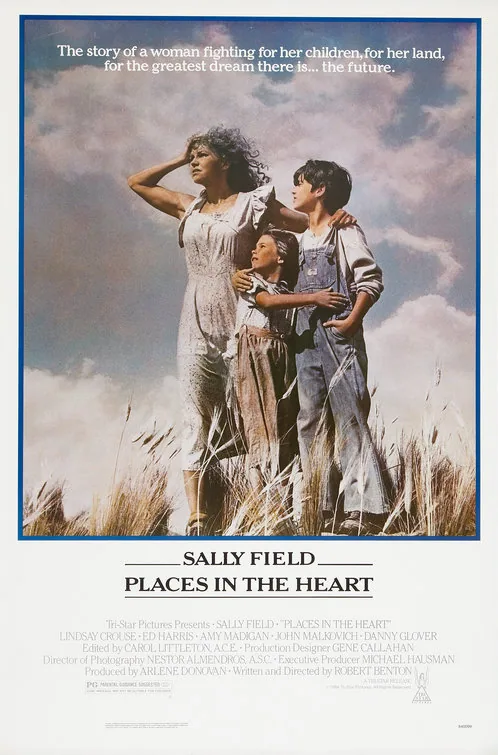
In Depression-era Texas, widowed Edna Spalding tries to keep her farm after her husband's death. She hires a blind boarder and a Black laborer, whose work and differing circumstances become central to the household's survival through a difficult season. Their practical cooperation unfolds against racism, economic insecurity and family grief, giving the farm's struggle a wider view of interdependence in a small community.
The lawsuit turns repeated workplace humiliation into a public test of what an employer must acknowledge.
Why this matches +
These offer a related experience with a meaningful difference in story, tone, or presentation.
An adjacent discovery: a related idea with a different viewing experience.
Genres: Drama
Shared film traits
Based on recorded story, mood and style. Your preferences can change the order.
What changes Women risk their jobs and reputations to challenge workplace mistreatment and make their experiences public.
A woman returns to her Minnesota hometown and takes a mining job, where harassment by male coworkers becomes a collective workplace problem. When she challenges the company, the case brings neighbors and relatives into conflict over livelihood, credibility and solidarity. The drama draws on a landmark employment dispute while keeping its focus on the difficult personal costs of asking an institution to recognize abuse and change its practices.
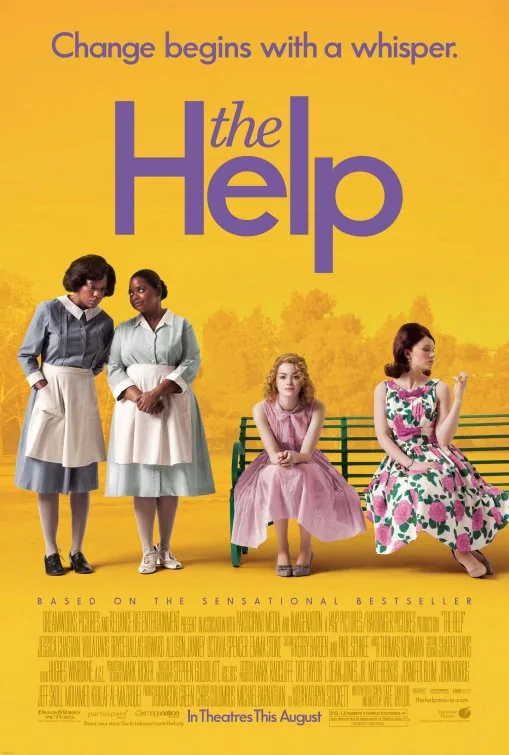
In early-1960s Jackson, Mississippi, aspiring writer Skeeter Phelan returns home and seeks to interview Black domestic workers about their experiences serving white families. Aibileen Clark and Minny Jackson take serious risks by contributing their stories, while their white employers’ social order is enforced through humiliation and exclusion. As the book project grows, the women balance the need to speak with the danger of being identified. Tate Taylor’s adaptation centres three women with different kinds of access and power, but its uplifting arc is a fictionalized account and its framing of Black women’s agency merits careful scrutiny.
What drives the story
The interviews become a dangerous act of testimony: publication could expose the workers to retaliation, while silence leaves their conditions hidden.
The people at its centre
Aibileen’s grief and Minny’s defiance shape the stories they choose to share. Skeeter can move through white society in ways the domestic workers cannot, an imbalance the film’s narrative must navigate.
What it feels like
The film mixes domestic comedy, melodrama and workplace testimony, building toward a hopeful public reckoning rather than a broad account of the civil-rights movement.
Worth knowing
A character-driven period drama with substantial racism and abuse. It is a fictionalized story with a white writer at its center, not a comprehensive or neutral record of Black domestic workers’ history; historians’ criticism of that framing is part of its context.