Explore films connected to The Perfection through artistic perfection and abuse, revenge and solidarity, control and consent. Choose the qualities you want to carry into your next watch.
What should feel similar?
Find your next favourite
9 films · Closest overall matches
Hide films you’ve seen or don’t want. Saved on this device.
No matches for this combination yet.
Try another option or reset your choices to see more films.
Based on recorded story, mood and style. Your preferences can change the order.
Memory and identity
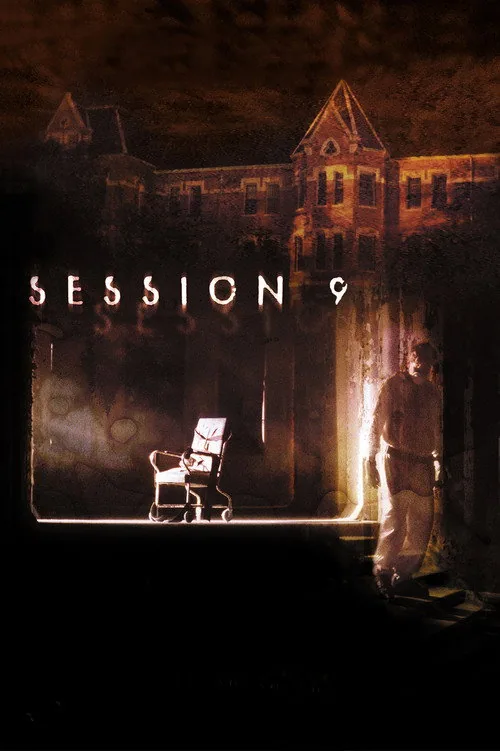
What changes The Perfection: reunion and attraction, shocking reversals and revenge-driven finale. Session 9: slow-burn and atmospheric escalation.
An asbestos-removal crew wins a job at an abandoned psychiatric hospital and begins work under pressure to finish quickly. As the men explore the decaying building, one worker listens to recorded therapy sessions involving a former patient named Mary Hobbes, and the material begins to unsettle him. Tensions within the crew rise as the hospital’s history and the men’s own conflicts crowd into the job. Brad Anderson’s psychological horror film uses the location, recorded voices, and fractured group dynamics to create dread without relying on constant shocks.
Based on recorded story, mood and style. Your preferences can change the order.
Memory and identity
What changes The Perfection: reunion and attraction, shocking reversals and revenge-driven finale. Halloween II: relentless and fragmented.
After the events of the previous film, Laurie struggles with trauma while Michael Myers continues to pursue her and those around her. The story moves through a bleak Midwestern town and revisits the franchise’s family connection, placing psychological aftermath beside slasher pursuit. Rob Zombie’s sequel emphasizes abrasive imagery and raw distress, making the experience less about a puzzle of identity than about survivors living under the continuation of violence.
Based on recorded story, mood and style. Your preferences can change the order.
Memory and identity
What changes The Perfection: reunion and attraction, shocking reversals and revenge-driven finale. Inland Empire: elliptical and long-form and disorienting.
Actress Nikki Grace accepts a role in a film production that is said to be cursed, and the boundaries between her performance, private life, and the story she is acting out begin to dissolve. Scenes move through Hollywood rooms, shadowy corridors, and disjointed encounters without settling into one stable account of events. David Lynch’s experimental psychological film uses digital video, repetition, and dream logic to make identity and narrative feel unstable. Its three-hour form invites sensory immersion and interpretation rather than a single, easily summarized solution.
Based on recorded story, mood and style. Your preferences can change the order.
What changes The Perfection: reunion and attraction, shocking reversals and revenge-driven finale. Malignant: a procedural investigation breaks into escalating supernatural spectacle.
Madison is tormented by visions of murders she appears to witness as they happen, while investigators connect the killings to an unknown figure from her past. As the violence escalates, her memories and sense of self become increasingly uncertain. James Wan’s horror film begins as a police mystery and shifts into a highly stylized confrontation with a hidden history, using body horror and identity questions to unsettle genre expectations.
Based on recorded story, mood and style. Your preferences can change the order.
What changes The Perfection: reunion and attraction, shocking reversals and revenge-driven finale. Carrie: slow-building and catastrophic climax.
Shy high-school student Carrie White grows up under the control of her intensely religious mother and becomes a target of classmates who record her humiliation online. After Carrie discovers her telekinetic power, a rare act of kindness offers a chance at belonging, but a cruel prank at prom turns private pain into public catastrophe. Kimberly Peirce's adaptation retells Stephen King's story through contemporary teen culture and the consequences of sustained bullying.
Based on recorded story, mood and style. Your preferences can change the order.
Memory and identity
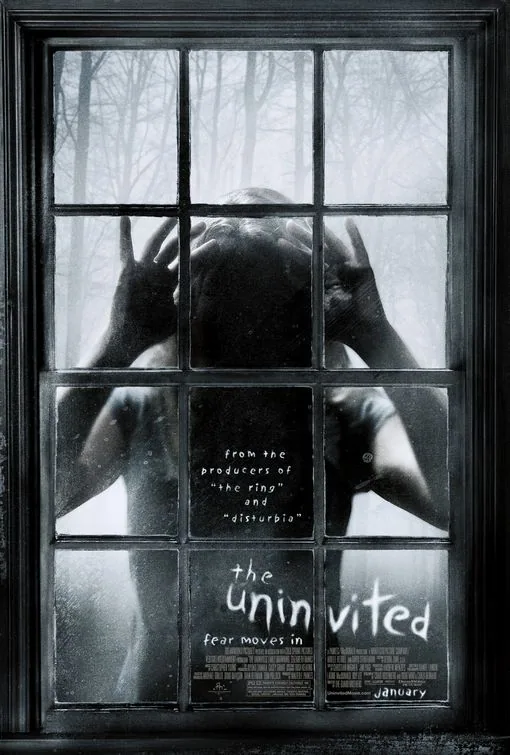
What changes The Perfection: reunion and attraction, shocking reversals and revenge-driven finale. The Uninvited: slow-building and revelation-led.
After leaving a psychiatric facility, a teenager returns home to live with her father and his new partner, while troubling events and memories complicate her sense of safety. Her sister supports her suspicions, but the household’s version of the past does not match what the girls remember. The horror remake uses family grief and uncertain recollection to build a mystery in which the apparent supernatural threat may be tied to a more intimate betrayal.
Based on recorded story, mood and style. Your preferences can change the order.
Memory and identity
What changes The Perfection: reunion and attraction, shocking reversals and revenge-driven finale. The Taking of Deborah Logan: care routines and interview setup, footage reveals unexplained behavior and investigation becomes rescue.
A student documentary team records Deborah Logan, an older woman with Alzheimer's disease, and her daughter Sarah as they navigate daily care in Virginia. Deborah's behavior grows increasingly disturbing, and the crew begins to capture events that seem to exceed the effects of dementia. A mysterious telephone line and references to an old ritual lead them toward a local physician's history and a new danger involving a young patient. The found-footage horror asks where observation ends and responsibility begins when a family's crisis becomes the subject of a film.
Based on recorded story, mood and style. Your preferences can change the order.
Memory and identity
What changes The Perfection: reunion and attraction, shocking reversals and revenge-driven finale. Lost Highway: nonlinear and circular.
Jazz musician Fred Madison begins receiving videotapes that show the outside of his house and then its interior, turning domestic privacy into a threat. After his arrest for murder, the story fractures into an impossible identity change and a second life lived by Pete Dayton, whose affair with Alice repeats patterns of desire, surveillance and control. A mysterious man crosses the film’s worlds as if recording and directing them, but no stable explanation resolves how the two identities relate. David Lynch’s noir is built from circular return, abrupt shifts and oppressive sound rather than a puzzle with one confirmed diagnosis. Its dreamlike form can hold several readings, yet ambiguity should not dissolve the violence against women into abstract style or make the men’s self-deceptions morally weightless.
Based on recorded story, mood and style. Your preferences can change the order.
Memory and identity
What changes The Perfection: reunion and attraction, shocking reversals and revenge-driven finale. Suspiria: a dance academy mystery deepens into political and supernatural horror.
American dancer Susie Bannion joins a prestigious West Berlin dance academy whose artistic director hides the school’s true purpose. Psychotherapist Josef Klemperer investigates the disappearance of a student and uncovers links between the institution, a coven, and the political unrest of 1970s Germany. The horror film reimagines dance as both discipline and ritual, connecting bodily performance to collective memory, power, and historical trauma.
Cellist Charlotte returns to the elite Boston music academy where she once studied and meets Lizzie, the gifted performer who replaced her. The two women form an intense connection, but their relationship moves through disturbing revelations about the school's director and the abuse hidden beneath its pursuit of perfection. Their shifting alliance turns into a plan of revenge that repeatedly changes the audience's understanding of what happened. The psychological horror film uses classical performance, bodily trauma, and abrupt narrative reversals to expose the costs of institutional control.
What drives the story
Charlotte and Lizzie's apparent rivalry develops into a plot against the director who controls the academy and its students.
The people at its centre
Their trust repeatedly shifts as each woman learns what the other has endured and what she is prepared to do.
What it feels like
A twist-heavy psychological horror film pairs elegant classical performance with deliberately shocking bodily violence.
Worth knowing
Its music-school setting supports a revenge story about institutional abuse, rather than a conventional rivalry over artistic talent.
artistic perfection and abuserevenge and solidaritycontrol and consent
Mood
unnerving · sensual · violent
Pacing
reunion and attraction · shocking reversals · revenge-driven finale
Visual style
formal concert staging · graphic body horror · contrasting music and violence
Storytelling
former student bonds with academy star · music school conceals abuse · revelations reshape apparent victim and aggressor roles