A time-sensitive message requires vulnerable messengers to cross a battlefield where every interruption can make eventual success irrelevant.
Why this matches +
These films share important themes, atmosphere or storytelling interests with this selection.
Genres: Drama / War
Shared film traits
Based on recorded story, mood and style. Your preferences can change the order.
Survival · War and civilian life
What changes Its own story: A time-sensitive message requires vulnerable messengers to cross a battlefield where every interruption can make eventual success irrelevant.
Two young British soldiers are ordered to cross apparently abandoned territory to deliver a warning that could prevent an attack from walking into a trap. One has a brother among the troops at risk, giving the assignment an immediate private urgency. Movement through trenches, ruined settlements and unpredictable encounters makes each attempt to gain time expose them to dangers whose local significance can obscure the larger mission.
Repeated cycles of waiting, attack and emergency repair make survival depend on collective work inside a vessel whose strategic orders keep exposing it to renewed danger.
Why this matches +
These films share important themes, atmosphere or storytelling interests with this selection.
Genres: War / Drama
Shared film traits
Based on recorded story, mood and style. Your preferences can change the order.
Survival · War and civilian life
What changes Its own story: Repeated cycles of waiting, attack and emergency repair make survival depend on collective work inside a vessel whose strategic orders keep exposing it to renewed danger.
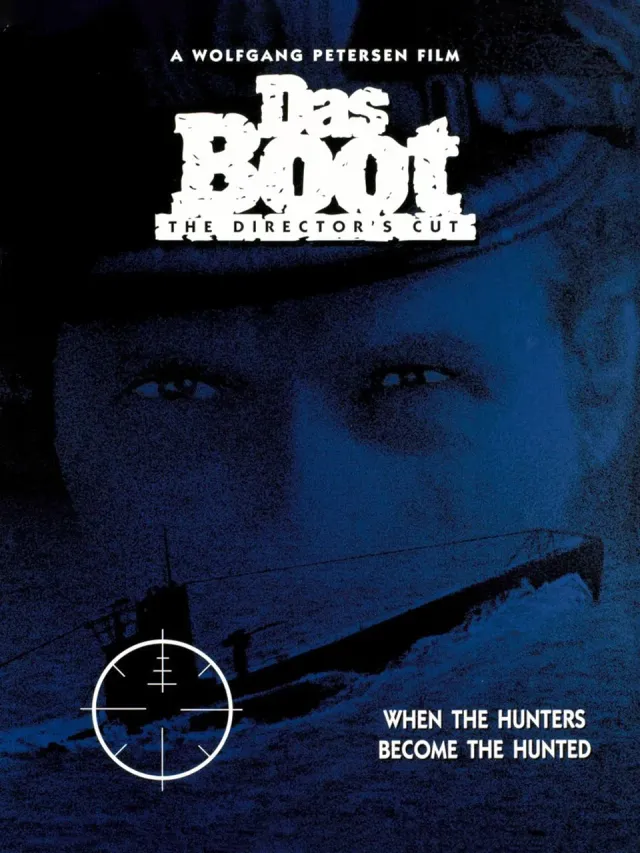
A young correspondent joins a German submarine crew whose long periods of boredom give way to pursuit, mechanical failure and pressure at depths the vessel may not withstand. Experienced sailors' practical cynicism contrasts with more committed ideological certainty, but shared confinement does not remove the war's human consequences outside the hull. Surviving one ordeal only produces another order, making technical solidarity an unreliable promise that anyone controls the voyage's larger purpose. The crew’s shared competence is repeatedly tested by orders issued for a war whose purpose they do not control.
A group of fugitives accepts a perilous transport job because ordinary escape routes have already closed to them.
Why this matches +
These films share important themes, atmosphere or storytelling interests with this selection.
Genres: Adventure / Thriller
Shared film traits
Based on recorded story, mood and style. Your preferences can change the order.
Survival
What changes Its own story: A group of fugitives accepts a perilous transport job because ordinary escape routes have already closed to them.
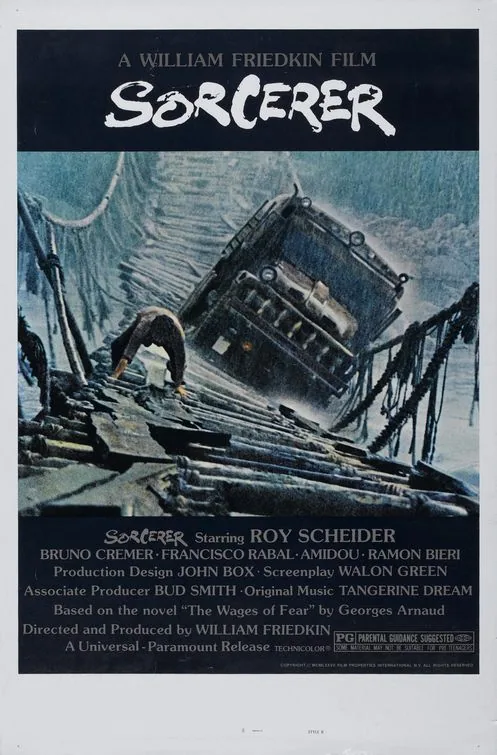
Four men from different countries and troubled pasts end up at a remote South American oil field, where they are offered dangerous work. An explosion has made the site's nitroglycerin supplies unstable, and the men must transport the volatile cargo across rough jungle roads in two aging trucks. Their hope of escaping poverty and legal danger depends on working together under extreme pressure. Each obstacle tests their nerve and trust as the route becomes more hazardous than the promised reward.
A corporate emergency hires desperate outsiders for a lethal transport job, turning every road obstacle into a negotiation with fear.
Why this matches +
These films share important themes, atmosphere or storytelling interests with this selection.
Genres: Drama / Adventure
Shared film traits
Based on recorded story, mood and style. Your preferences can change the order.
Survival
What changes Its own story: A corporate emergency hires desperate outsiders for a lethal transport job, turning every road obstacle into a negotiation with fear.
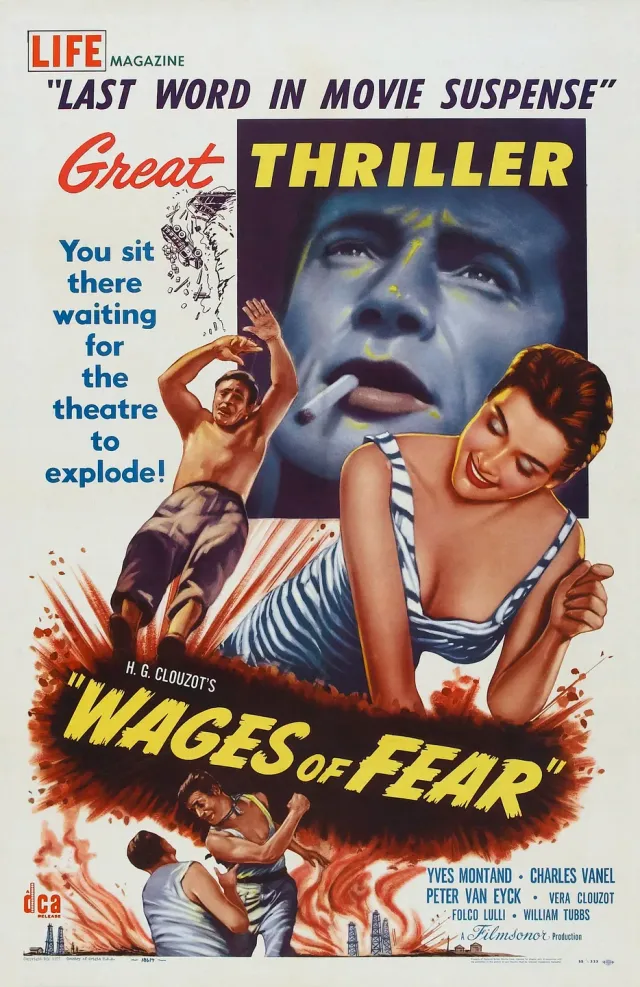
In the impoverished oil town of Las Piedras, four stranded European men accept an offer from an American company: drive separate trucks carrying nitroglycerin to an oil-well fire across rough mountain roads. The pay could let them leave, but vibration or collision may detonate the cargo, and the company’s urgency gives the drivers little leverage. Mario’s pride, Jo’s bravado, Bimba’s reserve and Luigi’s warmth are tested by the route’s physical obstacles and the changing balance between the men. The dangerous journey follows a long period of waiting in a town where economic dependence has already narrowed their choices. The men’s individual bravado is gradually replaced by the practical logistics of keeping a volatile load stable.
A collision and severe weather force an unnamed sailor to solve one escalating survival problem after another.
Why this matches +
These films share important themes, atmosphere or storytelling interests with this selection.
Genres: Adventure / Drama
Shared film traits
Based on recorded story, mood and style. Your preferences can change the order.
Survival
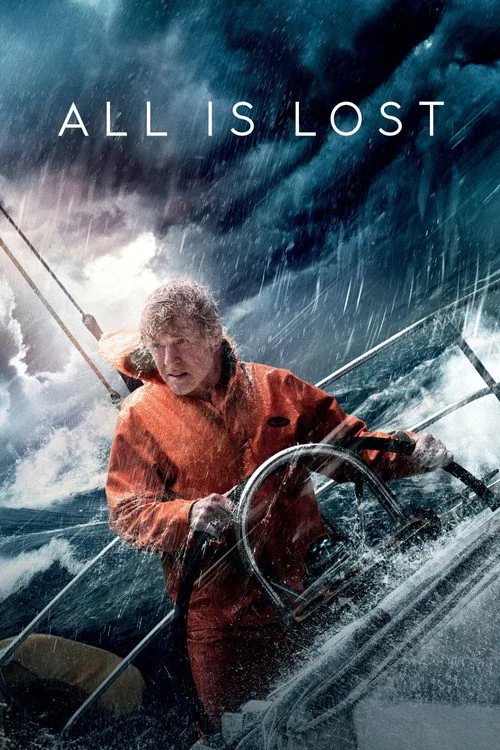
What changes Its own story: A collision and severe weather force an unnamed sailor to solve one escalating survival problem after another.
A lone sailor in the Indian Ocean discovers that his yacht has struck a shipping container and is taking on water. With communications damaged and a storm approaching, he repairs the hull, salvages supplies, and tries to navigate toward help. Each practical decision creates new problems as the vessel and the man’s strength decline. J. C. Chandor’s survival drama is nearly wordless, using Robert Redford’s performance and the precise stages of a maritime emergency to explore endurance and uncertainty.
A failed lunar mission becomes a sequence of constrained engineering decisions aimed at returning an endangered crew.
Why this matches +
These films share important themes, atmosphere or storytelling interests with this selection.
Genres: Drama / Adventure
Shared film traits
Based on recorded story, mood and style. Your preferences can change the order.
Survival
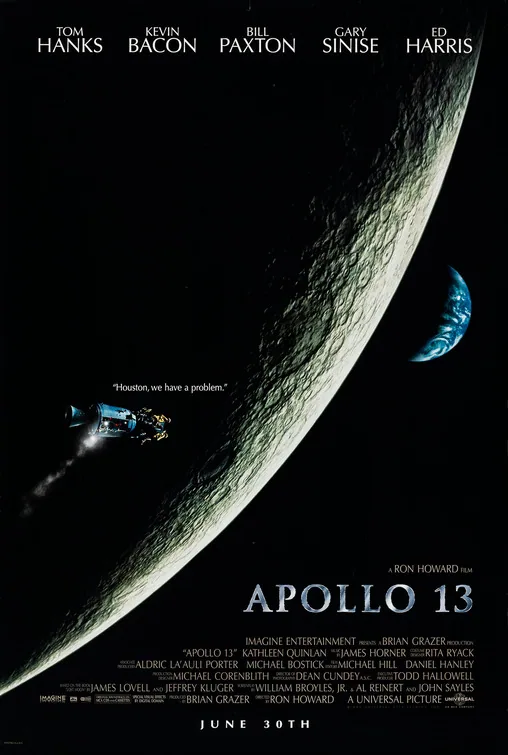
What changes Its own story: A failed lunar mission becomes a sequence of constrained engineering decisions aimed at returning an endangered crew.
Three astronauts travelling towards the Moon lose the spacecraft systems that would make landing or returning straightforward after an onboard explosion. On Earth, controllers and engineers work through limited supplies, incompatible equipment and uncertain calculations while the crew preserves power and breathable air. Their families can only wait as a planned exploration mission becomes a cooperative effort to bring particular people home alive.
A chain of orbital emergencies forces a stranded astronaut to improvise successive routes towards survival.
Why this matches +
These films share important themes, atmosphere or storytelling interests with this selection.
Genres: Science fiction / Thriller
Shared film traits
Based on recorded story, mood and style. Your preferences can change the order.
Survival
What changes Its own story: A chain of orbital emergencies forces a stranded astronaut to improvise successive routes towards survival.
A routine orbital assignment becomes a struggle for survival when debris destroys equipment and separates an inexperienced mission specialist from reliable support. Moving between damaged structures requires learning unfamiliar systems under extreme time pressure. The physical effort to reach safety intersects with a private history of loss, making the decision to keep acting emotionally difficult as well as technically demanding.
A boarding becomes a mobile hostage siege in which negotiation buys time while the balance of force changes outside the captors' immediate view.
Why this matches +
These films share important themes, atmosphere or storytelling interests with this selection.
Genres: Thriller / Drama
Shared film traits
Based on recorded story, mood and style. Your preferences can change the order.
Survival
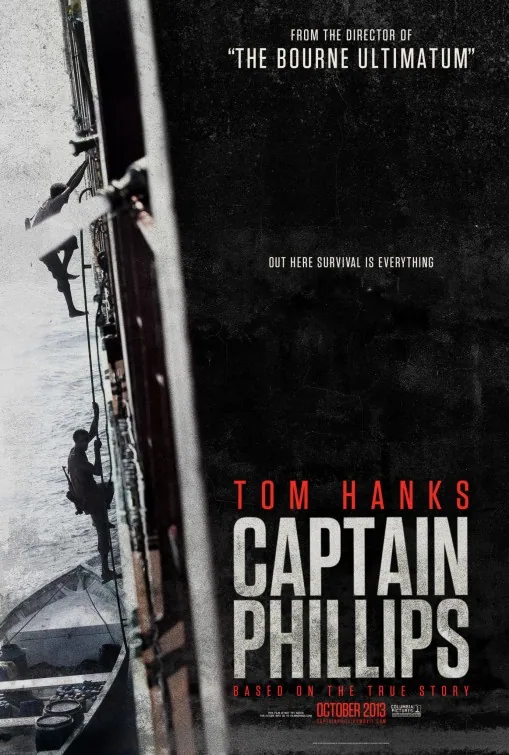
What changes Its own story: A boarding becomes a mobile hostage siege in which negotiation buys time while the balance of force changes outside the captors' immediate view.
Somali pirates board an American cargo ship, forcing Captain Richard Phillips to improvise ways to protect his crew while negotiating with armed men whose control is less secure than it appears. The crisis contracts into a lifeboat hostage situation as overwhelming naval force approaches. Each side must read gestures, promises and changing tactical limits, while the distance between the pirates' expectations and the power surrounding them becomes increasingly dangerous.
The story builds from disconnected reports toward a shared realization, showing how communication changes the passengers’ options.
Why this matches +
These films share important themes, atmosphere or storytelling interests with this selection.
Genres: Drama / Biography
Shared film traits
Based on recorded story, mood and style. Your preferences can change the order.
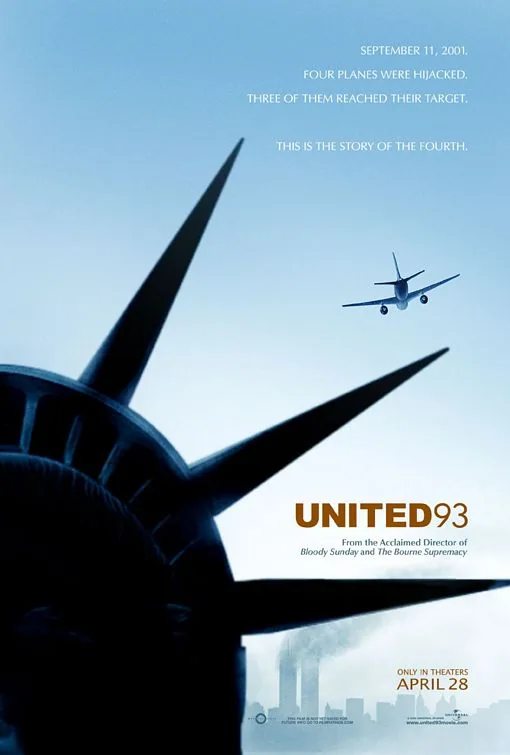
What changes Its own story: The story builds from disconnected reports toward a shared realization, showing how communication changes the passengers’ options.
On September 11, 2001, passengers and crew board United Airlines Flight 93, unaware that their aircraft will be hijacked as part of the coordinated attacks. The film interweaves events aboard the plane with the confusion among air-traffic controllers, military staff and civilian authorities responding to reports from multiple flights. Information arrives unevenly, and people on the ground must make decisions while the scale of the attack is still unclear. Phone calls allow passengers to learn what has happened elsewhere and compare that information with the danger around them. The film follows their eventual collective decision to resist, but its reenactment cannot provide a transcript of private conversations or knowable inner thoughts. Its restraint and real-time structure emphasize uncertainty rather than heroic hindsight.
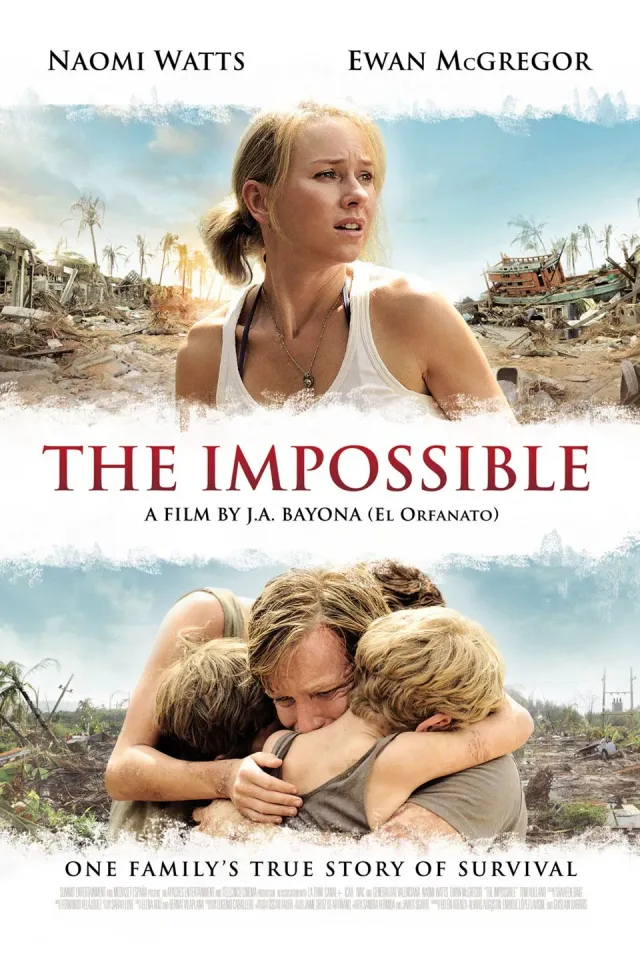
The separation after the wave gives each family member a different urgent task: survive, find help or keep searching for the others.
Why this matches +
These films share important themes, atmosphere or storytelling interests with this selection.
Genres: Drama / Thriller
Shared film traits
Based on recorded story, mood and style. Your preferences can change the order.
Survival
What changes Its own story: The separation after the wave gives each family member a different urgent task: survive, find help or keep searching for the others.
Maria, Henry and their three sons are on holiday in Thailand when the 2004 Indian Ocean tsunami devastates the coast. The wave separates Maria and her oldest son Lucas from the rest of the family, and injury and confusion make finding one another difficult even as local people try to help. The film follows the search from several family members’ perspectives, including Lucas’s shift from frightened child to caretaker for his mother. Inspired by a real family’s survival, it is a dramatization of disaster and rescue rather than a comprehensive account of the tsunami’s wider impact.
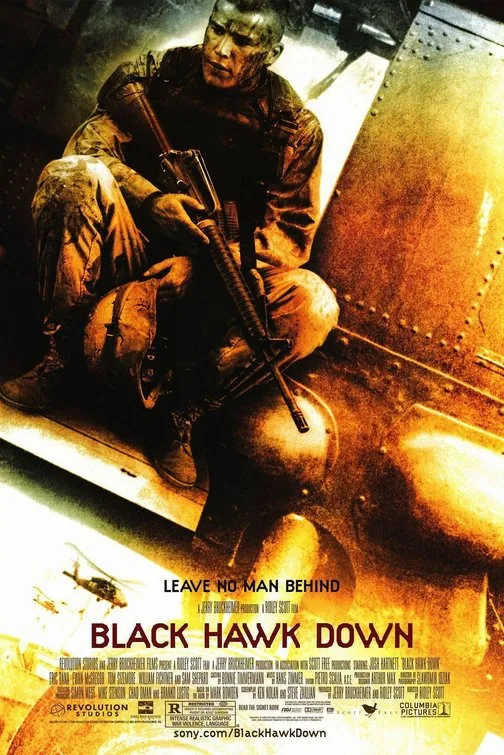
A planned raid becomes an expanding rescue problem in which each attempt to retrieve stranded personnel creates further tactical vulnerability.
Why this matches +
These films explore a related idea in a different setting, genre or style.
An adjacent discovery: a related idea with a different viewing experience.
Genres: Drama / Thriller
Shared film traits
Based on recorded story, mood and style. Your preferences can change the order.
Survival
What changes Its own story: A planned raid becomes an expanding rescue problem in which each attempt to retrieve stranded personnel creates further tactical vulnerability.
American troops enter Mogadishu expecting a brief operation to capture members of an armed faction. When helicopters are brought down, separate groups become trapped in unfamiliar streets and efforts at extraction multiply the number of people exposed. The immediate demands of reaching injured colleagues dominate a mission whose original objectives recede behind survival, communication failures and the difficulty of finding routes through an urban battlefield.
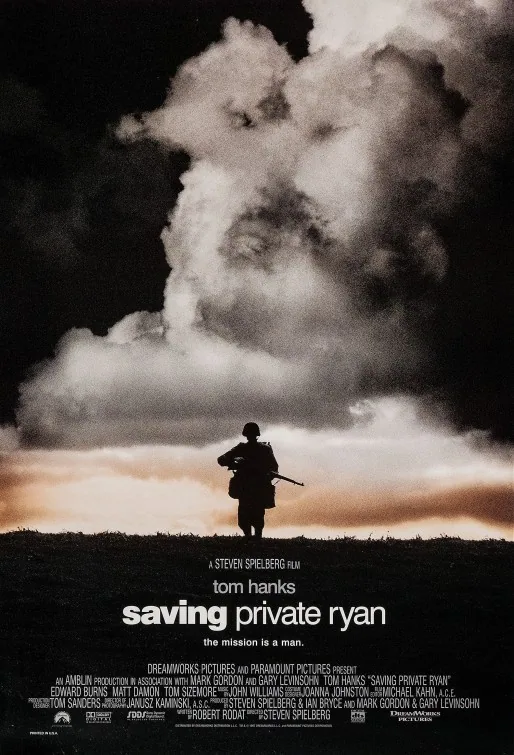
A rescue order sends an exhausted combat unit across hostile territory, repeatedly forcing tactical decisions against the moral arithmetic of the mission.
Why this matches +
These films explore a related idea in a different setting, genre or style.
An adjacent discovery: a related idea with a different viewing experience.
Genres: Drama / Action
Shared film traits
Based on recorded story, mood and style. Your preferences can change the order.
Survival · War and civilian life
What changes Its own story: A rescue order sends an exhausted combat unit across hostile territory, repeatedly forcing tactical decisions against the moral arithmetic of the mission.
Following the Normandy landings, a squad of American soldiers is ordered to locate a paratrooper whose brothers have been killed and send him home. Their movement through contested French territory exposes them to repeated losses and disagreements about the value of risking several lives for one. A captain's authority must hold the unit together as the mission tests duty, compassion and the uneasy meaning of deserving survival.
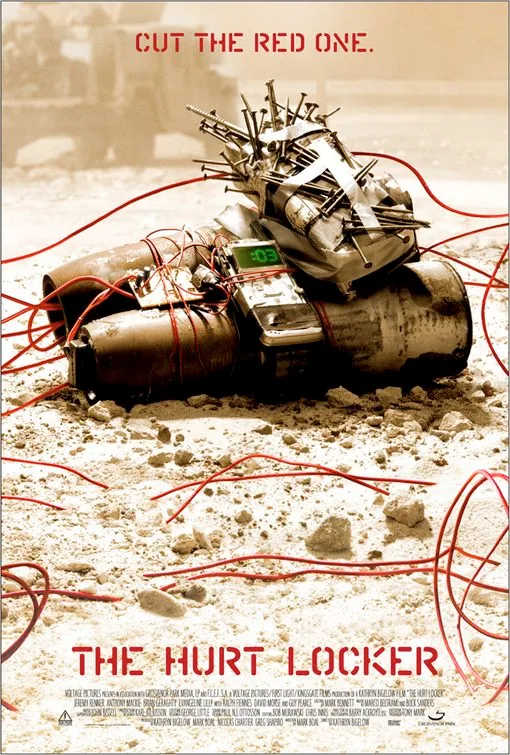
Episodic bomb-disposal missions test the distinction between skilled duty and dependence on danger, while a countdown to departure strains unit cohesion.
Why this matches +
These films explore a related idea in a different setting, genre or style.
An adjacent discovery: a related idea with a different viewing experience.
Genres: Drama / Thriller
Shared film traits
Based on recorded story, mood and style. Your preferences can change the order.
War and civilian life
What changes Its own story: Episodic bomb-disposal missions test the distinction between skilled duty and dependence on danger, while a countdown to departure strains unit cohesion.
A bomb-disposal team in Iraq receives a new leader whose technical ability comes with an appetite for risk that unsettles the men protecting him. Successive calls turn ordinary streets, vehicles and civilian encounters into uncertain threats, while each operation exposes a different limit in the team's trust. As their rotation nears its end, survival appears less difficult to imagine than a shared understanding of what returning to ordinary life would mean.
An interdependent military plan breaks down as delays and faulty assumptions compound across separate bridge objectives.
Why this matches +
These films explore a related idea in a different setting, genre or style.
An adjacent discovery: a related idea with a different viewing experience.
Genres: War / Drama
Shared film traits
Based on recorded story, mood and style. Your preferences can change the order.
War and civilian life
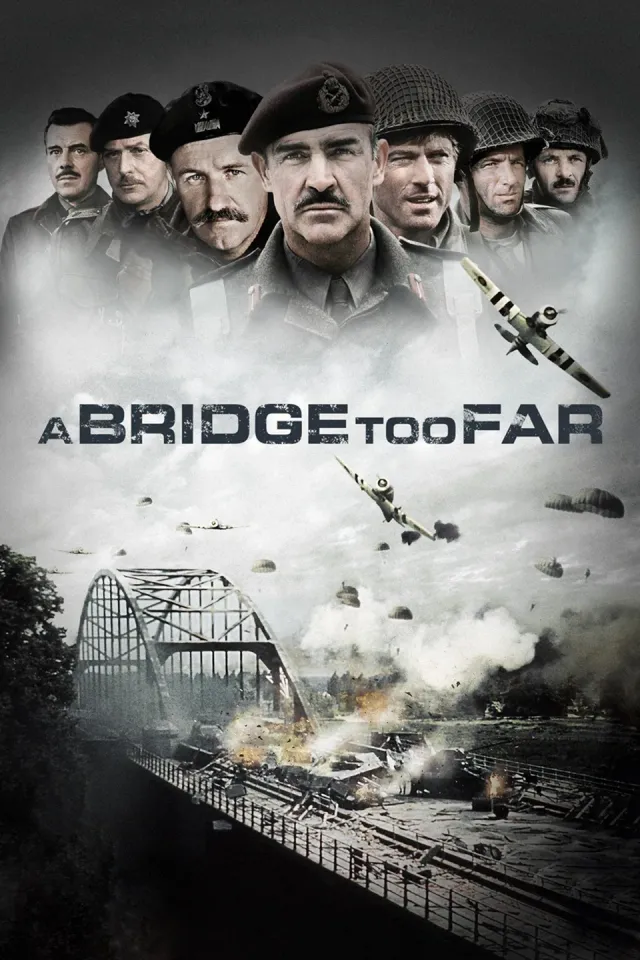
What changes Its own story: An interdependent military plan breaks down as delays and faulty assumptions compound across separate bridge objectives.
Allied commanders launch an ambitious operation to seize a chain of bridges in the Netherlands and open a rapid route into Germany. Airborne troops and advancing ground forces depend on tightly connected objectives, but intelligence failures, communication problems, and fierce resistance unravel the plan. The ensemble follows officers and soldiers confronting the growing distance between strategic optimism and what individual units can actually survive.
A contested advance places command pressure against the cost of sending particular men into danger, while shifting perspectives continually exceed the official mission.
Why this matches +
These films explore a related idea in a different setting, genre or style.
An adjacent discovery: a related idea with a different viewing experience.
Genres: Drama / War
Shared film traits
Based on recorded story, mood and style. Your preferences can change the order.
War and civilian life
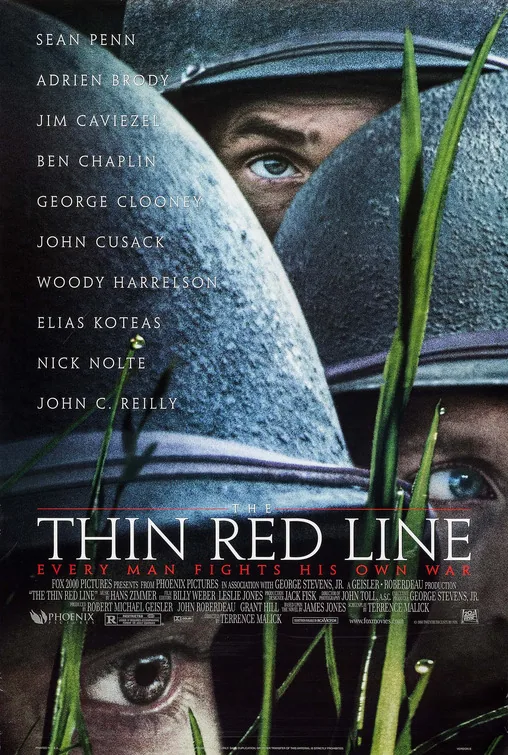
What changes Its own story: A contested advance places command pressure against the cost of sending particular men into danger, while shifting perspectives continually exceed the official mission.
An American infantry company arrives on Guadalcanal and confronts a landscape whose beauty offers no protection from military objectives or unpredictable killing. Attempts to capture a defended position expose differences between career ambition, tactical responsibility and the soldiers' private attachments. Multiple voices reflect on nature, violence and loss as the campaign continues, making neither strategic progress nor individual courage sufficient to explain what the men experience.
A destroyer captain guides a convoy through a dangerous gap in air cover.
Why this matches +
These films explore a related idea in a different setting, genre or style.
An adjacent discovery: a related idea with a different viewing experience.
Genres: War / Action
Shared film traits
Based on recorded story, mood and style. Your preferences can change the order.
Survival
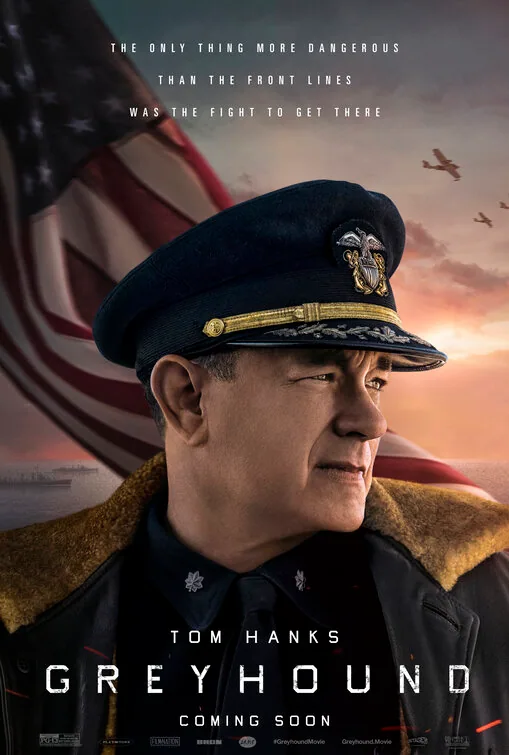
What changes Its own story: A destroyer captain guides a convoy through a dangerous gap in air cover.
In 1942, commander Ernest Krause leads an Allied convoy through a stretch of the Atlantic beyond reliable air cover. German submarines threaten the ships, and the destroyer captain must make decisions with limited information while managing an exhausted crew. Aaron Schneider keeps the war story tightly focused on the bridge and radio, creating suspense from navigation, timing and the burden of command rather than a broad battlefield view.
The rescue mission is defined by distance, weather and limited capacity rather than a single antagonist.
Why this matches +
These films explore a related idea in a different setting, genre or style.
An adjacent discovery: a related idea with a different viewing experience.
Genres: Action / Drama
Shared film traits
Based on recorded story, mood and style. Your preferences can change the order.
Survival · War and civilian life
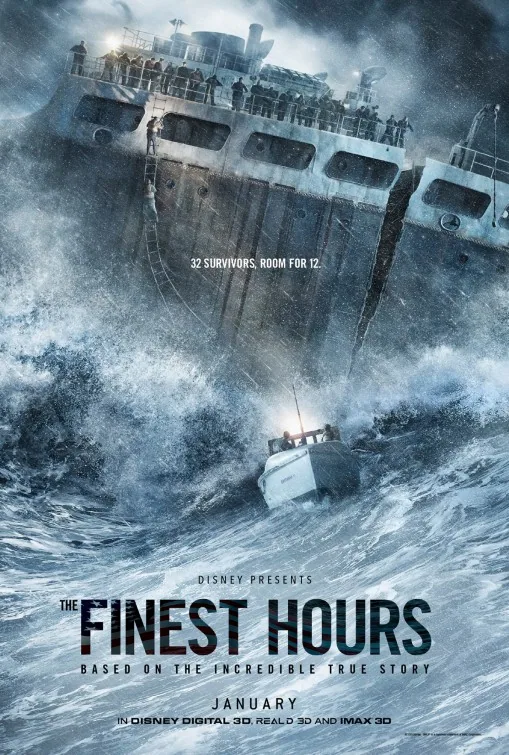
What changes Its own story: The rescue mission is defined by distance, weather and limited capacity rather than a single antagonist.
A Coast Guard crew is sent into a severe winter storm to rescue sailors from a damaged oil tanker off the Massachusetts coast. The rescue requires difficult navigation, courage and cooperation as the small boat confronts conditions larger than its equipment. The historical adventure is built around a constrained mission, shifting between the rescuers and the people trapped aboard the ship.
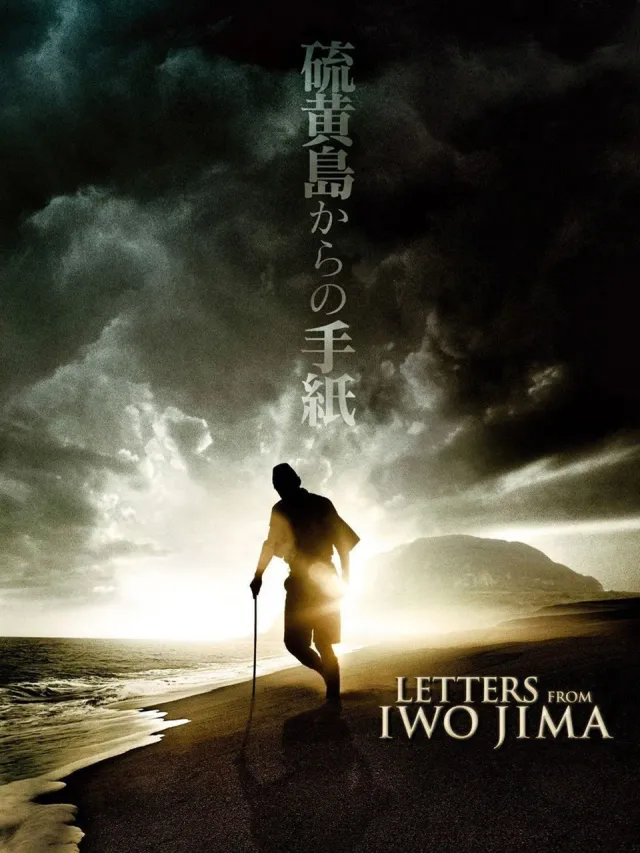
The tactical shift to a defense from caves and tunnels changes the battle from an open-front engagement into a prolonged survival problem. Letters provide a second structure, carrying home lives into a position where return is unlikely.
Why this matches +
These films explore a related idea in a different setting, genre or style.
An adjacent discovery: a related idea with a different viewing experience.
Genres: War / Drama
Shared film traits
Based on recorded story, mood and style. Your preferences can change the order.
War and civilian life
What changes Its own story: The tactical shift to a defense from caves and tunnels changes the battle from an open-front engagement into a prolonged survival problem. Letters provide a second structure, carrying home lives into a position where return is unlikely.
As U.S. forces approach Iwo Jima in 1945, Japanese soldiers prepare to defend an island they know they may not survive. Letters and flashbacks follow General Kuribayashi, Saigo the baker and other men whose motives range from duty and fear to attachment to families at home. Their human individuality complicates the language of national honor without making the film a full account of the Pacific War or Japanese imperial responsibility. Clint Eastwood’s Japanese-language companion to Flags of Our Fathers focuses on one selected military perspective; it does not stand for every Japanese soldier or civilian. The battle’s underground tunnels and fragmented correspondence turn defense into an intimate, enclosed ordeal, while the historical context remains larger than the film’s sympathetic frame.
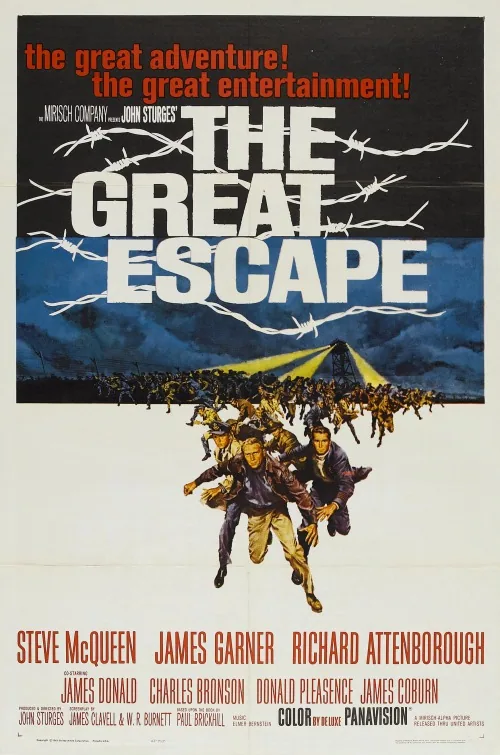
The three-tunnel plan divides the escape into interdependent jobs requiring secrecy, specialized skill and timing. Hilts’s individual escape attempts contrast with Bartlett’s collective operation, but the film’s American characters are inventions rather than participants in the actual breakout.
Why this matches +
These films explore a related idea in a different setting, genre or style.
An adjacent discovery: a related idea with a different viewing experience.
Genres: Drama / Thriller
Shared film traits
Based on recorded story, mood and style. Your preferences can change the order.
War and civilian life
What changes Its own story: The three-tunnel plan divides the escape into interdependent jobs requiring secrecy, specialized skill and timing. Hilts’s individual escape attempts contrast with Bartlett’s collective operation, but the film’s American characters are inventions rather than participants in the actual breakout.
At Stalag Luft III, Allied airmen organize a mass escape through three tunnels, relying on specialist teams to make forged papers, civilian clothes and a hidden route. Hilts repeatedly tries to escape alone while Bartlett coordinates the larger plan. In the real 1944 breakout, 76 prisoners got out, 73 were recaptured and 50 were murdered by the Gestapo. The film preserves the scale and tragic outcome but invents characters such as Steve McQueen’s American Hilts and gives Americans a prominent role; no Americans were in the North Compound when the breakout happened. Its ensemble adventure is highly fictionalized and should not be read as a precise account of who planned or escaped.
A boy seeking to join the resistance is pulled into civilian extermination and the devastation of occupied Belarus, where each encounter removes another layer of childhood expectation. Flyora's changing face registers damage more than a conventional victory arc.
Why this matches +
These films explore a related idea in a different setting, genre or style.
An adjacent discovery: a related idea with a different viewing experience.
Genres: War / Drama
Shared film traits
Based on recorded story, mood and style. Your preferences can change the order.
Survival · War and civilian life
What changes Its own story: A boy seeking to join the resistance is pulled into civilian extermination and the devastation of occupied Belarus, where each encounter removes another layer of childhood expectation. Flyora's changing face registers damage more than a conventional victory arc.
Teenager Flyora joins partisans in Nazi-occupied Belarus, expecting resistance to be a path into action. Instead, the film follows a child through the destruction of villages and the murder of civilians, making atrocity a lived sensory experience rather than an abstract lesson about war. His face, sound and shifting perception carry the cost of witnessing; the historical specificity of occupation and extermination should not be flattened into a claim that every conflict is equivalent. This is an exceptionally intense film, not a conventional battlefield adventure. The film's closing newsreel montage runs backward, refusing a comforting return to innocence.
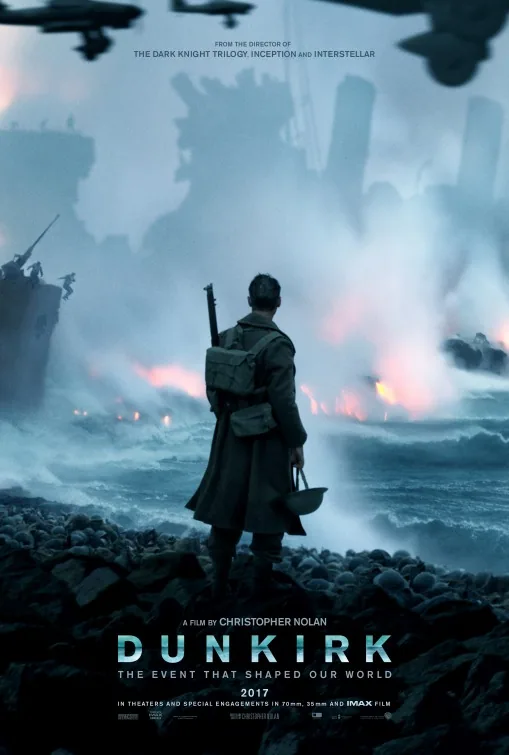
Soldiers trapped on a French beach seek a way home while small civilian boats cross the Channel and pilots attempt to protect the withdrawal. The three strands unfold over different spans of time, repeatedly exposing how one group's temporary safety can depend on work occurring elsewhere. Limited knowledge and overwhelming material danger leave little room for a conventional account of personal heroism, making survival a collective achievement that no participant can see in full.
What drives the story
An evacuation is assembled through intersecting efforts whose different clocks and incomplete information create repeated risks of misinterpretation and delay.
The people at its centre
Strangers negotiate access to scarce safety while civilians and servicemen carry different capacities and obligations towards people they may never meet.
What it feels like
Sparse dialogue, forceful sound and intercut timescales create a sustained, physically immediate experience of vulnerability.
Worth knowing
Its emphasis is evacuation and contingency rather than strategic victory or extensive character biography, and its civilian strand is not a reassuring release from danger.