Based on recorded story, mood and style. Your preferences can change the order.
Family and care · Mental health
What changes Hard Truths: episodic, observational and accumulative. Tyrannosaur: deliberate, intense and character-led.
Joseph is a widower in northern England whose anger erupts across his daily life. After meeting Hannah, a charity-shop worker whose kindness initially unsettles him, he begins to return to her shop and accept a measure of help. Hannah’s life behind her public faith is controlled by an abusive husband, and the two form a connection shaped by private violence and shame. Paddy Considine’s drama follows whether compassion can survive when both characters are carrying damage they have struggled to name or escape.
Based on recorded story, mood and style. Your preferences can change the order.
What changes Hard Truths: episodic, observational and accumulative. The Color Purple: long family saga and gradual emotional release.
Celie grows up in rural Georgia under abuse from her father, who takes her children and later gives her to Mister as a wife. Separated from her younger sister Nettie, Celie builds a life around survival and the hope that Nettie's promised letters will reach her. Her relationships with Sofia and blues singer Shug Avery offer forms of affection and resistance beyond Mister's household. Over years of hardship, Celie gains the confidence to confront the people who have controlled her and reconnect with the sister she thought she had lost.
Both share an uncomfortable and compassionate atmosphere.
Why this matches +
Genres: Drama
Shared film traits
Based on recorded story, mood and style. Your preferences can change the order.
What changes Hard Truths: episodic, observational and accumulative. Secrets & Lies: reunion unsettles everyday family routines, private conversations expose old wounds and gathering brings several relationships into view.
After the death of her adoptive mother, London optometrist Hortense Cumberbatch searches for her birth family and meets Cynthia Purley, a working-class woman who gave her up as a baby. Cynthia must absorb the unexpected reunion while managing a strained relationship with her daughter Roxanne and the needs of her brother Maurice. As family members prepare for a celebration, long-held stories surface in intimate conversations that test their assumptions about race, class, motherhood, and belonging.
Both share themes of family, plus a compassionate atmosphere.
Why this matches +
Genres: Drama
Shared film traits
Based on recorded story, mood and style. Your preferences can change the order.
Family and care · Social hierarchy
What changes Hard Truths: episodic, observational and accumulative. Rosetta: rosetta moves between job searches and conflict at home and an uneasy friendship before a job offer tests her loyalty.
After losing a temporary job, Rosetta returns to the caravan park where she lives with her alcoholic mother and begins an exhausting search for steady work. She rejects welfare and charity, tries to keep food on the table, and befriends Riquet, a young waffle-stand worker who offers her a possible opening. Their fragile friendship is tested when Rosetta learns she can take his job after he is dismissed. The chance to escape poverty forces her to weigh survival against a loyalty neither of them can afford to take for granted.
Based on recorded story, mood and style. Your preferences can change the order.
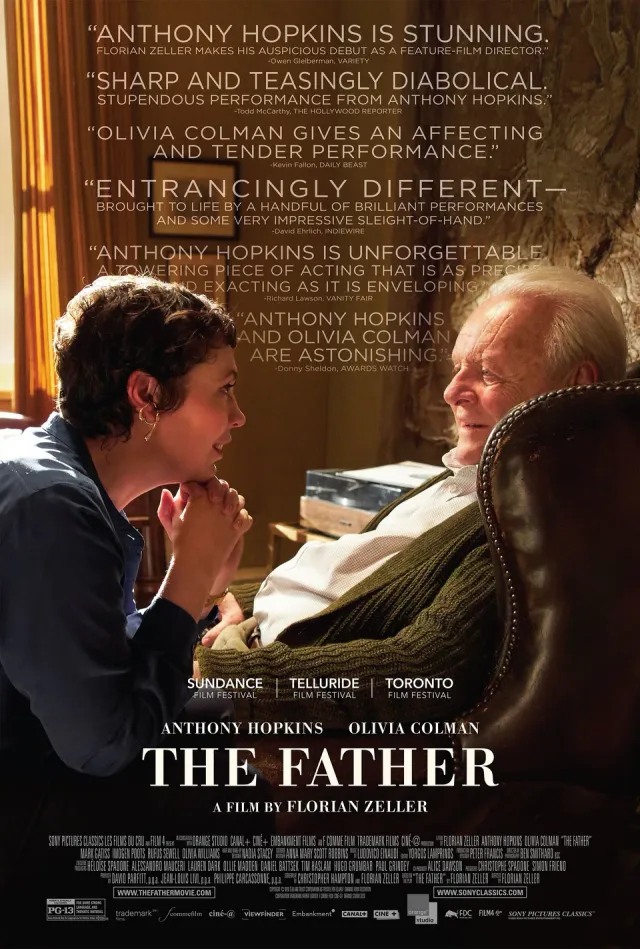
What changes Hard Truths: episodic, observational and accumulative. The Father: repetition and rupture and gradual destabilization.
Anthony, an older man living alone in London, insists he does not need help even as his daughter Anne struggles to find a caregiver he will accept. He is certain his watch has been stolen and that Anne is still married, but the people and rooms around him begin to change without warning. A man who claims to be Anne’s husband appears in Anthony’s flat; Anne herself seems to have a different face, and dates and memories refuse to line up. The film stays close to Anthony’s perception, making the audience share his uncertainty rather than explain it from outside. As Anne weighs her responsibilities and her own life, Anthony searches for the familiar home and mother he can no longer locate.
Based on recorded story, mood and style. Your preferences can change the order.
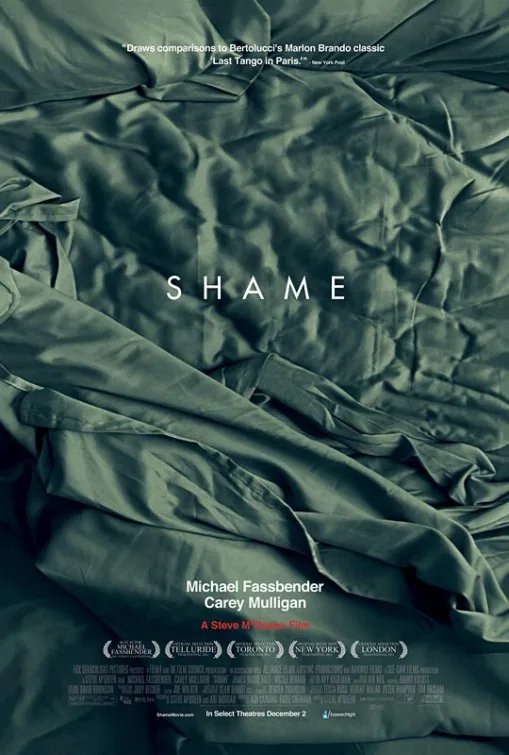
What changes Hard Truths: episodic, observational and accumulative. Shame: repetitive, slow-burn and open-ended.
Brandon is a well-paid New Yorker whose pornography use, sex and pursuit of anonymous encounters have become a rigid daily routine. His sister Sissy arrives unexpectedly and asks to stay, bringing emotional need into an apartment and life Brandon has arranged to avoid intimacy. He tries a date with a co-worker, but cannot maintain the closeness and retreats into anonymous sex; meanwhile, his anger toward Sissy escalates as her vulnerability makes their shared past difficult to ignore. When she harms herself, Brandon’s carefully controlled distance gives way to panic, though the ending leaves his next choice unresolved.
Based on recorded story, mood and style. Your preferences can change the order.
Family and care · Social hierarchy
What changes Hard Truths is tagged abrasive and uncomfortable; The Kid with a Bike is tagged tender and restless.
Twelve-year-old Cyril lives in a children’s home in Liège and keeps trying to reach his father, who has left him behind. After a chance encounter, hairdresser Samantha agrees to take him on weekends and returns his bicycle. Cyril remains determined to win his father’s attention, and the disappointment leads him toward a local gang leader despite Samantha’s care. The Dardenne brothers follow the boy’s impulsive search for belonging through fragile trust, rejection and the possibility of choosing another path.
Based on recorded story, mood and style. Your preferences can change the order.
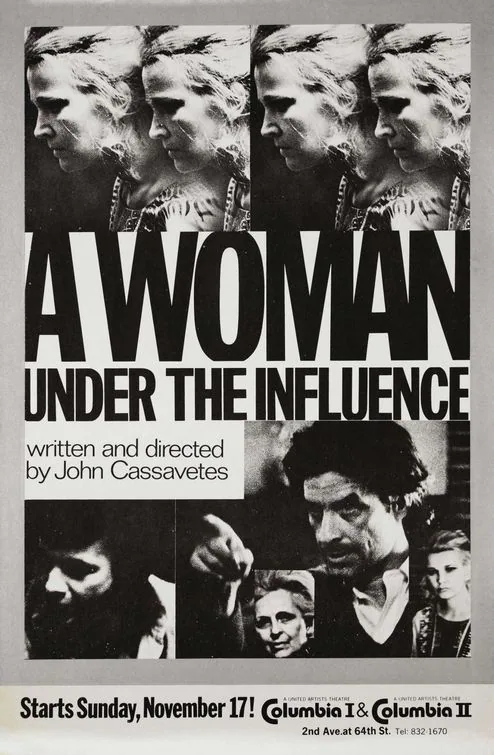
What changes Hard Truths: episodic, observational and accumulative. A Woman Under the Influence: emotional escalation and intimate scenes.
Mabel Longhetti is devoted to her children and husband Nick, but her unpredictable behavior alarms the people around her. Nick struggles to reconcile love for her with the expectations of their family and community, eventually agreeing to psychiatric treatment. When Mabel returns home, both face the difficult question of whether the household can welcome her without demanding that she become someone else.
Based on recorded story, mood and style. Your preferences can change the order.
Family and care · Mental health
What changes Hard Truths: episodic, observational and accumulative. Interiors: measured, chamber-like and reflective.
Arthur, a New York attorney, tells his wife Eve that he wants to separate and begin a different life. Their three adult daughters respond in different ways: Renata, a poet, feels caught between sympathy for her mother and concern for her father; Joey struggles with her own direction; and Flyn is often away working as an actress. When Arthur returns from a trip with Pearl, a warm and outgoing woman unlike Eve, the family must confront grief, resentment, and the emotional distance that has long shaped their home.
Pansy lives in London with her husband Curtley and adult son Moses, meeting ordinary frustrations with suspicion, anger and cutting criticism. Her sister Chantelle maintains a warmer relationship with her own daughters, though she cannot simply explain or fix Pansy's behavior. Mike Leigh's character study moves between the sisters' separate routines and family encounters, allowing humor and discomfort to sit beside signs of anxiety, grief and loneliness that the family struggles to address.
What drives the story
A deeply unhappy woman lashes out at family and strangers while her sister tries to understand her.
The people at its centre
Pansy's hostility strains her household, while Chantelle offers a contrasting model of patience and connection.
What it feels like
Unvarnished arguments and small gestures reveal pain gradually without turning every behavior into an explanation.
Worth knowing
Its episodic realism and attention to an irritable protagonist set it apart from a plot-driven family melodrama.