Explore films connected to Jean de Florette through Land and inheritance, rural poverty, complicity. Choose the qualities you want to carry into your next watch.
What should feel similar?
Find your next favourite
9 films · Closest overall matches
Hide films you’ve seen or don’t want. Saved on this device.
No matches for this combination yet.
Try another option or reset your choices to see more films.
Based on recorded story, mood and style. Your preferences can change the order.
Power and authority
What changes Jean de Florette: measured seasonal progression, accumulating setbacks and restrained tragic climax. Manon des Sources: slow-burn reckoning, parallel romance, communal pressure and tragic resolution.
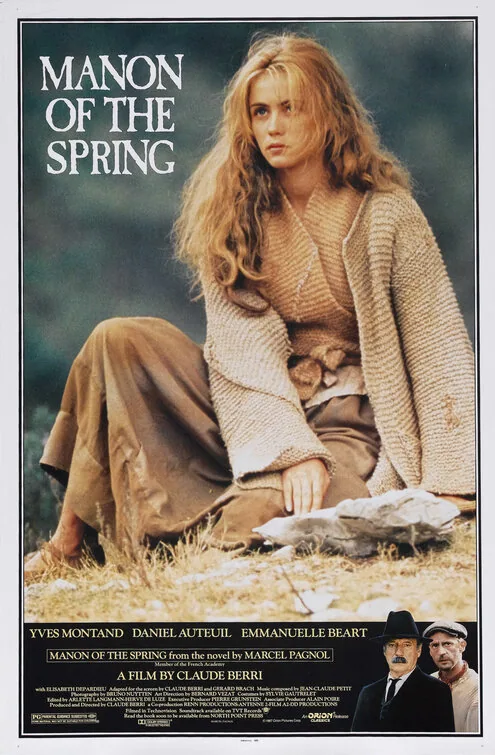
A decade after Jean Cadoret’s death, his daughter Manon lives on the hills above the Provençal village, tending goats and keeping her distance from the people below. She knows that Papet and Ugolin concealed the spring that could have saved her father’s farm, and that the village’s prosperity grew from that deception. When Manon discovers another source of water, she redirects it, forcing the villagers to confront how much they depend on what they once helped deny her family. As Ugolin’s attachment to her grows and a schoolteacher becomes her ally, Manon weighs private revenge against public truth. The film completes the two-part story begun in Jean de Florette.
Based on recorded story, mood and style. Your preferences can change the order.
Survival
What changes Jean de Florette: measured seasonal progression, accumulating setbacks and restrained tragic climax. Pelle the Conqueror: measured.
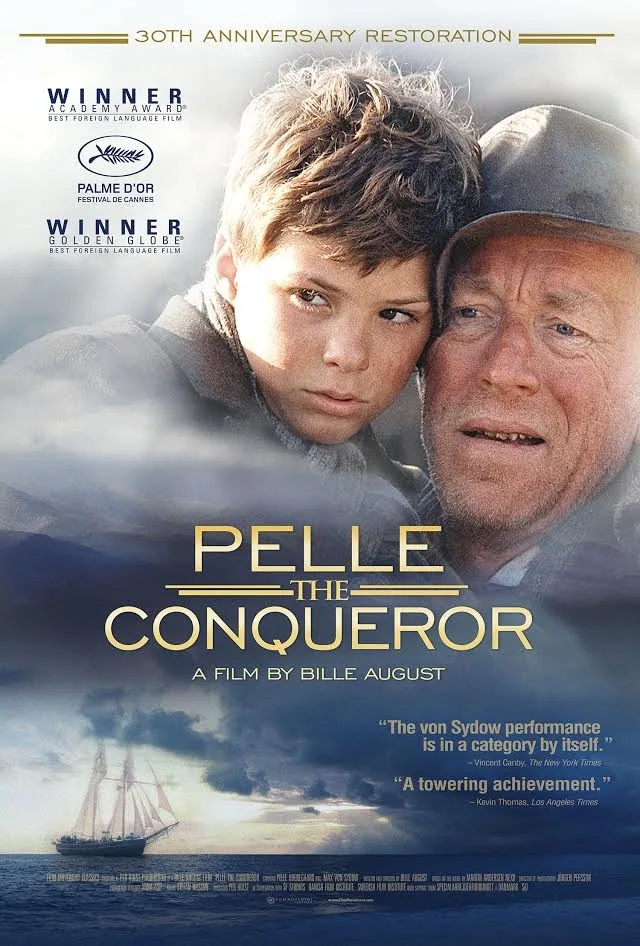
In the late nineteenth century, elderly Lasse and his young son Pelle leave Sweden to seek work in Denmark. They find employment on a large farm, where harsh conditions and low status limit their choices even as Pelle begins to form a life beyond his father's reach. Through labor, illness, friendship, and disappointment, their migration becomes a quiet story of survival and a boy's gradual movement toward independence.
Based on recorded story, mood and style. Your preferences can change the order.
Work and ambition · Family and care
What changes Jean de Florette: measured seasonal progression, accumulating setbacks and restrained tragic climax. Tess: measured, seasonal progression, character-led and tragic culmination.
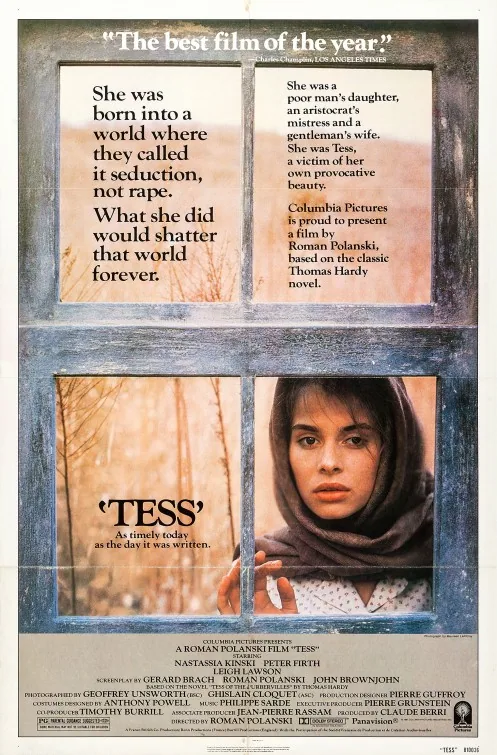
In rural Wessex in the 1880s, Tess Durbeyfield is sent by her poor family to seek help from wealthy people who share their supposed ancestral name. Her encounter with Alec d’Urberville brings unwanted attention and a lasting rupture in her prospects. Tess later finds work as a dairymaid, falls in love with Angel Clare, and hopes that honesty can give them a future together. Class prejudice, family need, and the double standards governing women continue to shape her choices, turning the pastoral landscape into the setting for an increasingly tragic struggle over dignity and self-determination.
Based on recorded story, mood and style. Your preferences can change the order.
Survival
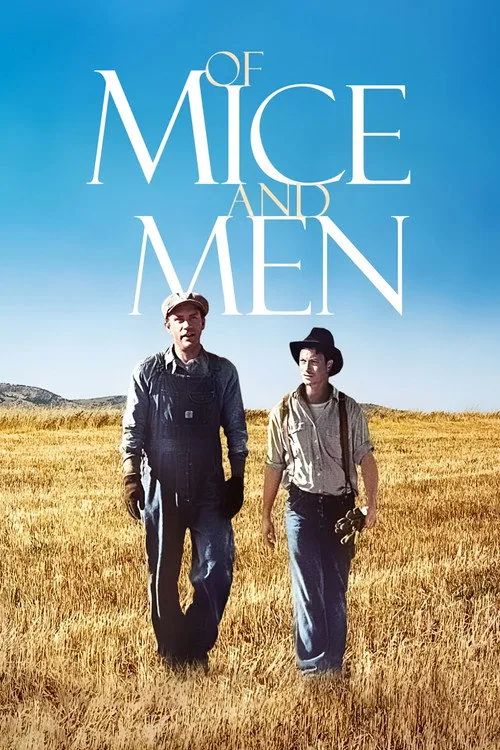
What changes Jean de Florette: measured seasonal progression, accumulating setbacks and restrained tragic climax. Of Mice and Men: flight and arrival at ranch, ensemble conflicts and hope and tragic choice.
During the Great Depression, itinerant ranch workers George Milton and Lennie Small travel together in search of work and dream of owning a small farm. George is quick-witted and protective, while Lennie's strength and disability can lead to frightening misunderstandings despite his gentle intentions. At a California ranch they meet workers carrying their own disappointments, including an aging hand and a lonely young wife. Their fragile plan seems possible until a sudden tragedy forces George to choose between loyalty, safety, and the only future Lennie has imagined.
Based on recorded story, mood and style. Your preferences can change the order.
Power and authority · Family and care
What changes Jean de Florette: measured seasonal progression, accumulating setbacks and restrained tragic climax. The Ballad of Narayama: deliberate, episodic, observational and seasonal rhythms.
In a nineteenth-century Japanese village where tradition requires people to travel to a remote mountain at seventy, Orin is one year from the expected farewell. She is healthy, but a neighbor’s struggle to take his father away persuades her to face the custom without clinging to life. Over the coming year she puts her household and village affairs in order, confronts a family that hoards food, and attends to the future of her younger son. The village’s harsh material conditions are interwoven with brief observations of animals hunting, watching, calling and giving birth, placing human customs within a wider cycle of life.
Based on recorded story, mood and style. Your preferences can change the order.
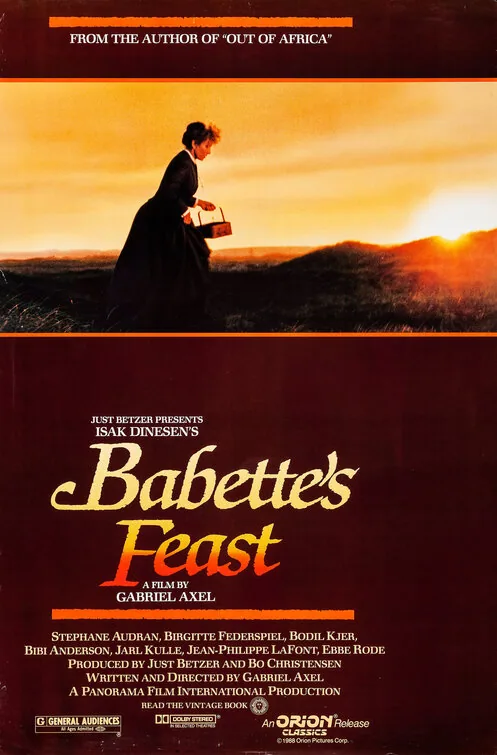
What changes Jean de Florette: measured seasonal progression, accumulating setbacks and restrained tragic climax. Babette's Feast: measured and unfolding.
In a remote Danish village, sisters Martine and Filippa live according to the strict religious values of their late father and the small congregation he founded. Their French housekeeper Babette, a refugee from political upheaval, unexpectedly wins a lottery and spends the money preparing an elaborate French dinner for the villagers. The meal challenges old resentments and habits, creating a rare occasion for pleasure, generosity, and reconciliation.
Based on recorded story, mood and style. Your preferences can change the order.
What changes Jean de Florette: measured seasonal progression, accumulating setbacks and restrained tragic climax. Earth: meditative.
In a Ukrainian farming community, an old man's death gives way to arguments over collective agriculture and the arrival of a tractor welcomed by younger villagers. Mechanization changes both the land's practical use and the authority claimed over it, provoking violent opposition. A death and a contested funeral turn private mourning into a declaration about the community's future, while recurring images of bodies, crops and weather place ideological change inside cycles that exceed any single participant's account. Dovzhenko places agricultural policy inside bodies, weather and ritual instead of making plot the only carrier of meaning.
Based on recorded story, mood and style. Your preferences can change the order.
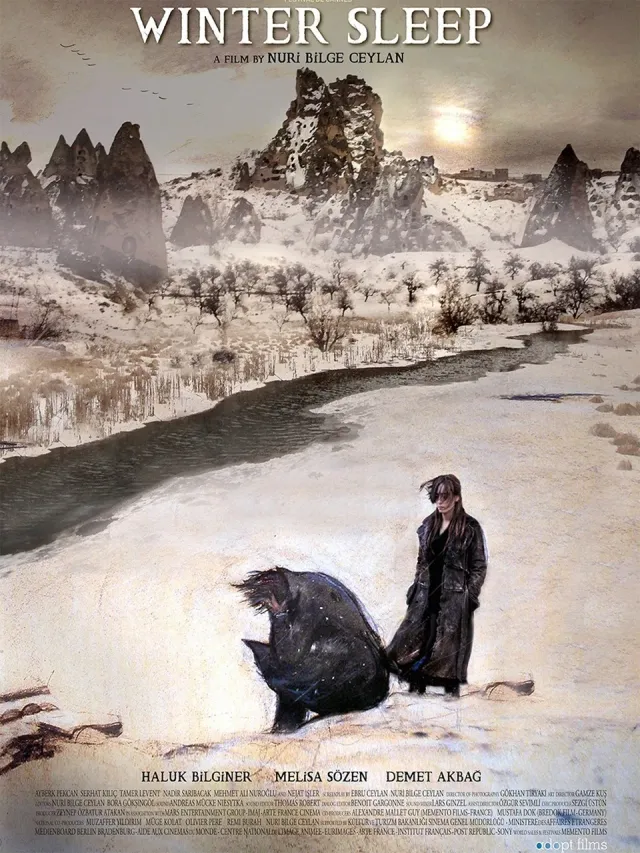
What changes Jean de Florette: measured seasonal progression, accumulating setbacks and restrained tragic climax. Winter Sleep: slow and dialogue-led.
Aydin, a retired actor who writes about society, runs a small hotel in central Anatolia with his younger wife Nihal and divorced sister Necla. As winter closes in, tensions over his tenants, Nihal’s charitable work and Necla’s own dissatisfaction draw the family into long conversations about power and responsibility. Aydin’s public confidence does not prevent him from dominating those closest to him, and arguments change direction rather than resolve cleanly. Nuri Bilge Ceylan has said the film was inspired by several Chekhov short stories, rather than being a direct adaptation of one tale. Snowbound days make intellectual arguments expose unequal control inside the household.
Based on recorded story, mood and style. Your preferences can change the order.
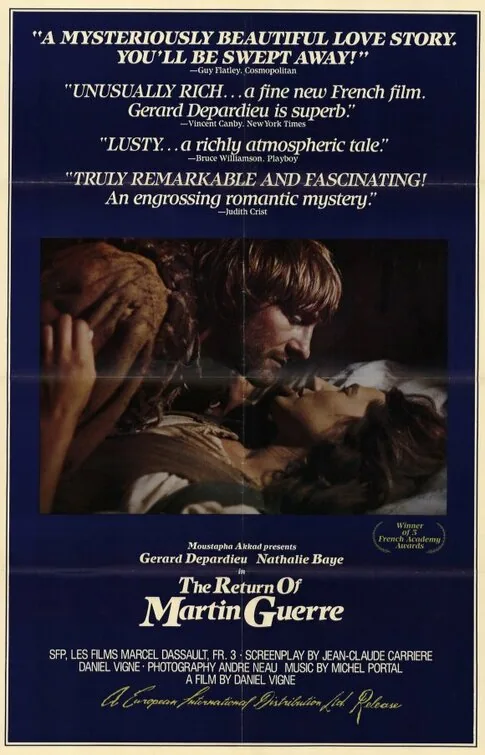
What changes Jean de Florette: measured seasonal progression, accumulating setbacks and restrained tragic climax. The Return of Martin Guerre: patient setup, evidence accumulates, trial-centered progression and late decisive testimony.
In sixteenth-century France, Martin Guerre leaves his wife Bertrande and their village to fight in a war. Years later, a man returns claiming to be Martin and is welcomed because he knows the household’s history and private details. Doubts surface when strangers identify him as Arnaud du Tilh, and a dispute over money with Martin’s uncle turns suspicion into a public trial. Bertrande’s testimony becomes pivotal as the community weighs memory and intimacy against reputation, kinship and legal evidence. The case travels to a higher court, where the returned husband’s identity carries consequences for the couple, their child and the village that accepted him.
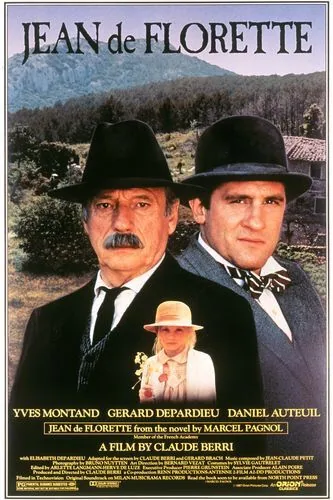
In rural Provence after the First World War, Ugolin Soubeyran hopes to expand his flower-growing business with the help of his uncle César, known as Papet. Their plans depend on a spring hidden on neighboring land, but the owner refuses to sell. When his property passes to his city-born nephew Jean Cadoret, the two men conceal the water source and wait for the newcomer to fail. Jean arrives with his wife Aimée and daughter Manon, determined to farm despite his physical disability and lack of local experience. His persistence, the family’s mounting hardship and the villagers’ silence turn a land dispute into a slow tragedy about what greed can make a community accept.
What drives the story
Jean’s optimism and ingenuity cannot erase the material disadvantage created by the concealed spring and local collusion.
The people at its centre
Aimée supports Jean’s attempt to begin again, while Papet and Ugolin balance growing intimacy with the family against their scheme.
What it feels like
The dry spring makes water a moral and economic resource, while the village’s silence distributes responsibility beyond the two plotters.
Worth knowing
The first half of Claude Berri’s two-film adaptation of Marcel Pagnol’s rural saga, centered on the cost of an engineered scarcity.