Based on recorded story, mood and style. Your preferences can change the order.
Survival
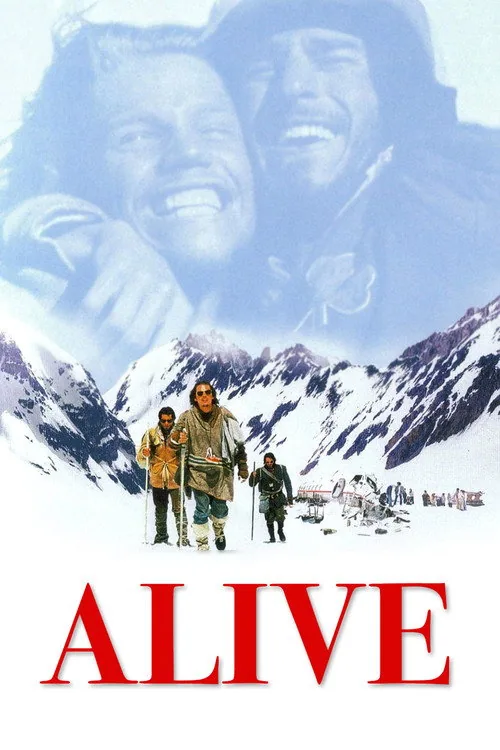
What changes The 33: crisis-driven, alternating perspectives and escalating. Alive: long ordeal and recovery and builds toward a rescue journey.
After a plane carrying a Uruguayan rugby team crashes high in the Andes, the survivors face freezing conditions, injuries, and little food while rescuers search in vain. When they learn that the search has ended, a small group attempts a dangerous journey through the mountains to find help. Frank Marshall’s survival drama is based on the 1972 crash and the survivors’ account, focusing on endurance, collective decision-making, and the emotional and ethical strain of living through an ordeal with almost no resources.
Based on recorded story, mood and style. Your preferences can change the order.
Survival
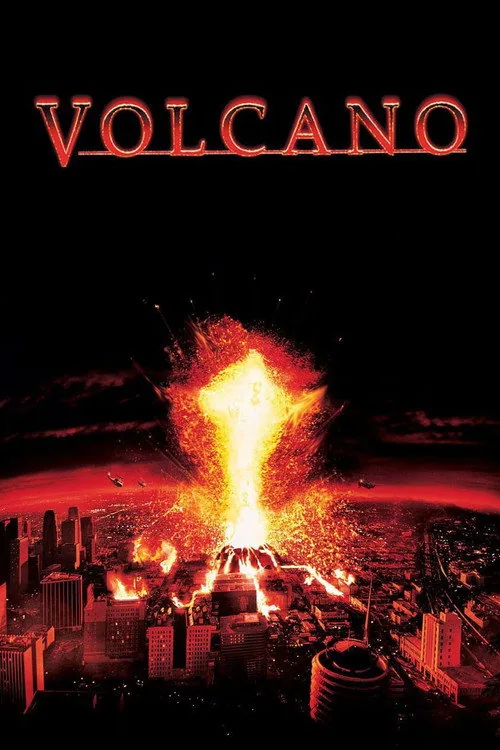
What changes The 33: crisis-driven, alternating perspectives and escalating. Volcano: disaster escalation, multi-location and set-piece driven.
After an earthquake in downtown Los Angeles, emergency-management director Mike Roark investigates unexplained worker deaths in a storm drain. Heat and seismic activity reveal that lava is moving beneath the city, threatening transit routes and crowded streets. Roark and geologist Amy Barnes coordinate evacuations and attempt to redirect the flow before it reaches vulnerable areas. Mick Jackson’s disaster film turns urban infrastructure into a chain of hazards and follows public officials and responders trying to limit a rapidly expanding crisis.
Based on recorded story, mood and style. Your preferences can change the order.
Survival · Family and care
What changes The 33: crisis-driven, alternating perspectives and escalating. High Life: nonlinear, slow and contemplative and episodic crew history.
A group of prisoners serving life sentences is sent on a space mission toward a black hole, where a scientist conducts experiments on the crew. Monte, a reserved prisoner, tries to survive the journey and protect his young daughter Willow as the ship’s isolated routines and power imbalances deepen. The film uses its confined spacecraft, experimental medicine, and nonlinear storytelling to examine intimacy, coercion, parenthood, and the possibility of choosing a different life.
Based on recorded story, mood and style. Your preferences can change the order.
Survival
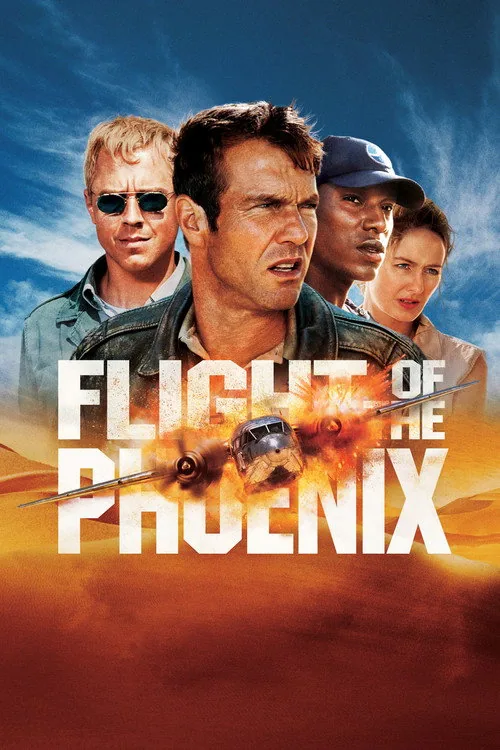
What changes The 33: crisis-driven, alternating perspectives and escalating. Flight of the Phoenix: crash and triage, construction problem solving and takeoff climax.
After an oil operation in the Gobi Desert shuts down, Captain Frank Towns pilots its crew toward Beijing until a dust storm forces their plane to crash far from any settlement. With limited water and no reliable communication, the survivors argue over whether to walk out or attempt an audacious solution proposed by passenger Elliott, who claims expertise in aircraft design. The group must strip the wreck and rebuild a flyable plane before resources run out. The remake turns a survival problem into a test of leadership and engineering.
Based on recorded story, mood and style. Your preferences can change the order.
Survival
What changes The 33: crisis-driven, alternating perspectives and escalating. 127 Hours: intense.
An experienced outdoorsman exploring a remote canyon alone becomes trapped when a falling boulder pins his arm. Without a companion who knows his route, he must ration limited supplies and test improvised solutions as time changes the physical problem. Recorded messages, remembered relationships and visions of possible futures expose the gap between an identity built around self-sufficiency and the connections he has treated as optional.
Based on recorded story, mood and style. Your preferences can change the order.
Family and care · Power and authority
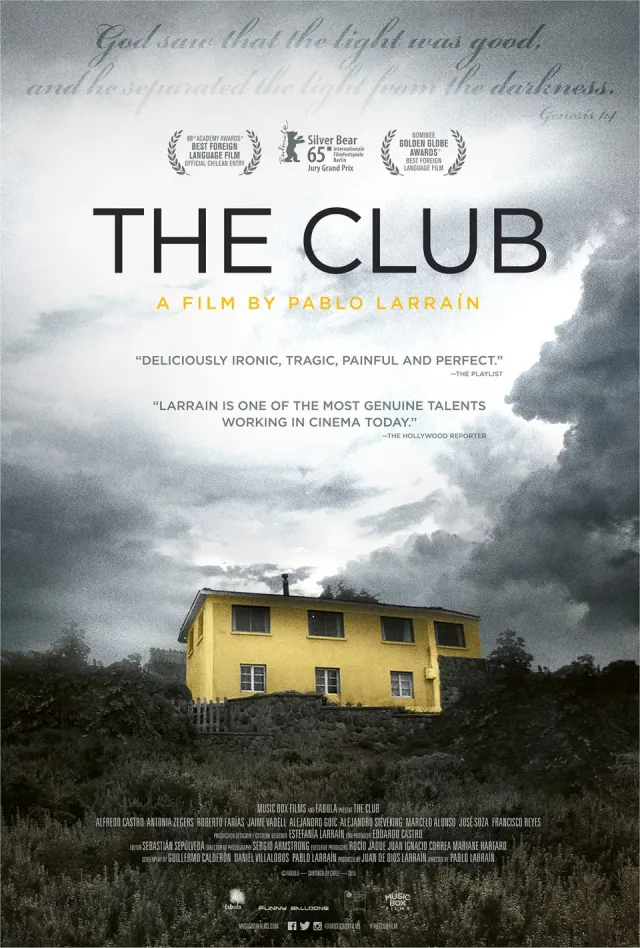
What changes The 33: crisis-driven, alternating perspectives and escalating. The Club: deliberate, contained and pressure-building.
Four retired Catholic priests live under the supervision of a caretaker in a secluded house beside a small Chilean coastal town. Their quiet routine is disturbed when a new priest arrives and a former victim appears outside, demanding that the men face their past. Church officials send a visitor to assess the crisis, and the residents’ history of secrecy and institutional protection begins to surface. Pablo Larraín’s drama observes how the house functions as both refuge and confinement.
Based on recorded story, mood and style. Your preferences can change the order.
Survival
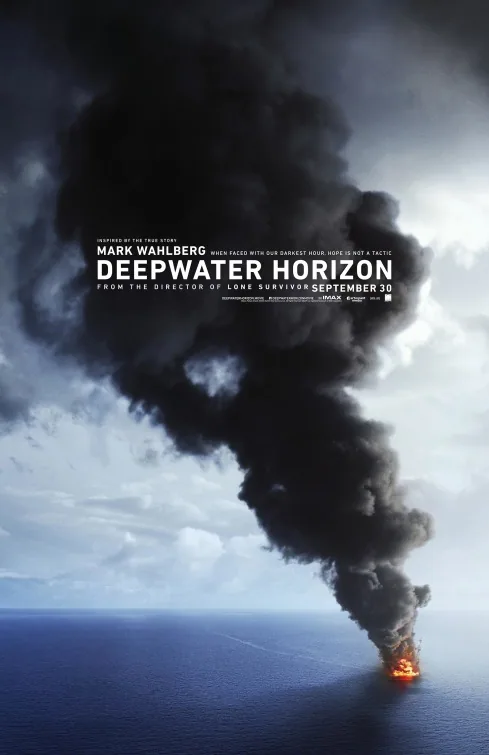
What changes The 33: crisis-driven, alternating perspectives and escalating. Deepwater Horizon: escalating.
Workers preparing an offshore drilling rig for its next assignment encounter disagreements over tests, pressure readings and the time devoted to checking a well. Commercial urgency meets practical unease before a blowout turns technical interpretation into immediate physical survival. The disaster contracts attention to people trying to communicate, reach colleagues and escape failing systems, presenting catastrophe through a crew's limited ability to repair consequences that have already exceeded local control. The disaster is shown from workers’ limited vantage, while the real investigation involved a more complex chain of responsibility.
Based on recorded story, mood and style. Your preferences can change the order.
Survival
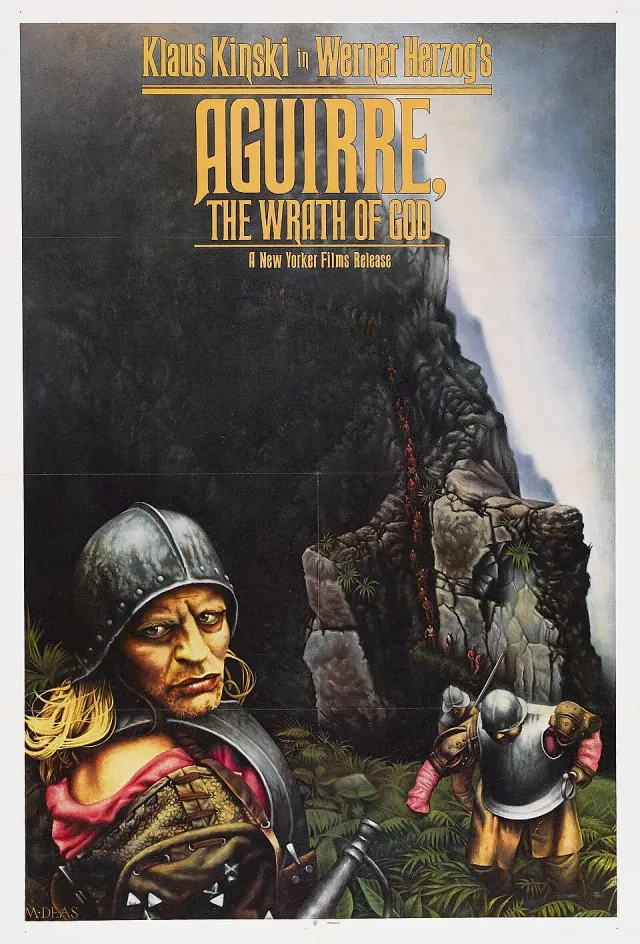
What changes The 33: crisis-driven, alternating perspectives and escalating. Aguirre, the Wrath of God: slow.
In the sixteenth-century Spanish conquest of South America, an expedition descends a river in search of El Dorado and sends a smaller party ahead through dangerous territory. Lope de Aguirre turns the difficulty of return into an opportunity to seize command, then insists on an imperial future that the group lacks the food and strength to reach. The river journey pares away the certainty of military hierarchy and conquest, leaving the expedition's grand declarations increasingly detached from its physical collapse. Herzog's film is a fictionalized, formally spare meditation on power and delusion, not a documentary reconstruction.
Based on recorded story, mood and style. Your preferences can change the order.
Survival
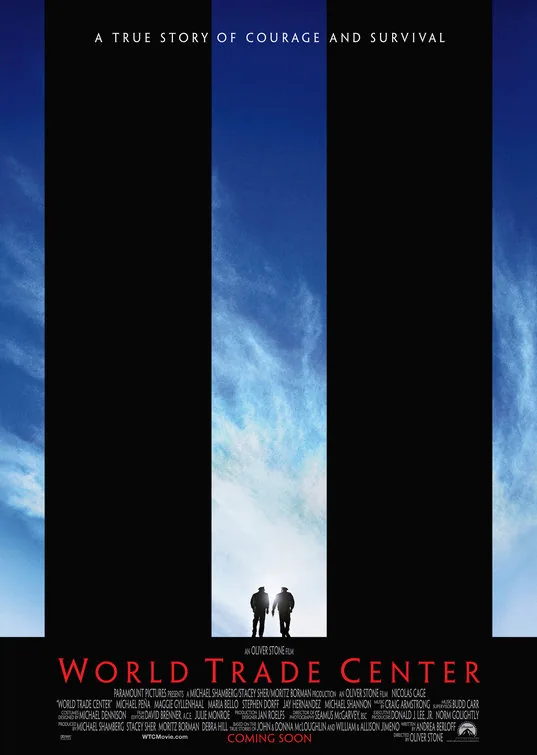
What changes The 33: crisis-driven, alternating perspectives and escalating. World Trade Center: measured and sustained.
On September 11, 2001, Port Authority officers John McLoughlin and Will Jimeno enter the World Trade Center during the attacks and become trapped in the rubble. The film follows their struggle to stay alive and the families and rescuers waiting for news. Its focus is intimate and restrained, centering survival, solidarity and the civilian experience of catastrophe.
When the San José copper and gold mine collapses in northern Chile, thirty-three miners become trapped deep underground. They gather in a refuge chamber with limited food and uncertain communication while officials, rescuers and family members work on the surface to locate them. The film follows the miners’ efforts to maintain cooperation and hope as engineers attempt a rescue, alongside the relatives and government representatives confronting the scale of the emergency.
What drives the story
The trapped miners try to endure underground while a surface rescue team works to find a path to them.
The people at its centre
The miners negotiate leadership and cooperation under pressure, while families and officials press rescuers for information and action.
What it feels like
Alternating between the mine and the rescue camp, the film turns a widely followed emergency into a large-scale survival story.
Worth knowing
Its focus on a known mining disaster and coordinated rescue sets it apart from fictional cave adventures or single-protagonist survival films.