Explore films connected to The Electrical Life of Louis Wain through artistic identity, caregiving, class. Choose the qualities you want to carry into your next watch.
What should feel similar?
Find your next favourite
9 films · Closest overall matches
Hide films you’ve seen or don’t want. Saved on this device.
No matches for this combination yet.
Try another option or reset your choices to see more films.
Both share themes of grief, plus a melancholy atmosphere.
Why this matches +
Genres: Drama
Shared film traits
Based on recorded story, mood and style. Your preferences can change the order.
Family and care · Memory and identity
What changes The Electrical Life of Louis Wain: episodic, meandering, tender and reflective. The Goldfinch: long time span, memory and flashback and character-led mystery.
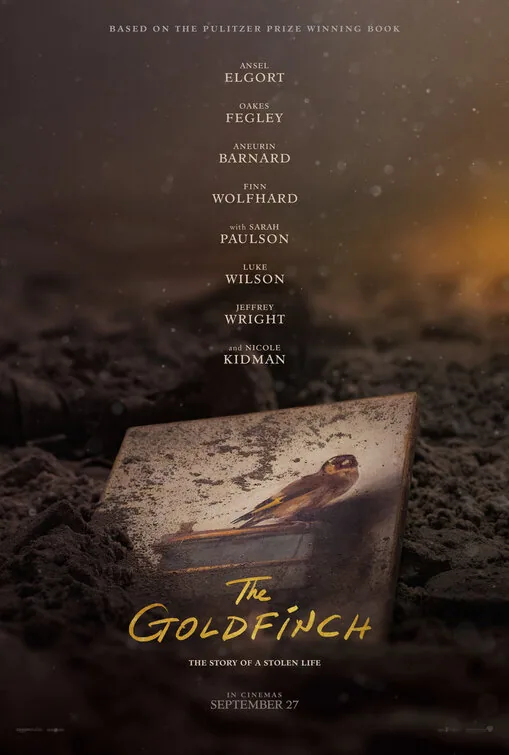
Thirteen-year-old Theo Decker survives an explosion at New York’s Metropolitan Museum of Art that kills his mother. In the confusion afterward, he leaves with a small painting, The Goldfinch, and carries it through a childhood marked by grief, changing homes, and adult secrets. Years later, the painting remains bound to his identity and choices. The adaptation follows Theo across different stages of life as he seeks connection and a place to belong.
Based on recorded story, mood and style. Your preferences can change the order.
Family and care · Memory and identity
What changes The Electrical Life of Louis Wain: episodic, meandering, tender and reflective. The Wedding Banquet: a private arrangement expands into a banquet and a series of comic attempts to keep different truths apart.
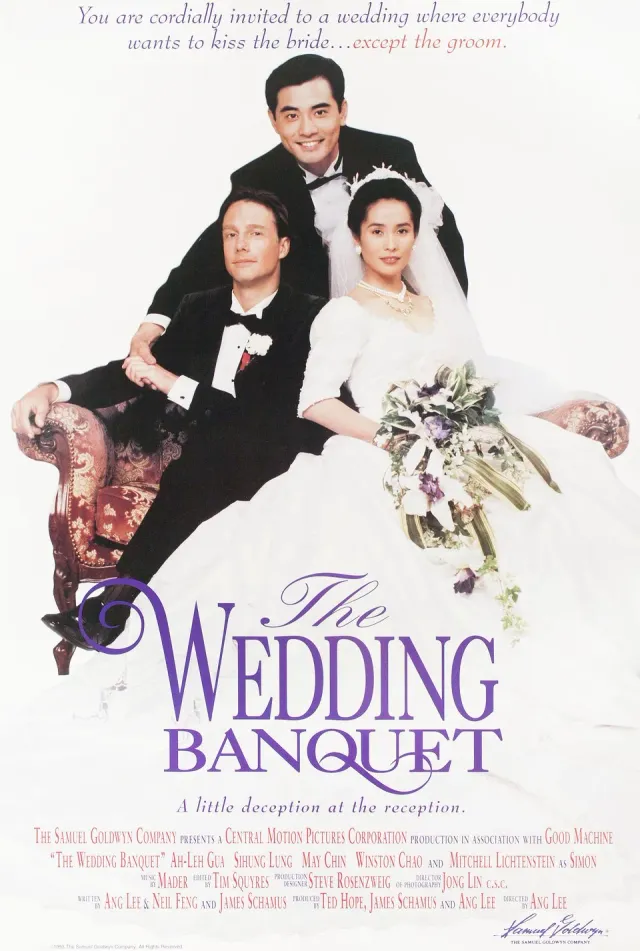
Wai-Tung Gao, a Taiwanese immigrant in New York, lives happily with his partner Simon but has not told his traditional parents that he is gay. His parents want him to marry and continue the family line, so he and Simon invent impossible requirements for a bride. When Wei-Wei, a penniless artist renting from Wai-Tung, agrees to a marriage of convenience, the plan seems manageable until his parents travel from Taiwan for a lavish banquet. The visit turns a private arrangement into a comic web of performance and concealment. As the parents’ expectations collide with Simon’s place in Wai-Tung’s life, the family must decide what honesty and care can look like.
Based on recorded story, mood and style. Your preferences can change the order.
Work and ambition · Family and care
What changes The Electrical Life of Louis Wain is tagged eccentric and affectionate; The Beanie Bubble is tagged playful and nostalgic.
The rise of Beanie Babies in the 1990s is told through Ty Warner and the women whose ideas and work helped turn the toys into collectible phenomena. Sheila, Robbie and Maya contribute different forms of emotional storytelling, retail strategy and product development, while Warner’s ambition shapes the company’s changing fortunes. The comedy-drama uses shifting perspectives and period details to examine the people behind a craze that became both a business and a cultural fixation.
Based on recorded story, mood and style. Your preferences can change the order.
Work and ambition · Family and care
What changes The Electrical Life of Louis Wain: episodic, meandering, tender and reflective. Tess: measured, seasonal progression, character-led and tragic culmination.
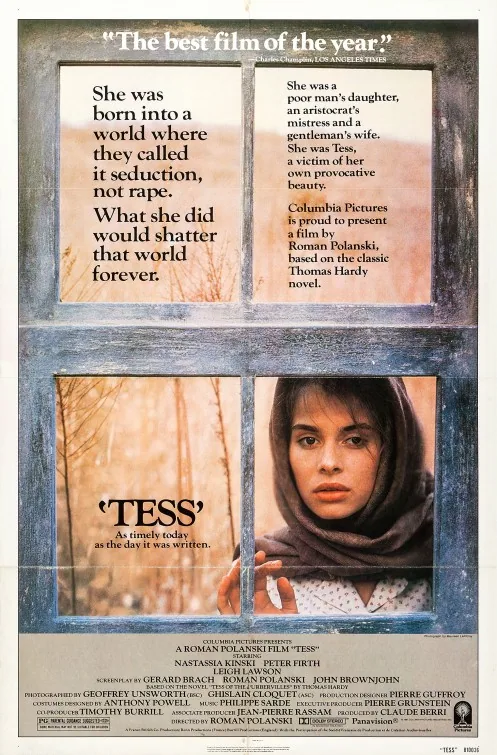
In rural Wessex in the 1880s, Tess Durbeyfield is sent by her poor family to seek help from wealthy people who share their supposed ancestral name. Her encounter with Alec d’Urberville brings unwanted attention and a lasting rupture in her prospects. Tess later finds work as a dairymaid, falls in love with Angel Clare, and hopes that honesty can give them a future together. Class prejudice, family need, and the double standards governing women continue to shape her choices, turning the pastoral landscape into the setting for an increasingly tragic struggle over dignity and self-determination.
Based on recorded story, mood and style. Your preferences can change the order.
Memory and identity
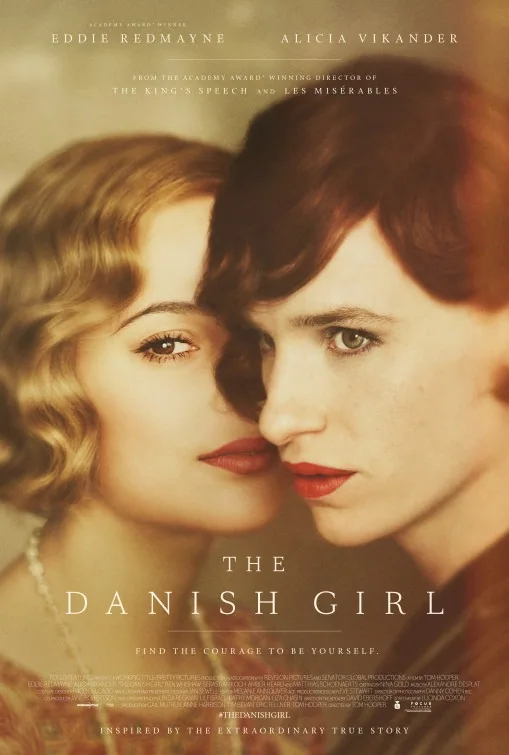
What changes The Electrical Life of Louis Wain: episodic, meandering, tender and reflective. The Danish Girl: episodic relationship drama and personal transition.
In 1920s Copenhagen, artist Gerda Wegener asks her spouse to pose in a dress for a portrait when a model is unavailable. The session opens a path for Lili Elbe to understand and live publicly as herself, while Gerda’s paintings draw attention to Lili and change the life they share. Encounters with doctors and the possibility of surgery add pressure to their marriage, but Lili’s identity is not simply a role-play or a project for her spouse. Tom Hooper’s film adapts David Ebershoff’s fictionalized novel about Elbe and Wegener, combining documented people with invented scenes and altered chronology. It is therefore a dramatized interpretation, not a direct record of Lili’s life or early gender-affirming care.
Based on recorded story, mood and style. Your preferences can change the order.
Work and ambition · Memory and identity
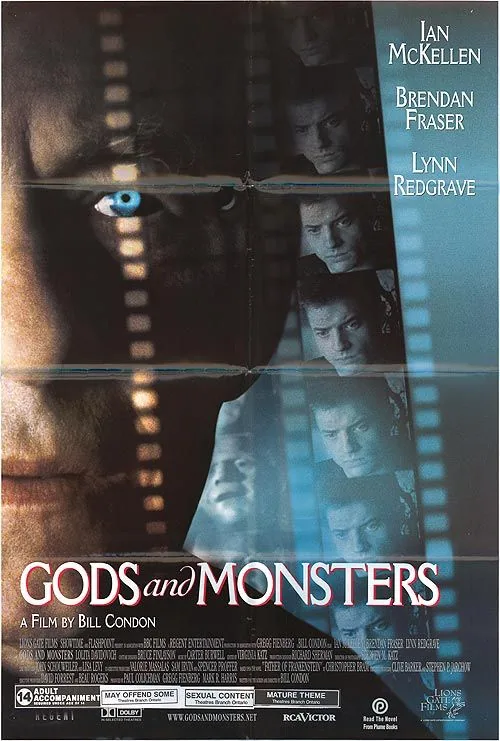
What changes The Electrical Life of Louis Wain: episodic, meandering, tender and reflective. Gods and Monsters: sittings and conversations deepen the connection and while whale’s memories and worsening health place new strain on it.
Retired filmmaker James Whale lives with his devoted housekeeper, Hanna, while coping with the effects of several strokes and memories of earlier losses. He befriends Clayton Boone, a young gardener who agrees to pose for his drawings, and the two build a wary connection across differences in age, class and experience. Whale’s stories about his past and his frankness about desire unsettle Boone, while declining health and depression make the friendship harder to navigate. Their conversations bring together Hollywood memory, loneliness and the need to be seen by another person.
Based on recorded story, mood and style. Your preferences can change the order.
Work and ambition · Family and care
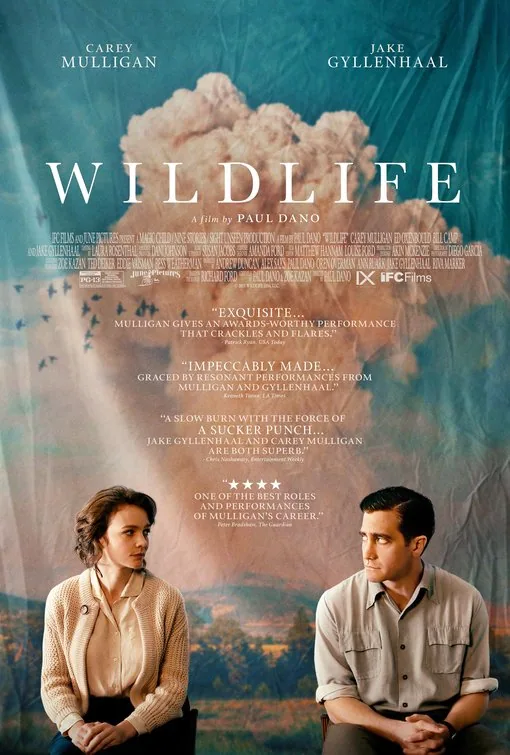
What changes The Electrical Life of Louis Wain: episodic, meandering, tender and reflective. Wildlife: measured, observational and character-led.
Set in 1960 Montana, Wildlife follows teenage Joe Brinson after his father Jerry loses his job and leaves home to join crews fighting a distant forest fire. Joe remains with his mother Jean in Great Falls, where financial strain and her new connection with a local businessman alter the family’s balance. Observing adults conceal and expose their needs, Joe tries to understand the marriage he grew up with and find his place as the household changes.
Based on recorded story, mood and style. Your preferences can change the order.
Work and ambition · Memory and identity
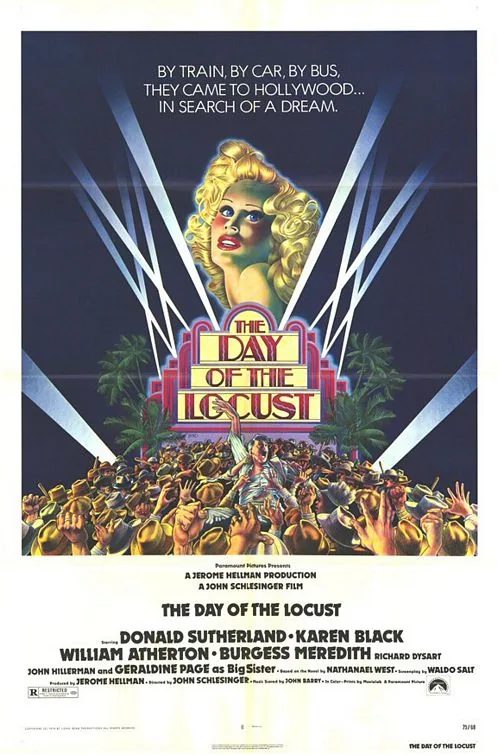
What changes The Electrical Life of Louis Wain: episodic, meandering, tender and reflective. The Day of the Locust: measured, uneasy and escalating.
Tod Hackett arrives in 1930s Hollywood to work as a studio artist and becomes entangled with a group of people living at the margins of the film business. His attention turns toward aspiring actress Faye Greener, her former vaudeville father and neighbors whose hopes of recognition have curdled into dependence and resentment. As Tod’s interest deepens, the surrounding community’s private disappointments gather into a volatile public mood.
Based on recorded story, mood and style. Your preferences can change the order.
Memory and identity
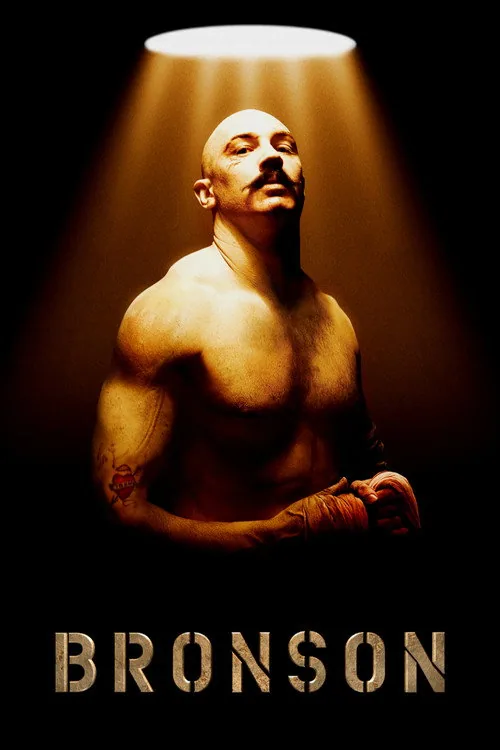
What changes The Electrical Life of Louis Wain: episodic, meandering, tender and reflective. Bronson: fragmented episodes orbit repeated returns to custody.
Michael Peterson, later known as Charles Bronson, recounts a life shaped by prison violence, brief releases, and repeated hostage-taking. He performs parts of his story from a vaudeville stage, addressing the viewer while episodes move between institutions, family memories, and a short-lived attempt at life outside prison. Nicolas Winding Refn’s stylized biographical film treats Peterson’s self-created persona as both spectacle and confinement, without presenting his violence as a triumphant model of rebellion.
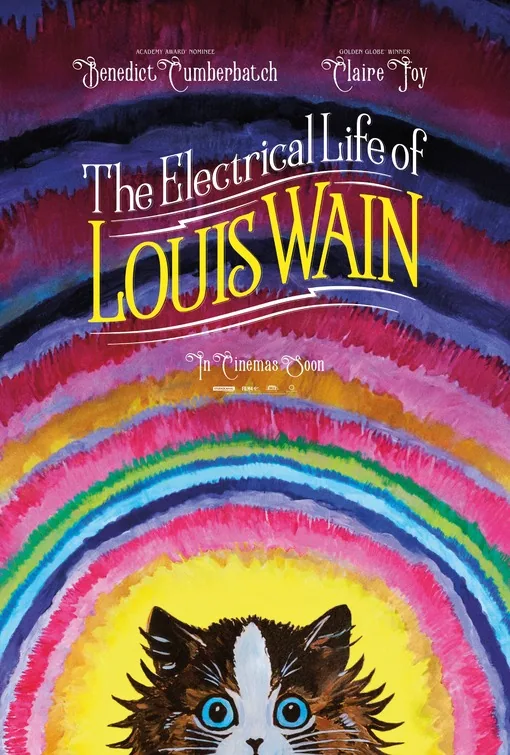
Illustrator Louis Wain supports his family in Victorian London while pursuing creative work beyond his commercial assignments. His relationship with governess Emily, and their adoption of a stray cat named Peter, bring new intimacy and inspiration into a household shaped by financial strain and social convention. The film follows Wain’s popular cat drawings across years of loss, acclaim and instability, using his changing artistic vision to frame a life that resists a tidy rise-and-fall biography.
What drives the story
Wain balances illustration work and family obligations, while personal relationships and cats reshape both his subject matter and reputation.
The people at its centre
Louis’s work evolves alongside intimacy, bereavement and mental illness, while his family’s changing fortunes test their care for one another.
What it feels like
The movie translates an illustrator’s changing style into its own visual language and treats popular cat art as cultural influence.
Worth knowing
An impressionistic biographical drama about art, family and illness, rather than a comprehensive account of every historical detail.
artistic identitycaregivingclass
Mood
eccentric · affectionate · wistful · melancholy
Pacing
episodic · meandering · tender · reflective
Visual style
shifting color palettes · illustration-inspired imagery · period interiors · fantastical visual transitions
Storytelling
period biography · artist portrait · family ensemble · romantic relationship · cat-centered imagery