Based on recorded story, mood and style. Your preferences can change the order.
Memory and identity
What changes The Goldfinch: long time span, memory and flashback and character-led mystery. The Fabelmans: childhood episodes and adolescent turning points.
Young Sammy Fabelman becomes fascinated with filmmaking after seeing a train crash in a movie and recreates it with his toy set and camera. As his family moves from New Jersey to Arizona and later California, the hobby grows into a way to understand what he sees at home. Sammy’s mother Mitzi is an expressive pianist; his father Burt is a practical engineer, and the household’s closeness is strained by changes neither parent can easily explain to their children. Sammy discovers that his camera can preserve details adults would rather avoid, placing him in a painful position between them. The coming-of-age story follows how making films becomes both an artistic calling and a way to process family fracture.
Both share themes of belonging, plus a restless atmosphere.
Why this matches +
Genres: Drama
Shared film traits
Based on recorded story, mood and style. Your preferences can change the order.
Family and care · Social hierarchy
What changes The Goldfinch: long time span, memory and flashback and character-led mystery. The Kid with a Bike: brisk, observational and emotionally cumulative.
Twelve-year-old Cyril lives in a children’s home in Liège and keeps trying to reach his father, who has left him behind. After a chance encounter, hairdresser Samantha agrees to take him on weekends and returns his bicycle. Cyril remains determined to win his father’s attention, and the disappointment leads him toward a local gang leader despite Samantha’s care. The Dardenne brothers follow the boy’s impulsive search for belonging through fragile trust, rejection and the possibility of choosing another path.
Based on recorded story, mood and style. Your preferences can change the order.
Memory and identity · Family and care
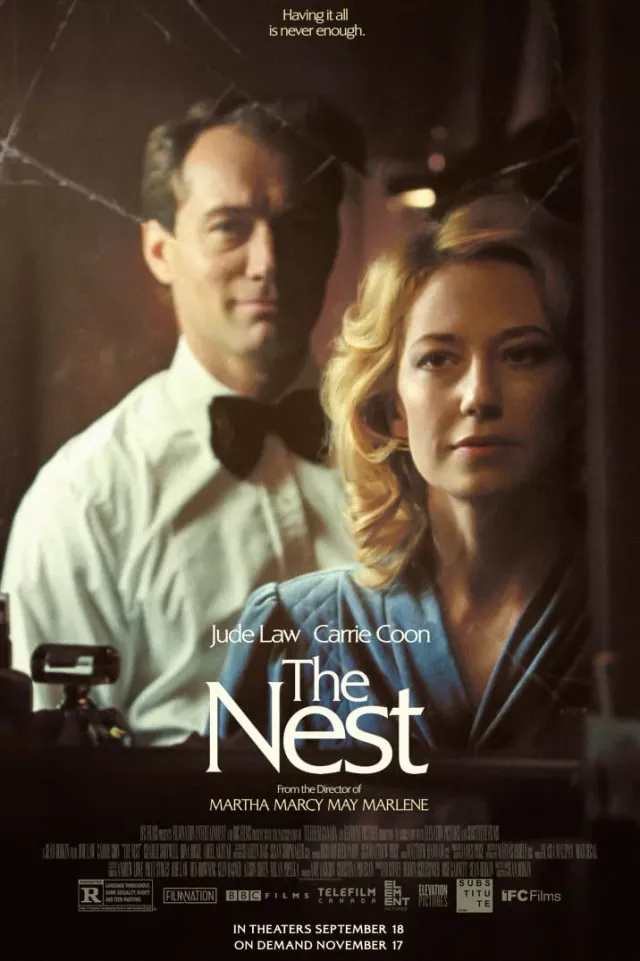
What changes The Goldfinch: long time span, memory and flashback and character-led mystery. The Nest: measured domestic episodes, gradual financial revelations, tension accumulates through routine and quiet unresolved aftermath.
In the late 1980s, trader Rory O’Hara persuades his American family to leave New York for a grand Surrey manor, promising that a return to London will revive his career. His wife Allison tries to build a horse farm and maintain a home for their children, but unpaid bills, stalled renovations, and Rory’s social ambitions expose how precarious their new life is. Sean Durkin’s slow-burn family drama watches a marriage strain under class performance, financial instability, and the gap between appearance and security.
Based on recorded story, mood and style. Your preferences can change the order.
Memory and identity · Social hierarchy
What changes The Goldfinch: long time span, memory and flashback and character-led mystery. Nickel Boys: measured, episodic and reflective.
In 1960s Florida, Elwood Curtis is sent to a brutal reform school after a wrongful arrest, where he befriends the more pragmatic Turner. The boys negotiate the institution's violence and uncertain rules for staying safe, while their different understandings of resistance shape their bond. RaMell Ross's adaptation of Colson Whitehead's novel uses subjective visual perspectives, making memory and the boys' relationship central to a history of abuse and survival.
Based on recorded story, mood and style. Your preferences can change the order.
Memory and identity · Family and care
What changes The Goldfinch: long time span, memory and flashback and character-led mystery. People Like Us: measured, character-led and emotionally cumulative.
Sam Harper is a New York corporate trader whose work has become precarious when he learns that his estranged father has died. Returning to Los Angeles, he receives a request to deliver money to a boy named Josh and gradually discovers the connection between Josh, his mother Frankie and his own family. Sam keeps his role secret as he begins to spend time with them, forcing him to reconsider the father he thought he knew and the relationships he wants to build.
Both share themes of grief and belonging, plus a melancholy atmosphere.
Why this matches +
Genres: Drama
Shared film traits
Based on recorded story, mood and style. Your preferences can change the order.
Memory and identity · Family and care
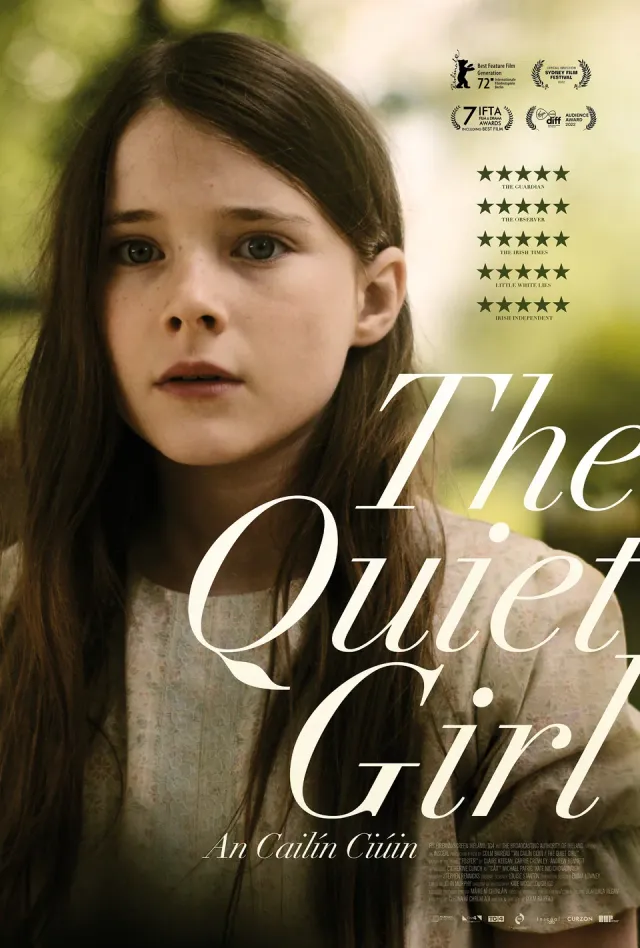
What changes The Goldfinch: long time span, memory and flashback and character-led mystery. The Quiet Girl: measured, minimal, patient and emotionally cumulative.
Nine-year-old Cáit is sent from her crowded home to stay with distant relatives in rural Ireland for the summer. Eibhlín welcomes her with patient care, while the more reserved Seán gradually makes room for the child in the routines of the farm. As Cáit learns the household’s silences and small acts of kindness, she discovers how attention can make a neglected child feel safe and how grief can remain present without being explained.
Based on recorded story, mood and style. Your preferences can change the order.
What changes The Goldfinch: long time span, memory and flashback and character-led mystery. August Rush: building and musical.
A gifted young musician grows up in an institution and believes that music may help him find the parents he has never known. His path brings him to New York, where a street performer and a music teacher shape his development. The family drama links several musical lives through performance, coincidence and the hope that a shared language can overcome separation.
Based on recorded story, mood and style. Your preferences can change the order.
Memory and identity
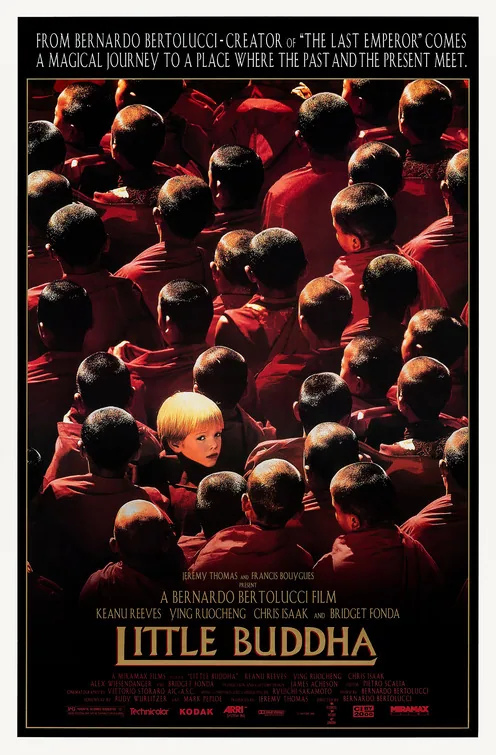
What changes The Goldfinch: long time span, memory and flashback and character-led mystery. Little Buddha: parallel and measured.
Tibetan Buddhist monks believe a Seattle boy may be the reincarnation of their teacher and visit his family to test that possibility. The film intercuts the modern search with a stylized account of Siddhartha Gautama’s life, turning the child’s ordinary world into a meeting point between faith, family anxiety and religious story. His parents respond differently as the monks explain their tradition, but the film does not establish the search as an objective test that proves rebirth to viewers. Bertolucci’s visual epic is an outsider-made representation of Tibetan Buddhism and combines a fictional family with a sacred narrative. It can invite curiosity about reincarnation while remaining distinct from the diverse practices and actual processes through which communities recognize tulkus.
Both share themes of grief, plus a melancholy atmosphere.
Why this matches +
Genres: Biography / Drama
Shared film traits
Based on recorded story, mood and style. Your preferences can change the order.
Memory and identity · Family and care
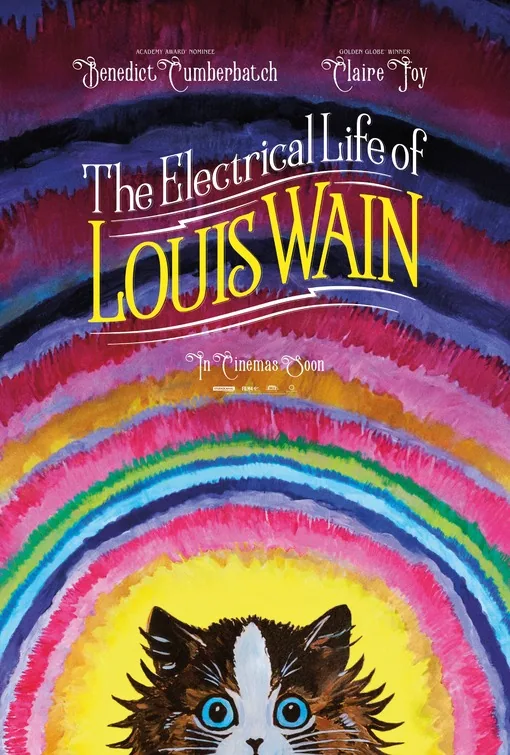
What changes The Goldfinch: long time span, memory and flashback and character-led mystery. The Electrical Life of Louis Wain: episodic, meandering, tender and reflective.
Illustrator Louis Wain supports his family in Victorian London while pursuing creative work beyond his commercial assignments. His relationship with governess Emily, and their adoption of a stray cat named Peter, bring new intimacy and inspiration into a household shaped by financial strain and social convention. The film follows Wain’s popular cat drawings across years of loss, acclaim and instability, using his changing artistic vision to frame a life that resists a tidy rise-and-fall biography.
Thirteen-year-old Theo Decker survives an explosion at New York’s Metropolitan Museum of Art that kills his mother. In the confusion afterward, he leaves with a small painting, The Goldfinch, and carries it through a childhood marked by grief, changing homes, and adult secrets. Years later, the painting remains bound to his identity and choices. The adaptation follows Theo across different stages of life as he seeks connection and a place to belong.
What drives the story
Theo carries a stolen painting and the memory of his mother through a life repeatedly redirected by grief and secrecy.
The people at its centre
His attachments to caretakers, friends, and mentors offer different forms of stability as he hides the painting and his pain.
What it feels like
A sprawling literary drama follows one treasured artwork through a young man’s shifting homes and relationships.
Worth knowing
Its long arc links bereavement to a painting’s hidden circulation, rather than focusing only on an art-world theft or museum heist.
griefart and valuesurvival
Mood
elegiac · romantic · restless · melancholy
Pacing
long time span · memory and flashback · character-led mystery
Visual style
museum galleries · New York interiors · Las Vegas contrast · Dutch Golden Age painting motifs
Storytelling
art-theft aftermath · coming-of-age across years · literary adaptation · museum tragedy