Both share themes of nature, plus a resilient and reflective atmosphere.
Why this matches +
Genres: Drama
Shared film traits
Based on recorded story, mood and style. Your preferences can change the order.
What changes The Salt Path: journey-led, measured and episodic. The Outrun: nonlinear, reflective and gradually grounding.
After years of drinking in London, Rona returns to the remote Orkney islands where she grew up and begins rebuilding her life. The film moves between her present attempt at sobriety, memories of a difficult childhood and the relationships that led her to leave. Working among wind, sea and wildlife gives Rona a practical daily rhythm, but recovery remains uneven, shaped by family care, shame and her search for a way to inhabit the place again.
Based on recorded story, mood and style. Your preferences can change the order.
Coming of age
What changes The Salt Path: journey-led, measured and episodic. Leave No Trace: patient observation and understated emotional turns.
Will and his teenage daughter Tom have built a quiet life in the forests of Portland, Oregon, living off the grid and relying on practiced routines. When a small mistake brings social services into their lives, the two are moved into a new environment and eventually set out toward the wilderness again. Debra Granik’s restrained drama observes the bond between a protective father and an increasingly independent daughter, asking how care, safety, and belonging can mean different things to each of them without casting their conflict as a simple contest of right and wrong.
Based on recorded story, mood and style. Your preferences can change the order.
What changes The Salt Path: journey-led, measured and episodic. Sophie's Choice: gradual revelation and flashback.
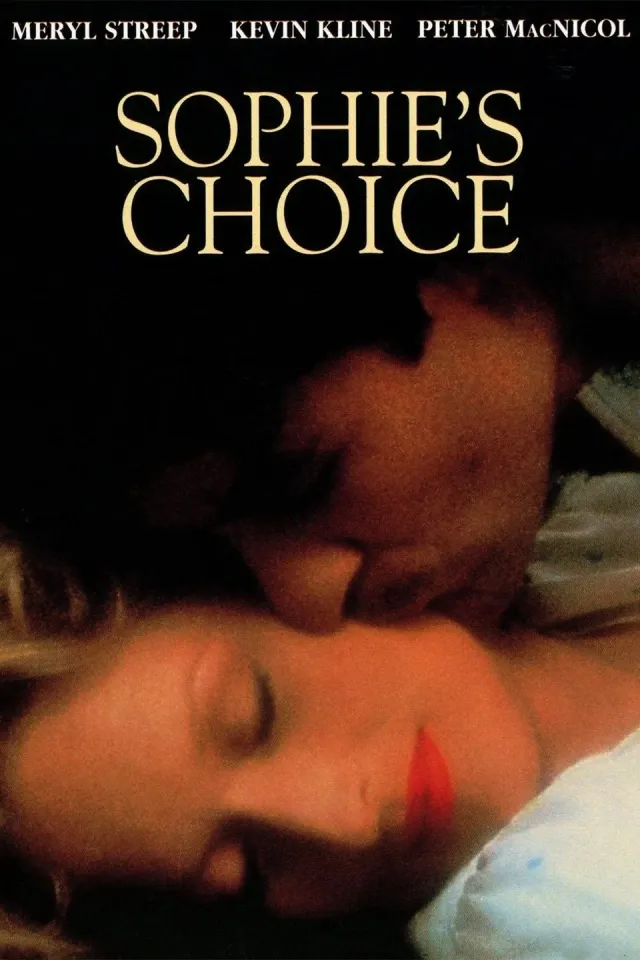
In postwar Brooklyn, aspiring writer Stingo befriends Sophie, a Polish survivor of Auschwitz, and her volatile partner Nathan. Sophie gradually recounts how war, imprisonment and the people she lost shaped her life, while Nathan’s jealousy and instability make their present home unsafe. In a memory she has struggled to disclose, Sophie describes being forced by a Nazi officer to choose which of her two children would live; the coercion belongs to the persecution inflicted on her, not to any moral failing of her own. Stingo’s growing affection cannot repair the history that shapes their present.
Based on recorded story, mood and style. Your preferences can change the order.
What changes The Salt Path: journey-led, measured and episodic. Black Snake Moan: slow-burn relationship tension and episodic escalation.
After Rae is found injured and unconscious on a rural road, former blues musician Lazarus takes her into his home. His attempt to control her behavior by chaining her there is coercive and violent, even as the two confront their own pain and isolation. Rae’s boyfriend, a soldier returning from Iraq, searches for her while the situation grows more dangerous. Craig Brewer’s Southern Gothic drama uses blues music and a charged, morally difficult relationship to examine grief, control, and the limits of one person’s efforts to remake another.
Based on recorded story, mood and style. Your preferences can change the order.
Romance and intimacy
What changes The Salt Path: journey-led, measured and episodic. Interiors: measured, chamber-like and reflective.
Arthur, a New York attorney, tells his wife Eve that he wants to separate and begin a different life. Their three adult daughters respond in different ways: Renata, a poet, feels caught between sympathy for her mother and concern for her father; Joey struggles with her own direction; and Flyn is often away working as an actress. When Arthur returns from a trip with Pearl, a warm and outgoing woman unlike Eve, the family must confront grief, resentment, and the emotional distance that has long shaped their home.
Based on recorded story, mood and style. Your preferences can change the order.
Coming of age
What changes The Salt Path: journey-led, measured and episodic. Central Station: station encounter and betrayal, journey through northeastern brazil and family search and emotional separation.
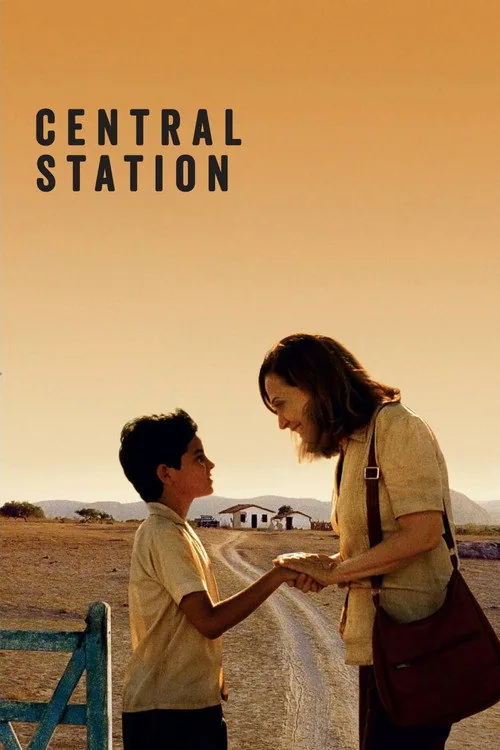
At Rio de Janeiro's Central Station, retired teacher Dora writes letters for people who cannot read, though she often keeps or destroys them instead of mailing them. After one customer dies in an accident, Dora reluctantly takes in the woman's young son Josué and is drawn into his search for the father he has never met. Their journey north through Brazil forces the cynical Dora to make choices that put the boy's safety ahead of her own convenience. The road drama follows an unlikely pair whose growing trust changes how each imagines home.
Both share a reflective and compassionate atmosphere.
Why this matches +
Genres: Drama / History
Shared film traits
Based on recorded story, mood and style. Your preferences can change the order.
What changes The Salt Path: journey-led, measured and episodic. One Life: interwoven timelines, steadily building and reflective.
In 1938, London stockbroker Nicholas Winton visits Prague and encounters refugee families facing the threat of Nazi persecution. He helps organize a rescue effort to bring children to safety in Britain, while the film also follows Winton decades later as he reflects on those he could not save. The dual-time structure connects a practical act of coordination with the burden of memory, asking how one person understands responsibility after history has moved on.
Based on recorded story, mood and style. Your preferences can change the order.
What changes The Salt Path: journey-led, measured and episodic. The Room Next Door: deliberate, conversation-led and quietly intense.
Ingrid, a successful writer, reconnects with Martha, a former colleague now living with terminal cancer. Martha asks Ingrid to stay close as she prepares to end her life on her own terms, and the two women retreat to a country house where companionship and difficult conversations replace the routines of the hospital. Their friendship, memories and conflicting responses to death create an intimate drama about autonomy, care and the limits of what one person can decide for another.
Based on recorded story, mood and style. Your preferences can change the order.
Romance and intimacy
What changes The Salt Path: journey-led, measured and episodic. The Virgin: the film follows their movement across several cities and the emotional difference between konrad’s detachment and nina’s involvement.
Konrad, who calls himself The Virgin, moves through a life of travel, hustling and drug use without allowing events to touch him. Nina sees him as an example and follows him across Vienna, Athens, Cairo and Giza, but she experiences each encounter with far greater intensity. As the pair’s journeys and relationships unfold, the contrast between Konrad’s detachment and Nina’s vulnerability becomes the film’s central tension. Their travels reveal how a person can imitate another’s apparent freedom while becoming more exposed to hurt.
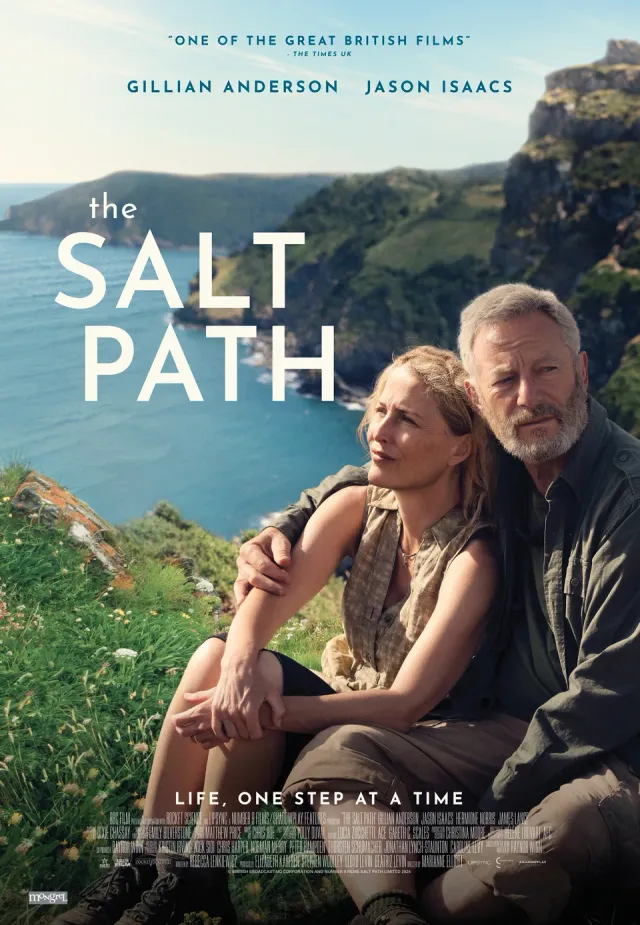
Raynor and Moth Winn lose their home and learn that Moth has a serious illness, then decide to walk the South West Coast Path with few possessions. The journey exposes them to exhaustion, uncertainty and changing landscapes, while daily movement gives them a way to remain together through a period of upheaval. Adapted from Raynor Winn's memoir, Marianne Elliott's drama follows a couple trying to rediscover a sense of home through endurance and attention to the natural world.
What drives the story
A couple facing homelessness and illness walk the English coast in search of steadiness.
The people at its centre
Raynor and Moth rely on different forms of resilience as physical hardship changes their plans.
What it feels like
The coastline becomes both a practical obstacle and a space for reflection.
Worth knowing
Its walking narrative emphasizes persistence and companionship rather than a quick inspirational turnaround.
lossillnessendurance
Mood
resilient · reflective · lyrical · compassionate
Pacing
journey-led · measured · episodic
Visual style
rugged coastline · weathered landscapes · close character portraits