Lou’s efforts to build new experiences meet Will’s prior decision rather than a simple misunderstanding that affection can solve. The plot’s central tension is about agency, care and what each person believes a future can hold.
Why this matches +
Selected for the central appeal: Intimate dramas about disability, autonomy and the relationships surrounding end-of-life decisions.
Genres: Romance / Drama
Shared film traits
Based on recorded story, mood and style. Your preferences can change the order.
What changes Me Before You follows a disabled man and caregiver whose relationship is shaped by his end-of-life decision.
Lou Clark takes a temporary caregiving job for Will Traynor, a formerly adventurous man who became quadriplegic after a collision. Their prickly routine becomes friendship and romance, but Lou later learns that Will has set a date to travel to Switzerland for assisted death. She tries to change his decision through shared experiences; he ultimately chooses to die, leaving her with grief and financial support. The film gives Will a specific claim to autonomy while also placing his decision inside a story where disability is framed as an obstacle to a worthwhile future. Disability advocates criticized that narrow representation, especially the lack of disabled perspectives and alternative disabled lives. The romance does not cure disability, and Will’s choice should not be generalized as a universal judgment about disabled life.
The accident redirects Kahlo toward painting, while a changing body, political commitments and an unstable marriage keep artistic life from becoming a simple recovery story. The accident alters the conditions of Kahlo’s life but does not reduce her to injury.
Why this matches +
These offer a related experience with a meaningful difference in story, tone, or presentation.
An adjacent discovery: a related idea with a different viewing experience.
Genres: Drama / Biography
Shared film traits
Based on recorded story, mood and style. Your preferences can change the order.
What changes Frida explores disability, creative agency and intimate relationships after a life-changing injury.
After a serious accident changes her body and ambitions, Frida Kahlo turns to painting while building a turbulent life with Diego Rivera and moving among political and artistic circles. Pain and disability shape her daily life, but the film also gives space to her humor, sexual autonomy and creative decisions rather than making suffering the whole explanation for her art. Its vivid images translate paintings into a biographical fantasy, and its compressed account of relationships can make private conflict overshadow political context. Read it as a dramatized portrait of an artist, not a comprehensive biography or transparent key to every painting.
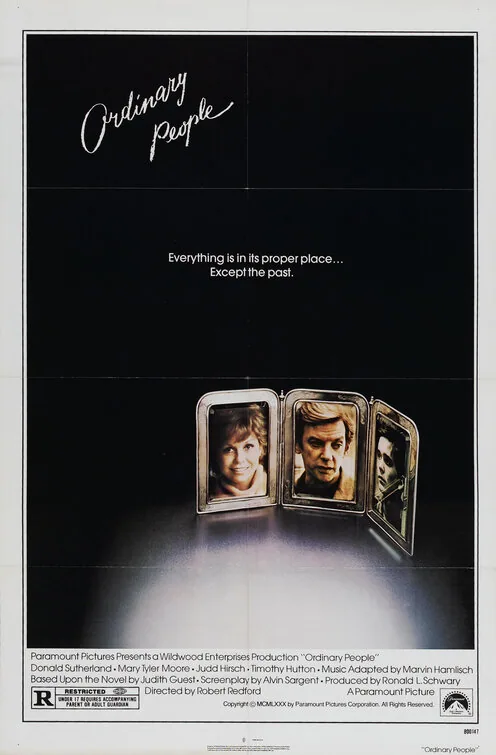
The film’s central action is Conrad’s attempt to live with grief, while the family’s outward order repeatedly blocks honest mourning.
Why this matches +
These offer a related experience with a meaningful difference in story, tone, or presentation.
An adjacent discovery: a related idea with a different viewing experience.
Genres: Drama
Shared film traits
Based on recorded story, mood and style. Your preferences can change the order.
What changes Ordinary People follows family members trying to respond to profound distress and difficult questions of care.
After the accidental drowning death of their eldest son Buck, the affluent Jarrett family tries to resume ordinary routines. Younger son Conrad returns home after a suicide attempt and psychiatric hospitalization, struggling with guilt and the belief that he should have died instead. Therapy with Dr. Berger helps him name grief and anger, while his father Calvin tries to reconnect with both sons’ absence. His mother Beth maintains control through social appearances and finds Conrad’s vulnerability intolerable. Their conflict forces Calvin to recognize that family recovery may not mean preserving the household intact.
Badii's repeated request turns ordinary car rides into difficult conversations about obligation, faith and the limits of persuasion.
Why this matches +
These offer a related experience with a meaningful difference in story, tone, or presentation.
An adjacent discovery: a related idea with a different viewing experience.
Genres: Drama
Shared film traits
Based on recorded story, mood and style. Your preferences can change the order.
What changes Taste of Cherry follows a man seeking help with an intended death through conversations that reveal different views of life.
Mr. Badii drives around Tehran seeking someone willing to help him after he dies, offering payment without explaining why he plans to end his life. A young soldier refuses, and a seminarian declines for religious reasons. An older taxidermist accepts because he needs the money, but tells Badii about a past moment when an unexpected taste of mulberries made him choose to continue living. The two men talk during repeated drives, and the film leaves the outcome unresolved. Its quiet structure stays close to the question of whether another person can answer for a stranger.
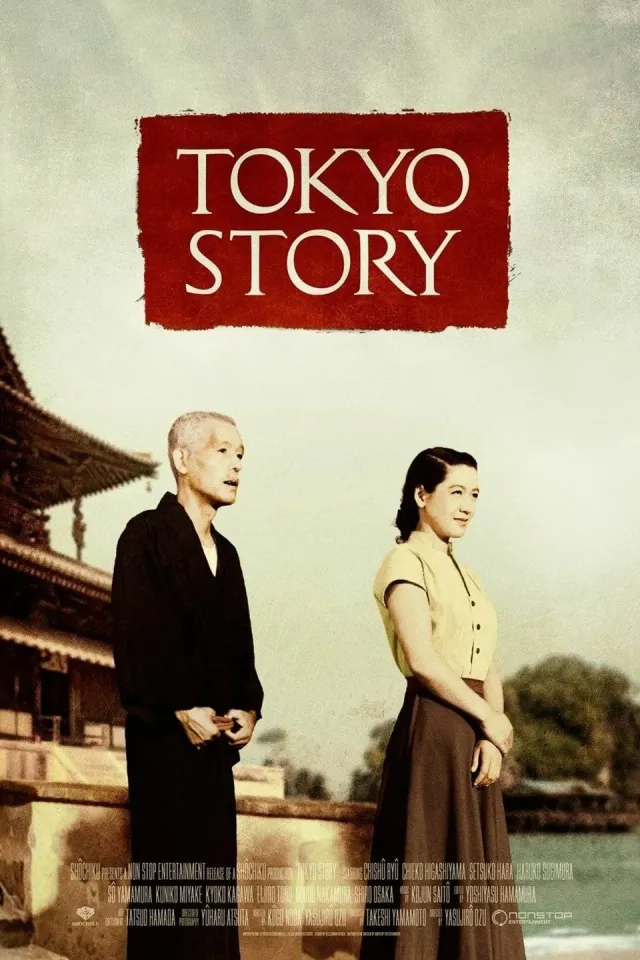
A visit by elderly parents exposes the distance between generations as their adult children balance affection with urban routines and obligations.
Why this matches +
These offer a related experience with a meaningful difference in story, tone, or presentation.
An adjacent discovery: a related idea with a different viewing experience.
Genres: Drama
Shared film traits
Based on recorded story, mood and style. Your preferences can change the order.
What changes Tokyo Story examines aging, dependence and the different ways family members respond to care needs.
An aging couple, Shukichi and Tomi Hirayama, travel from their coastal town to Tokyo to visit their adult children and grandchildren. Their son and daughter are busy with work and family, and arrange a brief trip to a seaside resort rather than spending much time with them. Noriko, the widow of their deceased son, treats the couple with particular kindness despite her own modest life. When Tomi becomes ill, the family’s attentions reveal different forms of affection, duty and regret. Ozu follows these changes through small domestic gestures rather than dramatic confrontations. The visit’s short duration turns small family accommodations into signs of affection, impatience and regret.
After a diving accident leaves Ramón Sampedro quadriplegic, he spends decades arguing that he should be allowed to end his life with dignity. His family provides daily care at their home on the Galician coast, but the legal and public debates around his request bring new people into his life. Lawyer Julia helps prepare a case, while radio host Rosa visits hoping to persuade him that life remains worth choosing. Ramón's eloquence, humour and determination challenge both women, though their own needs and limitations remain distinct. He also tries to arrange his death so that those who assist him will not be prosecuted. The film follows the arguments and emotional bonds around his decision without reducing them to a courtroom verdict.
What drives the story
A sustained campaign for assisted death places one man's request inside legal limits, family care and the competing convictions of two visitors.
The people at its centre
Ramón's independence of mind coexists with physical dependence; Julia's professional advocacy and Rosa's personal appeal challenge him differently, while his family carries the ongoing work of care.
What it feels like
Dreamlike flights above the coast interrupt intimate domestic scenes, giving the film a visual language for freedom that the legal debate cannot settle.
Worth knowing
For viewers seeking a thoughtful, emotionally complex drama about autonomy and care. Its perspective centers Ramón and his Spanish community; it is not a general medical primer or a simple argument for one policy position.