Based on recorded story, mood and style. Your preferences can change the order.
What changes Taste of Cherry: repetitive drives and philosophical conversation. Paris, Texas: slow burn.
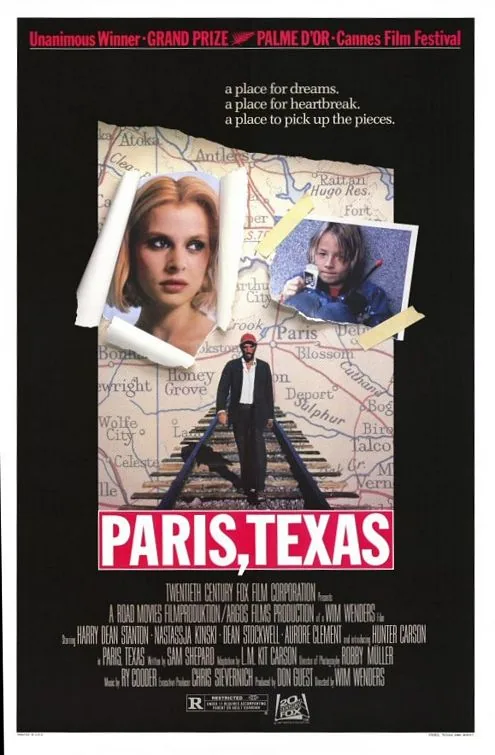
A silent man found wandering in the desert is reunited with a brother who has been raising his young son. Relearning conversation and parenthood brings fragments of a damaged family history into view. He and the boy eventually travel in search of the child's mother, but recovering contact requires confronting why the family separated and what a reunion can realistically repair.
Based on recorded story, mood and style. Your preferences can change the order.
What changes Taste of Cherry: repetitive drives and philosophical conversation. Drive My Car: slow and layered.
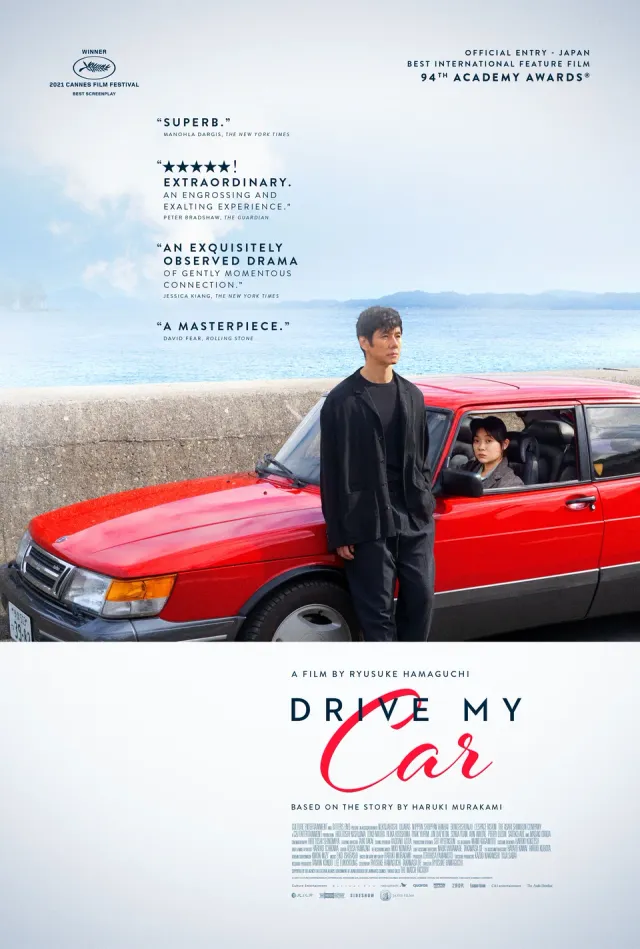
Theater director Yūsuke Kafuku travels to Hiroshima to stage Uncle Vanya and is assigned a quiet driver, Misaki. Rehearsals, long drives and the use of recorded lines gradually create room for both to confront grief and difficult memories. Ryusuke Hamaguchi gives the adaptation a patient, conversational structure, using Chekhov’s play and the red Saab as recurring spaces where private pain can be approached indirectly.
Based on recorded story, mood and style. Your preferences can change the order.
What changes Taste of Cherry: repetitive drives and philosophical conversation. 12th Fail: patient effort with incremental gains.
Manoj Sharma grows up in a village where cheating is common in school and the loss of his father’s job puts the family under financial strain. When strict exam rules leave him without a passing result, an honest police officer’s example gives Manoj a new direction: he begins preparing for the civil service examination. The Hindi biographical drama follows repeated setbacks, study, and small acts of support as a young man tries to turn failure into a public-service career.
Based on recorded story, mood and style. Your preferences can change the order.
What changes Taste of Cherry: repetitive drives and philosophical conversation. The Sacrifice: slow and contemplative.
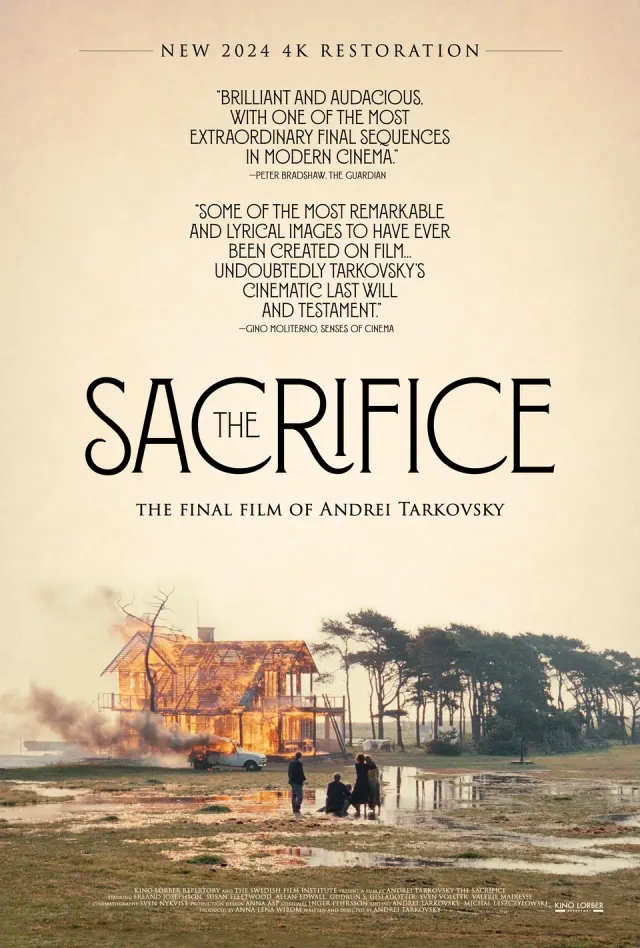
On his birthday, former actor and writer Alexander gathers family and friends at a remote Swedish home, where he talks with his young son about spiritual life and the modern world. Low-flying aircraft and a broadcast announcement interrupt the celebration with news that a nuclear war may have begun. The adults react with panic and disbelief; Alexander responds by making a private vow that he will give up what he loves if the catastrophe is somehow undone. A postman with an interest in the inexplicable suggests a course of action involving the family's maid, Maria. By morning the threat appears to have passed, but Alexander's promise remains, and his decision to burn the house and withdraw from ordinary life leaves his family and the viewer confronting what his act means.
Based on recorded story, mood and style. Your preferences can change the order.
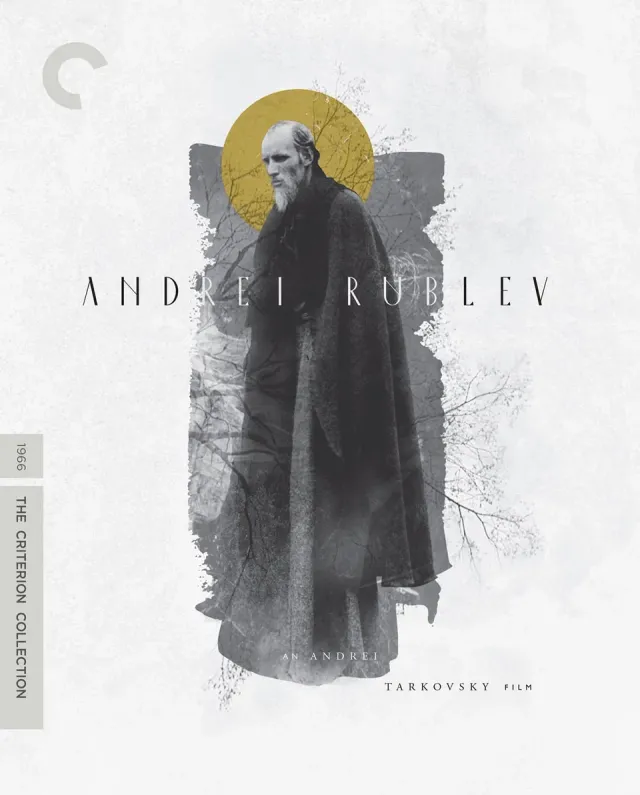
What changes Taste of Cherry: repetitive drives and philosophical conversation. Andrei Rublev: slow.
In Tarkovsky's director-preferred 183-minute cut, Andrei Rublev moves through a series of episodes in fifteenth-century Russia, where an icon painter encounters invasion, religious authority, famine and ordinary cruelty. His commitment to painting falters as he questions whether sacred work can survive a violent world. A young bellmaker, Boriska, claims he knows his late father's casting secret and is entrusted with a major bell; after it rings, he confesses that he had been bluffing. Rublev comforts him, and the episode becomes a counter-image of art emerging through risk, labor and trust. The film is a constructed meditation on artistic responsibility, not a continuous biography.
Based on recorded story, mood and style. Your preferences can change the order.
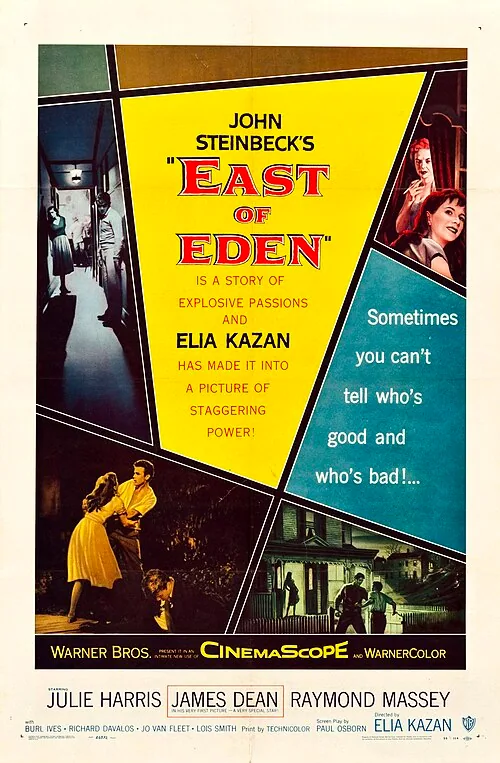
What changes Taste of Cherry: repetitive drives and philosophical conversation. East of Eden: measured.
A young man convinced that his father considers him inferior to his twin discovers that their supposedly dead mother is alive and living outside the family's moral story. A business venture promises to repair his father's financial loss and earn the affection he believes can be proven through a gift. When the gesture fails, withheld family knowledge becomes another way to inflict pain, making the desire to be loved compete with the ability to recognize another person's vulnerability. Kazan adapts the novel’s final section, concentrating the Cain-and-Abel inheritance around Cal’s need for paternal acceptance.
Based on recorded story, mood and style. Your preferences can change the order.
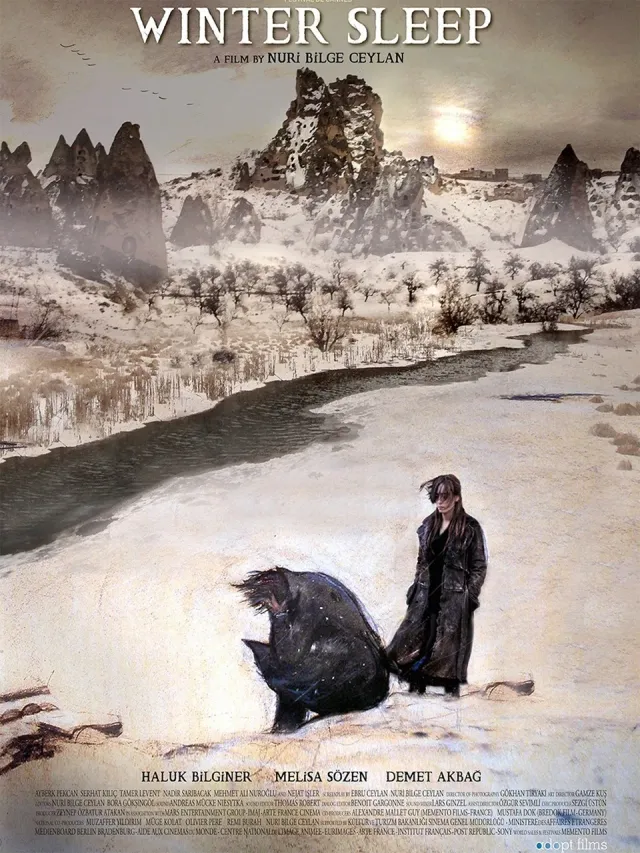
What changes Taste of Cherry: repetitive drives and philosophical conversation. Winter Sleep: slow and dialogue-led.
Aydin, a retired actor who writes about society, runs a small hotel in central Anatolia with his younger wife Nihal and divorced sister Necla. As winter closes in, tensions over his tenants, Nihal’s charitable work and Necla’s own dissatisfaction draw the family into long conversations about power and responsibility. Aydin’s public confidence does not prevent him from dominating those closest to him, and arguments change direction rather than resolve cleanly. Nuri Bilge Ceylan has said the film was inspired by several Chekhov short stories, rather than being a direct adaptation of one tale. Snowbound days make intellectual arguments expose unequal control inside the household.
Based on recorded story, mood and style. Your preferences can change the order.
What changes Taste of Cherry: repetitive drives and philosophical conversation. Locke: a real-time drive unfolds through phone conversations and consequences.
On the eve of a major concrete pour, construction manager Ivan Locke leaves work and drives toward a hospital after learning that a colleague from a past affair is in labor. He manages the consequences through a chain of phone calls while his marriage, career, and professional duties begin to unravel. The contained drama uses one car journey to examine responsibility, keeping its protagonist physically alone while his choices connect him to many others.
Based on recorded story, mood and style. Your preferences can change the order.
What changes Taste of Cherry: repetitive drives and philosophical conversation. Ben-Hur: sweeping and action-led.
A privileged young man in Roman-occupied Judea loses his status and freedom after a political incident divides him from his adopted brother, a Roman officer. Surviving enslavement, he returns with the skills and opportunity to confront his former family member in a chariot race. His pursuit of redress becomes a conflict between revenge and forgiveness, framed by religious encounters and the cost of imperial power.
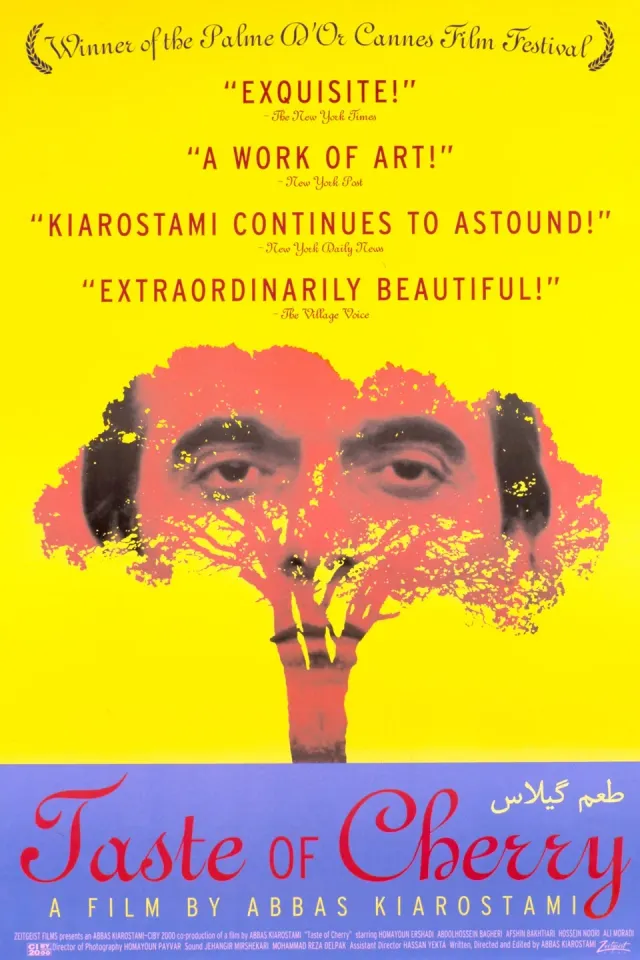
Mr. Badii drives around Tehran seeking someone willing to help him after he dies, offering payment without explaining why he plans to end his life. A young soldier refuses, and a seminarian declines for religious reasons. An older taxidermist accepts because he needs the money, but tells Badii about a past moment when an unexpected taste of mulberries made him choose to continue living. The two men talk during repeated drives, and the film leaves the outcome unresolved. Its quiet structure stays close to the question of whether another person can answer for a stranger.
What drives the story
Badii's repeated request turns ordinary car rides into difficult conversations about obligation, faith and the limits of persuasion.
The people at its centre
The soldier, seminarian and taxidermist respond from different experiences, while Badii keeps his own reasons private.
What it feels like
Long takes, sparse dialogue and an open ending create a contemplative road film that invites attention rather than supplying a clear emotional resolution.
Worth knowing
A fit for minimalist, reflective cinema about despair and human contact; suicide is the central subject, treated without thriller mechanics or a simple inspirational answer.
DespairHuman contactChoice
Mood
Contemplative · Sparse · Ambiguous
Pacing
Repetitive drives · Philosophical conversation
Visual style
Long takes · Minimalist realism
Storytelling
Request for posthumous help · Three encounters · Open outcome