Runtime: 2h 11mMPA rating: Not rated (source version)
A frontier settlement's historical milestones and an often-absent husband frame a woman's expanding responsibility in a community transformed over decades.
What should feel similar?
Find your next favourite
9 of 15 films · Closest overall matches
Hide films you’ve seen or don’t want. Saved on this device.
No matches for this combination yet.
Try another option or reset your choices to see more films.
A changing social order exposes a protagonist's capacity for survival while intensifying her habit of treating intimacy and security as resources to be secured.
Why this matches +
These films share important themes, atmosphere or storytelling interests with this selection.
Genres: Drama / Romance
Shared film traits
Based on recorded story, mood and style. Your preferences can change the order.
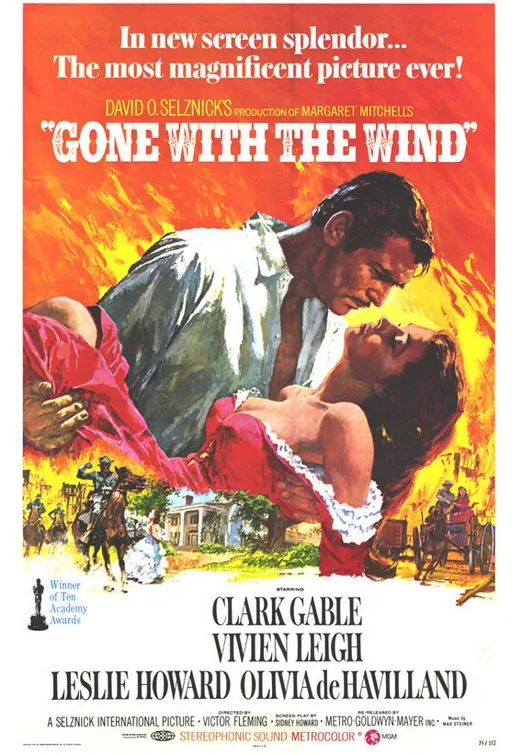
What changes Its own story: A changing social order exposes a protagonist's capacity for survival while intensifying her habit of treating intimacy and security as resources to be secured.
A privileged young woman on a Georgia plantation pursues an attachment to a man whose commitments lie elsewhere as the American Civil War destroys the material security of her household. Surviving loss makes property and economic control increasingly urgent, while a second man's attraction offers possibilities she struggles to value beyond immediate need. Her effort to recover a familiar world is presented through a romanticised white Southern viewpoint that leaves the people sustaining that world without equal narrative authority.
Linked generations provide continuity across five historical episodes, making expansion and migration the organizing process rather than one character’s continuous mission. The family’s continuity turns settlement into inheritance, even as the land’s earlier claims recede.
Why this matches +
These films share important themes, atmosphere or storytelling interests with this selection.
Genres: Western / Adventure
Shared film traits
Based on recorded story, mood and style. Your preferences can change the order.
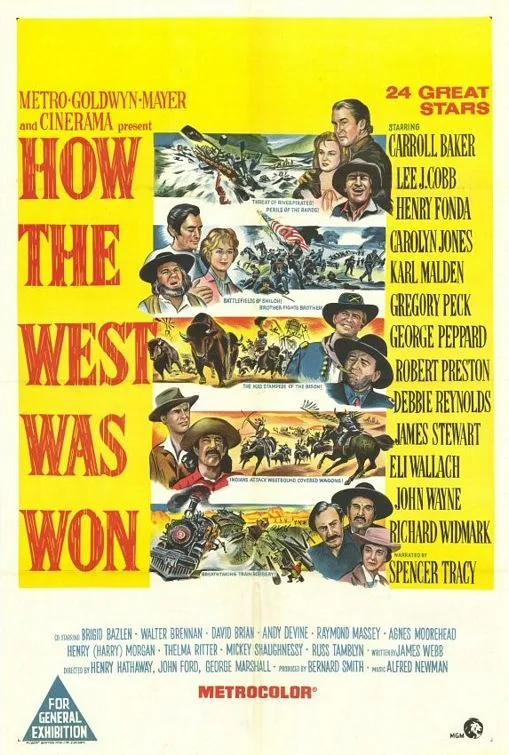
What changes Its own story: Linked generations provide continuity across five historical episodes, making expansion and migration the organizing process rather than one character’s continuous mission. The family’s continuity turns settlement into inheritance, even as the land’s earlier claims recede.
A family’s descendants travel through migration, the California Gold Rush, the Civil War, railroad construction and frontier life across five episodes, using kinship to connect decades of settler expansion. The format keeps movement, landscape and opportunity in the foreground, while Indigenous dispossession and the violence that enabled settlement receive less narrative authority. Shot in three-panel Cinerama, the film was designed as panoramic spectacle; the scale of its images helps explain why its national-progress framing can feel so persuasive. It premiered in London in 1962 and opened widely in the United States in 1963, a dating difference worth retaining when comparing catalogues.
Oil wealth reshapes a ranch family’s power over generations, exposing tensions between inherited status, new money and the discrimination sustaining the regional order. Jett’s wealth changes the family hierarchy but does not by itself undo racial exclusion.
Why this matches +
These films share important themes, atmosphere or storytelling interests with this selection.
Genres: Drama / Romance
Shared film traits
Based on recorded story, mood and style. Your preferences can change the order.
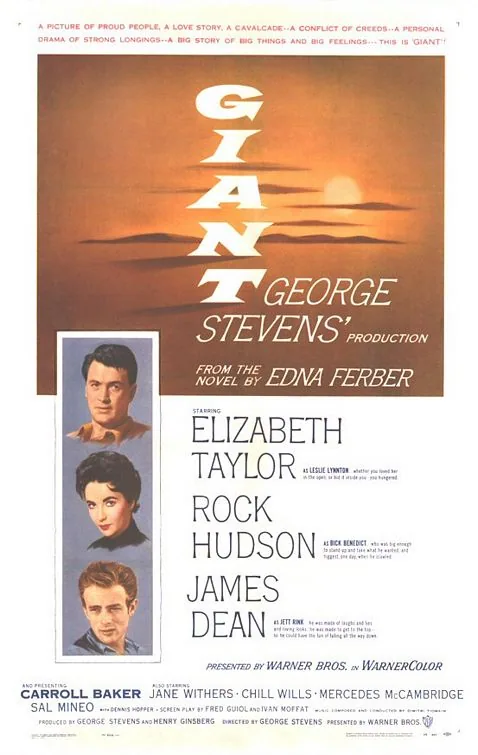
What changes Its own story: Oil wealth reshapes a ranch family’s power over generations, exposing tensions between inherited status, new money and the discrimination sustaining the regional order. Jett’s wealth changes the family hierarchy but does not by itself undo racial exclusion.
A marriage between Texas rancher Bick Benedict and Maryland socialite Leslie connects family life to a ranch economy built on land, oil and racial hierarchy. Jett Rink’s discovery of oil changes the balance of wealth and authority, while later generations confront discrimination against Mexican Americans that the older ranch culture normalizes. The narrative’s long span gives social change a personal scale, but its central white family still controls much of the film’s viewpoint. The famous diner confrontation complicates Bick’s inheritance of power without making one late gesture resolve the structures the story has spent decades establishing.
Stoddard’s account of the confrontation with Valance becomes the origin story for his political career, even as the truth behind the legend remains unsettled.
Why this matches +
These films share important themes, atmosphere or storytelling interests with this selection.
Genres: Drama / Western
Shared film traits
Based on recorded story, mood and style. Your preferences can change the order.
What changes Its own story: Stoddard’s account of the confrontation with Valance becomes the origin story for his political career, even as the truth behind the legend remains unsettled.
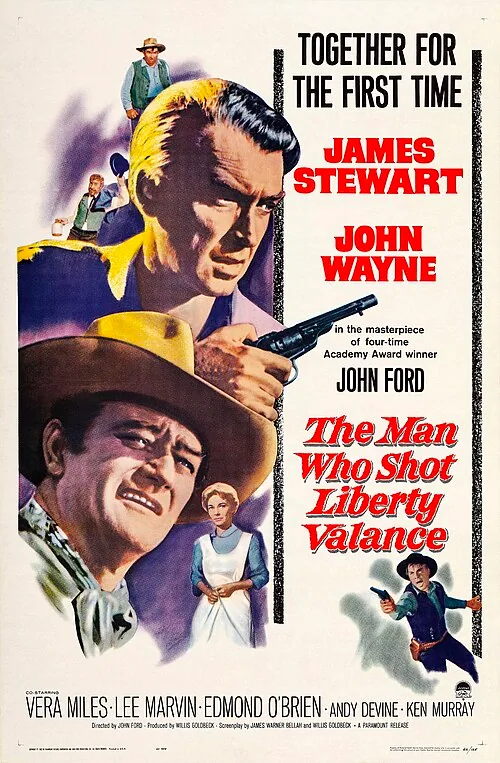
Senator Ransom Stoddard returns to the frontier town of Shinbone for the funeral of rancher Tom Doniphon, prompting a newspaper editor to ask why a celebrated politician has come for an obscure man. Stoddard recounts how, as a young lawyer, he was beaten by outlaw Liberty Valance and arrived in the territory believing that law and education could change its violent order. His connection with Hallie and Tom complicates the public story that grew from the confrontation with Valance. John Ford’s Western examines how a community turns an uncertain act into a political legend.
A long rescue search splits between Martin's concern for Debbie and Ethan's fixation on racial purity and revenge, making the destination morally uncertain.
Why this matches +
These films share important themes, atmosphere or storytelling interests with this selection.
Genres: Drama / War
Shared film traits
Based on recorded story, mood and style. Your preferences can change the order.
What changes Its own story: A long rescue search splits between Martin's concern for Debbie and Ethan's fixation on racial purity and revenge, making the destination morally uncertain.
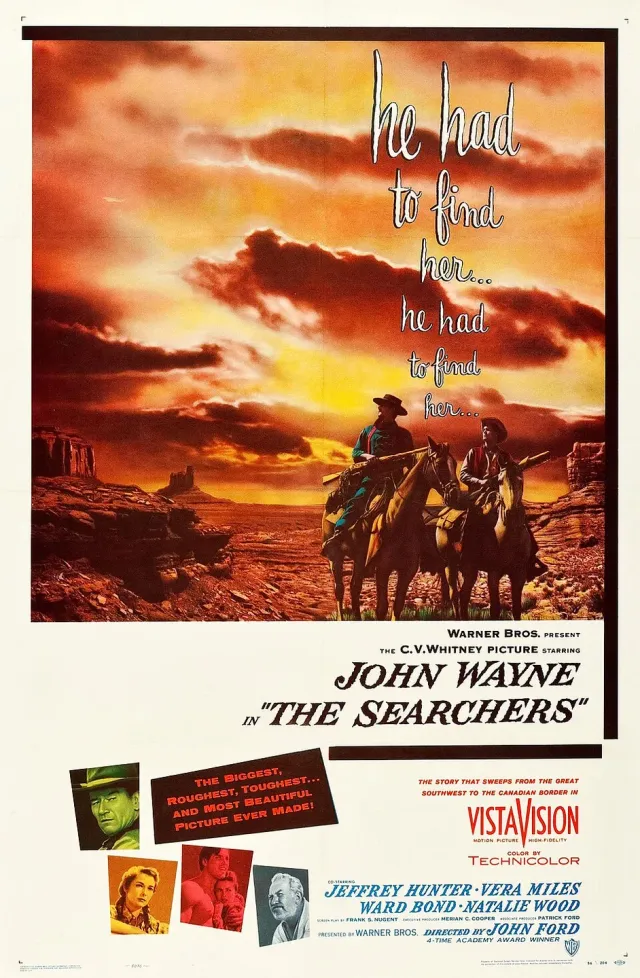
Civil War veteran Ethan Edwards returns to his brother's Texas home and joins a pursuit after a Comanche raid kills much of the family and takes young Debbie. Ethan and Debbie's adopted, part-Cherokee brother Martin search for years, but they do not share the same purpose: Martin hopes to bring Debbie home, while Ethan's racism makes him question whether she should be rescued if she has assimilated into Comanche life. Their route crosses ranches, military posts and settlements, while Martin's attachment to Laurie and Ethan's fixation on the search complicate their return to ordinary life. When they finally find Debbie, Martin has to prevent Ethan's hatred from determining her fate. The film's iconic Western landscape frames a story that exposes the violence and racial hierarchy embedded in its frontier mythology.
The westward trip promises a fresh start, but each labour camp reveals another way that economic hardship and unequal power constrain the family.
Why this matches +
These films share important themes, atmosphere or storytelling interests with this selection.
Genres: Drama
Shared film traits
Based on recorded story, mood and style. Your preferences can change the order.
What changes Its own story: The westward trip promises a fresh start, but each labour camp reveals another way that economic hardship and unequal power constrain the family.
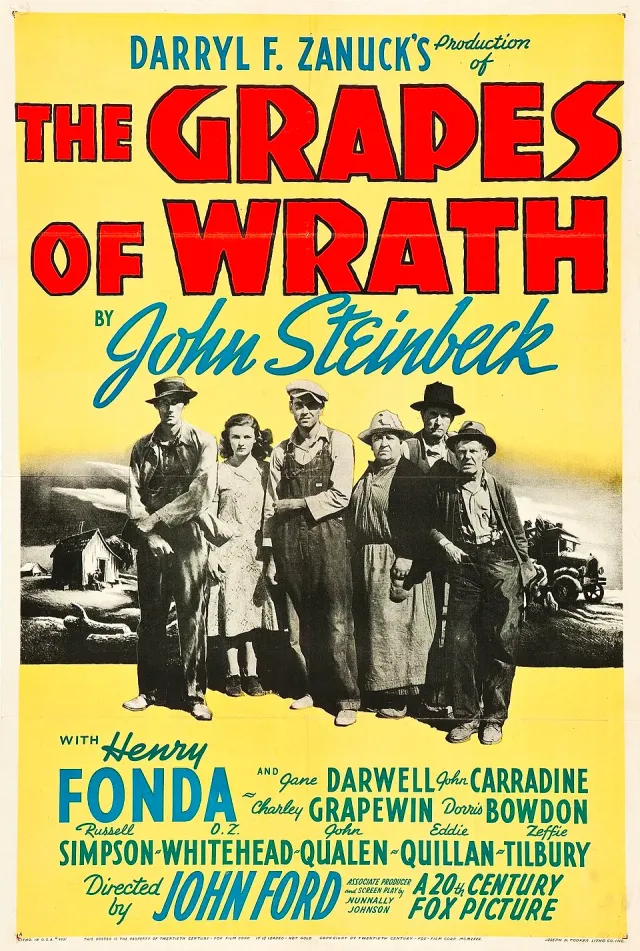
After drought and eviction drive the Joad family from their Oklahoma farm, Tom returns home from prison and travels with them toward California in search of work. The promised jobs prove uncertain, and the family encounters low wages, hostility and camps where migrant workers try to survive together. John Ford’s adaptation focuses on the family’s movement through a system that treats displaced people as disposable, while Ma Joad holds the group together as its circumstances worsen. The 1940 film is its own adaptation, with a more consoling ending than John Steinbeck’s novel.
A plan to use a marriage for financial security becomes unstable as the characters’ feelings shift.
Why this matches +
These films share important themes, atmosphere or storytelling interests with this selection.
Genres: Drama / Romance
Shared film traits
Based on recorded story, mood and style. Your preferences can change the order.
What changes Its own story: A plan to use a marriage for financial security becomes unstable as the characters’ feelings shift.
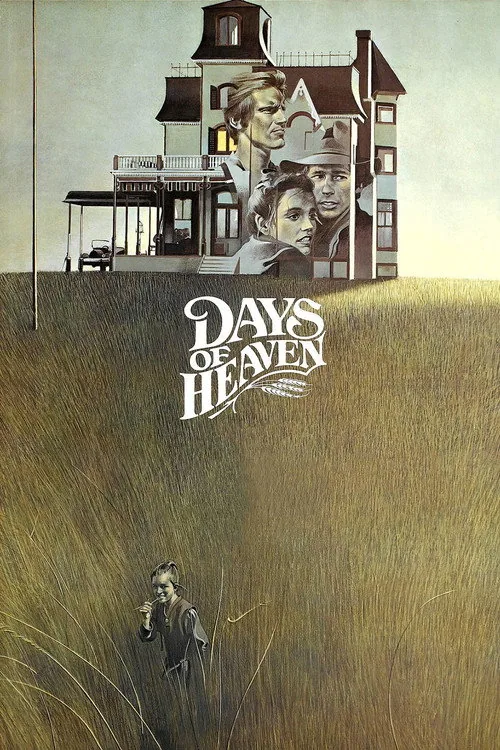
Bill, his girlfriend Abby, and his younger sister Linda leave Chicago and travel to the Texas Panhandle for harvest work. When the wealthy farmer who employs them becomes ill, Bill encourages Abby to marry him, hoping they can inherit the land; the arrangement becomes more complicated as affection and jealousy take hold. Terrence Malick’s period drama follows the fragile love triangle through seasonal labor and changing landscapes, with spare dialogue, Linda’s narration, and luminous cinematography giving the story a lyrical, reflective quality.
An isolated posting becomes a process of reciprocal contact that eventually creates a direct conflict with the officer's original allegiance.
Why this matches +
These films explore a related idea in a different setting, genre or style.
An adjacent discovery: a related idea with a different viewing experience.
Genres: Drama / Adventure
Shared film traits
Based on recorded story, mood and style. Your preferences can change the order.
What changes Its own story: An isolated posting becomes a process of reciprocal contact that eventually creates a direct conflict with the officer's original allegiance.
A Union officer posted to a remote frontier position begins contact with a nearby Lakota community and gradually learns to communicate beyond the assumptions of his original assignment. Hospitality, work and a developing attachment give him a place whose significance cannot be reduced to observation. The return of organised military authority makes his loyalties visible, forcing him to confront the violence carried by an institution he once served without imagining an alternative.
A land seizure disguised as outlaw violence creates a contest whose hidden revenge motive gradually emerges alongside a railway's commercial expansion.
Why this matches +
These films explore a related idea in a different setting, genre or style.
An adjacent discovery: a related idea with a different viewing experience.
Genres: Drama / Action
Shared film traits
Based on recorded story, mood and style. Your preferences can change the order.
What changes Its own story: A land seizure disguised as outlaw violence creates a contest whose hidden revenge motive gradually emerges alongside a railway's commercial expansion.
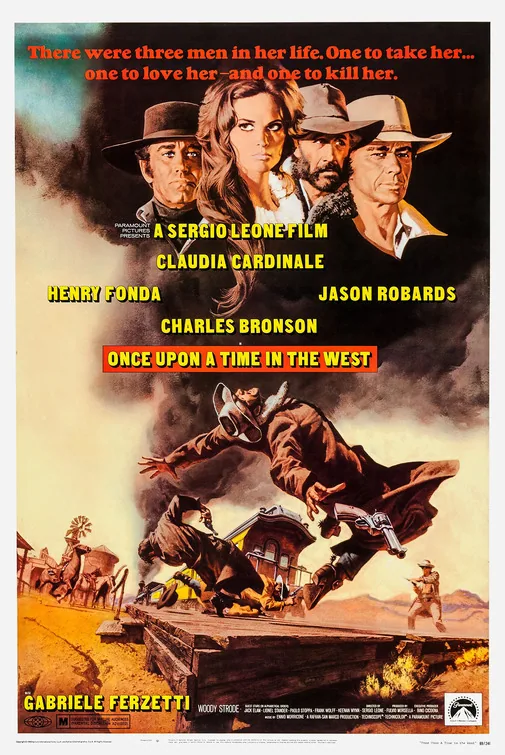
A woman arrives to join her new husband only to discover that his family has been murdered and his land sits on the route of an expanding railway. A hired gun, an outlaw wrongly blamed for the killing and a stranger with a harmonica circle the property for reasons that are not equally visible. Their intersecting agendas connect private revenge to the conversion of a frontier into an infrastructure of commerce and control.
The settlement and surrounding landscape are treated as forces that shape the encounter rather than mere backdrop.
Why this matches +
These films explore a related idea in a different setting, genre or style.
An adjacent discovery: a related idea with a different viewing experience.
Genres: Drama / Romance
Shared film traits
Based on recorded story, mood and style. Your preferences can change the order.
What changes Its own story: The settlement and surrounding landscape are treated as forces that shape the encounter rather than mere backdrop.
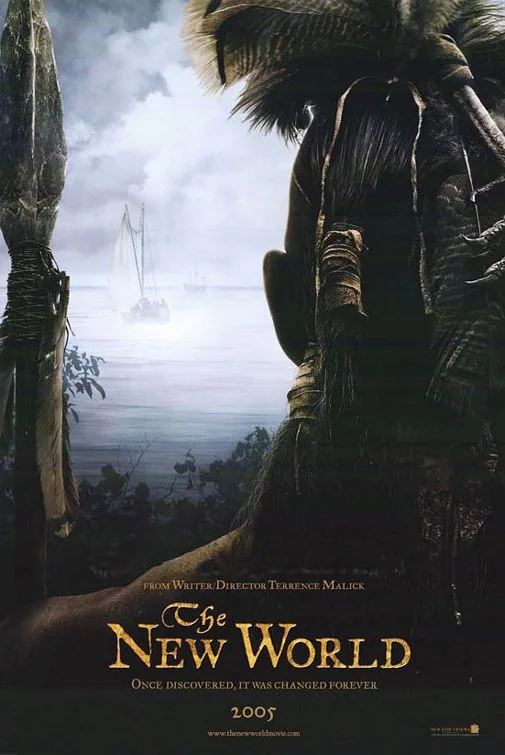
The arrival of English settlers in early seventeenth-century Virginia is seen through the encounter between explorer John Smith and Pocahontas, alongside the hardship of founding Jamestown. Their connection is set within a larger history of colonization and cultural conflict. The film uses sensory detail, voice-over and a patient rhythm to consider how desire, land and incompatible worlds are entangled, while resisting the shape of a conventional adventure romance.
A resource entrepreneur and a religious performer compete for authority over the same community, converting practical bargains into escalating struggles for humiliation and dominance.
Why this matches +
These films explore a related idea in a different setting, genre or style.
An adjacent discovery: a related idea with a different viewing experience.
Genres: Drama / Thriller
Shared film traits
Based on recorded story, mood and style. Your preferences can change the order.
What changes Its own story: A resource entrepreneur and a religious performer compete for authority over the same community, converting practical bargains into escalating struggles for humiliation and dominance.
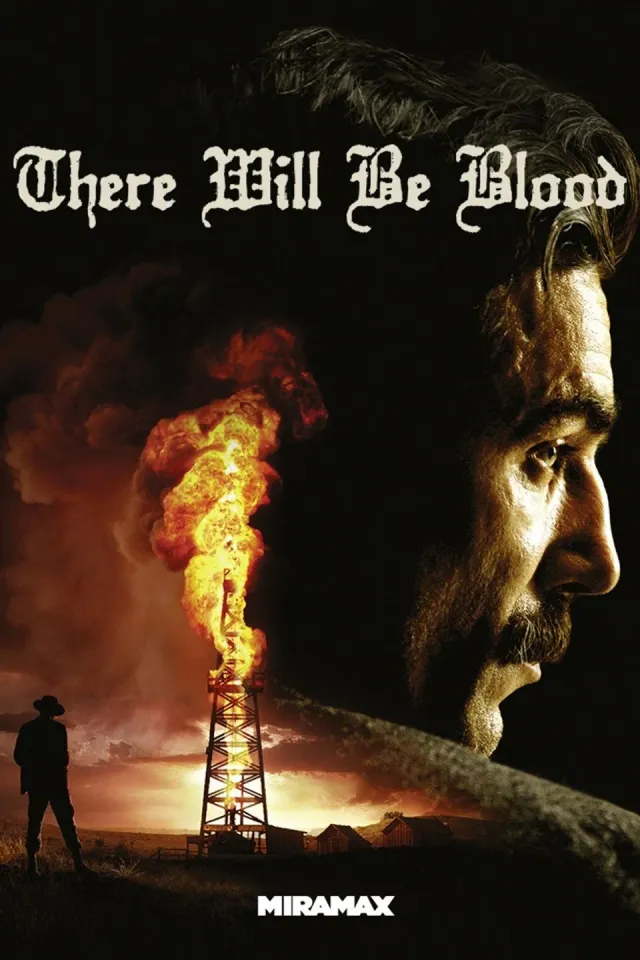
An independent prospector builds an oil business through dangerous labour and a public image of familial reliability. Acquiring drilling rights in a small community puts him into conflict with a young preacher who also recognises the value of controlling access and public belief. As wealth expands, distrust and contempt corrode the relationship used to humanise his enterprise, making commercial victory increasingly indistinguishable from emotional isolation.
The romance is governed by the city's social code: every private impulse is filtered through reputation, family alliances and what people can safely say in public.
Why this matches +
These films explore a related idea in a different setting, genre or style.
An adjacent discovery: a related idea with a different viewing experience.
Genres: Drama / Romance
Shared film traits
Based on recorded story, mood and style. Your preferences can change the order.
What changes Its own story: The romance is governed by the city's social code: every private impulse is filtered through reputation, family alliances and what people can safely say in public.
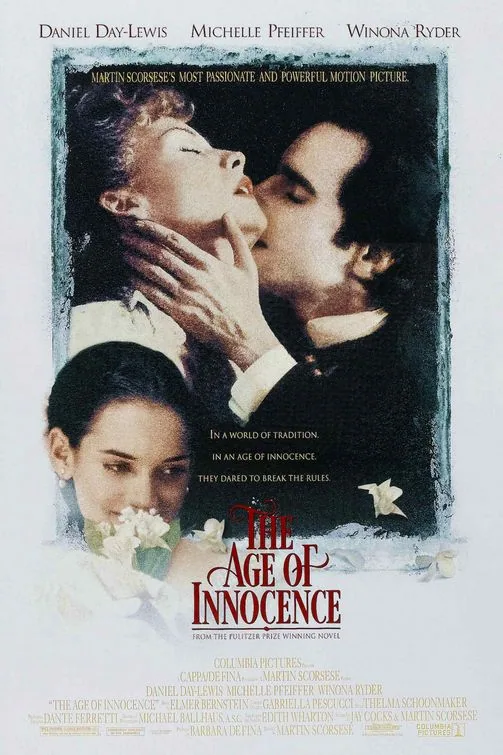
In 1870s New York, lawyer Newland Archer is engaged to May Welland when her cousin Countess Ellen Olenska returns from Europe after leaving an unhappy marriage. Newland sympathizes with Ellen as society judges her, and his defense of her grows into a love he cannot openly pursue. Family expectations, reputation and May's apparent innocence narrow the choices available to all three. Newland and Ellen delay a future together until the social cost seems impossible to bear. Years later, an opportunity to see Ellen again forces Newland to confront the life he chose and what restraint has preserved or denied him.
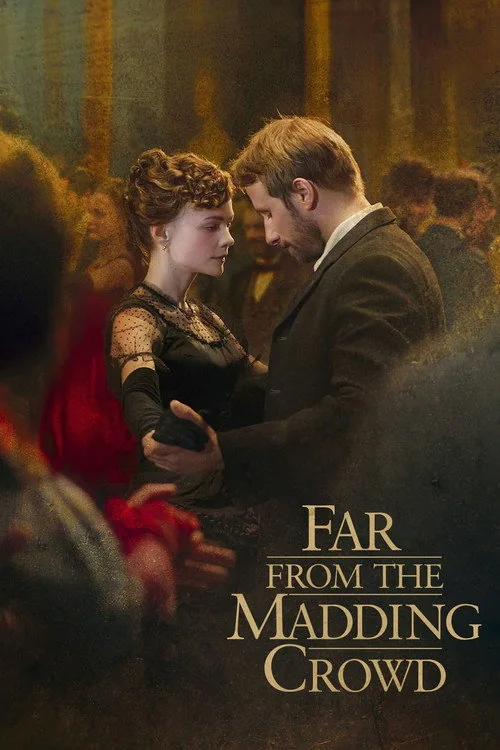
Bathsheba's new independence attracts suitors whose incompatible promises test her judgment and priorities.
Why this matches +
These films explore a related idea in a different setting, genre or style.
An adjacent discovery: a related idea with a different viewing experience.
Genres: Drama / Romance
Shared film traits
Based on recorded story, mood and style. Your preferences can change the order.
What changes Its own story: Bathsheba's new independence attracts suitors whose incompatible promises test her judgment and priorities.
Independent farmer Bathsheba Everdene inherits a rural estate and attracts three very different suitors: loyal shepherd Gabriel Oak, prosperous older farmer William Boldwood, and dashing soldier Frank Troy. Her choices carry consequences as each man represents a different form of security, desire, or risk. Set in Victorian Dorset, the adaptation follows Bathsheba's ambition to manage her own land while navigating love and social expectations. The romantic drama balances seasonal farm life with emotional reversals and a story of hard-earned maturity.
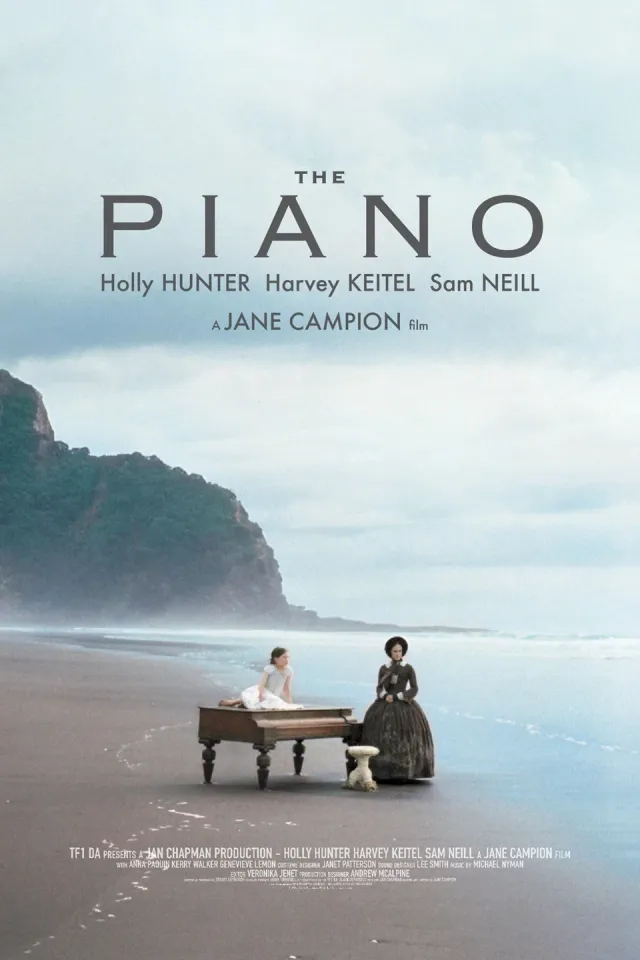
A piano left on the shore becomes the object of a bargain that draws Ada into a relationship outside her arranged marriage and intensifies her husband's control.
Why this matches +
These films explore a related idea in a different setting, genre or style.
An adjacent discovery: a related idea with a different viewing experience.
Genres: Drama / Romance
Shared film traits
Based on recorded story, mood and style. Your preferences can change the order.
What changes Its own story: A piano left on the shore becomes the object of a bargain that draws Ada into a relationship outside her arranged marriage and intensifies her husband's control.
Mute Scottish pianist Ada McGrath arrives in colonial New Zealand with her daughter Flora and her piano for an arranged marriage to settler Alisdair Stewart. When the piano is left on the beach, Ada persuades neighbor George Baines to retrieve it, and he makes a bargain: she can play it at his home if she gives him lessons. Their private meetings turn into an affair, while Alisdair's response to Ada's desire becomes increasingly controlling. Flora moves between interpreting for her mother and acting on loyalties of her own, changing the balance of power. Jane Campion's story links communication, erotic desire and colonial property, but the central woman's limited speech should not obscure the unequal conditions in which the men negotiate her choices.
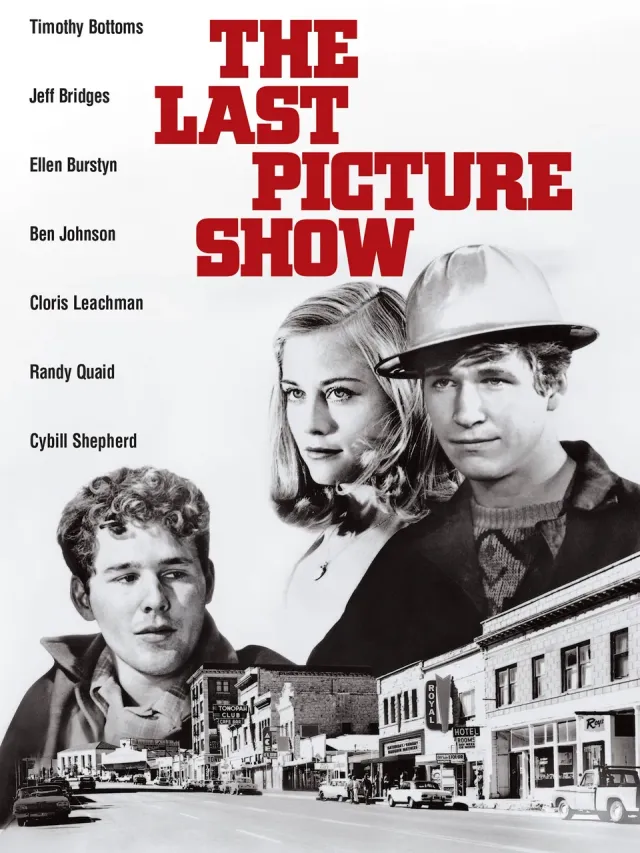
The closing of familiar gathering places and Sam’s death remove the few shared rituals that gave the young people a sense of community.
Why this matches +
These films explore a related idea in a different setting, genre or style.
An adjacent discovery: a related idea with a different viewing experience.
Genres: Drama / Coming-of-age
Shared film traits
Based on recorded story, mood and style. Your preferences can change the order.
What changes Its own story: The closing of familiar gathering places and Sam’s death remove the few shared rituals that gave the young people a sense of community.
In the oil town of Anarene, high-school friends Sonny Crawford and Duane Jackson drift through their final year as the places that structure the town begin to close. Both become involved with Jacy Farrow, whose wealth and ambitions offer a path away from local routine. Sonny’s relationship with Ruth, the adult wife of his high-school coach, creates an uneasy attachment shaped by age and power. Billy, a disabled teenager, is treated as a town fixture and later becomes the target of a cruel sexual initiation arranged by his friends. Sam the Lion’s pool hall and movie theater are among the few places where young people gather; his death makes the town feel smaller still. The story follows desire, boredom and loss without promising that growing up will deliver a clear escape.
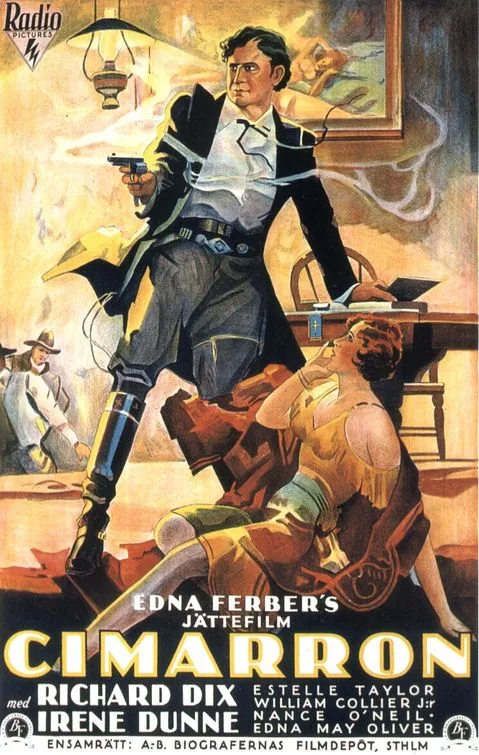
After the 1889 Oklahoma land run, restless newspaper editor Yancey Cravat brings his wife Sabra to a frontier town where she gradually builds a civic and editorial life of her own. Yancey's departures and returns leave Sabra to meet the social changes the film presents as national progress. That sweeping viewpoint centers settler ambition and includes Indigenous people and Black characters through the period's limited representational conventions. Its epic scale and Sabra's development can be discussed without accepting the frontier ideology as neutral history.
What drives the story
A land-run settlement and Yancey's repeated absences turn a frontier chronicle into a long account of Sabra's growing public role and the town's transformation.
The people at its centre
Sabra's civic competence develops beside her loyalty to Yancey, while the family and town's opportunities rest on a settlement narrative the film does not fully question. Her influence expands within the town's institutions, not beyond the settler frame.
What it feels like
Broad historical jumps and community spectacle create an old-style epic whose emotional sweep is inseparable from its period assumptions about progress. The film's time jumps turn a changing town into a succession of grand milestones.
Worth knowing
Match on Sabra's expanding civic role inside a settler family saga, not as neutral western history. AFI's production record notes that Native American performers were made up to appear copper-colored for the camera, a concrete reminder of the film's exclusionary screen conventions.
FamilyClassPrejudice
Mood
Epic · Emotional · Reflective
Pacing
Episodic
Visual style
Black and white · Expansive · Historical tableaux
Storytelling
Restless husband and enduring wife · Generational settlement · Developing civic role