News from home opens a recollection in which apprenticeship, first love and departure shape the meaning of a later artistic life.
Why this matches +
These films share important themes, atmosphere or storytelling interests with this selection.
Genres: Drama / Coming-of-age
Shared film traits
Based on recorded story, mood and style. Your preferences can change the order.
What changes Its own story: News from home opens a recollection in which apprenticeship, first love and departure shape the meaning of a later artistic life.
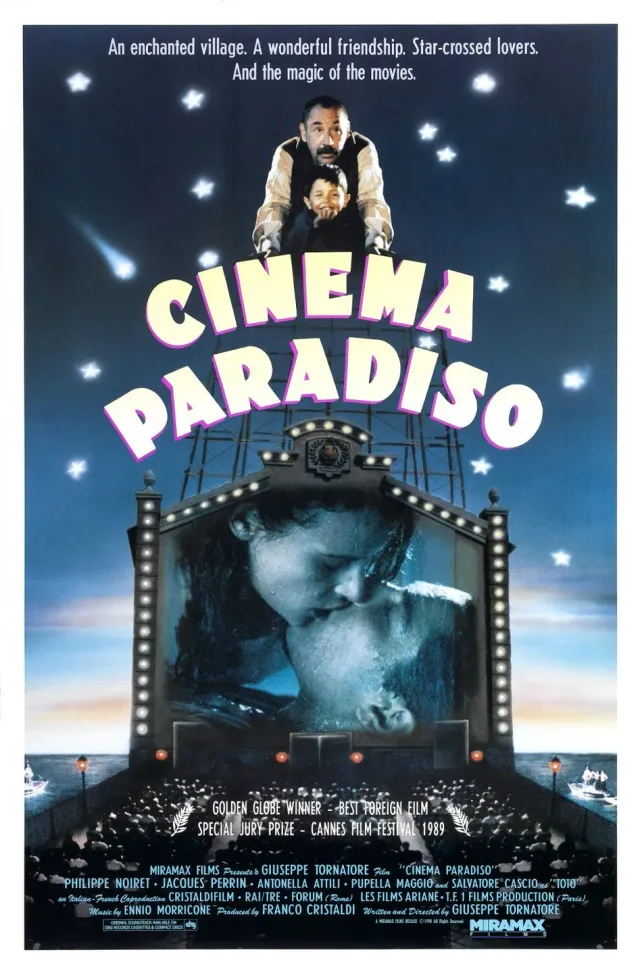
A successful filmmaker learns of a death in the Sicilian town he left decades earlier and revisits his childhood through memories of its cinema. Friendship with a projectionist introduced him to images, forbidden access and the communal life organised around a screen. Growing older brings romance and the difficult possibility that following a vocation may require leaving the place and people through which that vocation first became imaginable.
The production process makes rehearsing another person’s words a form of emotional inquiry.
Why this matches +
These films share important themes, atmosphere or storytelling interests with this selection.
Genres: Drama
Shared film traits
Based on recorded story, mood and style. Your preferences can change the order.
What changes Its own story: The production process makes rehearsing another person’s words a form of emotional inquiry.
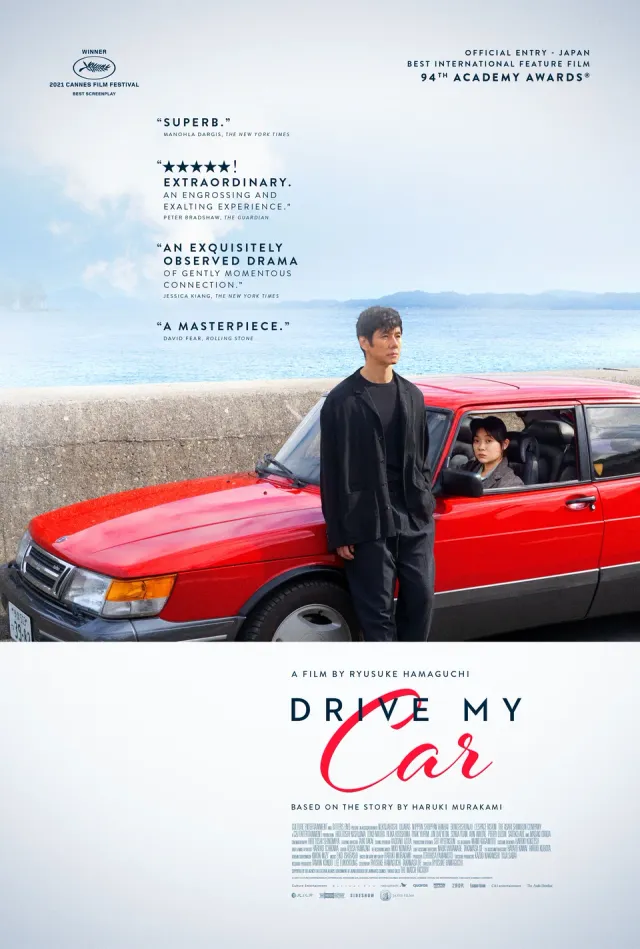
Theater director Yūsuke Kafuku travels to Hiroshima to stage Uncle Vanya and is assigned a quiet driver, Misaki. Rehearsals, long drives and the use of recorded lines gradually create room for both to confront grief and difficult memories. Ryusuke Hamaguchi gives the adaptation a patient, conversational structure, using Chekhov’s play and the red Saab as recurring spaces where private pain can be approached indirectly.
The repeated routine is the film’s story engine; small disruptions reveal the family ties and loneliness that the schedule leaves outside its frame.
Why this matches +
These films share important themes, atmosphere or storytelling interests with this selection.
Genres: Drama
Shared film traits
Based on recorded story, mood and style. Your preferences can change the order.
What changes Its own story: The repeated routine is the film’s story engine; small disruptions reveal the family ties and loneliness that the schedule leaves outside its frame.
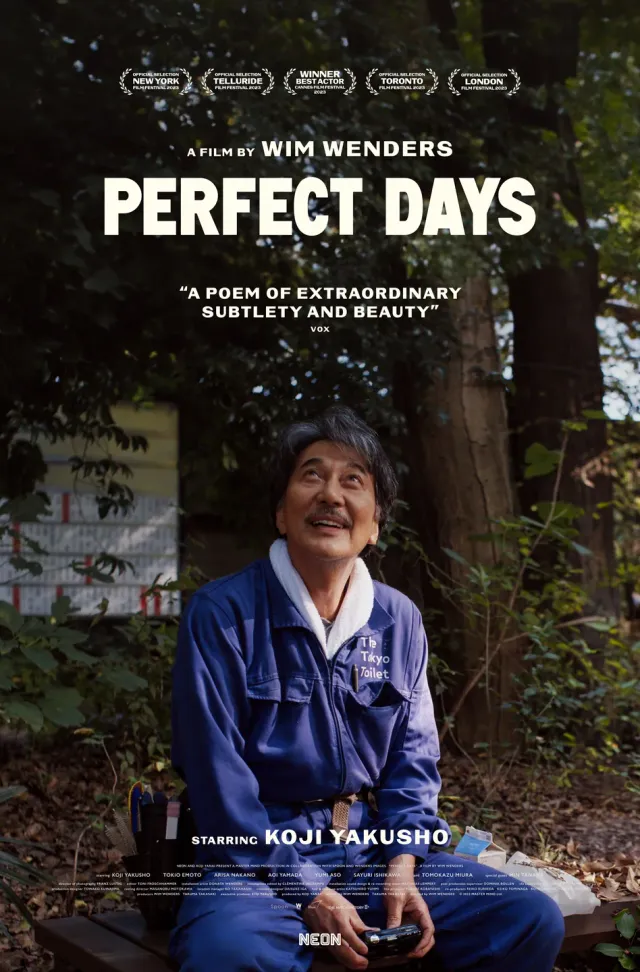
Hirayama works as a meticulous public-toilet cleaner in Tokyo, arranging his days around familiar routes, cassette tapes, books and photographs of trees. His routine is mostly self-chosen and gives him quiet satisfaction, but small interruptions gradually reveal relationships he keeps at a distance. His younger coworker Takashi’s needs, the arrival of Hirayama’s niece Niko and an unexpected encounter with a man from a nearby restaurant unsettle the pattern without turning it into a conventional quest. As these moments accumulate, Hirayama’s attention to work, nature and music becomes a way of meeting an uncertain life one day at a time.
NJ’s attempt to revisit a decision from his youth unfolds alongside the demands of his present family.
Why this matches +
These films share important themes, atmosphere or storytelling interests with this selection.
Genres: Drama
Shared film traits
Based on recorded story, mood and style. Your preferences can change the order.
What changes Its own story: NJ’s attempt to revisit a decision from his youth unfolds alongside the demands of his present family.
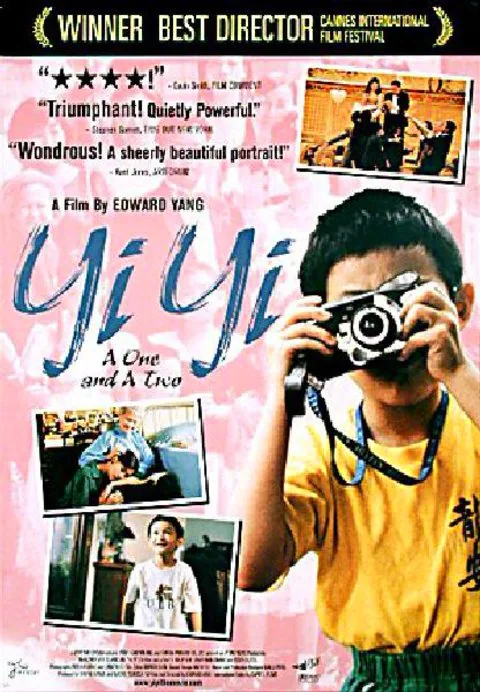
Over the course of a year in Taipei, the middle-class Jian family faces a wedding, a grandmother’s stroke, business troubles and the strains of ordinary family life. Father NJ reconnects with a former love while negotiating a new business deal; his wife Min-Min leaves for a Buddhist retreat; daughter Ting-Ting navigates adolescent relationships; and young Yang-Yang observes the adults with unusual curiosity. Each family member sees only part of the whole, and the film follows how private choices ripple through the household and its wider community.
Shared suspicion creates intimacy that remains constrained by social scrutiny and the characters' own moral boundaries.
Why this matches +
These films share important themes, atmosphere or storytelling interests with this selection.
Genres: Romance / Drama
Shared film traits
Based on recorded story, mood and style. Your preferences can change the order.
What changes Its own story: Shared suspicion creates intimacy that remains constrained by social scrutiny and the characters' own moral boundaries.
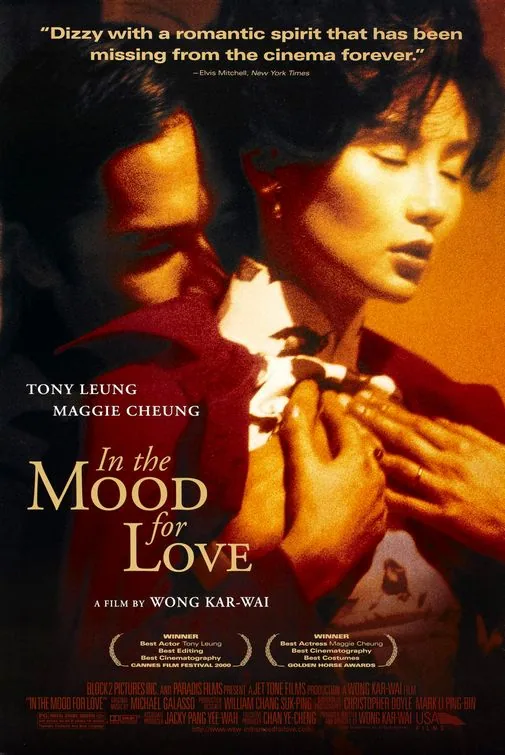
Neighbours in a crowded Hong Kong apartment building discover that their spouses may be having an affair with each other. Seeking to understand that betrayal, they begin rehearsing conversations and spending time together while insisting their own relationship will be different. Repetition, proximity and fear of gossip make a growing attachment both intensely felt and difficult to acknowledge.
A temporary stay abroad creates an emotional interval in which two dissatisfied people can recognise feelings their ordinary routines conceal.
Why this matches +
These films explore a related idea in a different setting, genre or style.
An adjacent discovery: a related idea with a different viewing experience.
Genres: Drama / Romance
Shared film traits
Based on recorded story, mood and style. Your preferences can change the order.
What changes Its own story: A temporary stay abroad creates an emotional interval in which two dissatisfied people can recognise feelings their ordinary routines conceal.
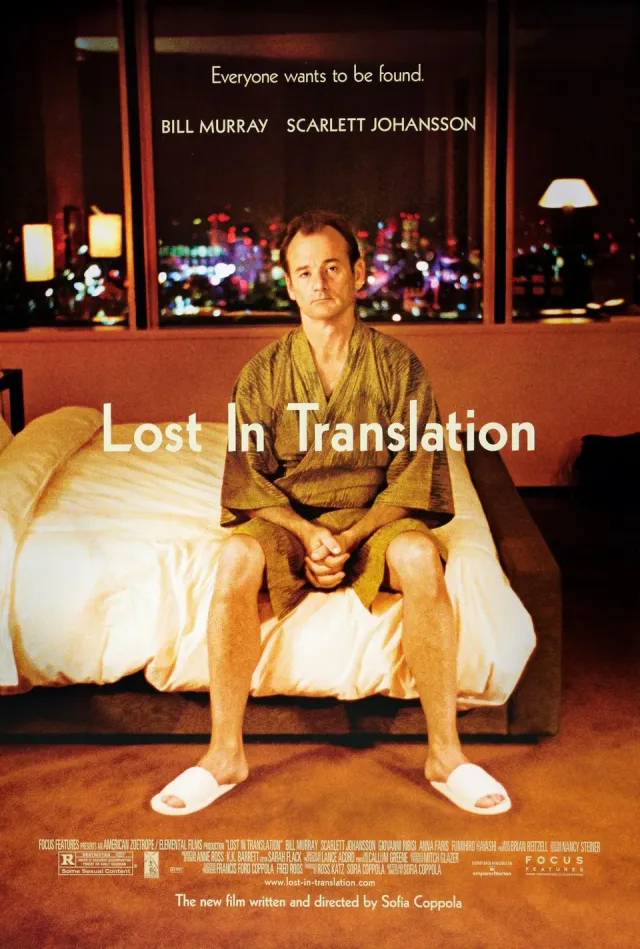
An American actor working on an advertisement in Tokyo meets a young woman accompanying a husband whose work leaves her largely alone. Dislocation, insomnia and uncertainty about their marriages create a companionship neither expected to find. Their shared movement through the city offers temporary relief from the roles awaiting them elsewhere, while the knowledge that the encounter is brief keeps affection poised between possibility and restraint.
Separate romantic disappointments generate eccentric routines and unexpected encounters within the same city.
Why this matches +
These films explore a related idea in a different setting, genre or style.
An adjacent discovery: a related idea with a different viewing experience.
Genres: Romance / Drama
Shared film traits
Based on recorded story, mood and style. Your preferences can change the order.
What changes Its own story: Separate romantic disappointments generate eccentric routines and unexpected encounters within the same city.
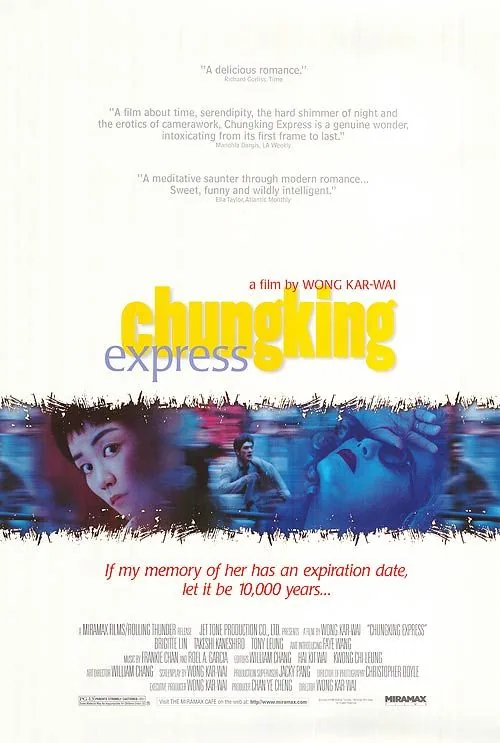
Two Hong Kong policemen deal with romantic disappointment in separate, loosely connected stories. One becomes fascinated by a mysterious woman while measuring loss through arbitrary expiry dates; another fails to notice how a snack-bar worker is quietly changing his apartment and routines. Urban movement and private rituals turn near encounters into portraits of loneliness and the unpredictable possibility of connection.
An episodic passage through fashionable and intimate encounters repeatedly raises possibilities of meaning that the protagonist observes more readily than he sustains.
Why this matches +
These films explore a related idea in a different setting, genre or style.
An adjacent discovery: a related idea with a different viewing experience.
Genres: Drama / Comedy
Shared film traits
Based on recorded story, mood and style. Your preferences can change the order.
What changes Its own story: An episodic passage through fashionable and intimate encounters repeatedly raises possibilities of meaning that the protagonist observes more readily than he sustains.
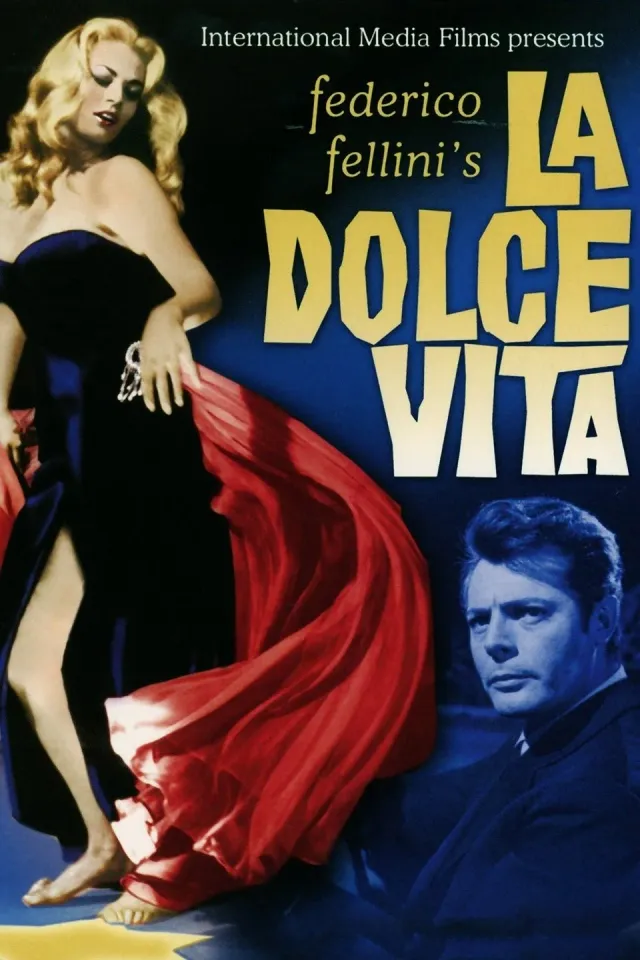
A journalist moves through Rome's celebrity circles, private parties and spiritual spectacles, hoping that proximity to extraordinary people will supply the meaningful life his own work keeps postponing. Encounters with lovers, an older intellectual and his visiting father offer different visions of intimacy and success. Their fragmentation exposes a growing inability to turn experience into commitment as entertainment, exhaustion and loneliness become difficult to distinguish.
A father's return from disappearance leads to a journey whose emotional destination is an account of past harm.
Why this matches +
These films explore a related idea in a different setting, genre or style.
An adjacent discovery: a related idea with a different viewing experience.
Genres: Drama
Shared film traits
Based on recorded story, mood and style. Your preferences can change the order.
What changes Its own story: A father's return from disappearance leads to a journey whose emotional destination is an account of past harm.
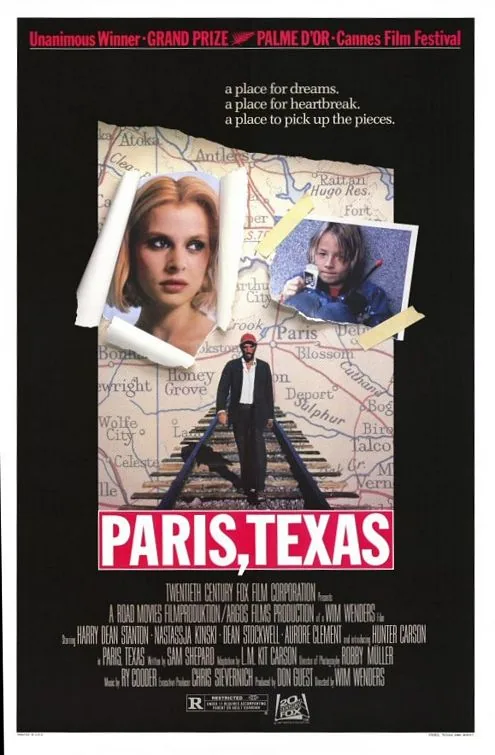
A silent man found wandering in the desert is reunited with a brother who has been raising his young son. Relearning conversation and parenthood brings fragments of a damaged family history into view. He and the boy eventually travel in search of the child's mother, but recovering contact requires confronting why the family separated and what a reunion can realistically repair.
An adult revisits family memories and a sibling's death while the film places his private grief beside an immense cosmic history.
Why this matches +
These films explore a related idea in a different setting, genre or style.
An adjacent discovery: a related idea with a different viewing experience.
Genres: Drama / Coming-of-age
Shared film traits
Based on recorded story, mood and style. Your preferences can change the order.
What changes Its own story: An adult revisits family memories and a sibling's death while the film places his private grief beside an immense cosmic history.
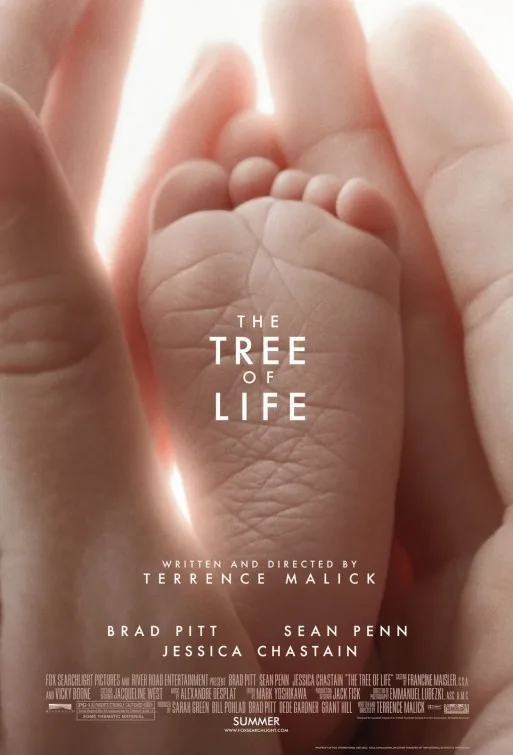
Adult Jack reflects on his childhood in 1950s Texas, where his mother's warmth and his father's strict, ambitious parenting shaped his ideas about love and power. The memory of a family loss runs through his recollections, making ordinary moments of play, discipline and sibling rivalry feel charged with questions he could not answer as a child. The film moves between Jack's present, fragmented family memories and vast images of the universe's origins, placing private grief beside the scale of creation. Rather than offer a single explanatory account of the past, it lets images, music and recurrence carry much of the emotional argument. Jack's adult search is for a way to hold anger, love and absence together.
A technological change threatens a star's livelihood and identity while someone linked to his past finds new opportunity.
Why this matches +
These films explore a related idea in a different setting, genre or style.
An adjacent discovery: a related idea with a different viewing experience.
Genres: Drama / Romance
Shared film traits
Based on recorded story, mood and style. Your preferences can change the order.
What changes Its own story: A technological change threatens a star's livelihood and identity while someone linked to his past finds new opportunity.
A celebrated silent-film actor enjoys an established public identity just as recorded dialogue begins changing the industry around him. A young performer he briefly helps adapts to the new medium, and their careers move in opposite directions. Pride and fear make offers of assistance difficult to accept, turning professional obsolescence into a private crisis about whether affection can survive unequal success.
A stalled production forces an artist to confront the personal evasions he has tried to convert into creative authority.
Why this matches +
These films explore a related idea in a different setting, genre or style.
An adjacent discovery: a related idea with a different viewing experience.
Genres: Fantasy / Drama
Shared film traits
Based on recorded story, mood and style. Your preferences can change the order.
What changes Its own story: A stalled production forces an artist to confront the personal evasions he has tried to convert into creative authority.
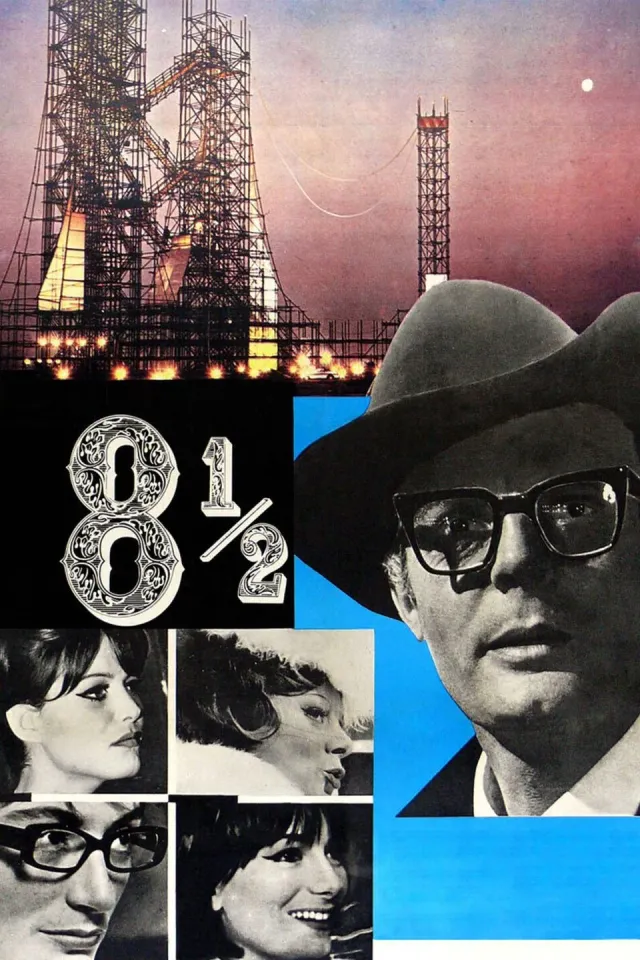
A celebrated film director arrives at a production unable to explain clearly what he intends to make. Meetings with collaborators, family and lovers send him into memories and fantasies that repeatedly interrupt professional obligations. His apparent crisis of artistic inspiration exposes a larger habit of organising other people around incompatible wishes, making the search for a coherent film inseparable from the difficulty of taking responsibility for a contradictory life.
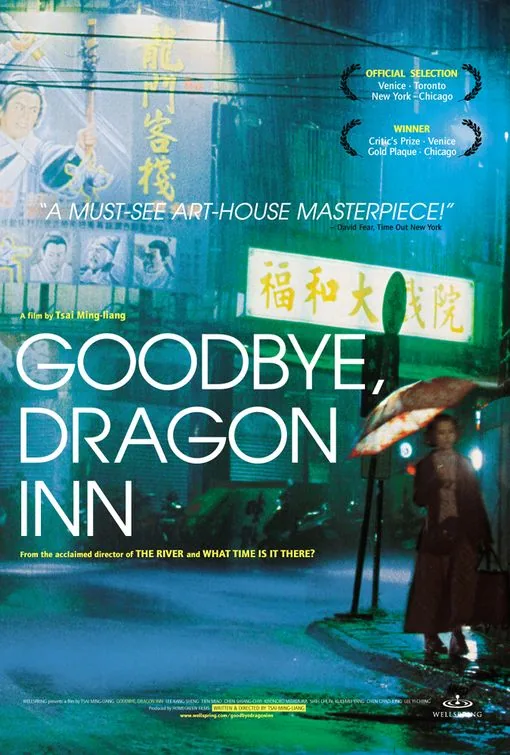
On a rainy evening, an aging Taipei cinema prepares to close after a final screening of the martial-arts film Dragon Inn. A ticket attendant moves through the nearly empty building while scattered patrons and workers share its dark corridors and auditorium. Their quiet encounters, alongside the film playing on screen, make the theater’s final night a reflection on loneliness, memory and the experience of moviegoing.
What drives the story
A theater’s final screening brings its few patrons and workers together as a familiar public space approaches closure.
The people at its centre
A ticket attendant, projectionist and isolated moviegoers move around one another with limited conversation or direct connection.
What it feels like
Extended shots and ambient sounds let the architecture and the act of watching carry a tender sense of passing time.
Worth knowing
Despite featuring a martial-arts film within it, the surrounding story is a slow observational drama rather than an action movie.
Cinema and memoryLonelinessChange
Mood
Quiet · Melancholic · Observant
Pacing
Very slow · Contemplative
Visual style
Long takes · Dim theatrical interiors
Storytelling
Closing cinema · Final screening · Parallel encounters