Explore films connected to Reis through Political identity, Family and ambition, Public memory. Choose the qualities you want to carry into your next watch.
What should feel similar?
Find your next favourite
9 films · Closest overall matches
Hide films you’ve seen or don’t want. Saved on this device.
No matches for this combination yet.
Try another option or reset your choices to see more films.
Based on recorded story, mood and style. Your preferences can change the order.
What changes Reis: chronological life episodes, historical and political exposition and public figure portrait. Battle for Sevastopol: chronological and war-driven.
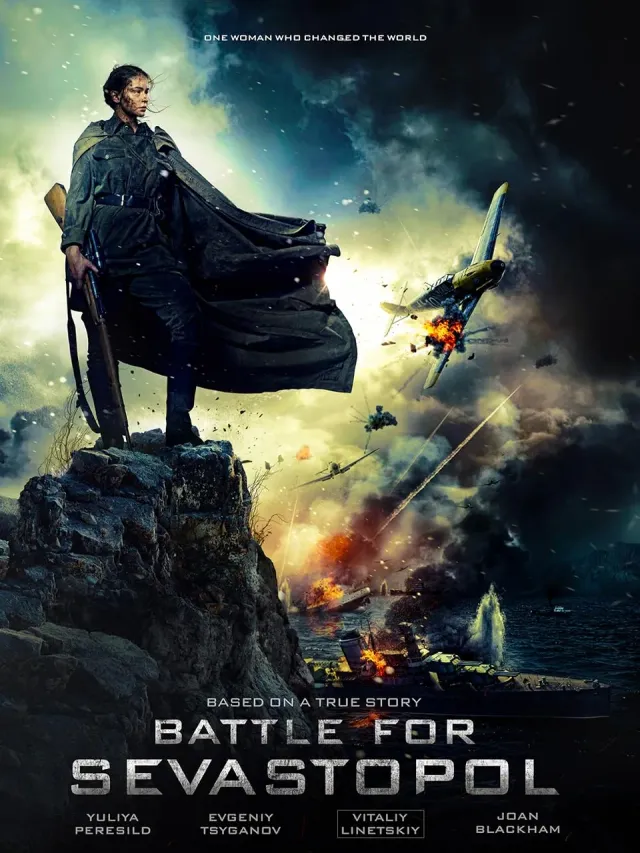
The film follows Lyudmila Pavlichenko from her studies in Kyiv into the Soviet army, where her skill as a sniper brings her to the Eastern Front. Her wartime service, relationships and later public advocacy take shape amid escalating violence and political pressure. Sergey Mokritsky combines a biographical portrait with large battle scenes, emphasizing both the cost of conflict and the way a woman’s achievements become part of a larger public narrative.
Based on recorded story, mood and style. Your preferences can change the order.
What changes Reis: chronological life episodes, historical and political exposition and public figure portrait. The Kashmir Files: intercut present and past and speech-driven climax.
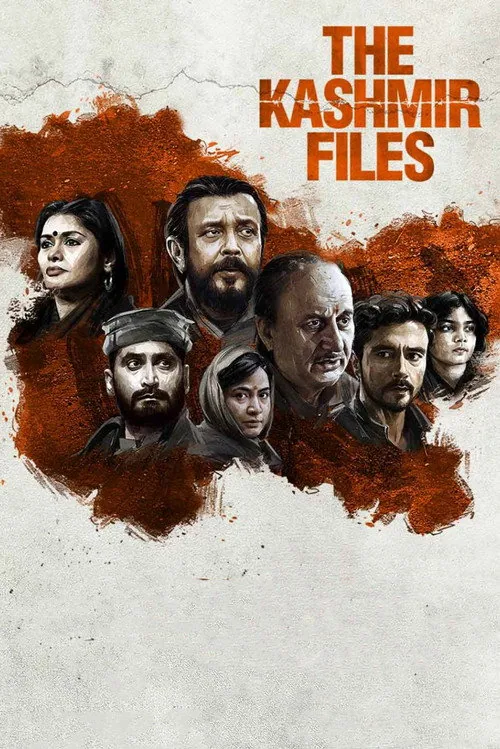
After his exiled grandfather dies, a Kashmiri Hindu student begins re-examining the story he was taught about his parents and the family’s departure from the Kashmir Valley. The film moves between his present-day search and dramatized events from 1989–90. Its historical framing is disputed, so the drama is best understood as a forceful film perspective on displacement, memory, and political responsibility.
Based on recorded story, mood and style. Your preferences can change the order.
What changes Reis: chronological life episodes, historical and political exposition and public figure portrait. The Iceman: chronological rise and fall, tense and crime-driven.
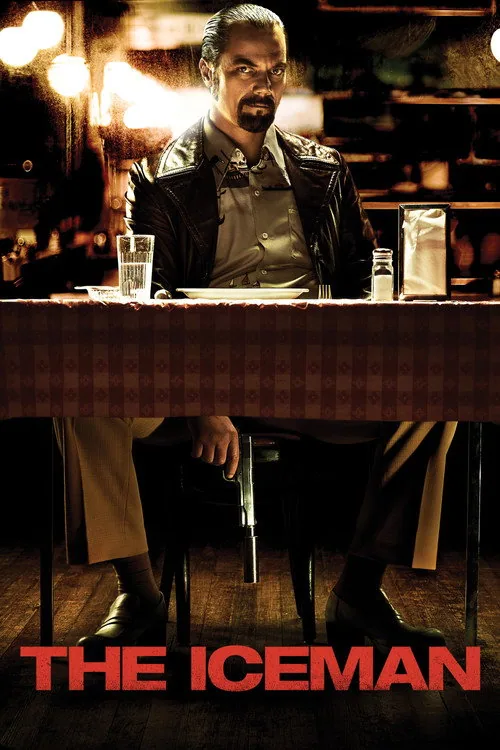
Richard Kuklinski maintains the image of a successful family man while secretly becoming a contract killer for organized crime. His work grows more dangerous as he forms uneasy partnerships and conceals his violent life from his wife and daughters. When gang disputes and law-enforcement pressure close in, the gap between his household persona and his criminal identity becomes harder to sustain. Loosely based on Kuklinski’s life, the biographical crime drama follows decades of violence and secrecy, with attention to the damage his crimes inflict on the family he claims to protect.
Based on recorded story, mood and style. Your preferences can change the order.
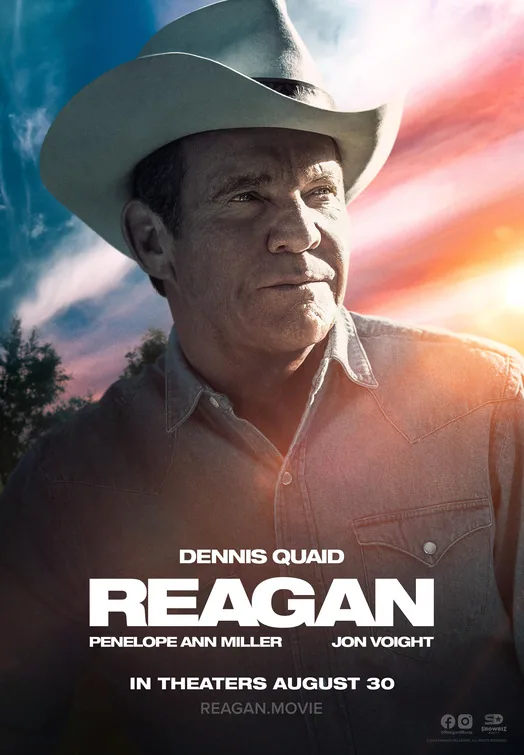
What changes Reis: chronological life episodes, historical and political exposition and public figure portrait. Reagan: a long biographical arc moves through narrated episodes and major milestones.
Framed by an interview with a former Soviet intelligence officer, the biographical film traces Ronald Reagan’s life from his early career through his presidency. Its narrative emphasizes his public persona, political convictions, and role in the late Cold War, while compressing a complicated political history into a single character arc. The drama presents Reagan as an inspirational figure, making its point of view and selective emphasis part of how the story should be read.
Based on recorded story, mood and style. Your preferences can change the order.
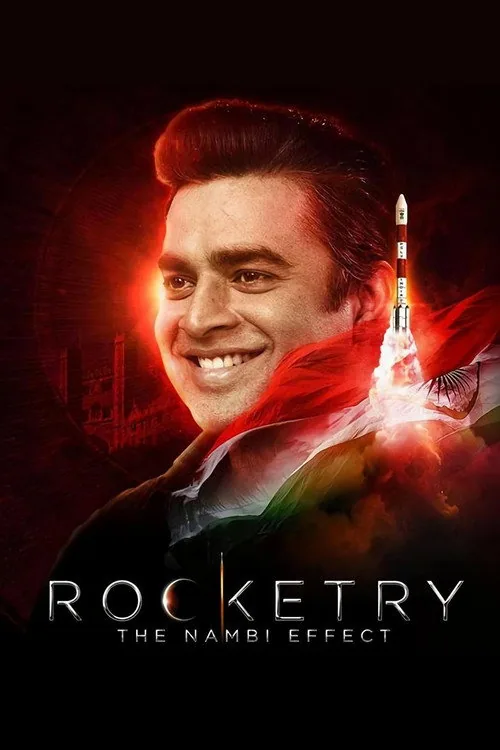
What changes Reis: chronological life episodes, historical and political exposition and public figure portrait. Rocketry: The Nambi Effect: biographical time jumps, career milestones and legal and institutional setbacks.
This biographical drama follows Indian aerospace engineer Nambi Narayanan from his early work in rocket propulsion to his role in developing cryogenic technology for the national space program. A police investigation and espionage accusations interrupt his career, putting his family and reputation under pressure while his scientific ambitions remain tied to India's future in space. The film follows decades of professional achievement and public controversy through the perspective of a scientist confronting an institution and a case that threaten to define his life.
Based on recorded story, mood and style. Your preferences can change the order.
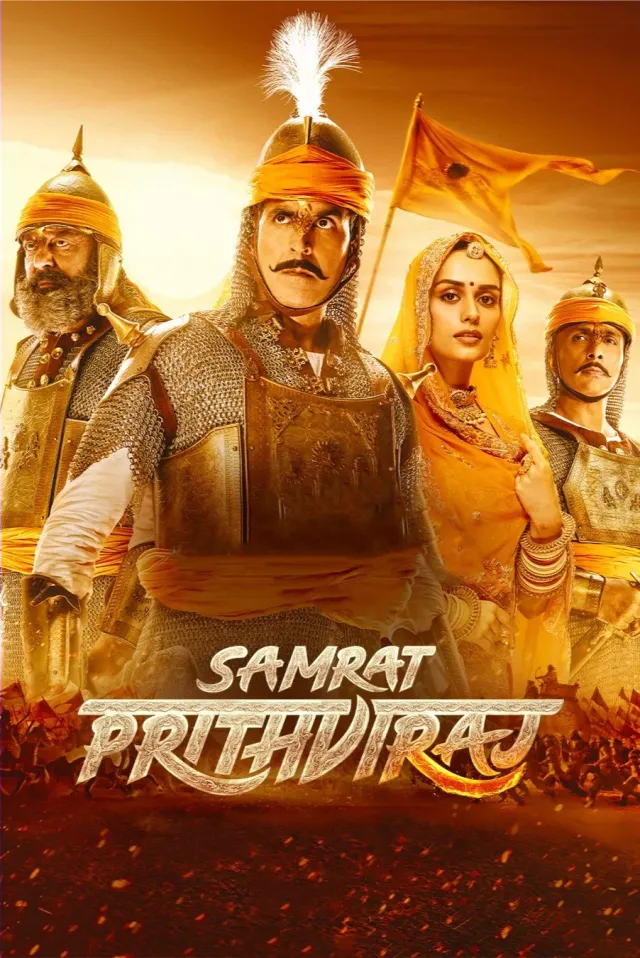
What changes Reis: chronological life episodes, historical and political exposition and public figure portrait. Samrat Prithviraj: legendary opening and courtship, campaigns and court intrigue and war-driven tragic conclusion.
The film dramatizes the life of twelfth-century ruler Prithviraj Chauhan, framing his military campaigns alongside his romance with Princess Sanyogita and disputes among neighboring rulers. After victories over Muhammad Ghori, Prithviraj becomes entangled in court rivalries and shifting alliances that weaken the political unity needed to face a renewed invasion. The story moves from royal courtship and statecraft to battles and captivity, presenting a large-scale Hindi historical epic based on the legendary account in Prithviraj Raso.
Based on recorded story, mood and style. Your preferences can change the order.
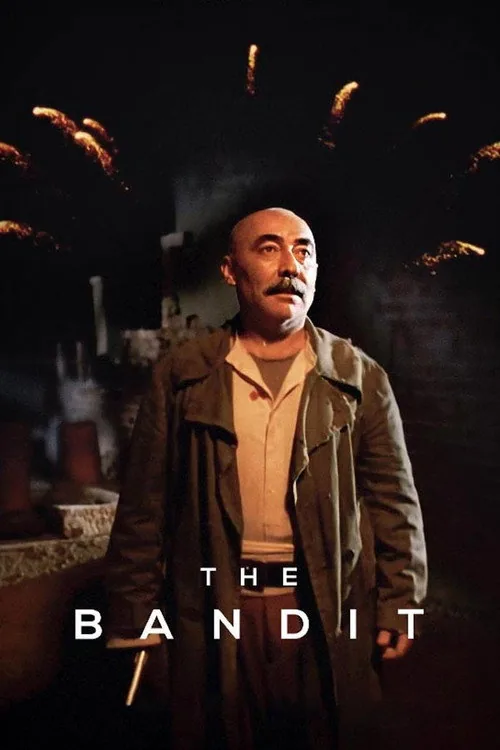
What changes Reis: chronological life episodes, historical and political exposition and public figure portrait. The Bandit: character-led crime drama, gradual emotional revelations and interwoven generational stories.
Baran is released after spending 35 years in prison for a crime committed with members of his bandit crew, and he travels to Istanbul to find the former companions who betrayed him and the woman he loved. There he crosses paths with Cumali, a young man caught up in the city’s criminal life. Yavuz Turgul’s Turkish drama contrasts an older outlaw’s code and lost past with the pressures of modern urban life, mixing crime, friendship, romance, and melancholy.
Based on recorded story, mood and style. Your preferences can change the order.
What changes Reis: chronological life episodes, historical and political exposition and public figure portrait. Farha: slow-building, contained and tension through waiting.
In 1948, fourteen-year-old Palestinian Farha hopes to continue her education in the city, while her father expects her to marry. When violence reaches their village, he locks her in a storage room for safety and promises to return. From that confined space, Farha hears and witnesses the danger around her as hours pass without news. Darin J. Sallam’s historical drama focuses on a young person’s experience of the Nakba through a restricted viewpoint and a true-story inspiration.
Based on recorded story, mood and style. Your preferences can change the order.
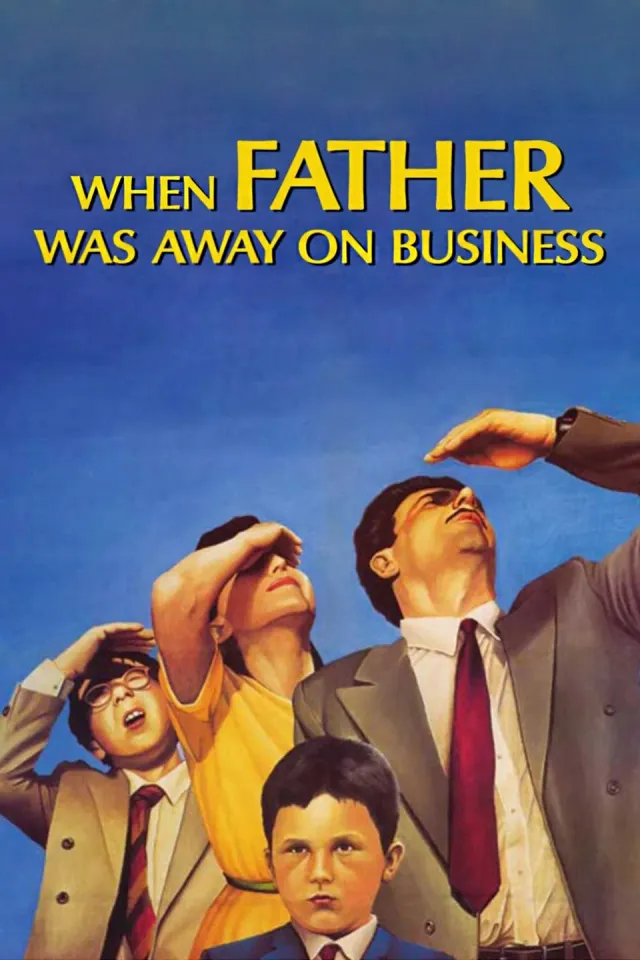
What changes Reis: chronological life episodes, historical and political exposition and public figure portrait. When Father Was Away on Business: episodic and gradual awareness.
In postwar Yugoslavia, young Malik experiences family life through the shifting explanations adults provide when his father Meša is sent away to a labor camp. The official account of the absence is not the same as the truth, and the family must adapt to a political system that reaches into private relationships. Malik’s childhood games and first attachments continue alongside a growing awareness that adult loyalties can be dangerous. Emir Kusturica’s film frames political pressure through an observant child’s partial understanding rather than through a conventional account of state institutions. The camera stays close to Malik, so political danger arrives as rumors, separations and changed routines. Adults guard their language because a child's innocence cannot shield the family.
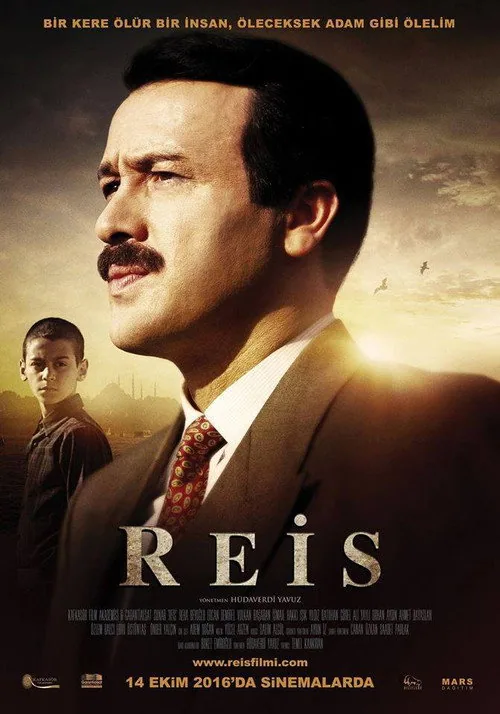
This Turkish biographical drama, released in 2017, draws on the early life and political rise of Recep Tayyip Erdoğan. It depicts his childhood in Istanbul, family background, and experiences that precede his national leadership, presenting a dramatized account rather than a neutral documentary. Hüdaverdi Yavuz’s film uses a straightforward biographical structure and is closely tied to contemporary Turkish political debate, so its point of view and claims should be understood as an interpretation of a living political figure’s public story.
What drives the story
The film traces selected episodes from Erdoğan’s childhood and early life to frame the development of a future political leader.
The people at its centre
Family, community, and political allies appear in relation to the central figure’s ambitions and public identity.
What it feels like
A conventional biographical structure presents a politically charged portrait whose interpretation matters as much as its period detail.
Worth knowing
It is a dramatized Turkish biopic released in 2017, distinct from a documentary or an impartial survey of contemporary Turkish politics.
Political identityFamily and ambitionPublic memory
Mood
Biographical · Solemn · Politically charged
Pacing
Chronological life episodes · Historical and political exposition · Public figure portrait
Visual style
Turkish period settings · Conventional biographical staging · Public and domestic scenes
Storytelling
Early life of political leader dramatized · Family and city shape formative years · Biographical narrative follows public ascent