Based on recorded story, mood and style. Your preferences can change the order.
War and civilian life
What changes The Six Triple Eight: mission-driven, forward-moving and episodic. The Big Red One: episodic, campaign-spanning, alternating action and quiet and retrospective.
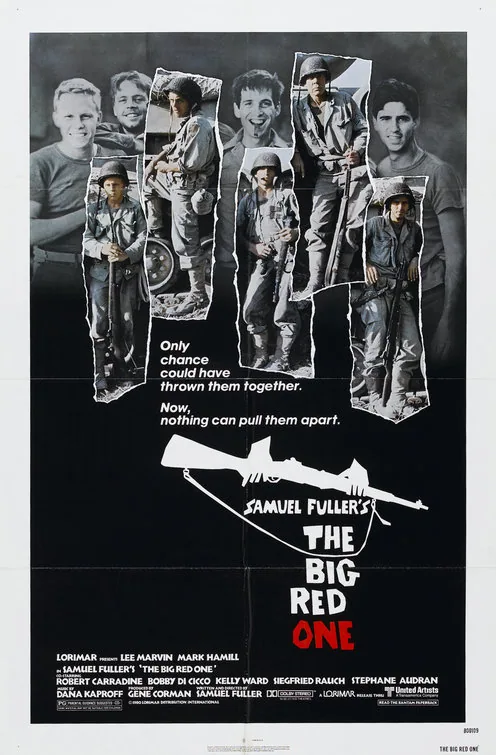
A veteran sergeant leads a small squad of U.S. infantrymen across the major European and North African campaigns of World War II. The men move from one landing and battlefield to another, trying to survive a war that repeatedly replaces their sense of ordinary life with brief pauses and renewed combat. Griff, a trained artist, Zab, an aspiring writer, and their companions absorb the shock of violence in different ways, while the sergeant’s experience keeps the group moving. The film follows the squad’s long campaign through a succession of episodes rather than a single decisive battle.
Based on recorded story, mood and style. Your preferences can change the order.
War and civilian life
What changes The Six Triple Eight: mission-driven, forward-moving and episodic. Merry Christmas, Mr. Lawrence: slow-burn, conversation-led, rising institutional tension and ceremonial climax.
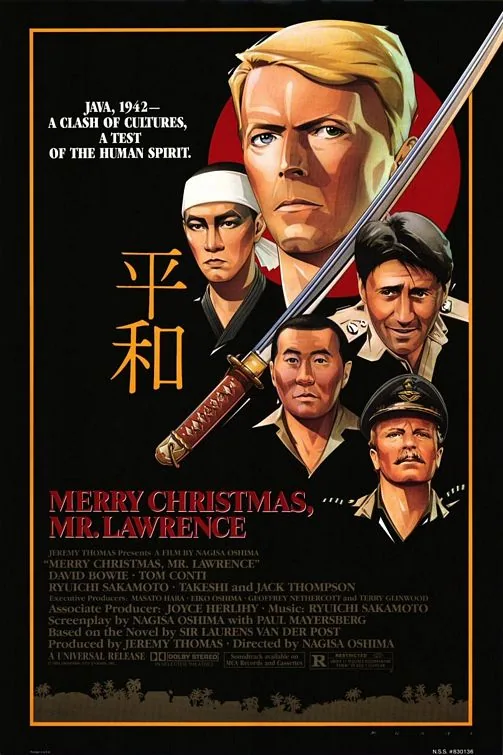
In 1942, British prisoners of war are held at a Japanese-run camp on Java under Captain Yonoi, whose strict ideas of honor leave little room for dissent. Lieutenant Colonel John Lawrence, fluent in Japanese, attempts to mediate between captives and guards, while the abrasive Group Captain Hicksley resists pressure to identify specialists among the prisoners. The arrival of Major Jack Celliers unsettles Yonoi and exposes the shame behind his command. Sergeant Hara’s unexpectedly humane exchanges with Lawrence further complicate the camp’s hierarchy. Disputes over discipline, loyalty and ceremony build toward a public act that changes the balance of power and the prisoners’ prospects.
Based on recorded story, mood and style. Your preferences can change the order.
Work and ambition · Social hierarchy
What changes The Six Triple Eight: mission-driven, forward-moving and episodic. The Best of Enemies: meeting-centered debate, personal turning points and historical resolution.
In 1971 Durham, North Carolina, civil-rights organizer Ann Atwater campaigns for better conditions for Black residents while segregation shapes the schools and public life. After a school fire intensifies local conflict, organizer Bill Riddick asks Ann and Ku Klux Klan leader C. P. Ellis to co-chair a series of community meetings about desegregation. The dramatized account follows their antagonism, the deliberations, and the personal and political pressures surrounding the vote.
Based on recorded story, mood and style. Your preferences can change the order.
Social hierarchy · Family and care
What changes The Six Triple Eight: mission-driven, forward-moving and episodic. The Inspection: compressed, training-driven, tense and emotionally direct.
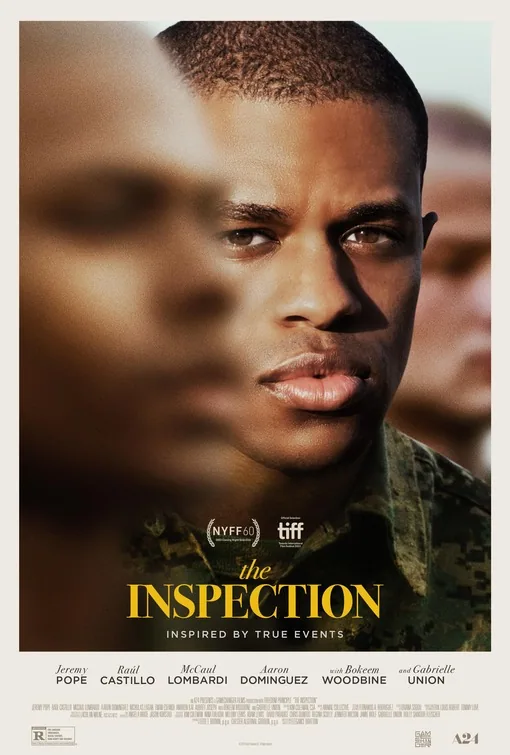
Ellis French, a young Black gay man estranged from his mother, enlists in the Marines and begins boot camp at Parris Island. His physical ability helps him meet the demands of training, but harassment and violent hazing expose the pressures placed on recruits who do not fit the institution’s expectations. The film draws on writer-director Elegance Bratton’s experience to examine the search for belonging inside a rigid system and the complicated hope of being accepted by family.
Based on recorded story, mood and style. Your preferences can change the order.
War and civilian life
What changes The Six Triple Eight: mission-driven, forward-moving and episodic. The Guernsey Literary and Potato Peel Pie Society: epistolary invitation, island investigation and romantic resolution.
In postwar London, writer Juliet Ashton receives a letter from Dawsey Adams, a resident of Guernsey who belongs to an unusual book club formed during the German occupation. Curious about the islanders' experiences and the missing founder, Juliet travels to Guernsey to learn their story. Her reporting brings her into the lives of the society's members and complicates her existing engagement. The period romance combines literary community, wartime memory, and a search for personal belonging.
Based on recorded story, mood and style. Your preferences can change the order.
War and civilian life
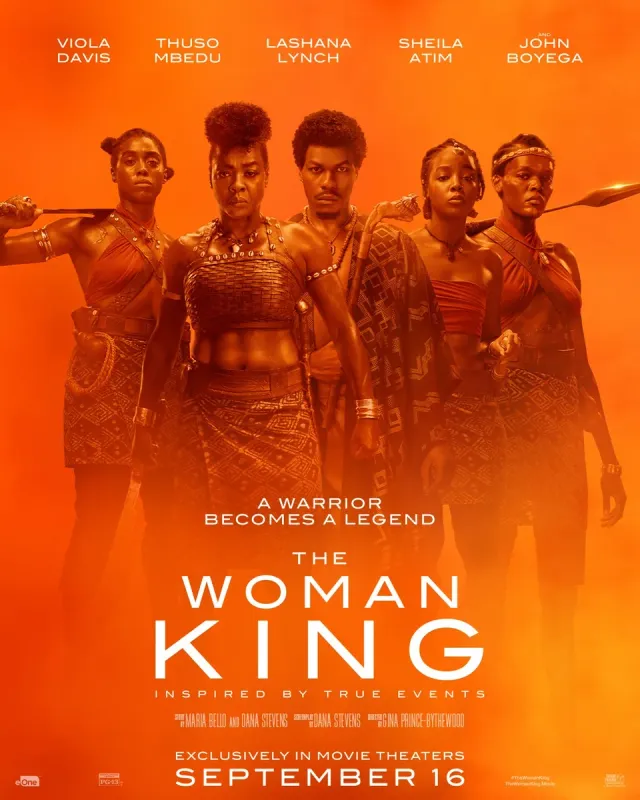
What changes The Six Triple Eight: mission-driven, forward-moving and episodic. The Woman King: training arc into large-scale battles.
In the 1820s Kingdom of Dahomey, General Nanisca trains a new group of women warriors as the Agojie face conflict with the Oyo Empire and the expanding slave trade. Recruit Nawi resists the role expected of her and gradually finds a place among the soldiers. The historical action drama centers women’s military skill and solidarity while dramatizing political choices and a violent period of West African history.
Based on recorded story, mood and style. Your preferences can change the order.
War and civilian life · Family and care
What changes The Six Triple Eight: mission-driven, forward-moving and episodic. Beanpole: character-driven, quiet tension and emotional ruptures.
In the aftermath of the Second World War, nurse Iya works in a crowded Leningrad hospital while coping with episodes that temporarily immobilize her. Masha returns from the front and resumes a complicated relationship with Iya, whose life has become entangled with the cost of war. As the women try to imagine a future in a damaged city, their bond is shaped by trauma, dependence, desire, and conflicting ideas about motherhood.
Based on recorded story, mood and style. Your preferences can change the order.
War and civilian life · Family and care
What changes The Six Triple Eight: mission-driven, forward-moving and episodic. Causeway: slow, observational, understated and patient.
Army engineer Lynsey is recovering from a traumatic brain injury after deployment and hopes to return to military duty. When she must move back to New Orleans, ordinary tasks and memories make adjustment difficult. She finds a job cleaning pools and forms an unexpected friendship with James, an auto mechanic dealing with his own physical injury and grief. The film gives their conversations and gradual trust more weight than a conventional recovery arc.
Based on recorded story, mood and style. Your preferences can change the order.
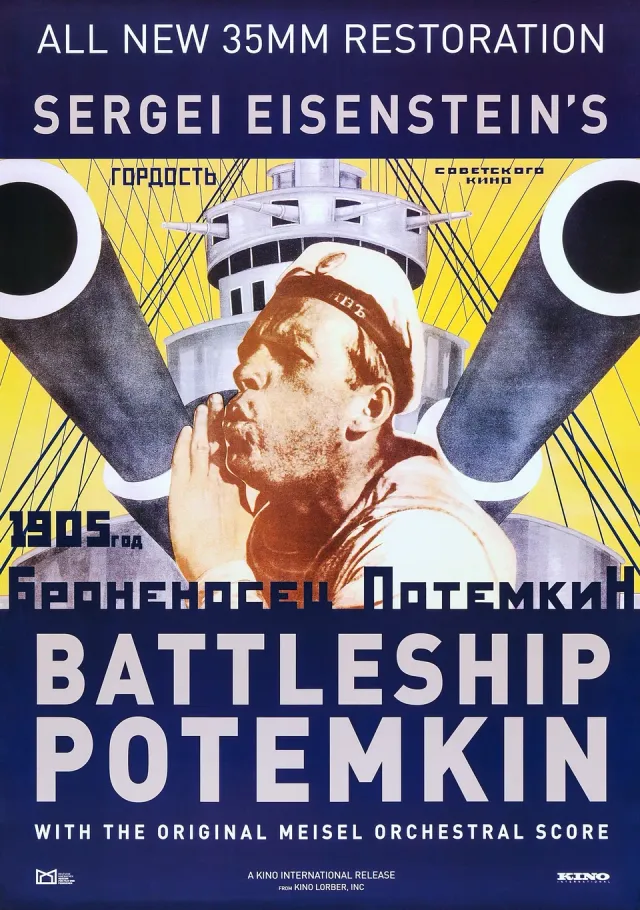
What changes The Six Triple Eight: mission-driven, forward-moving and episodic. Battleship Potemkin: intense.
Sailors subjected to degrading conditions challenge the officers commanding their ship, and a confrontation over rotten food becomes a catalyst for mutiny. Public mourning and solidarity in a nearby port place the uprising inside a wider struggle over state violence. The film arranges bodies, crowds and abrupt collisions of images into a deliberately political account in which collective feeling becomes as important as the actions of any named individual.
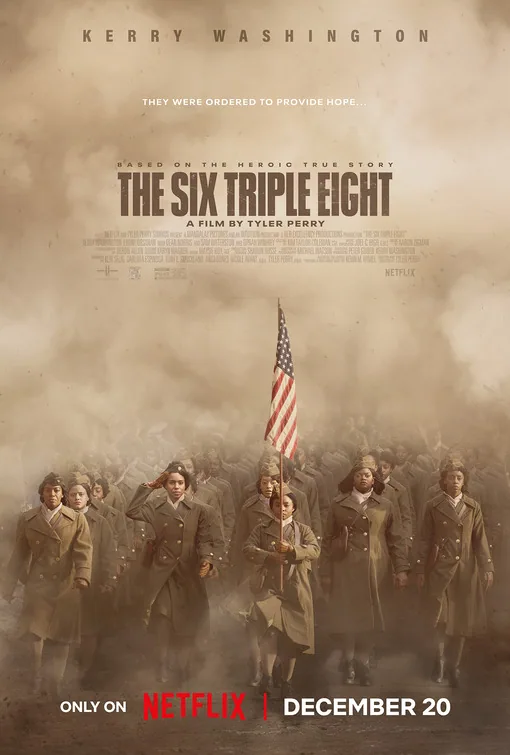
During the Second World War, the 6888th Central Postal Directory Battalion, an all-Black and all-women U.S. Army unit, is sent to Britain to clear a huge backlog of undelivered mail. Major Charity Adams leads the unit through severe working conditions, racism and skepticism about its assignment. The women organize an efficient operation that reconnects service members with loved ones, while the story follows the leadership, discipline and solidarity required to make their contribution visible.
What drives the story
A Black women's Army battalion is tasked with clearing a vast backlog of military mail overseas.
The people at its centre
Major Adams leads a capable unit whose members face both military obstacles and racial discrimination.
What it feels like
The postal operation gives the ensemble a practical shared goal and connects wartime service to families at home.
Worth knowing
Its central achievement is logistical labor and collective leadership rather than battlefield combat.
serviceracial justicegender
Mood
resolute · uplifting · warm · dramatic
Pacing
mission-driven · forward-moving · episodic
Visual style
period military settings · ensemble staging · warm interiors · procedural work scenes
Storytelling
wartime unit story · postal mission · ensemble leadership · historical recovery