Former technology insiders describe how platforms capture attention and predict behavior; a fictional family illustrates possible effects on users.
Why this matches +
These films share important themes, atmosphere or storytelling interests with this selection.
Genres: Documentary / Drama
Shared film traits
Based on recorded story, mood and style. Your preferences can change the order.
What changes Its own story: Former technology insiders describe how platforms capture attention and predict behavior; a fictional family illustrates possible effects on users.
This documentary combines interviews with former technology employees and researchers with a fictional story about a family shaped by social media. Interviewees discuss persuasive design, behavioral data, recommendation systems, advertising, misinformation, and platform incentives. The dramatized family illustrates how a teenager’s engagement can affect attention, mood, and political beliefs. Jeff Orlowski’s film makes a case about technology’s social costs, using testimony and scripted scenes to present its argument.
Poitras documents the meeting in which Snowden discloses NSA surveillance evidence to journalists and prepares to go public.
Why this matches +
These films share important themes, atmosphere or storytelling interests with this selection.
Genres: Documentary / History
Shared film traits
Based on recorded story, mood and style. Your preferences can change the order.
Investigation
What changes Its own story: Poitras documents the meeting in which Snowden discloses NSA surveillance evidence to journalists and prepares to go public.
Documentarian Laura Poitras receives encrypted messages from someone using the name Citizen Four and travels to Hong Kong with journalists Glenn Greenwald and Ewen MacAskill. There they meet Edward Snowden, who reveals classified information about government surveillance programs while protecting his identity inside a hotel room. The film records the disclosures as they unfold, including the reporters' decisions, Snowden's anxiety, and the public consequences that begin to follow. Its immediacy comes from watching an international news story develop in real time.
A platform's rapid expansion transforms collaboration and campus status competition into disputes over ownership, contribution and exclusion.
Why this matches +
These films share important themes, atmosphere or storytelling interests with this selection.
Genres: Drama / Biography
The approach A dramatic feature rather than documentary footage.
Shared film traits
Based on recorded story, mood and style. Your preferences can change the order.
What changes Its own story: A platform's rapid expansion transforms collaboration and campus status competition into disputes over ownership, contribution and exclusion.
A Harvard student's response to rejection and social competition leads him from an intrusive campus website to a rapidly expanding social platform. Growth brings investment, influence and disputes over who supplied the original idea and who deserves control. Intercut legal testimony revisits apparently decisive choices from incompatible positions, making the achievement of public connection coexist with broken friendships and a persistent private desire for recognition.
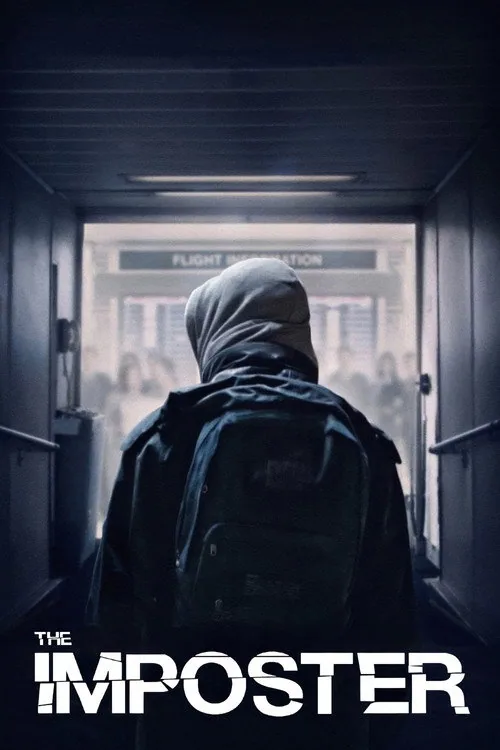
The film follows Bourdin's claim to be missing teen Nicholas Barclay and traces the questions raised when relatives accept him as their own.
Why this matches +
These films share important themes, atmosphere or storytelling interests with this selection.
Genres: Documentary / Crime
Shared film traits
Based on recorded story, mood and style. Your preferences can change the order.
What changes Its own story: The film follows Bourdin's claim to be missing teen Nicholas Barclay and traces the questions raised when relatives accept him as their own.
This documentary examines how Frédéric Bourdin, a French serial impostor, convinced a Texas family that he was their missing teenage son Nicholas Barclay, who had disappeared years earlier. Interviews with Bourdin, relatives, investigators, and others involved are interwoven with staged reconstructions of key events. As the deception comes apart, the film explores why the family accepted an adult stranger whose appearance and accent differed from the missing boy, leaving viewers to weigh grief, testimony, and suspicion without a simple explanation.
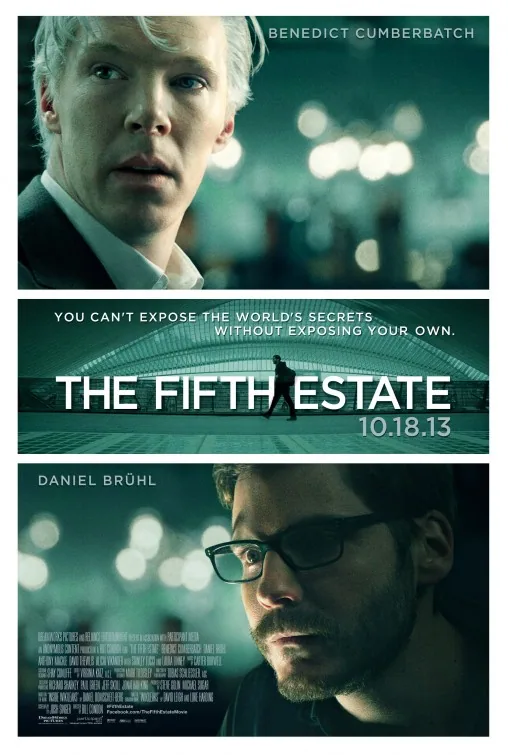
Two collaborators build a leak-publishing platform and clash over how to handle sensitive documents.
Why this matches +
These films share important themes, atmosphere or storytelling interests with this selection.
Genres: Drama / Thriller
The approach A dramatic feature rather than documentary footage.
Shared film traits
Based on recorded story, mood and style. Your preferences can change the order.
What changes Its own story: Two collaborators build a leak-publishing platform and clash over how to handle sensitive documents.
Journalist Daniel Domscheit-Berg joins WikiLeaks founder Julian Assange in building a platform for publishing confidential documents. As the organization gains attention, the collaborators disagree about verification, exposure, and the consequences of leaking material, while a major trove of diplomatic cables raises the stakes. Bill Condon's drama treats digital transparency as both a media project and a personal partnership under strain.
The documentary traces how regulatory choices and financial practices helped generate the crisis, then examines who benefited and who faced consequences.
Why this matches +
These films explore a related idea in a different setting, genre or style.
An adjacent discovery: a related idea with a different viewing experience.
Genres: Documentary / History
Shared film traits
Based on recorded story, mood and style. Your preferences can change the order.
Investigation
What changes Its own story: The documentary traces how regulatory choices and financial practices helped generate the crisis, then examines who benefited and who faced consequences.
Charles Ferguson’s documentary investigates the 2008 global financial crisis and the decisions that helped create it. Organized in five parts, it moves from deregulation and financial innovation through the housing bubble, institutional collapse, bailouts, and questions of accountability. Interviews with officials, executives, economists, and journalists are combined with narration and data to explain complex systems in accessible terms. Rather than focusing on one household or firm, the film argues that conflicts of interest and policy choices across an interconnected industry had consequences for workers, borrowers, and national economies.
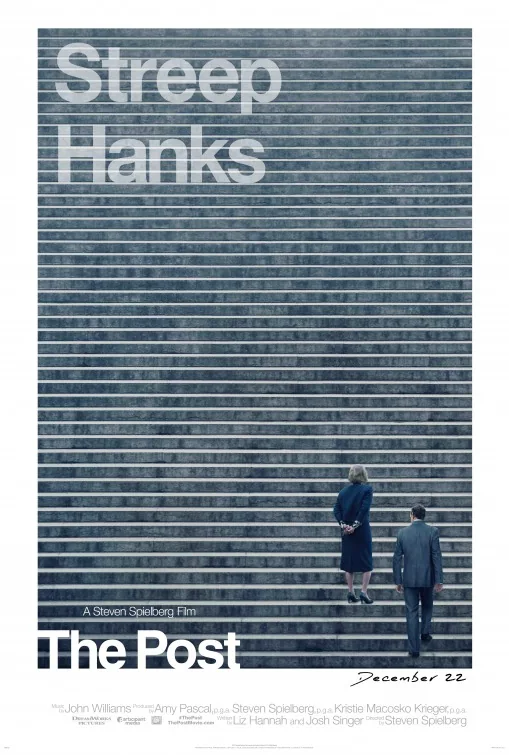
A Supreme Court fight over the Times's publication raises the stakes of the Post's own decision to print classified documents before a public offering.
Why this matches +
These films explore a related idea in a different setting, genre or style.
An adjacent discovery: a related idea with a different viewing experience.
Genres: Drama / Thriller
The approach A dramatic feature rather than documentary footage.
Shared film traits
Based on recorded story, mood and style. Your preferences can change the order.
Investigation
What changes Its own story: A Supreme Court fight over the Times's publication raises the stakes of the Post's own decision to print classified documents before a public offering.
In 1971, Washington Post publisher Katharine Graham weighs the future of the paper as it prepares for a public stock offering and faces pressure from the Nixon administration. After the New York Times is enjoined from publishing the Pentagon Papers, editor Ben Bradlee pushes the Post to obtain and print the documents. Graham must decide whether the paper's duty to readers outweighs legal risk, possible criminal charges and the financial exposure of a company about to go public. Reporters work to verify the leak while lawyers and board members argue over what can safely be published. The story follows a newsroom making an institutional choice under a deadline, with Graham's authority changing as she moves from social and business constraints toward editorial responsibility.
The film follows the promotion, rushed preparation, and collapse of an event whose image was far more complete than its infrastructure.
Why this matches +
These films explore a related idea in a different setting, genre or style.
An adjacent discovery: a related idea with a different viewing experience.
Genres: Documentary / Crime
Shared film traits
Based on recorded story, mood and style. Your preferences can change the order.
Investigation
What changes Its own story: The film follows the promotion, rushed preparation, and collapse of an event whose image was far more complete than its infrastructure.
This documentary reconstructs the failed Fyre Festival, a luxury music event promoted for a private Bahamian island but delivered as a chaotic camp after ticket buyers arrived. Interviews and behind-the-scenes footage show how founder Billy McFarland and his team sold an aspirational image through social media while lacking the infrastructure to support it. Local workers, vendors, performers, and guests describe the costs of the collapse. The film examines influencer marketing, startup bravado, and the gap between a polished online promise and material reality.
The documentary traces common food products through industrial production systems and asks how corporate practices affect workers, consumers, and the environment.
Why this matches +
These films explore a related idea in a different setting, genre or style.
An adjacent discovery: a related idea with a different viewing experience.
Genres: Documentary
Shared film traits
Based on recorded story, mood and style. Your preferences can change the order.
Investigation
What changes Its own story: The documentary traces common food products through industrial production systems and asks how corporate practices affect workers, consumers, and the environment.
This documentary examines the industrial food system in the United States, moving from large-scale meat production to grain and vegetable farming and the companies that control much of the supply chain. Interviews with writers, farmers, workers, and advocates consider how corporate efficiency affects food quality, animal welfare, labor, the environment, and consumer choice. The film links everyday supermarket products to hidden production practices and asks viewers to consider how regulation, purchasing habits, and concentrated corporate power shape what people eat.
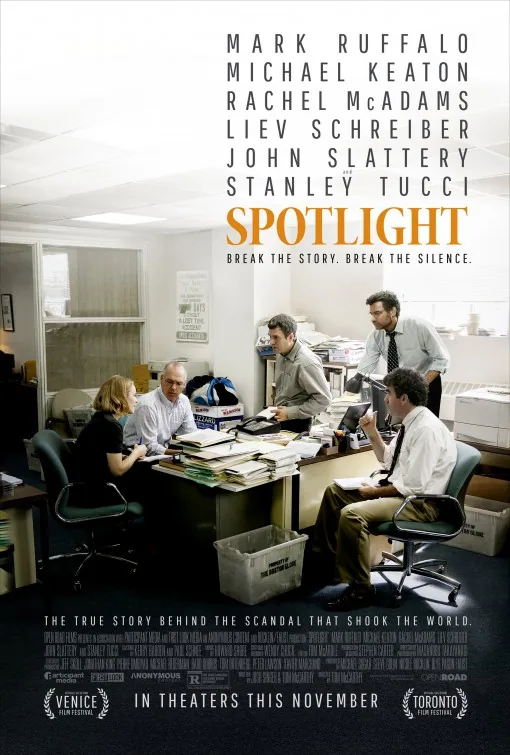
A local allegation expands into an investigation of systematic concealment, requiring documentary proof of institutional knowledge rather than another isolated accusation.
Why this matches +
These films explore a related idea in a different setting, genre or style.
An adjacent discovery: a related idea with a different viewing experience.
Genres: Drama / Biography
The approach A dramatic feature rather than documentary footage.
Shared film traits
Based on recorded story, mood and style. Your preferences can change the order.
Investigation
What changes Its own story: A local allegation expands into an investigation of systematic concealment, requiring documentary proof of institutional knowledge rather than another isolated accusation.
A newspaper's investigative team begins examining allegations against a Boston priest and encounters a pattern extending far beyond an individual offence. Reporters work through court records, reluctant witnesses and professional networks while institutional resistance repeatedly narrows what can be made public. The inquiry also forces them to confront how their own organisation previously missed opportunities to act, making publication a test of collective responsibility as well as evidentiary persistence.
Small inconsistencies accumulate into a publishable case through interviews, documents and repeated verification.
Why this matches +
These films explore a related idea in a different setting, genre or style.
An adjacent discovery: a related idea with a different viewing experience.
Genres: Drama / Thriller
The approach A dramatic feature rather than documentary footage.
Shared film traits
Based on recorded story, mood and style. Your preferences can change the order.
Investigation
What changes Its own story: Small inconsistencies accumulate into a publishable case through interviews, documents and repeated verification.
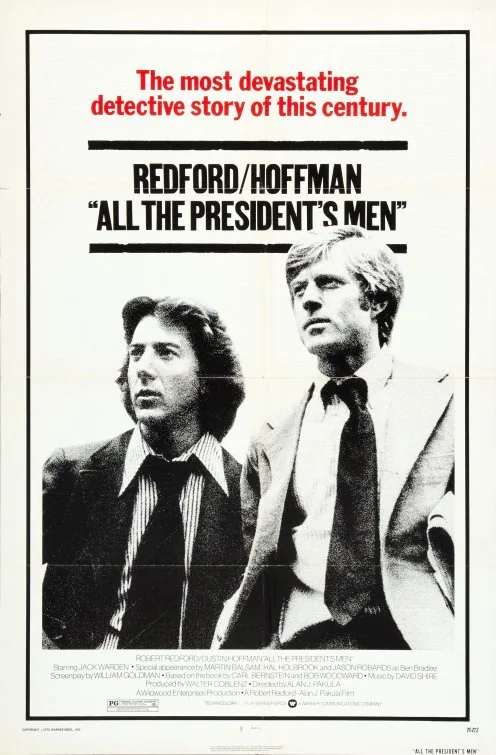
Two newspaper reporters investigate a burglary whose apparently minor details lead towards senior political figures. Interviews, records and reluctant sources gradually reveal a larger operation, but each claim requires corroboration before publication. Their progress depends less on a single revelation than on patient persistence inside a newsroom negotiating evidence, risk and the pressure exerted by powerful people.
A suspicious death leads a reporter through political relationships and corporate interests that resist a simple explanation.
Why this matches +
These films explore a related idea in a different setting, genre or style.
An adjacent discovery: a related idea with a different viewing experience.
Genres: Drama / Thriller
The approach A dramatic feature rather than documentary footage.
Shared film traits
Based on recorded story, mood and style. Your preferences can change the order.
Investigation
What changes Its own story: A suspicious death leads a reporter through political relationships and corporate interests that resist a simple explanation.
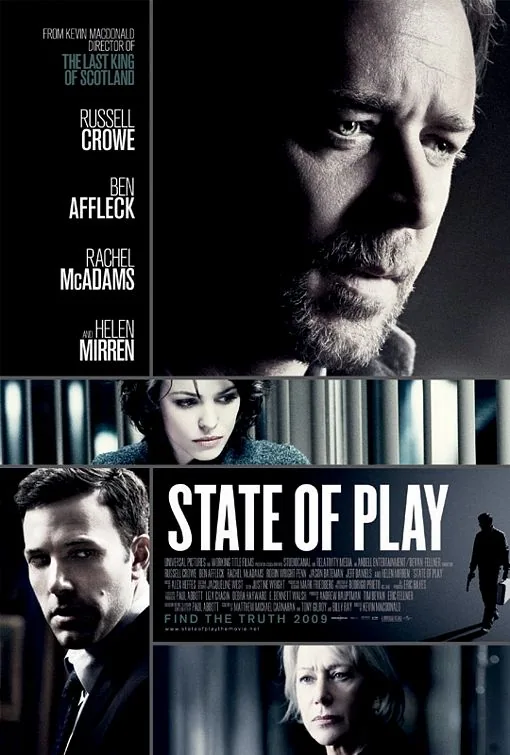
A veteran newspaper reporter investigates the death of a congressional aide and discovers connections to the congressman’s private life and a defense contractor. His work intersects with a political blogger and editor as sources offer conflicting accounts and pressure grows to publish quickly. The newsroom thriller examines evidence, friendship and the cost of public scrutiny, while treating reporting as a process that can expose power but also damage people close to the reporter.
A newsroom's evidence-based challenge to political intimidation tests how far a commercial broadcaster will support the independence it publicly endorses.
Why this matches +
These films explore a related idea in a different setting, genre or style.
An adjacent discovery: a related idea with a different viewing experience.
Genres: Drama / History
The approach A dramatic feature rather than documentary footage.
Shared film traits
Based on recorded story, mood and style. Your preferences can change the order.
Investigation
What changes Its own story: A newsroom's evidence-based challenge to political intimidation tests how far a commercial broadcaster will support the independence it publicly endorses.
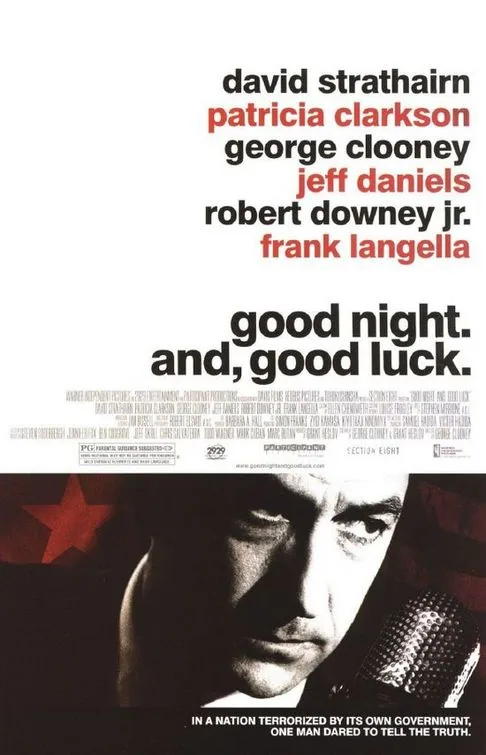
A television news team challenges accusations and procedures associated with Senator McCarthy while working inside a network vulnerable to sponsors and political pressure. Decisions about evidence, wording and airtime make editorial independence a practical risk rather than an abstract professional virtue. Personal consequences unfold around the broadcasts, including scrutiny of colleagues whose lives do not fit institutional rules. The restrained historical drama presents journalism as coordinated work whose public authority depends on choices made under commercial and political constraint.
Ratings convert Beale's breakdown into a product, and every attempt to restore control becomes another negotiation between truth, profit and public appetite.
Why this matches +
These films explore a related idea in a different setting, genre or style.
An adjacent discovery: a related idea with a different viewing experience.
Genres: Drama / Comedy
The approach A dramatic feature rather than documentary footage.
Shared film traits
Based on recorded story, mood and style. Your preferences can change the order.
What changes Its own story: Ratings convert Beale's breakdown into a product, and every attempt to restore control becomes another negotiation between truth, profit and public appetite.
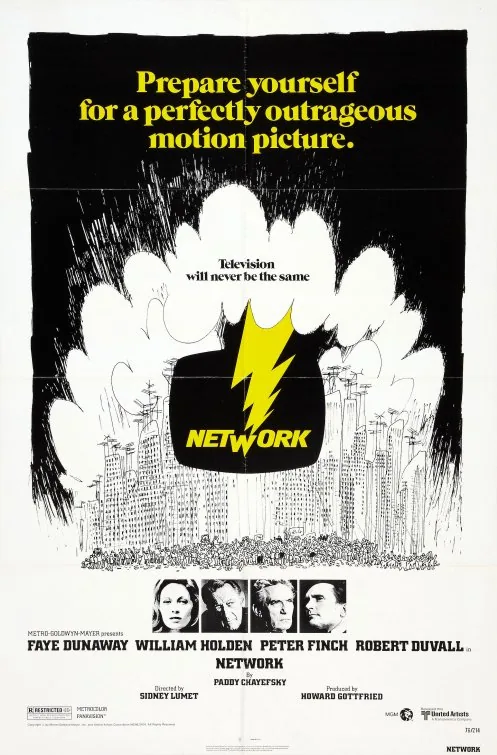
When veteran news anchor Howard Beale learns he will be dismissed, he announces on air that he will kill himself, then turns a farewell broadcast into an angry ratings sensation. Network executive Diana Christensen sells the outburst as entertainment, while division president Max Schumacher worries about the erosion of journalism and begins an affair with her. As Beale's populist persona grows, corporate leaders exploit his audience and eventually object when his message threatens a merger. The network answers a business problem with a lethal programming decision, turning the news division's cynicism into the plot's final spectacle.
An elusive criminal's intermittent evidence creates a prolonged investigation whose uncertainty becomes a sustaining obsession of its own.
Why this matches +
These films explore a related idea in a different setting, genre or style.
An adjacent discovery: a related idea with a different viewing experience.
Genres: Thriller / Mystery
The approach A dramatic feature rather than documentary footage.
Shared film traits
Based on recorded story, mood and style. Your preferences can change the order.
Investigation
What changes Its own story: An elusive criminal's intermittent evidence creates a prolonged investigation whose uncertainty becomes a sustaining obsession of its own.
A series of killings and public messages draws police officers and newspaper staff into a search for an offender who controls attention through selective disclosure. Years of interviews, uncertain identifications and jurisdictional boundaries make progress difficult to distinguish from renewed speculation. A cartoonist's growing private commitment to the case exposes the personal cost of treating an unresolved account as a problem that more persistence must eventually close.
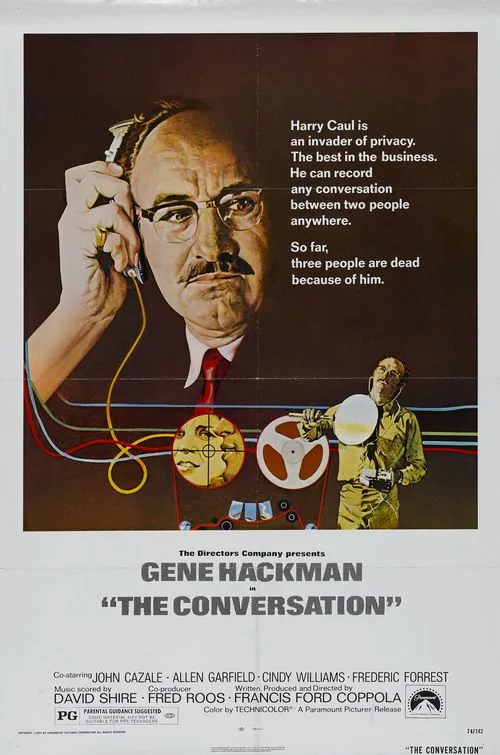
Repeated analysis of a recorded conversation deepens a technician's uncertainty about the harm his work may enable.
Why this matches +
These films explore a related idea in a different setting, genre or style.
An adjacent discovery: a related idea with a different viewing experience.
Genres: Mystery / Thriller
The approach A dramatic feature rather than documentary footage.
Shared film traits
Based on recorded story, mood and style. Your preferences can change the order.
Investigation
What changes Its own story: Repeated analysis of a recorded conversation deepens a technician's uncertainty about the harm his work may enable.
A surveillance specialist records a couple in a crowded square and becomes preoccupied with what their apparently ordinary exchange might mean. His professional distance is eroded by memories of an earlier job with deadly consequences. Replaying and refining the recording draws him into a situation where technical precision cannot guarantee understanding, and the observer begins to fear that he is also being watched.
Guetta’s drive to film street artists becomes a story about what happens when he seeks recognition for his own work.
Why this matches +
These films explore a related idea in a different setting, genre or style.
An adjacent discovery: a related idea with a different viewing experience.
Genres: Documentary / Comedy
Shared film traits
Based on recorded story, mood and style. Your preferences can change the order.
What changes Its own story: Guetta’s drive to film street artists becomes a story about what happens when he seeks recognition for his own work.
Thierry Guetta, a French shopkeeper in Los Angeles, becomes fascinated with street art and begins filming artists at work, including Shepard Fairey and the elusive Banksy. What begins as a record of graffiti culture changes direction when Guetta tries to become an artist himself and Banksy takes a more active role in shaping the footage. The film presents itself as a documentary while also inviting questions about authorship, performance, and authenticity. Its story follows both a subculture and the strange process by which images become art-world commodities.
Jones and his small team examine a vast record and try to substantiate what the CIA did during interrogation.
Why this matches +
These films explore a related idea in a different setting, genre or style.
An adjacent discovery: a related idea with a different viewing experience.
Genres: Drama / History
The approach A dramatic feature rather than documentary footage.
Shared film traits
Based on recorded story, mood and style. Your preferences can change the order.
Investigation
What changes Its own story: Jones and his small team examine a vast record and try to substantiate what the CIA did during interrogation.
In 2009, Senate staffer Daniel Jones is asked to review millions of pages of CIA records about the agency's post-9/11 interrogation program. Working with a small team, he documents how officials authorized and described the practices, while facing delays, political pressure, and resistance from the intelligence agency. Senator Dianne Feinstein backs the inquiry, but the report's publication becomes a struggle of its own. The political drama follows the patient work of assembling evidence and making an official record public.
An intelligence contractor decides to disclose secret surveillance programs to journalists.
Why this matches +
These films explore a related idea in a different setting, genre or style.
An adjacent discovery: a related idea with a different viewing experience.
Genres: Drama / Thriller
The approach A dramatic feature rather than documentary footage.
Shared film traits
Based on recorded story, mood and style. Your preferences can change the order.
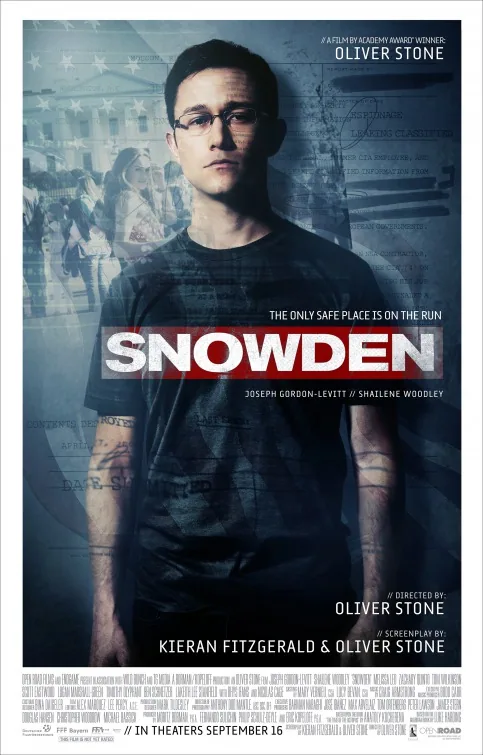
What changes Its own story: An intelligence contractor decides to disclose secret surveillance programs to journalists.
Edward Snowden's work as a U.S. intelligence contractor exposes him to the scale of government surveillance and the secrecy surrounding it. He eventually shares classified materials with journalists, leaving his career and life in the United States behind as the disclosures become public. Oliver Stone's political thriller traces the personal and institutional pressures that lead to the leak, mixing biographical scenes with an argument about privacy, national security, and the public's right to know.
A government translator leaks a memo that could influence the Iraq invasion and is prosecuted for revealing it.
Why this matches +
These films explore a related idea in a different setting, genre or style.
An adjacent discovery: a related idea with a different viewing experience.
Genres: Drama / Thriller
The approach A dramatic feature rather than documentary footage.
Shared film traits
Based on recorded story, mood and style. Your preferences can change the order.
Investigation
What changes Its own story: A government translator leaks a memo that could influence the Iraq invasion and is prosecuted for revealing it.
In 2003, GCHQ translator Katharine Gun sees a request for intelligence that could help secure support for the invasion of Iraq. Believing the request is illegal and morally indefensible, she leaks a memo to the press, then faces arrest under Britain's Official Secrets Act. The film follows the effort to verify the story, the mounting pressure on Gun and her husband, and a legal case whose outcome depends on whether the government will disclose its own conduct.
About Truth in Numbers? Everything, According to Wikipedia+
This documentary investigates Wikipedia’s claims to open collaboration, universal knowledge, and reliable reference. Through interviews with contributors, critics, academics, and public figures, it explores how the online encyclopedia is written, moderated, trusted, and contested. Rather than presenting a simple verdict, the film treats collaborative knowledge as a continuing social experiment shaped by participation, expertise, power, and the practical limits of volunteer governance.
What drives the story
The film asks who gets to define reliable public knowledge.
The people at its centre
Wikipedia’s contributors reveal both the promise and friction of collaboration.
What it feels like
The documentary’s own questions reflect the uncertainty it investigates. That pressure carries beyond the immediate crisis.
Worth knowing
Digital authorship makes accountability a collective and ongoing problem. That consequence remains central to the character’s next choice.
KnowledgeCommunityTechnology
Mood
Inquisitive · Reflective · Analytical
Pacing
Interview and case-study segments examine a changing digital institution
Visual style
Talking-head interviews · Web imagery · Documentary collage
Storytelling
Contested authorship · Institutional investigation · Communication and trust