Explore films connected to The Professor and the Madman through language and knowledge, mental illness and responsibility, collaboration across institutions. Choose the qualities you want to carry into your next watch.
What should feel similar?
Find your next favourite
9 films · Closest overall matches
Hide films you’ve seen or don’t want. Saved on this device.
No matches for this combination yet.
Try another option or reset your choices to see more films.
Based on recorded story, mood and style. Your preferences can change the order.
Memory and identity
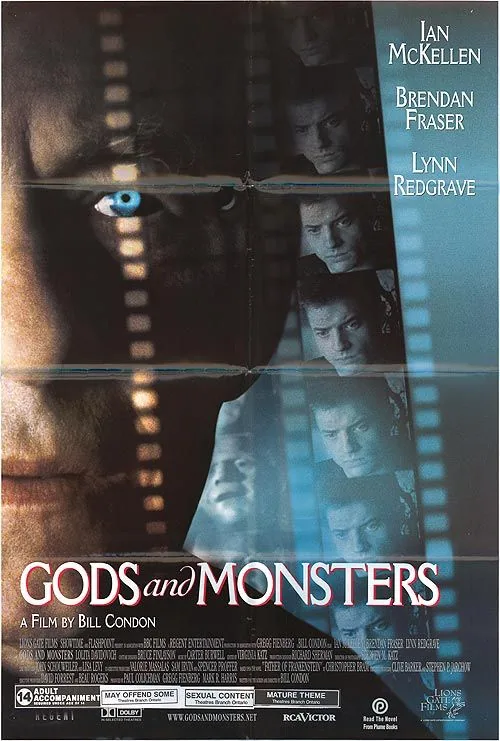
What changes The Professor and the Madman: editorial project setup, parallel lives and correspondence and ethical and personal resolution. Gods and Monsters: sittings and conversations deepen the connection and while whale’s memories and worsening health place new strain on it.
Retired filmmaker James Whale lives with his devoted housekeeper, Hanna, while coping with the effects of several strokes and memories of earlier losses. He befriends Clayton Boone, a young gardener who agrees to pose for his drawings, and the two build a wary connection across differences in age, class and experience. Whale’s stories about his past and his frankness about desire unsettle Boone, while declining health and depression make the friendship harder to navigate. Their conversations bring together Hollywood memory, loneliness and the need to be seen by another person.
Based on recorded story, mood and style. Your preferences can change the order.
Memory and identity · Investigation
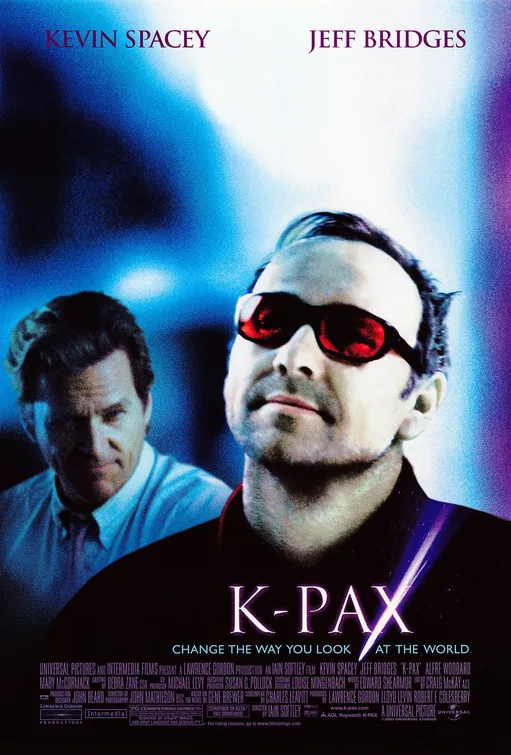
What changes The Professor and the Madman: editorial project setup, parallel lives and correspondence and ethical and personal resolution. K-PAX: measured.
A man calling himself Prot arrives in a Manhattan psychiatric hospital and calmly says he is an alien from the planet K-PAX. Psychiatrist Mark Powell treats the claim as a case to investigate, while Prot’s composure and knowledge unsettle the clinic’s routines and attract other patients. Interviews and experiments gather clues without deciding whether the visitor is extraterrestrial or a traumatized human whose identity has fractured. The question becomes harder when other patients appear to improve around him, but their changes do not function as clinical proof of an alien cause. The film’s mystery depends on holding competing readings open; its depiction of psychiatric diagnosis and treatment is a speculative dramatic device, not a guide to real clinical practice.
Based on recorded story, mood and style. Your preferences can change the order.
Memory and identity
What changes The Professor and the Madman: editorial project setup, parallel lives and correspondence and ethical and personal resolution. The Mirror: associative montage and nonlinear time shifts.
A dying man’s memories unfold in fragments across childhood, adulthood and wartime, with the film shifting between a boy named Alex, his mother and the adult voice remembering them. Images of a country house, a printing press and family separations recur without being arranged into a conventional chronological plot. Andrei Tarkovsky weaves autobiographical material, poetry and historical footage into a meditation on memory and inheritance. The scenes do not always clarify whether they belong to recollection, dream or present action; their emotional links matter more than a single explanatory mystery.
Based on recorded story, mood and style. Your preferences can change the order.
Memory and identity
What changes The Professor and the Madman: editorial project setup, parallel lives and correspondence and ethical and personal resolution. Unabomber: student years establish formative pressures, isolation and ideology deepen over time and later violence reframes earlier events.
The film follows Theodore Kaczynski from his early years as a mathematics prodigy at Harvard, where he participates in confrontational psychological experiments, through an increasingly isolated life shaped by his rejection of industrial society. As the biography traces the formation of the ideas and violence associated with the Unabomber case, it examines how intellectual ambition, institutional treatment, and personal alienation intersect. The crime drama focuses on the person behind a notorious domestic-terrorism investigation without reducing the story to a procedural manhunt.
Based on recorded story, mood and style. Your preferences can change the order.
Memory and identity
What changes The Professor and the Madman: editorial project setup, parallel lives and correspondence and ethical and personal resolution. Nickel Boys: measured, episodic and reflective.
In 1960s Florida, Elwood Curtis is sent to a brutal reform school after a wrongful arrest, where he befriends the more pragmatic Turner. The boys negotiate the institution's violence and uncertain rules for staying safe, while their different understandings of resistance shape their bond. RaMell Ross's adaptation of Colson Whitehead's novel uses subjective visual perspectives, making memory and the boys' relationship central to a history of abuse and survival.
Based on recorded story, mood and style. Your preferences can change the order.
Memory and identity · Investigation
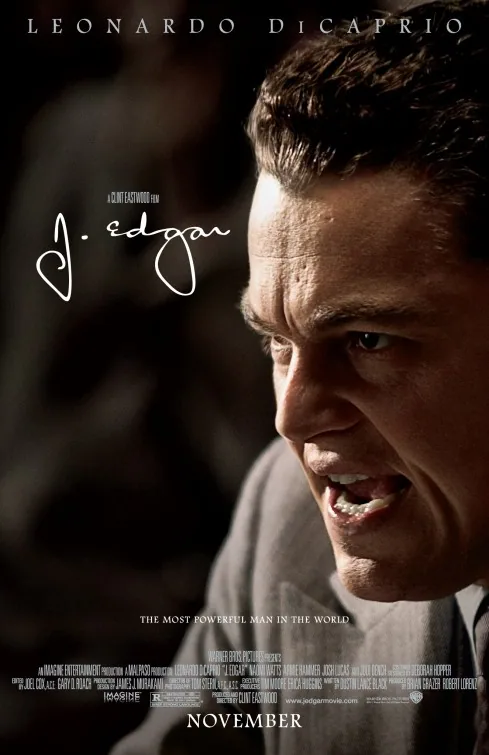
What changes The Professor and the Madman: editorial project setup, parallel lives and correspondence and ethical and personal resolution. J. Edgar: nonlinear and measured.
In old age, FBI director J. Edgar Hoover dictates a history of the bureau to a young agent, treating memory as a way to preserve his own authority. The film moves between the celebrated public story of investigative expansion and the private relationships that shaped Hoover’s dependence on Clyde Tolson and Helen Gandy. It presents the director’s recollections as partial: scenes of political surveillance and institutional growth sit beside a life of concealment, shame and control. Their intimacy is rendered through speculation and melodrama rather than conclusive documentation, and Hoover’s own account cannot settle what happened behind closed doors. The biopic’s central tension is not only truth versus lies, but who gets to author an institution’s legacy and what the archive leaves unspoken.
Based on recorded story, mood and style. Your preferences can change the order.
Memory and identity
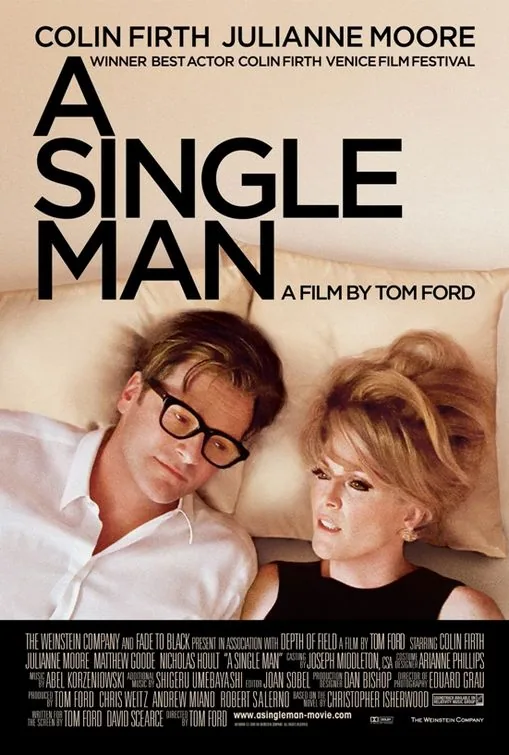
What changes The Professor and the Madman: editorial project setup, parallel lives and correspondence and ethical and personal resolution. A Single Man: measured and interior.
In 1960s Los Angeles, a British professor is grieving the sudden death of his partner and tries to move through one day while deciding whether he can continue living alone. Encounters with a friend, a student and strangers alter the emotional texture of that day without undoing his loss. The film turns clothing, color and routine into close expressions of grief, loneliness and the fragile possibility of renewed attention.
Based on recorded story, mood and style. Your preferences can change the order.
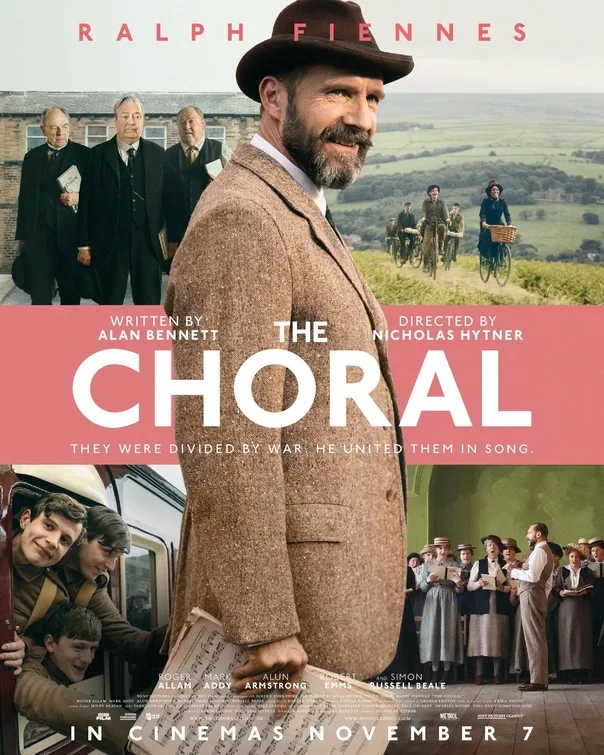
What changes The Professor and the Madman: editorial project setup, parallel lives and correspondence and ethical and personal resolution. The Choral: patient, rehearsal-driven and emotionally building.
In a northern English town during the First World War, a choral society tries to continue rehearsing as many of its men leave for military service. Its committee appoints a new choirmaster, whose methods challenge old habits and bring new voices into the group. Alan Bennett's drama links music-making with community resilience, showing how shared work can carry both grief and hope during a period of social change.
Based on recorded story, mood and style. Your preferences can change the order.
Investigation
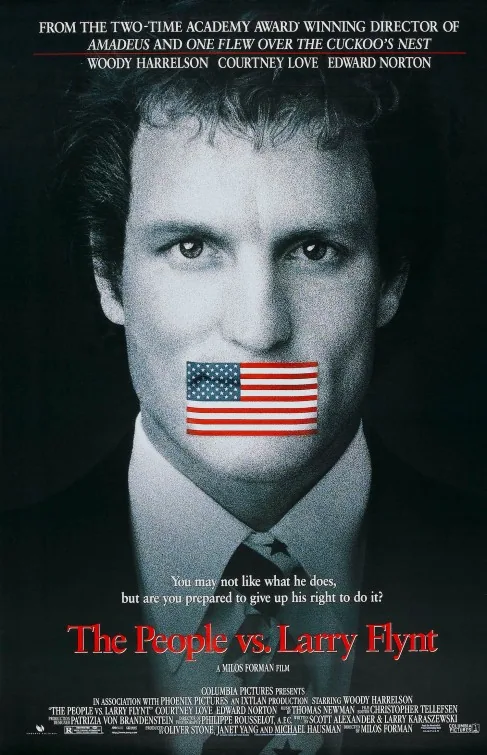
What changes The Professor and the Madman: editorial project setup, parallel lives and correspondence and ethical and personal resolution. The People vs. Larry Flynt: sweeping and episodic.
The film traces Larry Flynt's path from a struggling Ohio club owner to the publisher of Hustler, whose provocations make him a target of obscenity prosecutions and moral campaigns. His relationship with Althea Leasure becomes both a central partnership and a source of mounting personal strain as the magazine's reach grows. Lawyer Alan Isaacman helps Flynt challenge restrictions on expression, culminating in the Supreme Court case over a parody of Reverend Jerry Falwell. Flynt's public conduct is often theatrical, but the legal argument concerns whether offensive speech can be punished for causing emotional distress. The story moves across decades, linking a contentious private life to constitutional litigation while compressing real events into a biographical drama that takes a position on who deserves protection under free-speech law.
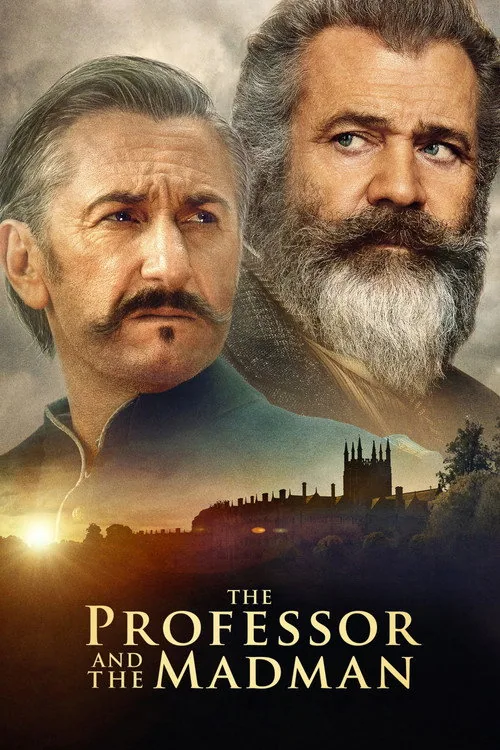
In nineteenth-century London, lexicographer James Murray leads the Oxford English Dictionary project and appeals to the public for quotations. One of his most prolific contributors is William Chester Minor, an American military surgeon confined to an asylum after killing a man while mentally ill. Murray and Minor develop an unexpected correspondence through their shared love of language, while the murder's family and the limits of institutional care remain present. The historical drama follows an immense editorial project alongside questions about madness, remorse, recognition, and human connection.
What drives the story
Murray's search for dictionary quotations leads him to Minor, whose contributions make the project a personal relationship.
The people at its centre
The editor's respect for Minor's intellect challenges institutional labels, while the victim's widow embodies unresolved grief.
What it feels like
A literary historical drama blends archival ambition with intimate themes of illness, accountability, and friendship.
Worth knowing
Its center is the collaboration behind a dictionary project, rather than a conventional inventor biography or courtroom story.
language and knowledgemental illness and responsibilitycollaboration across institutions
Mood
reflective · somber · periodic
Pacing
editorial project setup · parallel lives and correspondence · ethical and personal resolution
Visual style
Victorian London streets · library and asylum interiors · period costume and document detail