Viewed critically, staged mass spectacle shows how cinema manufactures political legitimacy; comparison concerns form and persuasion rather than ideological agreement.
What should feel similar?
Find your next favourite
9 of 20 films · Closest overall matches
Hide films you’ve seen or don’t want. Saved on this device.
No matches for this combination yet.
Try another option or reset your choices to see more films.
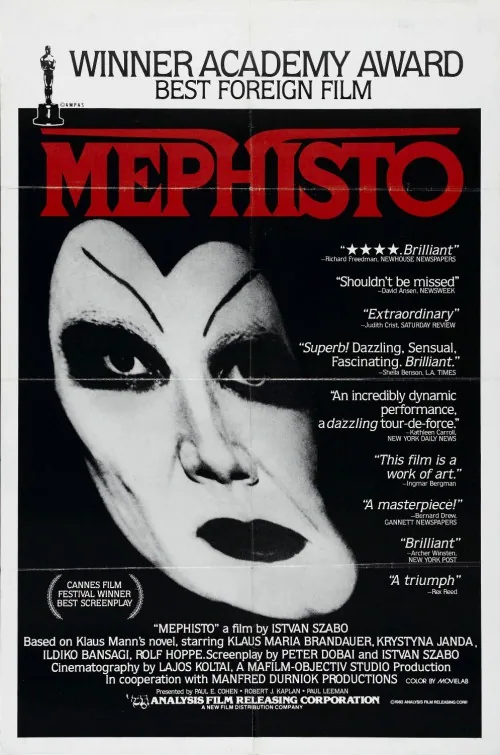
An actor preserves his career by serving a regime whose power increasingly shapes his work and public identity.
Why this matches +
These films share important themes, atmosphere or storytelling interests with this selection.
Genres: Drama / Historical
The approach A dramatic feature rather than documentary footage.
Shared film traits
Based on recorded story, mood and style. Your preferences can change the order.
What changes Its own story: An actor preserves his career by serving a regime whose power increasingly shapes his work and public identity.
Hendrik Höfgen is an ambitious German stage actor whose performance as Mephistopheles makes him a celebrated figure. When the Nazis take power, he remains in Germany and accepts increasingly influential roles under the new regime, telling himself that art and survival can be separated from politics. His career rises as colleagues flee or are silenced, leaving him to confront how each compromise has changed both his public persona and private conscience.
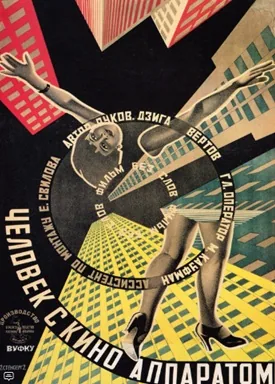
A working day becomes raw material for an editor who exposes how camera placement and cutting build a cinematic account of collective life.
Why this matches +
These films share important themes, atmosphere or storytelling interests with this selection.
Genres: Documentary / Experimental
Shared film traits
Based on recorded story, mood and style. Your preferences can change the order.
What changes A less threatening study of collective life offers a formal comparison in montage and constructed political imagery, not ideological agreement.
Across a day in several Soviet cities, a cameraman records streets, factories, transport, leisure and public events while an editor assembles the footage into a dynamic portrait of modern urban life. The film repeatedly shows the camera operator at work and the editor arranging the very images the audience sees, making production part of its subject. There is no conventional cast or dialogue-driven plot: visual associations, superimpositions and changes in speed turn ordinary labor and motion into an experiment in what cinema can reveal and construct.
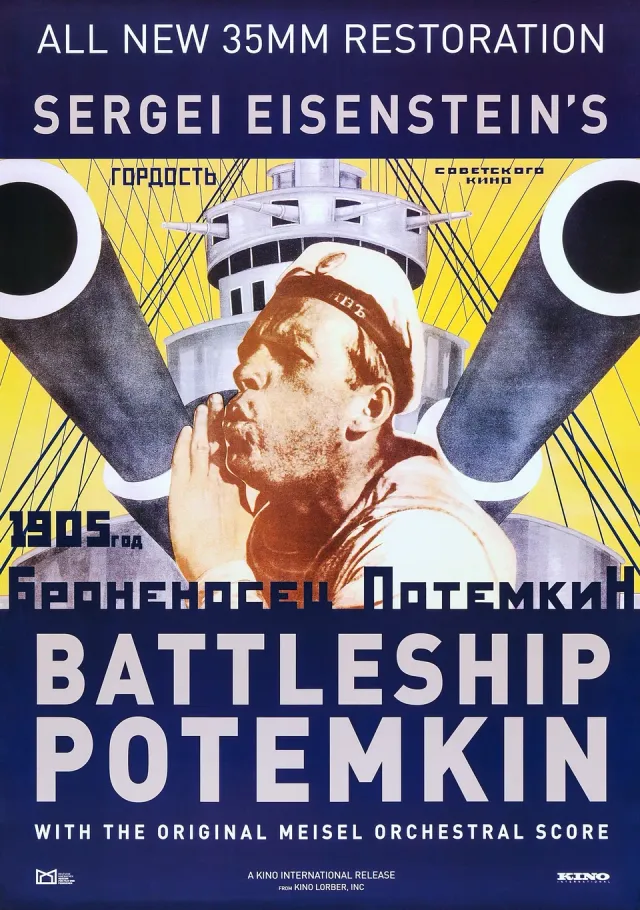
An intolerable everyday abuse produces a collective refusal that expands beyond the original workplace into public confrontation with authority.
Why this matches +
These films share important themes, atmosphere or storytelling interests with this selection.
Genres: Drama / Historical drama
The approach A dramatic feature rather than documentary footage.
Shared film traits
Based on recorded story, mood and style. Your preferences can change the order.
What changes Its own story: An intolerable everyday abuse produces a collective refusal that expands beyond the original workplace into public confrontation with authority.
Sailors subjected to degrading conditions challenge the officers commanding their ship, and a confrontation over rotten food becomes a catalyst for mutiny. Public mourning and solidarity in a nearby port place the uprising inside a wider struggle over state violence. The film arranges bodies, crowds and abrupt collisions of images into a deliberately political account in which collective feeling becomes as important as the actions of any named individual.
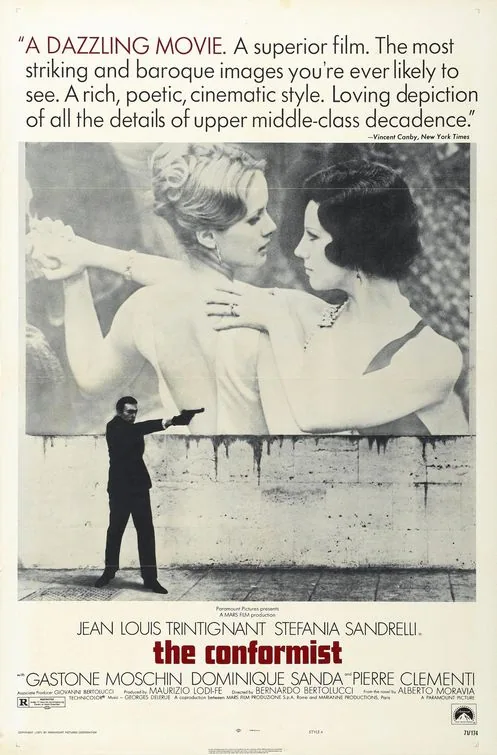
A man seeking social acceptance agrees to help a fascist regime pursue his former teacher in exile.
Why this matches +
These films share important themes, atmosphere or storytelling interests with this selection.
Genres: Drama / Thriller
The approach A dramatic feature rather than documentary footage.
Shared film traits
Based on recorded story, mood and style. Your preferences can change the order.
What changes Its own story: A man seeking social acceptance agrees to help a fascist regime pursue his former teacher in exile.
In Fascist Italy, Marcello Clerici seeks a respectable life and accepts an assignment from the secret police. His task takes him to Paris, where he and his new wife encounter his former professor, an outspoken opponent of the regime, and the professor’s wife. Political allegiance, desire and Marcello’s need to appear normal become entangled as he moves toward a betrayal.
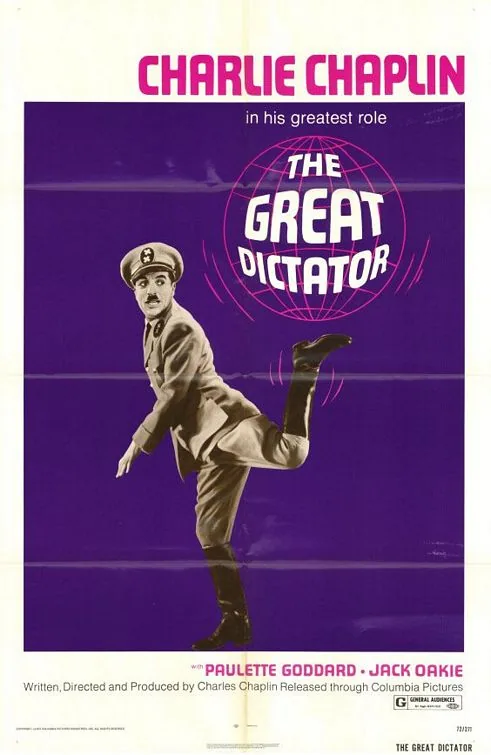
Parallel lives of a persecuted civilian and a self-important dictator converge through resemblance, turning mistaken identity into a platform against authoritarian power.
Why this matches +
These films share important themes, atmosphere or storytelling interests with this selection.
Genres: Comedy / War
The approach A dramatic feature rather than documentary footage.
Shared film traits
Based on recorded story, mood and style. Your preferences can change the order.
What changes Its own story: Parallel lives of a persecuted civilian and a self-important dictator converge through resemblance, turning mistaken identity into a platform against authoritarian power.
A Jewish barber returns from a long recovery after wartime service to find his neighbourhood subject to a dictatorship's escalating persecution. His resemblance to the country's ruler creates a separate line of confusion while the ruler pursues military expansion and competes with another authoritarian leader. Everyday resistance and comic misunderstandings expose the cruelty behind ceremonial grandeur, eventually giving an ordinary man an extraordinary opportunity to reject the language of domination.
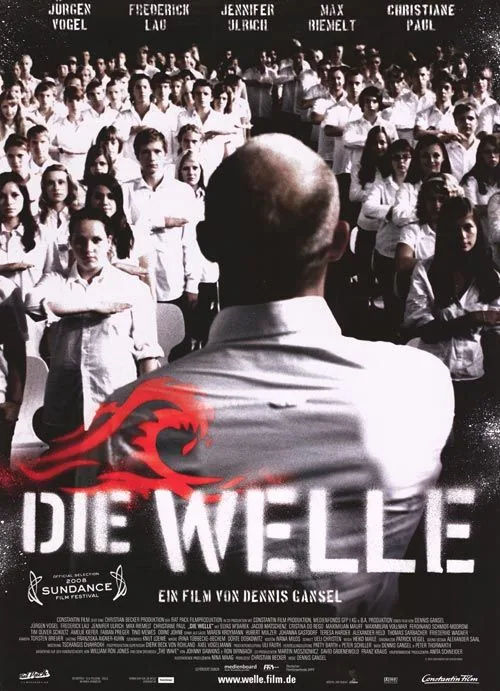
The classroom experiment moves from demonstration to lived social structure as members enforce its norms on one another.
Why this matches +
These films share important themes, atmosphere or storytelling interests with this selection.
Genres: Drama / Thriller
The approach A dramatic feature rather than documentary footage.
Shared film traits
Based on recorded story, mood and style. Your preferences can change the order.
What changes Its own story: The classroom experiment moves from demonstration to lived social structure as members enforce its norms on one another.
A teacher running a classroom exercise on autocracy finds that students quickly begin organizing around a shared movement and its symbols. What starts as a lesson about social conformity grows into a real group with rules, status and pressure to belong. The German drama examines how authoritarian behavior can develop in ordinary settings and how difficult it becomes to resist once group identity takes hold.
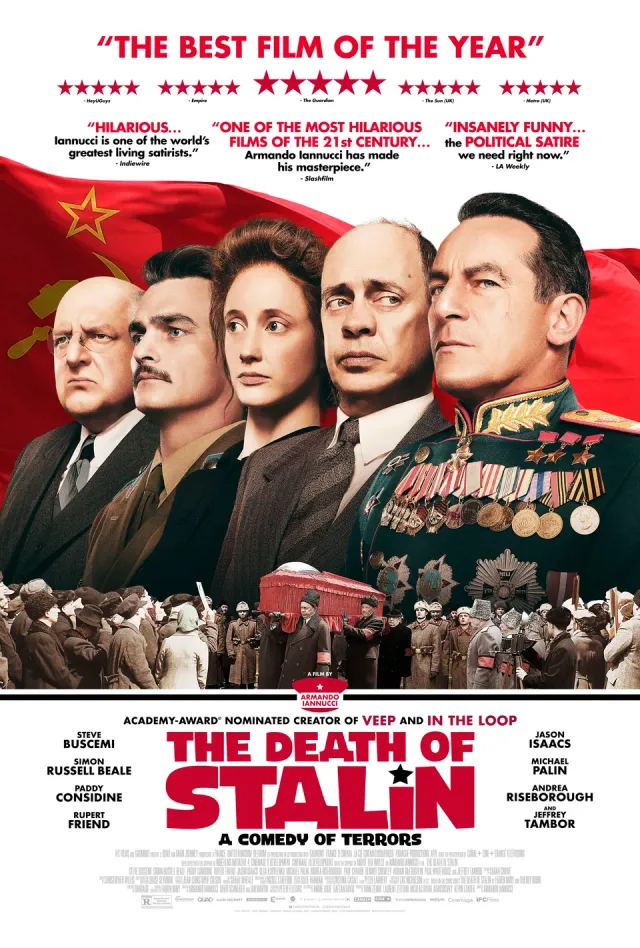
Stalin’s death leaves control of the police, party and public mourning contested. The film compresses months of political maneuvering into a farcical sprint, so its reversals serve comic timing rather than a reliable event-by-event chronology.
Why this matches +
These films explore a related idea in a different setting, genre or style.
An adjacent discovery: a related idea with a different viewing experience.
Genres: Drama / Comedy
The approach A dramatic feature rather than documentary footage.
Shared film traits
Based on recorded story, mood and style. Your preferences can change the order.
What changes Its own story: Stalin’s death leaves control of the police, party and public mourning contested. The film compresses months of political maneuvering into a farcical sprint, so its reversals serve comic timing rather than a reliable event-by-event chronology.
Joseph Stalin’s death in 1953 opens a struggle among the Soviet leaders who had served his regime. Lavrentiy Beria uses the security apparatus, Nikita Khrushchev builds support among colleagues, and Georgy Malenkov is named head of government as officials compete to control the party and state. Public mourning, arrests and displays of loyalty reveal a system built on fear. The film compresses events that unfolded over months into a brisk ensemble farce, inventing and rearranging scenes for comic effect. It uses historical figures to satirize the absurdity and brutality of authoritarian power, but its rapid succession plot is not a literal chronology of the succession crisis.
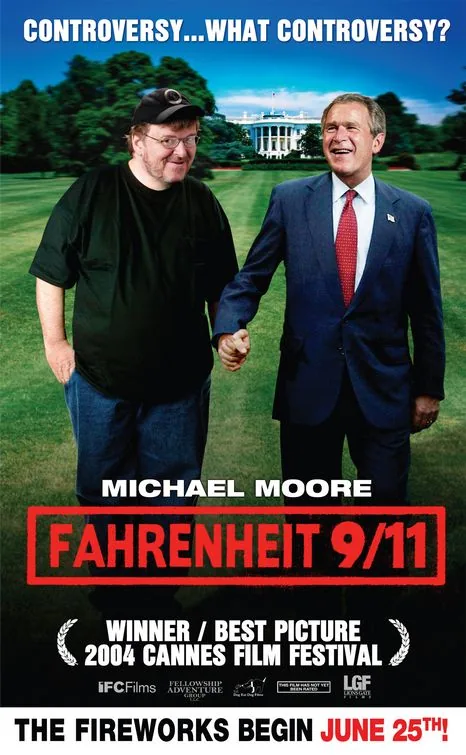
The montage repeatedly moves from political decision-makers to people asked to enlist or grieve, turning questions of access and policy into questions of who bears consequences. The sequence from elite access to recruitment shifts the question from presidential intent to who carries the risk.
Why this matches +
These films explore a related idea in a different setting, genre or style.
An adjacent discovery: a related idea with a different viewing experience.
Genres: Documentary
Shared film traits
Based on recorded story, mood and style. Your preferences can change the order.
What changes Its own story: The montage repeatedly moves from political decision-makers to people asked to enlist or grieve, turning questions of access and policy into questions of who bears consequences. The sequence from elite access to recruitment shifts the question from presidential intent to who carries the risk.
Michael Moore builds an openly adversarial argument from broadcast footage, interviews, archival images and public interventions, linking the Bush administration’s response to September 11 with the invasion of Iraq and the unequal distribution of wartime risk. The shifts between elite access, recruitment, military service and bereaved families make the film’s emotional movement as important as its allegations. Moore’s selection and narration are visible parts of the case: the documentary invites scrutiny of both the evidence it presents and the editorial connections through which it persuades.
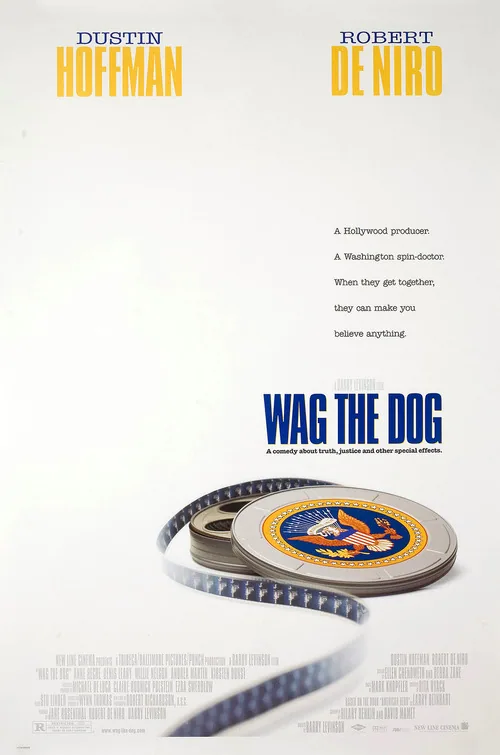
A political crisis becomes a media production in which a fictional war is assembled from repeatable images and a marketable narrative.
Why this matches +
These films explore a related idea in a different setting, genre or style.
An adjacent discovery: a related idea with a different viewing experience.
Genres: Drama / Comedy
The approach A dramatic feature rather than documentary footage.
Shared film traits
Based on recorded story, mood and style. Your preferences can change the order.
What changes Its own story: A political crisis becomes a media production in which a fictional war is assembled from repeatable images and a marketable narrative.
With a presidential sex scandal threatening an election, political consultant Conrad Brean hires Hollywood producer Stanley Motss to invent a distant war that can redirect the news. Motss treats the crisis as a production problem, assembling images, slogans, music and a fictional hero with the same craft he would use for a movie. Brean manages government messaging while the fabricated conflict begins to acquire an independent life in the media. The film’s comedy comes from watching public belief depend on the details of a story that exists mainly because two professionals know how to stage it. As the campaign grows, it becomes less controllable, even for the people who made it. The satire targets both political spin and entertainment’s ability to make images feel like evidence.
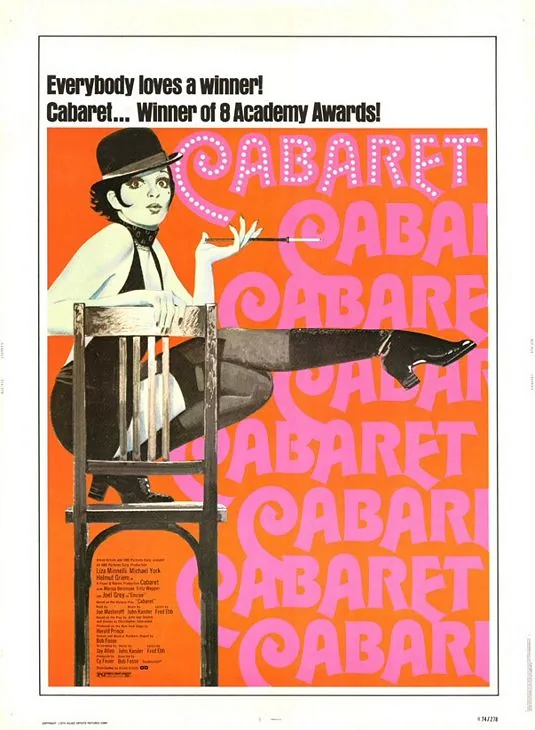
Romantic and sexual experiments unfold alongside fascism's rise, with the club's stage translating political change into performance but not stopping it. The songs comment on events without making performers politically omniscient.
Why this matches +
These films explore a related idea in a different setting, genre or style.
An adjacent discovery: a related idea with a different viewing experience.
Genres: Musical / Drama
The approach A dramatic feature rather than documentary footage.
Shared film traits
Based on recorded story, mood and style. Your preferences can change the order.
What changes Its own story: Romantic and sexual experiments unfold alongside fascism's rise, with the club's stage translating political change into performance but not stopping it. The songs comment on events without making performers politically omniscient.
In 1931 Berlin, English academic Brian Roberts meets American performer Sally Bowles in the world around the Kit Kat Club. Their relationship, her attachment to a wealthy patron and the club's exuberant performances unfold as political exclusion becomes ordinary outside its stage. The musical numbers comment on the dramatic action without safely standing apart from it: spectacle can expose brutality while also helping a community treat it as someone else's problem. Personal freedom and romantic choice remain unequal as fascism tightens its hold. The Emcee's numbers can turn a casual audience's laughter into part of the film's critique.
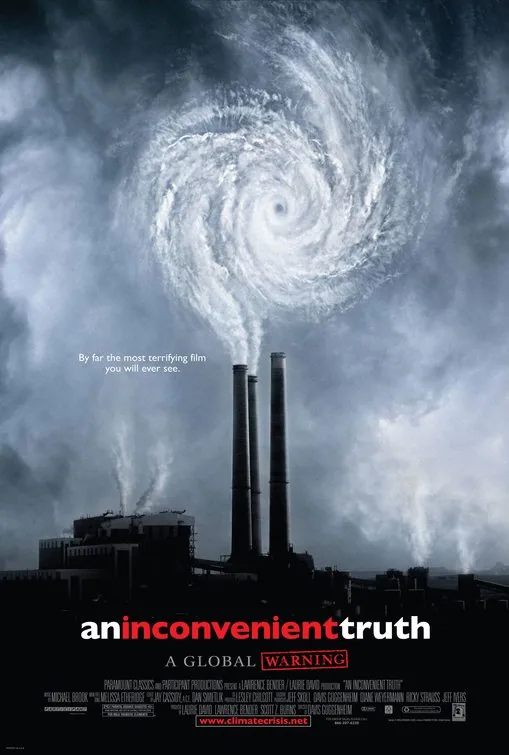
A structured public presentation moves from climate evidence to consequences and a call for action, while personal and political recollections explain why Gore has taken up the campaign. The lecture is the film's main organizing device.
Why this matches +
These films explore a related idea in a different setting, genre or style.
An adjacent discovery: a related idea with a different viewing experience.
Genres: Documentary
Shared film traits
Based on recorded story, mood and style. Your preferences can change the order.
What changes Its own story: A structured public presentation moves from climate evidence to consequences and a call for action, while personal and political recollections explain why Gore has taken up the campaign. The lecture is the film's main organizing device.
Al Gore presents a lecture on climate change, explaining the evidence for human-caused warming through charts, photographs and projections while the film places the presentation alongside episodes from his political and personal life. The lecture's visual explanations are designed to make a large-scale, long-term problem legible to an audience, and its campaigning form makes persuasion part of the documentary's subject. Its 2006 claims should be read as a dated intervention in climate communication, not as the latest scientific assessment. The film asks viewers to connect evidence with civic responsibility, while leaving the limits of individual action in view.
Former technology insiders describe how platforms capture attention and predict behavior; a fictional family illustrates possible effects on users.
Why this matches +
These films explore a related idea in a different setting, genre or style.
An adjacent discovery: a related idea with a different viewing experience.
Genres: Documentary / Drama
Shared film traits
Based on recorded story, mood and style. Your preferences can change the order.
What changes Its own story: Former technology insiders describe how platforms capture attention and predict behavior; a fictional family illustrates possible effects on users.
This documentary combines interviews with former technology employees and researchers with a fictional story about a family shaped by social media. Interviewees discuss persuasive design, behavioral data, recommendation systems, advertising, misinformation, and platform incentives. The dramatized family illustrates how a teenager’s engagement can affect attention, mood, and political beliefs. Jeff Orlowski’s film makes a case about technology’s social costs, using testimony and scripted scenes to present its argument.
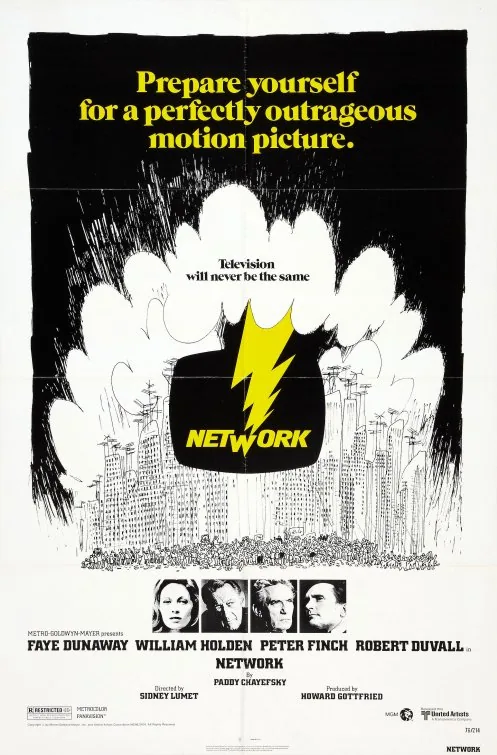
Ratings convert Beale's breakdown into a product, and every attempt to restore control becomes another negotiation between truth, profit and public appetite.
Why this matches +
These films explore a related idea in a different setting, genre or style.
An adjacent discovery: a related idea with a different viewing experience.
Genres: Drama / Comedy
The approach A dramatic feature rather than documentary footage.
Shared film traits
Based on recorded story, mood and style. Your preferences can change the order.
What changes Its own story: Ratings convert Beale's breakdown into a product, and every attempt to restore control becomes another negotiation between truth, profit and public appetite.
When veteran news anchor Howard Beale learns he will be dismissed, he announces on air that he will kill himself, then turns a farewell broadcast into an angry ratings sensation. Network executive Diana Christensen sells the outburst as entertainment, while division president Max Schumacher worries about the erosion of journalism and begins an affair with her. As Beale's populist persona grows, corporate leaders exploit his audience and eventually object when his message threatens a merger. The network answers a business problem with a lethal programming decision, turning the news division's cynicism into the plot's final spectacle.
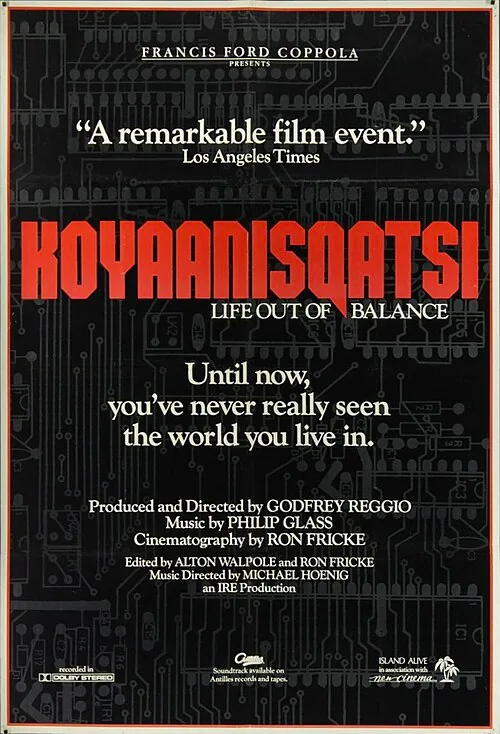
The film’s engine is a progression of visual relations rather than a plot: landscape, construction, machines and human crowds are placed in sequence so viewers form the argument themselves.
Why this matches +
These films explore a related idea in a different setting, genre or style.
An adjacent discovery: a related idea with a different viewing experience.
Genres: Documentary / Experimental
Shared film traits
Based on recorded story, mood and style. Your preferences can change the order.
What changes Its own story: The film’s engine is a progression of visual relations rather than a plot: landscape, construction, machines and human crowds are placed in sequence so viewers form the argument themselves.
Without conventional dialogue or a central character, Koyaanisqatsi moves from deserts, clouds and geological formations to cities, factories, traffic and crowds. Philip Glass’s repeating score turns time-lapse images into mounting rhythms, while slow motion makes ordinary movement strange. The juxtaposition invites viewers to connect industrial speed and environmental change, but the film does not state one simple thesis through narration. Its title comes from a Hopi word translated in the film as life out of balance; that use should not be mistaken for a complete or neutral account of Hopi philosophy. The experience is an audiovisual essay whose sequence and music guide interpretation even as its nonverbal form leaves room for disagreement about what the images prove.
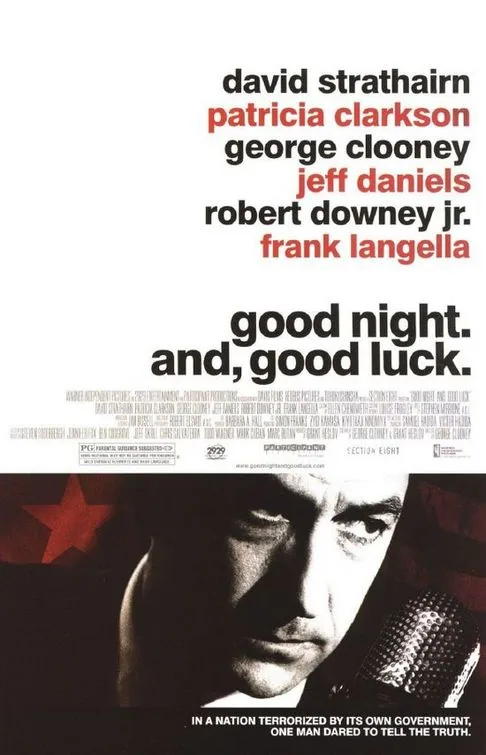
A newsroom's evidence-based challenge to political intimidation tests how far a commercial broadcaster will support the independence it publicly endorses.
Why this matches +
These films explore a related idea in a different setting, genre or style.
An adjacent discovery: a related idea with a different viewing experience.
Genres: Drama / History
The approach A dramatic feature rather than documentary footage.
Shared film traits
Based on recorded story, mood and style. Your preferences can change the order.
What changes Its own story: A newsroom's evidence-based challenge to political intimidation tests how far a commercial broadcaster will support the independence it publicly endorses.
A television news team challenges accusations and procedures associated with Senator McCarthy while working inside a network vulnerable to sponsors and political pressure. Decisions about evidence, wording and airtime make editorial independence a practical risk rather than an abstract professional virtue. Personal consequences unfold around the broadcasts, including scrutiny of colleagues whose lives do not fit institutional rules. The restrained historical drama presents journalism as coordinated work whose public authority depends on choices made under commercial and political constraint.
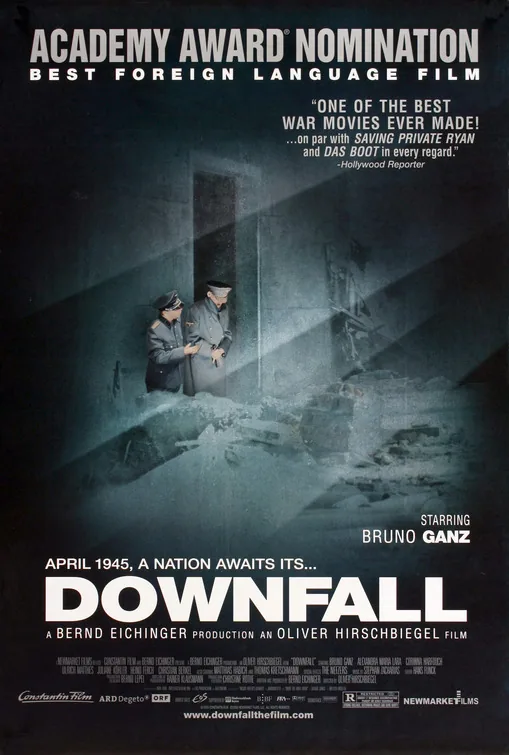
An authoritarian command system reaches its end while continuing to issue demands that expose the gap between personal loyalty and factual reality.
Why this matches +
These films explore a related idea in a different setting, genre or style.
An adjacent discovery: a related idea with a different viewing experience.
Genres: Drama / Biography
The approach A dramatic feature rather than documentary footage.
Shared film traits
Based on recorded story, mood and style. Your preferences can change the order.
What changes Its own story: An authoritarian command system reaches its end while continuing to issue demands that expose the gap between personal loyalty and factual reality.
As Soviet forces close on Berlin, the German leadership and its staff remain inside a bunker where official orders increasingly contradict the military reality outside. A secretary's proximity offers access to routines, loyalties and private exchanges that coexist with the regime's continuing destruction. Responses to collapse range from practical attempts to leave to fanatical insistence on obligations whose human cost has long exceeded any plausible strategic purpose.
The murder investigation becomes a fight over whether evidence can survive the pressure of a state that wants the crime reduced to a private or accidental act.
Why this matches +
These films explore a related idea in a different setting, genre or style.
An adjacent discovery: a related idea with a different viewing experience.
Genres: Drama / Thriller
The approach A dramatic feature rather than documentary footage.
Shared film traits
Based on recorded story, mood and style. Your preferences can change the order.
What changes Its own story: The murder investigation becomes a fight over whether evidence can survive the pressure of a state that wants the crime reduced to a private or accidental act.
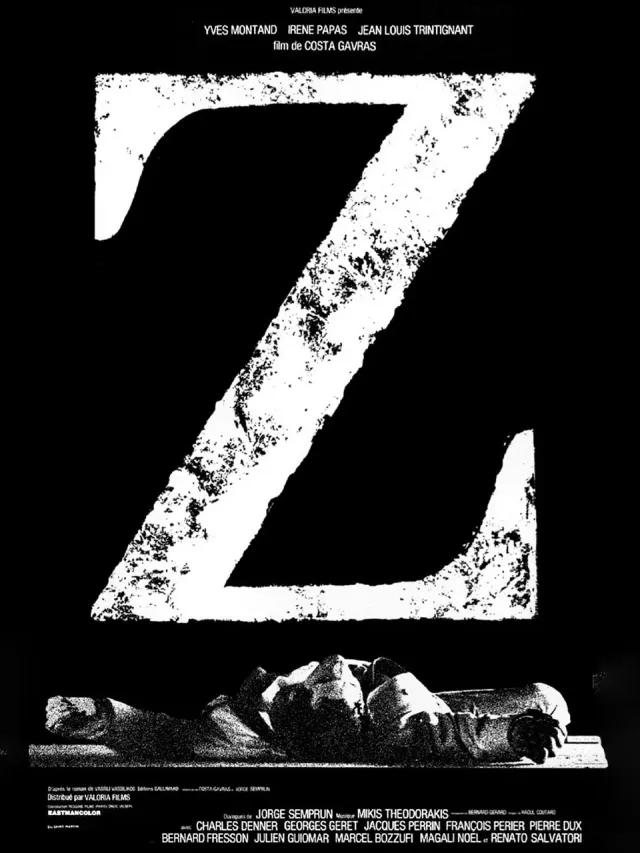
After a prominent Greek left-wing politician is attacked and dies following a public rally, a magistrate investigates the case despite pressure from officials who want it contained. Journalists and witnesses help expose the gap between the public account and the network of people who planned and concealed the violence. Costa-Gavras shapes the story as a political investigation, using an unnamed country and documentary-like urgency to connect individual testimony with institutional complicity. The title’s protest slogan becomes both a demand to remember the victim and a challenge to an attempted cover-up. Its reportorial momentum makes the investigation itself the chief source of suspense.
Stark's campaign begins as a revolt against a rigged political order, then reproduces its leverage through loyalty, favors and intimidation. Jack's retrospective narration measures the cost of remaining inside that transformation.
Why this matches +
These films explore a related idea in a different setting, genre or style.
An adjacent discovery: a related idea with a different viewing experience.
Genres: Drama
The approach A dramatic feature rather than documentary footage.
Shared film traits
Based on recorded story, mood and style. Your preferences can change the order.
What changes Its own story: Stark's campaign begins as a revolt against a rigged political order, then reproduces its leverage through loyalty, favors and intimidation. Jack's retrospective narration measures the cost of remaining inside that transformation.
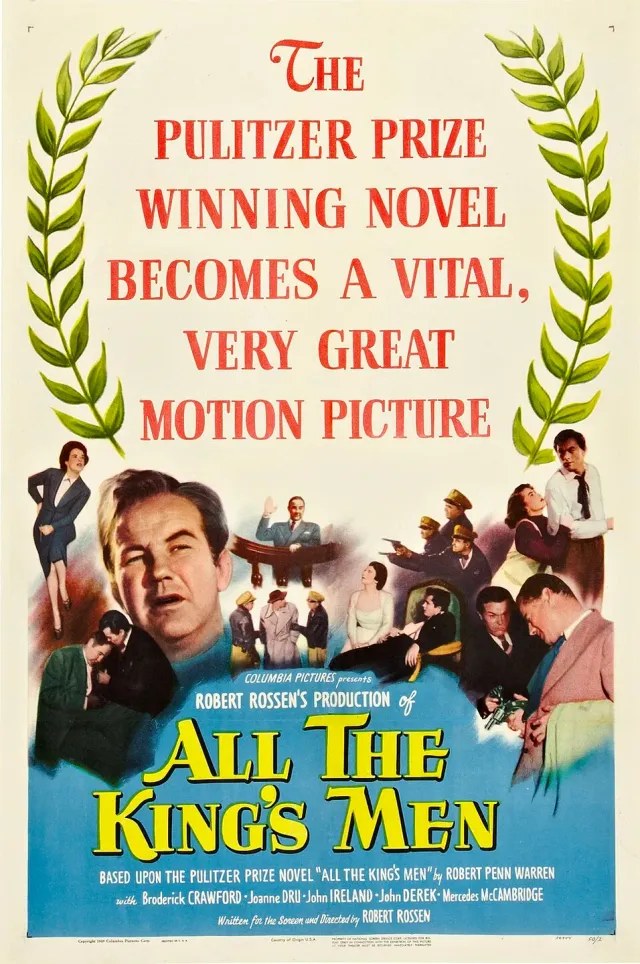
Country lawyer Jack Burden watches Willie Stark rise from a local reformer to a powerful state politician whose populist appeal increasingly depends on patronage and coercion. Jack's work as a political aide puts him close to the bargains behind the public speeches and ties his family's history to Stark's climb. The story asks whether exposing corruption can remain separate from helping it operate. The film opened in New York in 1949 but received its broader release in 1950, which explains the catalogue's 1950 dating and its alternate 1949 label.
A revenge campaign attempts to transform private evidence of state violence into collective refusal, using symbolic attacks and controlled revelation to challenge manufactured public consent.
Why this matches +
These films explore a related idea in a different setting, genre or style.
An adjacent discovery: a related idea with a different viewing experience.
Genres: Science fiction / Drama
The approach A dramatic feature rather than documentary footage.
Shared film traits
Based on recorded story, mood and style. Your preferences can change the order.
What changes Its own story: A revenge campaign attempts to transform private evidence of state violence into collective refusal, using symbolic attacks and controlled revelation to challenge manufactured public consent.
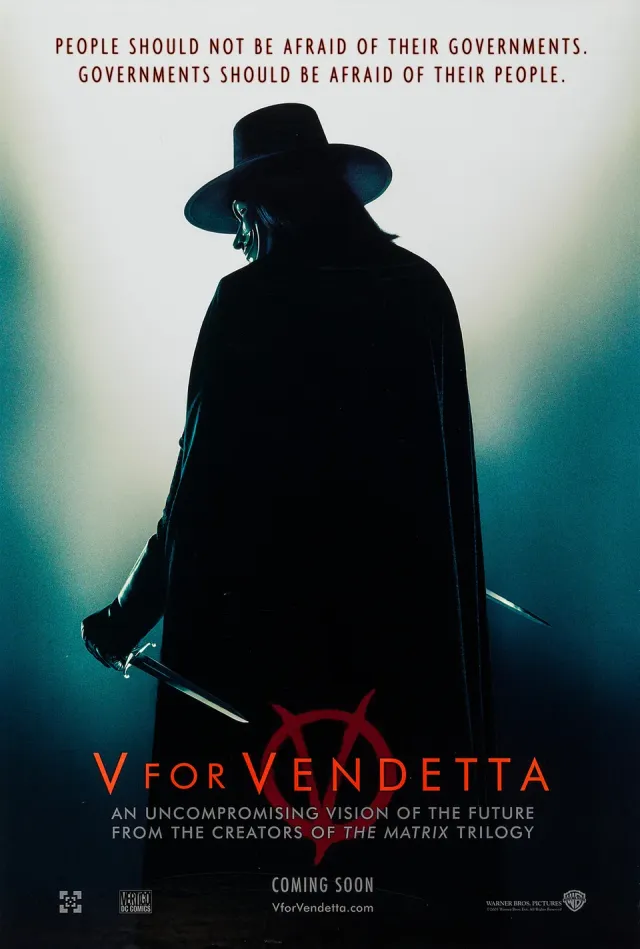
A masked insurgent rescues a young woman from agents of an authoritarian British state and draws her into a campaign timed around public spectacle and historical remembrance. His attacks expose connections between state security, propaganda and an earlier crime, but his methods also challenge the boundary between liberation and coercion. The woman's changing relationship to fear makes participation more complicated than simply choosing a heroic side against an obvious regime.
The story moves from cell-level resistance to counterinsurgency, showing how tactical victories fail to settle the political question of Algerian independence.
Why this matches +
These films explore a related idea in a different setting, genre or style.
An adjacent discovery: a related idea with a different viewing experience.
Genres: Drama / Historical
The approach A dramatic feature rather than documentary footage.
Shared film traits
Based on recorded story, mood and style. Your preferences can change the order.
What changes Its own story: The story moves from cell-level resistance to counterinsurgency, showing how tactical victories fail to settle the political question of Algerian independence.
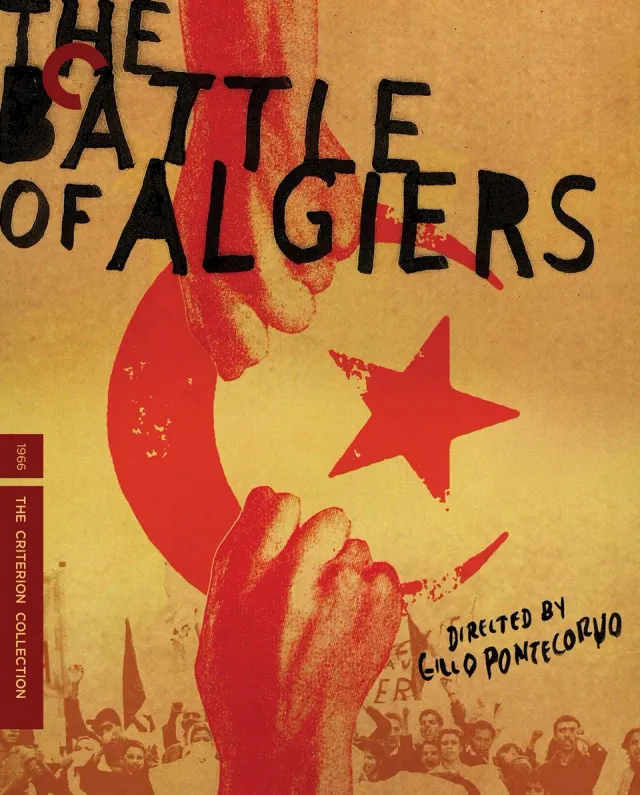
Beginning with French forces closing in on Ali la Pointe, the film flashes back to the growth of the National Liberation Front in the Casbah between 1954 and 1957. It follows urban resistance cells and the French paratroopers sent to dismantle them, showing both insurgent attacks and the military campaign of arrests and torture. The struggle escalates through bombings, reprisals and the destruction of FLN leadership, but nationalist demonstrations continue after the immediate battle is lost. The film frames the city as a contested political space and connects tactical victories to a wider movement for independence.
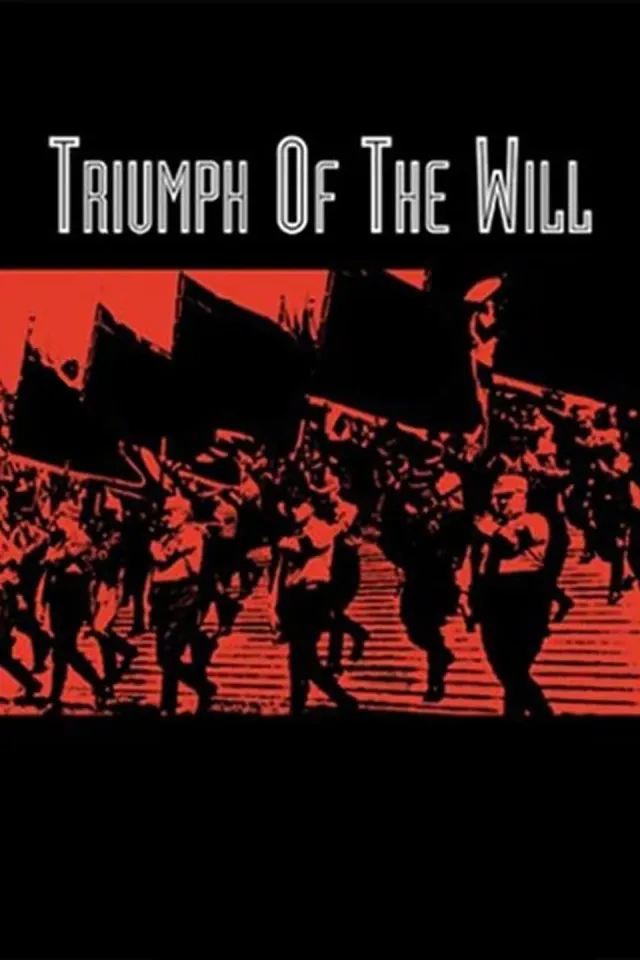
Leni Riefenstahl’s film stages and edits the 1934 Nazi Party rally in Nuremberg as a monumental political pageant. It opens with Hitler arriving by plane and follows the movement of crowds, formations, speeches and ceremonies as if the gathering were a national awakening. The imagery gives the leader a godlike entrance and presents disciplined mass participation as proof of unity, while suppressing dissent and the coercive realities of the regime. The film’s formal command—careful camera placement, aerial views, repeated patterns and emphatic editing—serves propaganda rather than neutral documentation. Its images remain influential and historically important, but their technical sophistication should be understood alongside the political purpose they were designed to advance.
What drives the story
The rally is organized into a visual argument that fuses leader, crowd and nation, disguising a staged political spectacle as organic unity.
The people at its centre
There are no conventional character arcs; the camera makes the leadership and mass formations into the film’s persuasive protagonists.
What it feels like
Aerial shots, repeated ranks, monumental architecture and rhythmic cutting turn ceremony into overwhelming spectacle; the formal beauty is inseparable from propaganda intent.
Worth knowing
For viewers studying how cinema constructs political power and mass persuasion. It must be approached as Nazi propaganda, not a neutral record or an endorsing portrait.
political spectaclemass persuasionauthoritarian power
Mood
monumental · ceremonial · coercive
Pacing
processional · ceremony-led
Visual style
aerial images · mass formations · monumental framing